




















Maya spent the better part of a Tuesday morning convinced she had made a terrible mistake by not calling her doctor the night before. Her tonsils were swollen, every swallow felt like sandpaper, and she had lost count of the warm teas she had consumed. What she had, her doctor confirmed by phone, was almost certainly viral tonsillitis.
The recommendation: supportive care at home. Home remedies for tonsillitis are not a consolation prize when antibiotics are not prescribed. For the majority of mild cases, they are the appropriate and evidence-based treatment.
This guide walks through what to do in the first four days to reduce tonsil swelling fast, manage symptoms effectively, and recognize when the situation has moved beyond home care territory.
- Most tonsillitis cases are viral and resolve within seven to ten days. Supportive care is the evidence-based approach for mild cases.
- A structured four-day home care plan can meaningfully reduce tonsil swelling and discomfort by supporting immune recovery, maintaining mucosal hydration, and controlling inflammation.
- Saltwater gargles, warm fluids with honey, humidified air, and OTC pain relievers form the core of an effective tonsillitis self-care plan.
- Severe one-sided throat pain, difficulty swallowing liquids, breathing changes, or fever persisting beyond five days require prompt medical evaluation.
Read More: 8 Signs and Symptoms of Tonsillitis
Can Tonsillitis Resolve Without Antibiotics?

Tonsillitis is inflammation of the palatine tonsils, the two lymphoid masses at the back of the throat that serve as a front-line immune barrier against pathogens. According to the StatPearls tonsillitis overview on NCBI Bookshelf, it accounts for approximately 1.3% of all outpatient encounters and is caused by both viral and bacterial organisms.
Up to 70% of cases are viral, according to Cedars-Sinai. Antibiotics do not affect viral infections and should not be prescribed for them. Bacterial tonsillitis, most commonly caused by Group A Streptococcus, typically presents without cough, with fever above 101 degrees Fahrenheit, and white or yellow exudate on the tonsillar surface.
A rapid strep test or throat culture is the only reliable way to distinguish a viral from a bacterial cause. Appearance alone is not sufficient, and treating a viral case with antibiotics exposes the patient to side effects with no benefit to recovery speed.
According to the Mayo Clinic, viral tonsillitis typically resolves within seven to ten days without antibiotics. Fever and sore throat usually improve within the first week, while tonsil swelling may persist a few days longer. The first two to three days tend to be the most uncomfortable, with peak swelling and pain.
Days three through five usually mark the turning point for viral cases, and by day four, most people swallow noticeably more easily and see visible improvement in swelling. A positive strep test warrants antibiotic treatment.
A 2022 study published in the British Journal of General Practice found that even in confirmed bacterial cases, antibiotics reduce symptom duration by less than one day on average, and complication rates are low regardless of antibiotic use.
Still, treating confirmed streptococcal infection reduces the rare but serious risk of rheumatic fever and peritonsillar abscess. If fever persists beyond five days, swallowing becomes impossible, or breathing is affected, medical evaluation is non-negotiable.
What Helps Reduce Tonsil Swelling Faster
Consistent fluid intake keeps mucous membranes hydrated, reduces swallowing friction on inflamed tissue, and supports both lymphatic drainage and immune function. Dehydration thickens mucus, slows immune signaling, and intensifies throat discomfort significantly.
The goal is consistent sipping throughout the day rather than infrequent large swallows that cause more pain and discourage further drinking. Both have a role. Warm fluids such as broths, herbal teas, and warm water with honey relax throat muscles and dilute mucus secretions.
Cold fluids and frozen options such as ice chips and popsicles reduce local inflammation and provide temporary numbing of the tonsillar tissue. Alternating between temperatures across the day addresses both swelling reduction and swallowing comfort more effectively than sticking to one exclusively.
The immune system does its most effective repair work during sleep. Sleep deprivation impairs cytokine signaling, the chemical messaging system that coordinates the immune response to infection. Two to three days of genuine rest, including minimal exertion, is mechanistically sound and not excessive.
Returning to a full schedule too early on day two or three is one of the most common reasons mild tonsillitis drags on longer than necessary. Ibuprofen is generally preferred over acetaminophen for tonsillitis because it addresses both pain and inflammation directly.
Acetaminophen controls pain and fever but has no anti-inflammatory effect on tonsillar swelling. Aspirin must never be given to children due to the risk of Reye syndrome. Throat lozenges with benzocaine or menthol provide 20 to 30 minutes of local numbing and are a useful bridge between doses of oral analgesics.
Day 1: Calm Inflammation and Ease Throat Pain

Start Frequent Warm Saltwater Gargles
The saltwater gargle has consistent clinical backing for sore throats and tonsillitis. Salt creates an osmotic environment that draws inflammatory fluid from swollen tonsillar tissue, reduces bacterial load in the throat, and soothes the mucosal surface.
The standard preparation is half a teaspoon of non-iodized salt dissolved in eight ounces of warm water, gargled for 30 seconds, and spat out two to three times daily. More frequent use can dry the mucosa.
Read More: 9 Health Problems That Salt Water Gargle Can Cure
Use Soothing Fluids: Broths, Herbal Teas, Warm Water With Honey
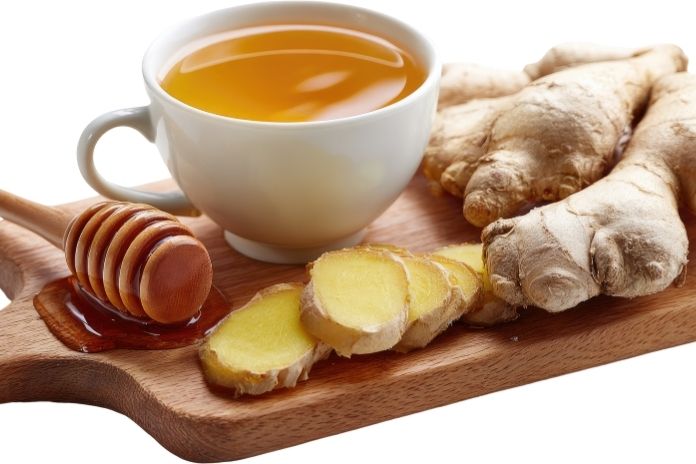
Honey coats the mucous membranes, forming a protective barrier that reduces irritation and calms the nerve endings that trigger the swallowing reflex. Mayo Clinic specifically lists warm water with honey as a comfort measure for tonsillitis.
Warm broths provide hydration alongside anti-inflammatory compounds such as glycine found in bone broth. Chamomile and ginger teas contribute mild anti-inflammatory and soothing effects without caffeine.
Avoid Irritants and Manage Fever Safely
Spicy or acidic foods worsen mucosal inflammation and swallowing pain. Cigarette smoke, direct or secondhand, is both a mucosal irritant and an immunosuppressant. Alcohol dries the throat and disrupts the sleep that recovery depends on.
For fever, ibuprofen at standard adult doses is appropriate when the temperature climbs above 101 degrees Fahrenheit. Low-grade fever without significant discomfort does not require medication. Keeping a fever log from day one helps assess the trajectory if physician involvement becomes necessary later in the week.
Day 2: Support Immune Response and Reduce Swelling
Continue Hydration and Introduce Soft Foods
By day two, the throat may feel slightly worse before improving. Electrolyte-enhanced fluids, coconut water, or diluted sports drinks support hydration efficiency, especially when a fever has been running since day one.
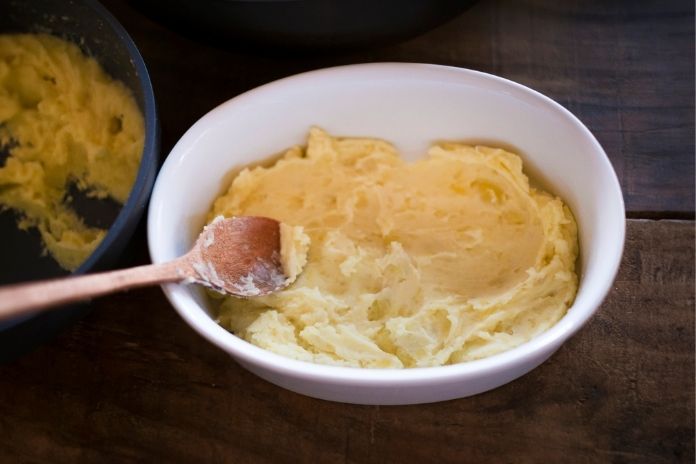
Soft foods, including yogurt, mashed potatoes, scrambled eggs, applesauce, and smoothies, provide the calories and protein the immune system needs to sustain its response, without demanding painful swallowing effort. Skipping meals to avoid discomfort compounds fatigue and slows immune recovery.
Humidified Air, Steam, and Gentle Throat Soothing
Dry air thickens mucus secretions and increases swallowing friction in already inflamed tissue. A cool-air humidifier in the bedroom overnight reduces this effect significantly. Steam from a hot shower or bathroom provides a more immediate benefit by loosening secretions and reducing mucosal dryness.
Honey lozenges or honey taken directly from a spoon continue the mucilage coating benefit throughout the day between warm drinks.
Dr. Gene Liu, MD, FACS, board-certified ENT specialist and pediatric otolaryngology expert at Cedars-Sinai, has confirmed that no one can tell whether tonsillitis is viral or bacterial from appearance alone, that a strep test is required for that determination, and that “as long as you have tonsils, they can get infected and they can get swollen,“ underscoring that consistent home management is the foundation of recovery for confirmed viral cases.
Read More: Apple Cider Vinegar for Sore Throat
Day 3: Improve Comfort and Restore Normal Swallowing

Introduce Nutrient-Rich Soft Meals
By day three, the inflammatory peak of viral tonsillitis is typically passing. Soft but more nutritious options can now be introduced: soft-cooked lentils, mashed sweet potato, avocado, ricotta, and soft fish provide protein and micronutrients without requiring difficult swallowing mechanics.
Continuing the saltwater gargle and warm fluid routine maintains osmotic and soothing benefits on still-swollen tonsils and reduces secondary bacterial load in the throat.
Monitor Symptom Improvement and Gradual Activity
Day three is the key trajectory checkpoint. Swallowing should be less painful than on day one, fever should be lower than its peak, and energy levels should show at least modest improvement.
If swallowing has become more difficult rather than less, if a high fever is persisting, or if pain has shifted to and intensified on one side, those are clinical signals requiring physician contact rather than continued home management.
Light movement, such as a slow walk, is appropriate if the fever has resolved or is minimal. Intense exercise diverts immune resources and should be waited until day five or six.
Day 4: Assess Recovery and Prevent Flare-Ups
By day four, most people with uncomplicated viral tonsillitis swallow more easily, see visibly less redness, and report improved energy as the fever fully resolves. Mild residual soreness in the morning, before warm fluids are taken, is normal.
Transitioning back to a regular diet should be gradual: pasta, soft bread, rice, and cooked vegetables before returning to rough-textured, acidic, or spicy foods. Replace toothbrushes after recovery, avoid sharing utensils during the contagious period, and maintain hand hygiene to reduce re-exposure risk.
Foods and Drinks That May Help Tonsillitis Recovery
Warm honey water, chamomile or ginger tea, bone broth, yogurt, mashed foods, cold popsicles, and ice chips form the practical core of a tonsillitis diet. Honey provides both mechanical mucosal coating and mild antimicrobial properties. Cold options deliver local anti-inflammatory and temporary analgesic relief through temperature reduction of inflamed tonsillar tissue.
Hard, crunchy, or sharp-textured foods, including toast, crackers, chips, raw vegetables, and nuts, abrade inflamed tonsillar tissue and worsen pain significantly. Spicy foods amplify the inflammatory response in an already sensitized mucosa.
Alcohol disrupts sleep and dries the throat, directly counteracting two of the most important recovery mechanisms. Highly acidic foods and carbonated drinks irritate the mucosal lining further and should be avoided for at least five days of recovery.
A practical approach is warm fluids in the morning to relax the throat and deliver the benefit of honey or herbal compounds most effectively, followed by cooler or room-temperature options in the afternoon to reduce persistent tonsil swelling. Cold popsicles or ice chips before bed reduce overnight tissue edema and make morning swallowing somewhat less severe.
Common Mistakes That Can Slow Recovery
Dehydration is the most avoidable recovery mistake. Pain during swallowing makes people drink less, but reduced fluid intake thickens mucus, impairs mucosal immunity, and worsens throat discomfort in a reinforcing cycle. Setting a timer to sip every 15 to 20 minutes maintains hydration without requiring large, painful swallows.
Overusing throat-clearing creates mechanical trauma on inflamed tissue; steam and warm fluids address the mucus buildup more effectively without further irritation. Returning to a normal diet before swallowing is pain-free, but it commonly sets recovery back by a day or two.
And ignoring worsening symptoms after an initial improvement period is the most clinically significant error, as peritonsillar abscess characteristically develops after two to three days of apparent recovery and requires immediate medical drainage.
When Tonsillitis Needs Medical Evaluation

Persistent fever beyond four to five days, inability to swallow even small sips of fluid, severe one-sided throat pain, a muffled or hot-potato voice quality, difficulty fully opening the mouth, or any breathing concern all require immediate medical evaluation. These symptoms indicate a possible peritonsillar abscess, airway compromise, or severe bacterial infection that home care cannot resolve.
Dr. Udayan Shah, MD, FACS, FAAP, a pediatric ENT specialist and tonsillitis guideline contributor at Medscape, has noted that Group A Streptococcal infection confirmed by testing warrants antibiotic treatment both to accelerate recovery and to prevent serious complications, including rheumatic fever.
The InformedHealth.org NCBI overview notes that peritonsillar abscess occurs in no more than one to ten out of every 1,000 people who see a doctor for a sore throat, but its presentation, marked by unilateral pain, voice changes, and difficulty opening the mouth, is unmistakable and should never be confused with ordinary worsening.
Who Should Not Rely on Home Care Alone
Children under five are at higher risk of dehydration and airway complications and cannot reliably communicate worsening symptoms. Immunocompromised individuals, including those on chemotherapy or chronic steroids, cannot mount the standard self-limiting immune response that makes viral tonsillitis manageable at home.
People with seven or more tonsillitis episodes per year, or five per year for two consecutive years, meet American Academy of Otolaryngology criteria for tonsillectomy consideration and should be under ENT evaluation rather than repeatedly managing episodes independently.
Anyone showing the classic cluster of bacterial infection signs, including fever above 101 degrees, exudate, swollen anterior cervical lymph nodes, and absence of cough, warrants strep testing before defaulting to home management alone.
Read More: Can Garlic and Honey Help a Cold? What the Evidence Says
Key Takeaway: Tonsillitis Recovery Without Antibiotics
Most mild tonsillitis cases, particularly viral ones, resolve with consistent and structured supportive care. The four-day tonsillitis recovery roadmap works by front-loading comfort measures, sustaining mucosal hydration, protecting inflamed tissue from further irritation, and giving the immune system the rest and nutrition it needs to clear the infection.
Saltwater gargles, warm fluids with honey, humidified air, soft nutrition, and OTC anti-inflammatory pain relief address every dimension of recovery without unnecessary antibiotic exposure.
According to the InformedHealth.org NCBI research summary, antibiotics shorten sore throat duration by half a day to one day on average, a modest benefit weighed against side effects and antibiotic resistance implications in viral cases.
Home remedies for tonsillitis are not passive waiting. They are active, targeted interventions that reduce swelling, protect the mucosal surface, and support the immune clearance of infection.
The goal by day four is clear directional improvement: easier swallowing, resolving fever, visible reduction in tonsil redness, and returning appetite. If that trajectory is absent or if any red flag symptom appears at any point during the recovery process, medical evaluation takes priority without delay.
References
- Anderson, J., & Paterek, E. (2023). Tonsillitis. StatPearls [Internet]. StatPearls Publishing.
- Institut für Qualität und Wirtschaftlichkeit im Gesundheitswesen (IQWiG). (2023). Tonsillitis: Research summaries. Do antibiotics make sore throats go away quicker? InformedHealth.org. National Library of Medicine.
- Liu, G. C. (n.d.). When is a sore throat actually tonsillitis? Cedars-Sinai Blog.
- Mayo Clinic. (2024). Tonsillitis: Diagnosis and treatment.
- Shah, U. K. (2024). Tonsillitis and peritonsillar abscess guidelines. Medscape.
- Wilcox, C. R., Moore, M., & Little, P. (2022). Use of antibiotics for acute sore throat and tonsillitis in primary care. British Journal of General Practice, 72(716), 136–137.
- Vicks. (n.d.). 10 remedies to soothe your sore throat pain.
- Max Healthcare. (n.d.). Home remedies for sore throat.
- Mayo Clinic. (2025). Sore throat: Diagnosis and treatment.
- National Health Service (NHS). (2024). Sore throat.
- Penn State Health News. (2023, December). The medical minute: Five home remedies can soothe your sore throat.
- Sakra World Hospital. (n.d.). 7 home remedies for sore throat.
In this Article