















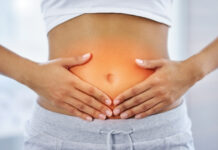


Upper abdominal discomfort after a meal is one of the most common complaints people bring to their doctors and one of the most commonly misattributed. Most people assume it is heartburn. They reach for an antacid, wait it out, and move on. Most of the time, they are right. Heartburn is extremely common, affecting an estimated 60 million Americans at least once a month.
The problem is that not all upper abdominal pain is gastroesophageal reflux disease (GERD). Some of it is biliary colic, the cramping pain of a gallstone blocking the bile duct. Some of it is acute cholecystitis, an inflamed gallbladder that needs urgent medical attention. And some of it is something in between, a pattern that has been going on quietly for months before the symptoms escalate into an emergency.
According to a 2023 PMC review of global gallbladder and biliary disease burden, gallstone disease affects more than 20 million adults in the United States, with biliary colic symptoms present in up to 20% of those with stones.
That is a significant portion of the population carrying a condition that, when it flares, can look convincingly like the heartburn they have dismissed before. Knowing the difference between a gallbladder attack vs. heartburn is not just useful health knowledge. In certain situations, it is the distinction that determines whether someone calls their doctor or ends up in the emergency room.
- Gallbladder attacks and heartburn may feel similar after eating, but they’re completely different conditions that need different treatment approaches.
- Key differences come down to pain location, intensity, duration, and associated symptoms; mixing them up can delay serious care.
- Warning signs of a gallbladder attack include upper right abdominal pain, fever, jaundice, or pain spreading to the back or right shoulder.
- Severe pain that doesn’t ease with position changes is a red flag; don’t rely on antacids. Get medical help immediately.
Gallbladder Attack vs. Heartburn: What’s the Difference?
Where the Pain Is Felt
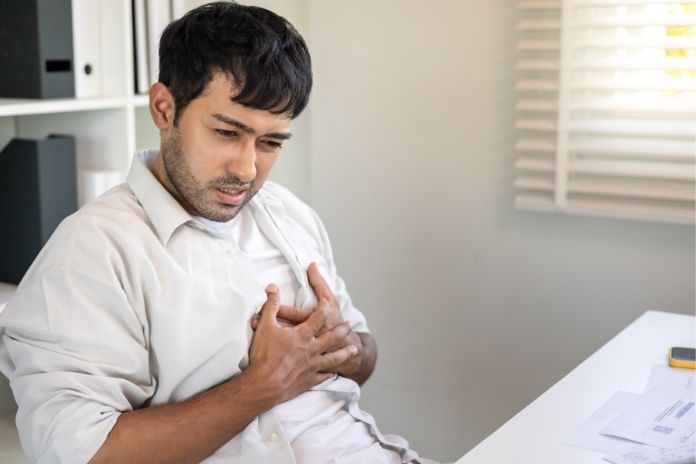
This is the most immediately useful differentiator. Heartburn produces a burning sensation behind the breastbone, in the center of the chest, often radiating upward into the throat. It may feel like chest pressure or a hot, acidic sensation rising from the stomach. It is centrally located and typically does not move to the side.
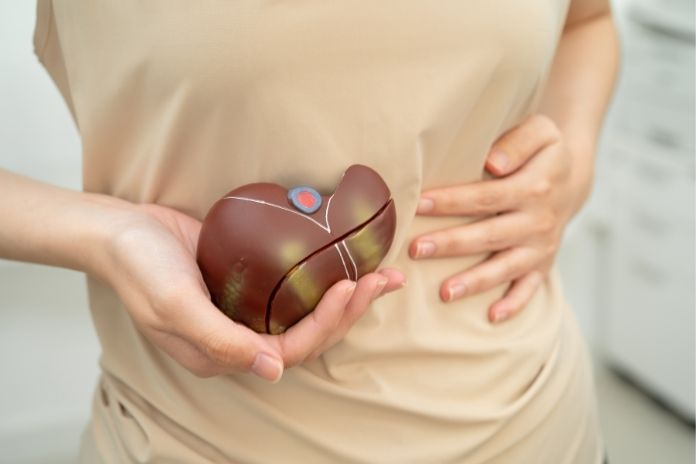
Gallbladder attack symptoms vary in severity and location. The pain of biliary colic or acute cholecystitis originates in the upper right abdominal pain region, specifically beneath the right rib cage, where the gallbladder sits.
It can also radiate to the center of the upper abdomen, just below the sternum, which is where the overlap with heartburn and confusion begins. Some patients describe a deep, aching pressure rather than a burning sensation.
Dr. Kyle Staller, MD, MPH, explains the gallbladder’s function and what goes wrong when stones obstruct it: “When you eat, your gallbladder contracts and shoots bile into the intestine. That serves as soap to help break up fats,” he told SELF, noting that when a gallstone gets wedged inside the duct, the result is distinctly severe: “It’s exquisitely painful.”
What Triggers Each Condition
Heartburn is triggered by acidic foods, spicy foods, caffeine, alcohol, eating large meals, lying down after eating, or anything that relaxes the lower esophageal sphincter and allows stomach acid to reflux upward. Symptoms often begin during or shortly after the triggering food or behavior.
Gallbladder attack symptoms are most commonly triggered by fatty or heavy meals, which stimulate vigorous gallbladder contractions that can force a gallstone into the cystic or common bile duct. This is why gallstone symptoms often emerge after a high-fat meal: a cheeseburger, a creamy pasta dish, or fried food.
The gallbladder does not distinguish between healthy and unhealthy fats in this context. The trigger is the hormonal signal to contract.
How Long Does the Pain Typically Last
Heartburn comes and goes. It typically builds within an hour of eating, can worsen with lying down, and often improves within 30 to 60 minutes with an antacid, water, or sitting upright. Persistent heartburn that does not respond to these measures warrants evaluation, but the typical episode is relatively short-lived and positionally modifiable.
Biliary colic lasts longer and does not respond to position changes or antacids.
The StatPearls clinical review of cholelithiasis on PubMed describes biliary colic as intermittent, post-prandial pain in the right upper quadrant that can also radiate to the epigastrium, with the distinguishing characteristic that once a gallstone becomes impacted, the pain becomes constant and progressive rather than episodic.
A typical episode can last anywhere from 30 minutes to several hours without resolving.
Read More: How to Treat Heartburn
5 Signs Your Upper Right Abdominal Pain May Be an Emergency
1. Severe, Steady Pain That Doesn’t Improve With Position Changes
Heartburn is modified by position. Sitting up, walking around, or taking an antacid typically produces at least partial relief. Gallbladder attack symptoms do not behave this way. The pain of acute cholecystitis is constant, does not improve when you shift position, and may make it difficult to find any comfortable posture at all.
If you are moving around searching for a position that relieves the pain and nothing helps, that pattern distinguishes signs of a gallbladder emergency from routine acid reflux.
2. Pain That Spreads to Your Back or Right Shoulder
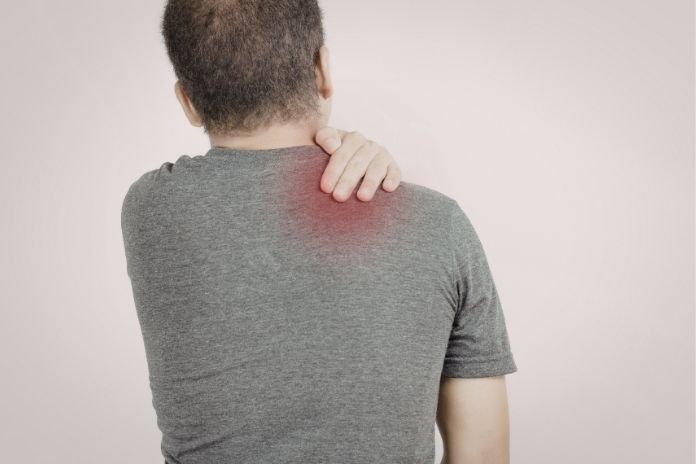
Gallbladder pain radiating to the back or to the tip of the right shoulder is a well-documented clinical pattern caused by referred pain from the inflamed gallbladder pressing on the diaphragm, which shares nerve pathways with the right shoulder.
The PubMed epidemiology review notes that this radiation pattern to the right scapular region is one of the defining features of biliary colic that helps distinguish it from other causes of upper abdominal pain. Heartburn does not radiate to the shoulder or back in this way.
If your upper abdominal pain is accompanied by a deep aching sensation in your right shoulder blade or mid-back, the gallbladder should be on the differential.
3. Fever, Chills, or Signs of Infection
Heartburn does not produce fever. Acute cholecystitis does. When a gallstone becomes impacted in the cystic duct for more than a few hours, the gallbladder becomes inflamed and, in many cases, infected with gut bacteria. The result is the classic triad of cholecystitis: right upper quadrant pain, fever, and elevated white blood cell count.
Chills, sweating, and shaking accompany the fever in more severe cases. This combination of upper right abdominal pain causes with fever is a sign of a gallbladder emergency that requires urgent evaluation, not watchful waiting.
4. Yellowing of Skin or Eyes (Jaundice)
Jaundice symptoms represent a different and more serious complication. When a gallstone completely obstructs the common bile duct rather than the cystic duct, bile cannot drain from the liver into the intestine at all. Bilirubin backs up into the bloodstream, producing the yellowing of skin and the whites of the eyes that characterizes jaundice.
Bile duct obstruction of this kind can escalate rapidly into cholangitis, a life-threatening infection of the bile duct, or biliary pancreatitis, if the obstruction extends to the pancreatic duct junction.
Jaundice symptoms in the context of abdominal pain are never a wait-and-see situation. Emergency department evaluation is the appropriate response.
5. Dark Urine or Pale Stools
These two signs together are among the most specific indicators of bile duct obstruction. When bile cannot flow normally into the intestine, it is reabsorbed into the bloodstream and excreted through the kidneys, turning urine tea-colored or dark brown.
At the same time, the absence of bile from the intestine means stool loses the pigment that bilirubin normally provides, producing pale, clay-colored, or grey stools. This digestive vs biliary pain distinction is important: neither symptom occurs with heartburn, and both together with upper abdominal pain should prompt same-day emergency evaluation.
Read More: Upper Abdominal Pain: Causes, Symptoms, Treatment, and Prevention
Other Symptoms That Can Occur With a Gallbladder Attack
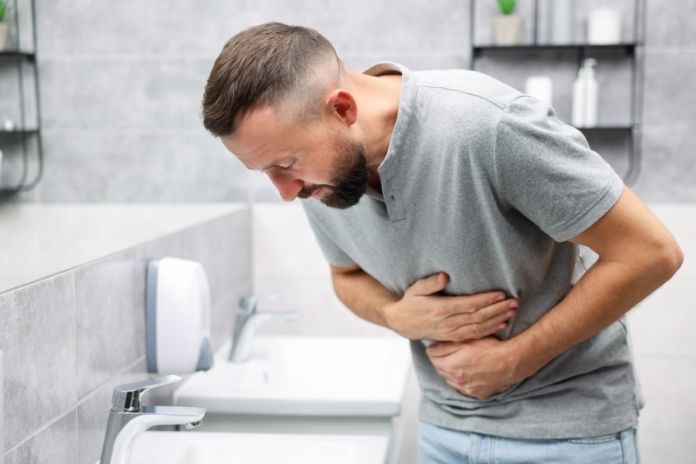
Beyond the five emergency red flags, a gallbladder attack often produces a cluster of associated symptoms that help confirm the diagnosis. Nausea and vomiting commonly accompany biliary colic and cholecystitis, triggered by both the pain itself and by the interruption of normal bile flow into the intestine.
Bloating and a sense of fullness that persists for hours after eating are common, particularly with the fatty meal trigger. Tenderness in the upper right abdomen on palpation, what clinicians call a positive Murphy’s sign when the patient inhales while the examiner presses below the right rib margin, is a bedside finding strongly associated with acute cholecystitis.
Dr. Rudolph Bedford, MD, puts the silent gallstone reality plainly: “Plenty of people are clueless that they have gallstones because they have no symptoms,” he told SELF. The implication is that a first gallbladder attack can arrive without warning in someone who has had no prior indication of disease.
When It’s More Likely to Be Heartburn
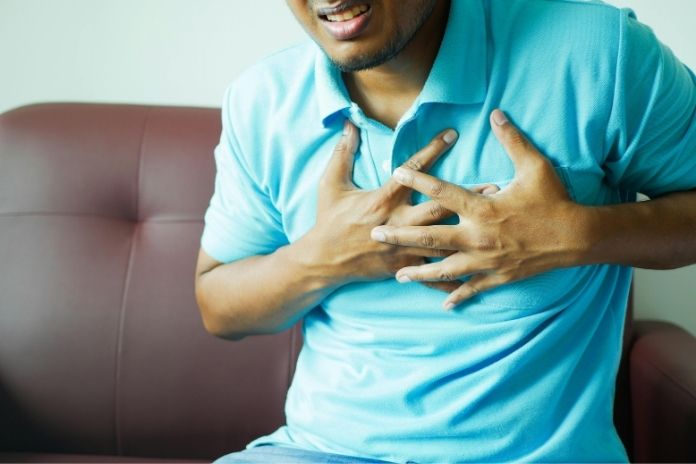
The pattern of gastroesophageal reflux disease (GERD) is distinct enough when classic that it usually does not require emergency evaluation.
A burning sensation that rises from the upper stomach into the chest and throat, a sour or acidic taste in the mouth, symptoms that worsen with lying down or bending forward, symptoms that began during or within an hour of a triggering food, and relief with antacids, water, or sitting upright all point toward GERD rather than a gallbladder attack vs. heartburn dilemma.
A PMC clinical overview of GERD confirms the classic presentation: retrosternal burning that radiates upward, often worse postprandially and in the recumbent position, with a prevalence of 18 to 28% in North America.
The key distinguishing features from gallbladder attack symptoms are the central chest location, the burning quality, the positional and antacid responsiveness, and the complete absence of fever, jaundice, shoulder radiation, or dark urine.
Persistent heartburn occurring more than twice a week, heartburn that does not respond to over-the-counter antacids, or any heartburn accompanied by difficulty swallowing, unexpected weight loss, or vomiting should also be evaluated by a physician rather than self-managed indefinitely.
When to Seek Immediate Medical Care

The threshold for emergency evaluation in a suspected gallbladder attack is lower than most people realize because the complications of untreated acute cholecystitis and bile duct obstruction escalate quickly.
Seek emergency care immediately for severe upper right abdominal pain lasting more than four to six hours without improvement or any pain accompanied by a fever above 38°C or 100°F; gallbladder pain radiating to the back or right shoulder; any visible yellowing of skin or eyes indicating jaundice symptoms; dark urine or pale stools; vomiting that prevents oral hydration; or pain that prevents you from finding a comfortable position.
When to go to the ER for abdominal pain is not always clear-cut for milder presentations of biliary colic, but the presence of any of the above features removes the ambiguity. Call your doctor for the same day if pain is moderate and recurrent but without fever or jaundice, particularly if it has a clear fatty meal trigger and lasts several hours.
How Gallbladder Attacks Are Diagnosed
Physical Examination and Symptom History
A thorough history of the pain’s location, character, duration, trigger foods, and associated symptoms is often enough to generate a strong clinical suspicion of gallbladder attack symptoms before any testing is done.
Murphy’s sign on physical examination, right upper quadrant tenderness on palpation, and pain that worsens on deep inspiration all support the diagnosis.
Ultrasound Diagnosis of Gallstones
Abdominal ultrasound is the first-line and most accurate imaging test for ultrasound diagnosis gallstones. It identifies gallstones with a sensitivity above 95% and can detect thickening of the gallbladder wall, pericholecystic fluid, and common bile duct dilation that indicate complications beyond simple biliary colic. Ultrasound diagnosis of gallstones is non-invasive, radiation-free, and widely available.
Dr. Christine Lee, MD, has noted in her clinical work on upper GI conditions that differentiating GERD from biliary pain is one of the most common diagnostic challenges in outpatient gastroenterology and that imaging combined with a careful symptom history resolves the vast majority of ambiguous presentations.
The upper GI tract conditions that most commonly mimic each other, she explains, are those where the symptom location overlaps despite entirely different underlying mechanisms.
Additional imaging, including HIDA scan, MRI with MRCP, or CT of the abdomen, may be ordered when ultrasound findings are inconclusive or when complications like bile duct obstruction or pancreatitis are suspected.
Blood Tests
A complete blood count assessing white blood cell elevation confirms infection in cholecystitis. Liver function tests, including bilirubin, ALT, AST, and alkaline phosphatase, indicate bile duct obstruction when elevated. Lipase and amylase assess for concurrent pancreatitis.
Treatment Options for Gallbladder Pain

Short-Term Management
Acute pain management in the emergency setting includes intravenous fluids, pain medication, and antibiotics when infection is present. Dietary restriction to low-fat foods reduces gallbladder stimulation during recovery from an acute episode.
Biliary colic that resolves without fever or jaundice symptoms may be managed conservatively pending elective cholecystectomy, but recurrence is common, and most gastroenterologists and surgeons recommend definitive treatment after a symptomatic episode.
Long-Term Treatment
The StatPearls review of cholelithiasis confirms that laparoscopic cholecystectomy, surgical removal of the gallbladder, is the definitive treatment for symptomatic gallstone disease and acute cholecystitis. One million cholecystectomies are performed annually in the United States, making it one of the most common elective surgeries performed.
As Dr. Bedford noted about life without the gallbladder, the organ stores bile but does not produce it, and the liver continues producing bile that flows directly into the intestine after removal, meaning most people function normally without any long-term dietary restrictions beyond the first few weeks of recovery.
Key Takeaway: Don’t Ignore Persistent Upper Right Abdominal Pain
Heartburn is common and manageable. But not all upper right abdominal pain causes are heartburn, and the consequences of misidentifying a gallbladder attack as acid reflux can be significant if complications develop while treatment is delayed.
The five warning signs that distinguish signs of a gallbladder emergency from routine GERD: severe, steady pain that does not respond to position changes or antacids, gallbladder pain radiating to the back or right shoulder, fever and chills, jaundice symptoms, and dark urine or pale stools. Any one of these elevates the urgency considerably. Any combination of them is a medical emergency.
Gallstone symptoms can remain silent for years before a first attack, and that first attack can be dramatic. If upper abdominal pain does not fit the classic heartburn pattern, particularly if it came on after a fatty meal, lasted hours, and produced nausea or back pain, it warrants medical evaluation rather than a second antacid.
Medical Disclaimer: This article is for informational purposes only and does not constitute medical or emergency advice. If you are experiencing severe abdominal pain, fever, jaundice, or any combination of the symptoms described above, seek emergency medical care immediately.
References
- Bhagat, V. (2023). What can you eat after gallbladder surgery? Geisinger Health.
- Bedford, R., & Staller, K. (2020). 14 gallbladder attack symptoms to look out for. SELF / Yahoo Lifestyle.
- Jones, M. W., Weir, C. B., & Marietta, M. (2023). Cholelithiasis. StatPearls / PubMed.
- Lee, C. (2019). What can go wrong in the upper GI tract. Cleveland Clinic Health Essentials Podcast.
- Li, Z. Z., et al. (2023). Global, regional, and national burden of gallbladder and biliary diseases from 1990 to 2019. World Journal of Gastrointestinal Surgery / PMC.
- Richter, J. E., & Rubenstein, J. H. (2018). Presentation and epidemiology of gastroesophageal reflux disease. Gastroenterology / PMC.
- Shaffer, E. A. (2005). Epidemiology and risk factors for gallstone disease: has the paradigm changed in the 21st century? Current Gastroenterology Reports / PubMed.
- Austin Surgeons. (2022, July 1). Heartburn vs gallbladder disease: How to tell the difference.
- Premier Surgical Associates. (2016, December 6). Gallbladder problems vs acid reflux.
- GEM Hospitals. (n.d.). Gallbladder pain vs indigestion.
- GastroMed Clinic. (n.d.). Gallbladder disease and GERD: Understanding the connection and finding relief.
- Private Surgeon Milton Keynes. (n.d.). Gallstones vs indigestion: How to tell the difference.
- Dr. Howard Surgery. (n.d.). Is your upper abdominal pain acid reflux or a gallbladder attack?
In this Article