




















Although many “high-fiber” snacks seem healthful, they frequently don’t actually help your digestive system. It is because different types of fiber function differently. The best fiber for a gut microbiome depends on its quality, diversity, and how it interacts with your digestive system, not just the total fiber content.
Because they rely on isolated or processed prebiotic fiber, which lacks the complexity required for effective fermentation in the colon and long-term gut benefits, many so-called healthy snacks’ gut bacteria claims are deceptive.
In this article, we’ll uncover why many high-fiber snacks not helping gut health fall short and highlight the most effective fibers your body actually needs for better digestion and overall wellness.
- Not all high-fiber snacks improve gut health; quality and diversity matter more than total fiber.
- Resistant starch, beta-glucans, pectin, and arabinoxylans best support microbiome balance.
- Whole, minimally processed foods outperform processed “fiber” snacks for digestion and gut health.
Read More: Beyond Yogurt: 5 Fermented Foods That Support Gut Health on a Dairy-Free Diet
Why Some “Healthy” Snacks Don’t Support Gut Microbes
If you want to have a healthy gut, your gut microbiome—the group of bacteria in your digestive system—must be balanced. Proper digestion, vitamin absorption, and general gut health are all facilitated by a healthy gut flora. Stronger immunity, better mental health, and lower risk of developing any chronic illnesses are all benefits of a healthy gut.
Consuming foods that harm your gut microbiota can lead to inflammation, imbalances, and an increased risk of digestive problems, like irritable bowel syndrome (IBS). A diet heavy in processed foods, sugar, and harmful fats can contribute to type 2 diabetes, heart disease, and weight gain. Foods that encourage the growth of undesirable bacteria, yeast, and fungi are detrimental to gut health.
Abrupt Increase in Fiber: A lot of nutritious foods are high in fiber, including fruit, vegetables, whole grains, nuts, and legumes. Long-term gut health benefits greatly from fiber. However, your digestive system can struggle to adapt if you raise it too soon.
Gut bacteria ferment fiber. If your digestive system isn’t accustomed to consuming a lot of fiber, you may experience discomfort:
- Bloating
- Gas
- Cramping
- Bowel movement changes
High-FODMAP Meals: Several incredibly healthful meals contain fermentable carbohydrates known as FODMAPs. During digestion, they might draw water into the stomach and create gas. Broccoli, cauliflower, onions, garlic, apples, pears, beans, and several whole grains are common high-FODMAP foods.
Raw Vegetables: Compared to cooked vegetables, raw vegetables are more difficult to digest, yet still very nutritious. Cooking facilitates digestion and breaks down certain fibers. Your body could prefer steamed veggies, roasted vegetables, and softly sautéed greens if big raw salads make you bloated.
Why Fiber Diversity Matters for Microbiome Health
Beyond aiding digestion, a healthy gut is essential for immunity, metabolism, and overall health. One potent food, fiber, lies at the core of healthy gut flora. Fiber supports the good bacteria that maintain a healthy digestive system and optimal bodily functions, even though people frequently disregard it.
In addition to keeping us regular, fiber promotes a healthy gut microbiota, which is essential for general health. According to studies, consuming adequate fiber improves gut health, boosts immunity, lowers inflammation, and lowers the risk of heart disease, heart stroke, hypertension, obesity, Type 2 diabetes, and several malignancies, including breast and colon cancer.
Despite the Institute of Medicine’s recommendation of 19–38 grams of fiber daily, national surveys indicate that 95% of Americans do not consume enough fiber.
The indigestible portion of plant food that your body cannot absorb is called fiber. Fiber comes in two types, soluble and insoluble, and foods high in fiber typically contain both.
As soluble fiber passes through your digestive system, it can absorb around 15 times its weight in water. Fiber not only makes stool softer and its passage quicker but also stabilizes glucose absorption and lowers the absorption of fat and cholesterol. Controlling hunger is another benefit of slowing digestion.
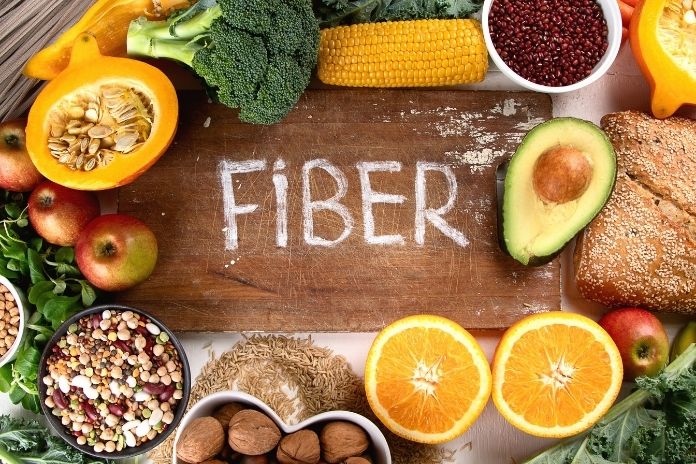
The following foods are the best providers of soluble fiber:
- Legumes (any type of beans, such as kidney, black, pinto, white, lima, navy, chickpea, edamame, and peas)
- Oats
- Tofu
- Avocado
- Brussels sprouts
- Sweet potato
- Broccoli
- Pumpkin
The skin and structure of fruits and vegetables include insoluble fiber, often called roughage, which gives these foods their crunch. Insoluble fiber draws water into the feces rather than dissolving in it, softening it and facilitating its passage through the digestive system. Fiber helps prevent constipation and hemorrhoids and encourages regular bowel movements.
The following foods are the best providers of insoluble fiber:
- Whole wheat goods, such as bread and pasta, are made entirely of whole wheat.
- Oatmeal and oat bran
- Legumes: any type of bean, such as kidney, black, pinto, white, lima, navy, chickpea, edamame, and peas
- Blackberries, blueberries, raspberries, and strawberries are examples of berries
- Whole grains, like brown rice, quinoa, rye, barley, and amaranth
Read More: How Your Gut Microbiome Secretly Regulates Blood Pressure
The 4 Fibers That Actually Support Your Microbes
1. Resistant Starch (Type 3)
With an average frequency of 16% in adults globally, constipation is a global health concern that affects people of all ages.
Doctors refer to constipation lasting more than three months as chronic constipation, and it causes nearly one million hospital visits in the US each year.
Unlike other carbs in your diet, resistant starches are different. They are a type of fiber found in foods high in carbohydrates but not absorbed by the digestive system. Rather, they remain undigested as they go from the small intestine into the large intestine. Here, the body ferments resistant starch into short-chain fatty acids, which support the growth of beneficial gut flora.
Many whole foods, including starchy vegetables, bananas, beans, nuts, and seeds, contain resistant starch. Resistant starch can reduce a food’s glycemic index, depending on how you prepare it. To achieve this effect, cook and chill potatoes, pasta, and rice.
Resistant dietary starches may increase insulin sensitivity, glucose time in range, and even digestion, according to research.
One of the best fibers for the gut microbiome is resistant starch type 3, which passes through the small intestine undigested and into the colon unaltered.
Cooking and cooling physically alter type 3 resistant starches. Bread, tortillas, cooked and chilled potatoes, rice, and pasta are some of the sources.
2. Beta-Glucans
The beta-glucanase enzyme breaks down beta-glucans, a type of dietary soluble fiber that supports the body’s innate immune response. Although the body cannot produce beta-glucans on its own, you can incorporate several readily digestible sources into a healthy lifestyle through diet or supplements.
Although the immune system is the main advantage of beta-glucans, it’s crucial to remember that, as dietary fiber, they also support heart health, optimal insulin sensitivity, and digestive health. Researchers have also discovered that the beta-glucans found in mushrooms support a normal inflammatory response.
Although bacteria, yeast, and plants are the usual sources of beta-glucans, some of the most well-known food-based sources of beta-glucans include:
- Mushrooms, such as maitake, shiitake, and reishi
- Seaweed
- Brewer’s yeast
- Baker’s yeast
- Whole grains, like wheat, bran, and oats
- Barley
3. Pectin
The cell walls of fruits and vegetables naturally contain a material called pectin.
Certain fruits naturally contain more pectin than others. For instance, compared to fruits like cherries, grapes, and other tiny berries, apples, carrots, oranges, grapefruits, and lemons contain significantly higher levels of pectin. Pectin is especially abundant in citrus fruits.
Although pectin occurs naturally in fruits and vegetables, manufacturers can isolate it from plants and use it as a versatile thickening agent in food preparation.
Fruit preserves, jams, and jellies are frequently thickened with extracted pectin because it functions as a gelling agent.
Pectin can provide the necessary texture without the need for extra sweeteners, so manufacturers also use it in a variety of low- and sugar-free products.
Pectin is also present in certain pharmaceuticals and dietary supplements.
Fruits and vegetables contain pectin, which contributes to the dietary fiber we need for healthy digestion, intestinal health, and the immune system.
It’s crucial to remember that consuming whole fruits and vegetables provides more dietary fiber than using fruit-derived pectin extracts as a thickener for jams, jellies, and other dishes.
Pectin-containing high-sugar jams and jellies are tasty, but they shouldn’t take the place of a balanced, high-fiber diet.
4. Arabinoxylans
The bran of cereal grains like wheat, oats, and corn is the primary source of arabinoxylan, a complex dietary fiber. Side chains, ferulic acid groups connected by hydrogen bonds, and arabinose residues make up its structure.
Arabinoxylan is advantageous for human health, especially in gut health and lipid metabolism, due to its unique solubility and stability in food systems, which are regulated by molecular weight and degree of branching.
Arabinose side chains and a xylan backbone give arabinoxylan a complex chemical structure. These elements, along with glucuronic acid and acetyl groups, influence its stability, solubility, and molecular weight. Its structure includes special xylose units and d-xylopyranose, which form hydrogen bonds that affect its function.
Wheat arabinoxylan is frequently extracted from cereal grains using steam pressure, microwave-assisted extraction, and chemical treatments. Technicians then use biochemical enzyme tests and endo-1,4-β-xylanase for diagnostic examination.
Whole grains, particularly those from cereals like wheat, rye, barley, and oats, are the main source of foods high in arabinoxylan. Whole-wheat products like whole-grain bread, pasta, and cereals are great sources of arabinoxylan, as wheat bran is very rich in it.
Read More: 6 Fermented Drinks You Should Drink for Gut Health (Backed by Evidence)
Signs Your Current Snacks May Be Missing These Fibers
Current snacks that may be missing fiber are:
- Bloating frequently occurs after consuming fiber snacks
- Heavy reliance on processed high-fiber snacks is not helping the gut
- Low consumption of plant-based foods
- Limited variety in your gut microbiome diversity and diet
These signs indicate your snacks may lack the best fiber for gut microbiome support.
How to Build a Microbiome-Friendly Snack
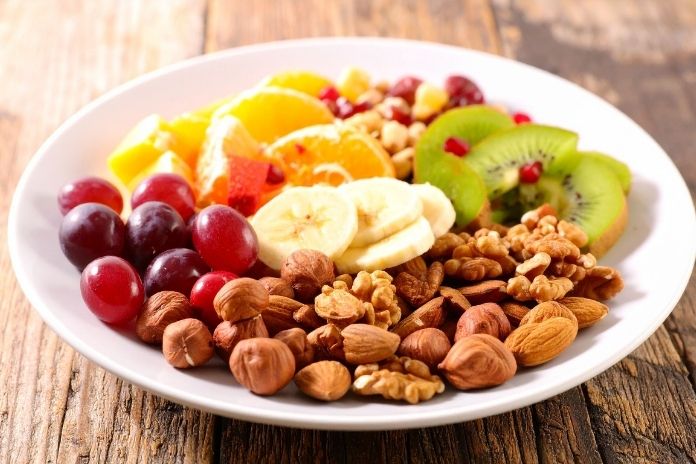
Combine Different Fiber Types: Instead of focusing on a single fiber, combine fiber types for gut health, such as resistant starch, pectin, and beta-glucans.
Combine Fiber with Foods High in Polyphenols: Foods high in polyphenols, such as green tea, dark chocolate, and berries, promote fermentation in the colon and microbial activity.
Incorporate Whole, Minimally Processed Ingredients: Whole foods naturally contain a mix of prebiotic fiber and nutrients, making them ideal for healthy snacks for gut bacteria.
Balance Hydration with Fiber Intake: Drinking enough water promotes gut lining health by facilitating the easy passage of fiber through the digestive tract.
Easy Snack Ideas That Deliver Multiple Fiber Types
Try these scrumptious snack options if you’re looking for something to eat in between meals. Each serving contains at least 3 grams of fiber, helping you feel full and energized. Additionally, they are rich in foods that promote a healthy gut microbiome, such as probiotics and/or prebiotics.
Crispy Roasted Edamame: You may eat this recipe for roasted edamame by the handful as a high-protein snack. The beans dry out and crisp without burning when roasted slowly at a low temperature. Savor them on their own or add some crunch to a salad.
Lemon-Strawberry Frozen Yogurt Bites: Made without added sugar, lemon-strawberry yogurt bites are the perfect frozen snack. They coat juicy strawberries with tart yogurt flavored with vanilla, lemon zest, and a hint of toasty spice, then cover them with a powdered layer of crushed freeze-dried strawberries.
Simple Black Bean Dip: This creamy bean dip is perfect for a picnic or party. If you don’t have the other spices on hand, you can use ordinary paprika and cayenne instead. Smoked paprika and ground chipotles offer a strong, earthy taste.
Raspberry Yogurt Parfait: A yogurt parfait is a nutritious, light snack. You can increase your fiber intake by layering your yogurt with fresh or frozen berries, such as raspberries. For healthy dose of protein, fiber, and lipids, you can add a handful of different nuts, like pecans and walnuts, on top of your yogurt.
Apple with Oats and Nuts: A straightforward snack that promotes gut health with polyphenols, prebiotic fiber, and other forms of fiber.
Read More: Best Probiotics for Gut Health: Strains That Actually Work and How to Choose
Introducing New Fibers Safely

Gradual Increase to Reduce Bloating: Consuming excessive amounts of prebiotic fiber at once may be uncomfortable. Gradually increase intake.
Importance of Hydration: Hydration is important because it improves fermentation in the colon and lessens digestive problems.
Individual Tolerance Variations: Everybody has a different microbiota. Adjust your gut microbiome diversity diet based on your body’s response.
Who May Need Extra Guidance
IBS or Sensitive Digestion: Some fibers may cause symptoms. To select the appropriate fiber types for gut health, consult a specialist.
Current Use of Antibiotics: Antibiotics disrupt microbiome diversity. A list of specific prebiotic fibers can help restore equilibrium.
Chronic Digestive Conditions: Individualized fiber consumption plans may be necessary for conditions that affect the gut lining.
Read More: 6 Gut Health Mistakes We Made Before Understanding Digestion
Conclusion
Not every type of fiber is beneficial to your digestive system. Maintaining a healthy digestive tract requires more than just selecting “high-fiber” products. What truly matters is selecting the best fiber for the gut microbiome, focusing on variety, quality, and whole-food sources.
Resistant starch, beta-glucans, pectin, and arabinoxylans are examples of fibers that have special functions in supporting good bacteria and enhancing intestinal health.
Relying too much on processed foods can reduce your intake of a variety of nutrients and, over time, negatively affect your gut health. Rather, incorporating natural, high-fiber foods into a balanced diet promotes general wellness and microbial equilibrium.
By understanding the right type of fiber for your gut health, you can make smarter dietary choices that support digestion, enhance nutrient absorption, and contribute to a stronger, more resilient microbiome over time.
References
- Gastroenterology Consultants of San Antonio. (2024, September 9). The top foods to avoid for a healthy gut.
- Ubie Health. (2026, February 28). Bloated? Why your gut rejects healthy food + medically approved steps.
- Sharon Brock, MEd, MS. (April 8, 2024). What is Fiber and Why is it Important for the Microbiome?:
- Mayo Clinic. (April 2, 2026). Why fiber matters: Essential foods for a healthy gut microbiome.
- T1D Exchange. Resistant starches: What a dietitian with T1D has to say.
- Scientific reports. (2024). Impact of resistant starch type 3 on fecal microbiota and stool frequency in Thai adults with chronic constipation randomized clinical trial.
- Holly Denton. (October 2021). Beta Glucans: All You Need to Know.
- Elisabeth Anderson. (September 9, 2024). Pectin.
- Ani Harutyunyan. (November 18, 2024). Arabinoxylan – Food Sources, Supplements, Structure, Dosage & More.
- Havranek, R. D. (2022, July 13). 5 gut-friendly snacks for summer.
In this Article