

















In May 2026, two cruise ships made global headlines within days of each other, and the confusion that followed was completely understandable. When people hear “norovirus vs. hantavirus” in the same news cycle, the natural question is: are these the same threat?
The short answer is no, and the difference between norovirus and hantavirus could not be more significant. The MV Hondius hantavirus outbreak involved the deadly Andes virus, caused hantavirus pulmonary syndrome, and resulted in three deaths.
The Caribbean Princess norovirus outbreak sickened over 100 passengers with a familiar stomach illness that resolved within days. These are not comparable events. The timing fooled a lot of people. Two ships, two outbreaks, one week apart. It looked like cruise ships were facing some new compound viral threat. They weren’t.
This article breaks down exactly what each virus is, how each one spreads, what it does to your body, and what the cruise ship virus outbreak 2026 data actually means for your travel plans, using the latest verified figures from the WHO, CDC, and peer-reviewed research.
- No, norovirus and hantavirus are completely different viruses with no biological relationship, different transmission routes, and vastly different mortality risks.
- The CDC estimates the hantavirus pulmonary syndrome case fatality rate at approximately 38% among patients with severe respiratory symptoms, compared to near-zero mortality in healthy adults infected with norovirus.
- For most cruise travelers, norovirus is the realistic concern; thorough handwashing with soap and water is your single most effective prevention tool.
- The WHO assesses global public risk from the MV Hondius hantavirus cluster as LOW. You do not need to cancel your cruise.
Norovirus vs Hantavirus: Quick Comparison Table
Before diving into the details, here’s the clearest side-by-side view of both viruses.
Norovirus vs. Hantavirus: Quick Comparison
| Feature | Norovirus | Hantavirus (Andes strain) |
|---|---|---|
| 🦠 Virus family | Caliciviridae | Hantaviridae (Bunyavirales) |
| 🐭 Animal reservoir | None. Humans only | Wild rodents (primarily the long-tailed pygmy rice rat in South America) |
| 🔄 Transmission | Person-to-person; contaminated food, water, surfaces |
Rodent urine/droppings/saliva; rare person-to-person (Andes only) |
| ⏳ Incubation period | 12–48 hours | 4–42 days |
| 🤒 Primary symptoms | Nausea, vomiting, diarrhea, cramps |
Fever, muscle aches, then rapid lung failure |
| 🏥 Disease name | Acute gastroenteritis | Hantavirus pulmonary syndrome (HPS) |
| 💊 Treatment | Supportive care; hydration |
Supportive care only; no approved antiviral |
| ⚠️ Case fatality rate | Near zero in healthy adults |
~38% in patients with severe respiratory symptoms (CDC) |
| 🚢 Cruise ship risk | Real and common | Effectively zero unless exposed to rodents in rural South America |
The 2026 Cruise Ship Context: Two Completely Separate Events
Let’s establish the facts clearly, because the 2026 cruise ship outbreak coverage blurred two unrelated situations.
MV Hondius (hantavirus): The Dutch expedition vessel MV Hondius departed on a South Atlantic voyage on April 1, 2026, carrying 147 passengers and crew from 23 countries. By late April, passengers began presenting with severe respiratory illness.
The WHO confirmed the outbreak on May 4, reporting seven cases and three deaths at that time. The Andes virus strain was identified on May 6. By May 13, the confirmed case count had risen to 11 total cases (eight confirmed, one inconclusive, and two probable), all among passengers.
The ship docked in Tenerife on May 10. Eighteen U.S. passengers were repatriated to the National Quarantine Unit at the University of Nebraska Medical Center; seven others who had returned earlier were monitored at home under state supervision. The CDC issued a Health Alert Network advisory (HAN 00528), its highest-priority alert level, to inform clinicians and public health departments nationwide about the outbreak.
As of May 18, the ECDC reported 12 total cases (nine confirmed, two probable, one inconclusive) and no new deaths since May 2. The MV Hondius arrived in Rotterdam on May 18 for decontamination. As of May 19, no confirmed U.S. cases of Andes virus have been reported, and 41 Americans remain under monitoring.
Caribbean Princess (norovirus): The Caribbean Princess departed Port Everglades on April 28, 2026, carrying 3,116 passengers. By May 7, the CDC’s Vessel Sanitation Program (VSP) confirmed that 102 passengers and 13 crew had reported gastrointestinal illness consistent with norovirus at that point in the voyage.
The CDC’s final case count, published May 11, was 145 passengers and 15 crew, a total of 160 people, out of 3,116 passengers and 1,131 crew. The outbreak triggered CDC reporting because it exceeded the VSP’s 3% threshold, which requires cruise lines to notify the agency when at least 3% of passengers or crew report gastrointestinal symptoms.
The ship docked at Port Canaveral on May 11, underwent comprehensive cleaning and disinfection before the next voyage. Zero deaths. Zero ICU admissions. This mandatory reporting is why cruise ship outbreaks are highly visible in the news, while the same virus spreading through restaurants or nursing homes often goes unreported.
The coincidence of timing created the impression these were related events. They shared a setting. Nothing else.
What Each Virus Is and Where It Comes From
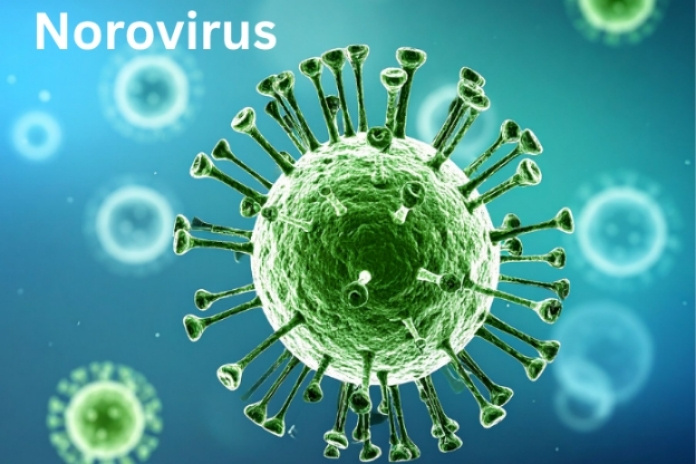
Norovirus is a calicivirus, the single most common cause of acute gastroenteritis (inflammation of the stomach and intestines) worldwide. It circulates exclusively in human populations; it has no animal reservoir.
The CDC estimates norovirus causes 19–21 million illnesses annually in the United States alone. Cruise ships are well-known high-risk environments because of close quarters, shared surfaces, and international passenger mixing, but norovirus outbreaks happen in schools, hospitals, and restaurants far more often than on ships.
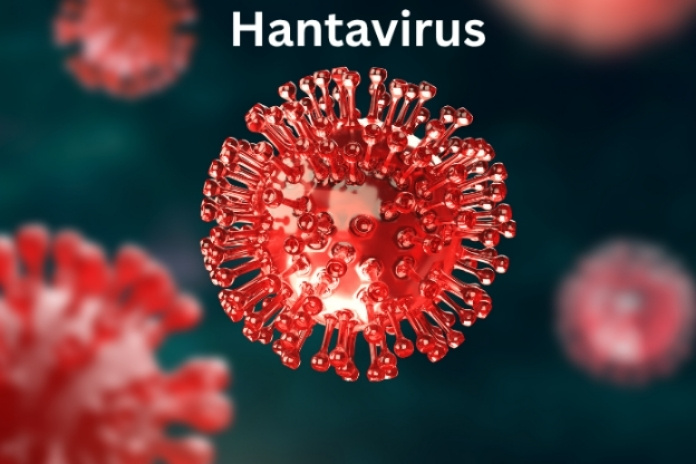
Hantavirus belongs to a completely different virus family, Hantaviridae, within the order Bunyavirales. It lives in wild rodents and does not circulate in human populations under normal conditions.
There are more than 50 known hantavirus types worldwide. The Andes virus (ANDV) involved in the MV Hondius outbreak is a South American strain with one critically unusual feature: it is the only known hantavirus capable of limited human-to-human transmission, typically requiring close and prolonged contact.
The primary rodent host for the Andes virus is the long-tailed pygmy rice rat (Oligoryzomys longicaudatus), native to Argentina and Chile. This is an important distinction for travelers: “rodent exposure” in the context of Andes virus risk means contact with this specific wild species, its droppings, urine, or saliva, in rural or wilderness settings in the Southern Cone of South America. Casual outdoor activities in cities or tourist destinations do not carry the same risk as spending time in remote rural or farming environments where the host rodent lives.
Think of the two viruses this way: Norovirus is the biological equivalent of a cold that hits your stomach: ubiquitous, fast-spreading, miserable for 48 hours, and then gone. Hantavirus is more like a rare predator that rarely crosses into human territory, but when it does, it’s extraordinarily dangerous.
How Each Virus Spreads: The Critical Difference for Cruise Travelers
This is where norovirus and hantavirus diverge most sharply, and why hantavirus cruise ship 2026 headlines demand a different kind of attention than norovirus ones.
Norovirus transmission: Norovirus spreads with extraordinary efficiency. It transmits through contaminated food, water, surfaces, and direct contact with an infected person. On a cruise ship, a single infected buffet server or a contaminated handrail can expose dozens of people within hours.
The virus survives on hard surfaces for days and resists many common sanitizers, which is why soap and water handwashing outperforms alcohol gel against norovirus specifically.
Hantavirus (Andes virus) transmission: Hantavirus spreads primarily through contact with infected rodent urine, droppings, or saliva. The index cases on MV Hondius are believed to have contracted the virus during travel through South America before boarding.
The WHO confirmed that Andes virus can spread between humans in rare cases involving close and sustained contact, which explains why some shipboard transmission occurred among those in prolonged contact with early patients. It does not spread freely through a crowd the way norovirus does.
As Dr. Daniel Pastula, professor of neurology, medicine (infectious diseases), and epidemiology at the University of Colorado Anschutz Medical Campus, explains: “Hantavirus isn’t just one virus but a group of closely related viruses found throughout the world. Their natural reservoir is rodents; the virus replicates in their cells without causing symptoms, and it sometimes spills over into humans, causing severe disease.”
The incubation period is another critical difference. Norovirus symptoms appear within 12 to 48 hours of exposure. Andes virus symptoms can take anywhere from 4 to 42 days to develop, according to the CDC. That long window is precisely why health officials placed returning MV Hondius passengers under 42-day monitoring rather than a standard 14-day quarantine.
If you were on or in contact with someone from the MV Hondius, symptoms could still emerge weeks after your last exposure.
Norovirus vs Hantavirus Symptoms: What Each Virus Does to Your Body
Norovirus Symptoms
Onset is fast, typically 12–48 hours after exposure. Symptoms include sudden nausea, forceful vomiting, watery diarrhea, abdominal cramping, and sometimes a low-grade fever. The illness is self-limiting and typically resolves within 1–3 days.
Dehydration is the primary risk, especially in young children, older adults, and people with underlying illness. Serious complications are uncommon in healthy adults; death is extremely rare.
Hantavirus Symptoms
Hantavirus follows a two-phase progression that makes early diagnosis difficult. The prodromal phase (days one to five) looks deceptively like influenza: fever, fatigue, muscle aches, headache, and sometimes abdominal symptoms.
Then the cardiopulmonary phase begins. Fluid accumulates rapidly in the lungs. Acute respiratory distress syndrome (ARDS) and cardiovascular collapse can develop within hours. The CDC places the hantavirus pulmonary syndrome (HPS) case fatality rate at approximately 38% among patients who develop severe respiratory symptoms. There is no approved antiviral treatment.
For patients who do reach a hospital early, there is one important intervention: extracorporeal membrane oxygenation (ECMO), a form of life support that takes over the work of the heart and lungs.
When started promptly, ECMO can significantly improve survival odds in the most severe HPS cases. This is another reason early recognition matters, since patients who deteriorate without reaching a facility capable of ECMO have much worse outcomes. Early supportive care, even before a confirmed diagnosis, is critical.
Severity: The Most Important Distinction When Assessing Norovirus vs Hantavirus Risk
The severity gap is stark. Norovirus makes you feel terrible for two days, and then it’s over. Hantavirus pulmonary syndrome carries a case fatality rate of approximately 38%, based on the CDC’s 2026 health alert notice, meaning roughly 1 in 3 people who develop lung complications die even with intensive care.
On MV Hondius, three of approximately 12 cases (as of May 18) have resulted in deaths, all occurring during the cardiopulmonary phase of illness. On the Caribbean Princess, 160 people got sick. Zero died. The ship was cleaned and back in service within days.
As Dr. Tedros Adhanom Ghebreyesus, WHO Director-General, stated in his May 7 briefing: “While this is a serious incident, WHO assesses the public health risk as low.” He noted that previous Andes virus outbreaks have only involved transmission in close-contact settings, and the risk of wider epidemic spread remains low.
What This Means for Cruise Travelers: Practical Risk Assessment
Here’s the part that actually matters for your travel decisions.
For norovirus: It’s a real and common risk on any cruise. Wash your hands thoroughly with soap and water, not just sanitizer gel, before every meal and after using bathrooms. Avoid sharing food and utensils. Report any gastrointestinal symptoms to the ship’s medical center immediately so the crew can isolate cases and protect others.
For hantavirus: Your risk as a standard cruise passenger is effectively zero unless you’ve had recent direct exposure to wild rodents in rural South America. The WHO, CDC, and multiple national health agencies all assess global public risk as low. A Caribbean cruise, a Mediterranean itinerary, or an Alaska sailing carries no elevated hantavirus risk whatsoever.
The one exception: If your itinerary includes expedition travel through rural Argentina, Chile, or Patagonia, where the long-tailed pygmy rice rat carrying ANDV is endemic, speak to a travel medicine physician before departure. Watch for symptoms, including fever, fatigue, and muscle aches, for up to 42 days after any potential rodent exposure. If those symptoms develop, tell your doctor about the exposure immediately. Do not wait to see if they pass.
- Norovirus and hantavirus are biologically unrelated viruses; the only thing they share in May 2026 is a cruise ship setting.
- Norovirus is a temporary but miserable stomach illness.
- Hantavirus can kill roughly 1 in 3 people it infects once lung disease develops, but it requires specific rodent exposure to contract and is not spreading freely.
- Wash your hands thoroughly with soap and water before meals on any cruise.
- If you’ve recently traveled through rural South America and develop fever, muscle aches, or breathing problems within 42 days, call your doctor right away and mention the potential exposure.
Final Word
Two cruise ships. Two outbreaks. One week apart. It made for an alarming news cycle and a genuinely confusing one for anyone trying to assess their own risk. Here’s what the science says clearly: Norovirus is common, temporary, and manageable with good hygiene.
Hantavirus is rare, serious, and, in the case of the Andes strain, potentially fatal once lung disease takes hold. The MV Hondius outbreak originated on land, during travel through South America, long before anyone boarded that ship. Cruise ships didn’t create this problem. Timing did.
1. Are norovirus and hantavirus the same virus?
No, they are completely unrelated viruses from different families. Norovirus is a calicivirus causing gastrointestinal illness spread person-to-person. Hantavirus is a bunyavirus carried by rodents, causing severe respiratory disease. They share no biological relationship, transmission route, or treatment pathway. For a full comparison, see the WHO hantavirus fact sheet.
2. Which is more dangerous: norovirus or hantavirus?
Hantavirus is far more dangerous, with severe cases carrying a mortality rate of about 38% according to CDC estimates. Norovirus is usually mild in healthy adults and spreads much more easily, especially on cruise ships, affecting almost any passenger. Hantavirus infection requires exposure to infected rodents or, in the case of Andes virus, close and sustained contact with a confirmed case.
3. I keep seeing both virus outbreaks in the news. Should I cancel my cruise?
No. Both the WHO and CDC consider the hantavirus risk low for the general public. The cruise norovirus outbreak was contained using standard protocols. Wash your hands frequently with soap and water to reduce norovirus risk. Hantavirus concerns apply mainly to travelers with direct rodent exposure in rural South America, not to standard cruise passengers.
4. How do you get norovirus vs. hantavirus on a cruise ship?
Norovirus spreads through contaminated food, water, surfaces, and direct passenger contact. Cruise environments accelerate its spread. Hantavirus on MV Hondius originated from pre-boarding rodent exposure in South America. You cannot contract hantavirus from another passenger through normal cruise contact, the way norovirus spreads.
References
- World Health Organization. (2026). Hantavirus cluster linked to cruise ship travel, multi-country. Disease Outbreak News.
- World Health Organization. (2026). Hantavirus cluster linked to cruise ship travel, multi-country — update. Disease Outbreak News (May 13 update).
- World Health Organization. (2026). WHO’s response to hantavirus cases linked to a cruise ship.
- Centers for Disease Control and Prevention. (2026). HAN 00528: 2026 multi-country hantavirus cluster linked to cruise ship. Health Alert Network.
- Centers for Disease Control and Prevention. (2026). Caribbean Princess May 2026 gastrointestinal illness outbreak. Vessel Sanitation Program.
- Centers for Disease Control and Prevention. (2026). Andes virus outbreak on a cruise ship: Current situation.
- Centers for Disease Control and Prevention. (2024). Norovirus: About norovirus.
- European Centre for Disease Prevention and Control. (2026). Andes hantavirus outbreak in cruise ship, 19 May 2026.
- World Health Organization. (2023). Hantavirus fact sheet.
- Alonso, D. O., Iglesias, A., Coelho, R., Periolo, N., et al. (2019). Epidemiological description, case-fatality rate, and trends of hantavirus pulmonary syndrome: 9 years of surveillance in Argentina. Journal of Medical Virology, 91(7), 1173–1181.
- Muñoz-Zanzi, C., Vial, P., Castillo, C., Jiang, J., Franka, R., & Bharti, M. (2022). Andes hantavirus: Ecology, epidemiology and control. Viruses, 14(6), 1286.
- Bhaskaran, M. V., Narayanan, A., Shrivastava, G., & Thakur, R. (2021). Hantavirus cardiopulmonary syndrome and diffuse alveolar hemorrhage in the era of COVID-19. Case Reports in Pulmonology, 2021, 8876851.
- Meza-Fuentes, G., Lopez, R., Vial, C., et al. (2023). Assessing pulmonary epithelial damage in hantavirus cardiopulmonary syndrome. Viruses, 15(10), 2002.
In this Article