


















Most people hear the word “inflammation” and quickly jump to this thought of something bad.
But inflammation is not just some toxin lying inside you. It is a normal immune response. Your body uses inflammation the way it uses fever, as a tool. The issue is when inflammation becomes persistent.
Low-grade chronic inflammation never appears dramatically. It quietly lies behind: joint stiffness that feels “normal now,” blood sugar that slowly worsens, higher cardiovascular risk, faster aging patterns, and inflammatory markers like C-reactive protein (CRP) staying slightly high.
So instead of asking only, “Am I eating enough protein?” a better question is, “Is my protein supporting recovery or increasing stress inside the body?”
Because protein itself is not inflammatory. The problem is that the company protein keeps processing fats, additives, and the overall diet pattern.
How Protein Choices Influence Inflammation
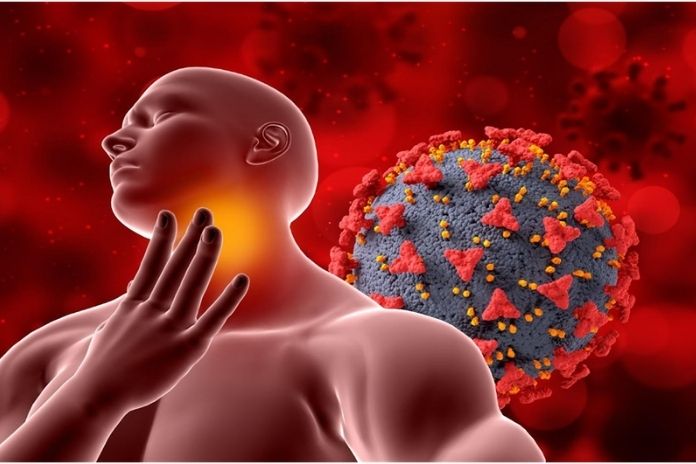
Chronic inflammation is not just a swollen ankle. It is more like an immune system that is slightly overworking every day. Diet influences this because food is not merely a source of calories. Food provides biological signals.
Protein sources affect inflammation mainly through:
- Fat profile (omega-3 vs saturated fat)
- Processing level
- Cooking methods
- Gut microbiome effects
- Impact on cytokine signaling
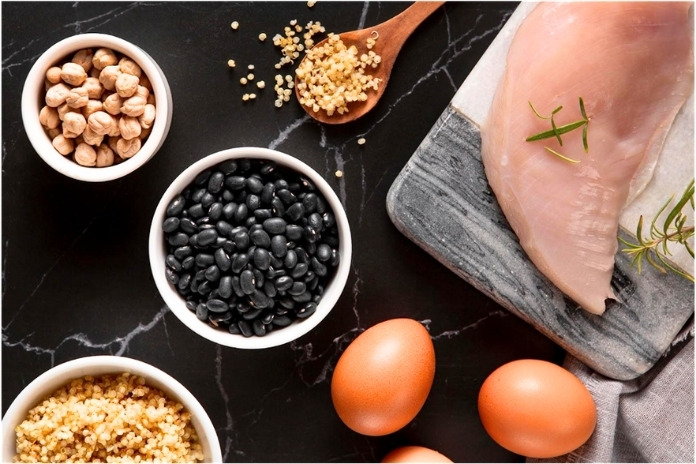
This is why two people can eat “high protein” diets and get opposite outcomes. One diet is fish, legumes, yogurt, and nuts. Another is sausages, fried chicken, and packaged protein bars. Same macro. Different biology.
Some protein sources show higher CRP levels, not because protein is harmful, but because modern protein foods often come with preservatives, excess sodium, oxidized oils, and ultra-processing.
So the question isn’t, “Does protein cause inflammation?” The better question is: Does this protein reduce immune workload or increase it?
What Makes a Protein “Anti-Inflammatory”?
A protein becomes anti-inflammatory when it does more than build muscle. It helps regulate inflammatory signaling. Strong traits include:
- Omega-3 fatty acids (EPA/DHA)
- Antioxidant compounds
- Fiber (plant proteins do this naturally)
- Low processing and minimal additives
- Lower saturated fat burden
It is not about one magic food. It is about proteins that come packaged with inflammation-calming nutrients, not inflammation triggers.
Anti-Inflammatory Protein Sources to Add to Your Diet
1. Fatty Fish (Salmon, Sardines, Mackerel)
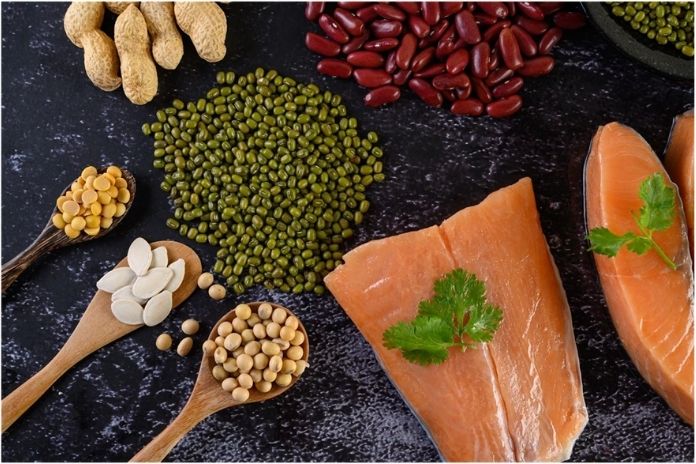
If there is one protein source that keeps showing up in inflammation research, it is fatty fish. Not because fish is trendy. Because EPA (eicosapentaenoic acid) and DHA (docosahexaenoic acid), types of amino acids, are direct anti-inflammatory fats.
Omega-3s influence cytokine (tiny proteins from cells) production and are linked with lower CRP levels.
Sardines are especially interesting because they are:
- Small fish (lower toxin accumulation)
- Highly omega-3 rich
- Affordable compared to salmon
This is one of the clearest protein sources for joint health. Two servings a week are enough for most people to see benefits over time.
2. Lentils and Legumes
Legumes are boring in internet culture, but biologically, they are powerful. Lentils are protein with fiber, which is a rare combination.
This matters because inflammation is often connected to metabolic stress:
- Glucose spikes
- Gut imbalance
- Insulin resistance
Legumes stabilize blood sugar and feed gut microbes that regulate immune signaling. So lentils don’t just “reduce inflammation” directly. They reduce the conditions that keep inflammation running. This is why plant-based proteins are doing well in long-term studies.
3. Nuts and Seeds (Walnuts, Chia, Flax)
Nuts are not just snacks. Walnuts are one of the few common foods with meaningful plant omega-3 content. Seeds like flax and chia add:
- Alpha-linolenic acid (ALA) omega-3
- Fiber
- Polyphenols
But proportion matters. A small handful supports inflammation control. Eating nuts as a replacement for meals does not. Think of them just as additions, not the main protein.
4. Extra-Firm Tofu and Tempeh
Soy is one of the most misunderstood protein categories. The internet still repeats outdated fear: “Soy increases inflammation.” Whole soy foods do not behave like processed soy additives.
Research generally shows soy protein is neutral or sometimes beneficial for inflammation markers. Tempeh is even more interesting because fermentation changes how the gut responds:
- Easier digestion
- Gut-supportive compounds
- Less inflammatory load compared to many packaged proteins
Tofu is not a miracle food. It is simply a clean, stable protein source when eaten in normal meals.
5. Greek Yogurt and Fermented Dairy (If Tolerated)
Fermented dairy is one of the few animal proteins that also influences gut inflammation. Greek yogurt provides:
- High protein
- Probiotics
- Potential reduction in CRP markers
But dairy tolerance is individual. Some people feel good. Others notice congestion, bloating, or skin flares. So yogurt is not mandatory. But if tolerated, fermented dairy can be one of the more inflammation-friendly animal proteins. Avoid the sugar-loaded flavored versions; those defeat the purpose.
6. Eggs (In Moderation)
Eggs are a good example of nutrition confusion. Some people call them inflammatory. Some call them perfect protein.
Most research suggests moderate egg intake does not significantly increase inflammation in healthy individuals. Eggs provide complete protein, choline, and easy nutrient density.
The real issue is not eggs. The issue is the typical egg meal pattern: processed meats, fried sides, and refined bread. Eggs in a vegetable-based meal behave differently.
7. Lean Poultry (Unprocessed)
Poultry remains in the middle position. It is not anti-inflammatory like fatty fish, but it is generally less inflammatory than red and processed meats. Lean chicken or turkey fits well when:
- It is unprocessed
- Cooking is not deep frying
- Meals include fiber and vegetables
Poultry becomes inflammatory mainly when it turns into fast-food. Protein can not be separated from the preparation.
Protein Sources That May Promote Inflammation When Overconsumed

Some protein foods consistently show an inflammatory association:
- Processed meats (bacon, sausages, deli meats)
- Deep-fried protein foods
- Packaged “high protein” snacks with additives
- Excessive reliance on protein isolates instead of whole foods
This is where modern diets go wrong: not too much protein, but too much industrial protein.
Plant-Based vs. Animal-Based Proteins: What the Evidence Shows
This debate is often framed emotionally. Science is simpler: Dietary patterns higher in plant protein tend to show lower inflammation markers. Not because animal protein is poison. Because plant proteins bring fiber, polyphenols, and gut benefits automatically.
The Mediterranean diet works well because it combines fish, legumes, nuts, fermented foods, and minimally processed meat.
The Western diet increases inflammation because it combines processed meat, fried foods, refined carbs, and sugary drinks. Diversity works better than strict rules.
How Much Protein Supports Health Without Increasing Inflammation?
Most adults do well around 0.8–1.2 g/kg body weight daily. Higher needs exist for older adults, athletes, and recovery states. But more protein beyond needs does not automatically reduce inflammation further.
Without a fiber and plant balance, excessive intake can worsen gut stress. Protein works best inside a complete diet, never as an isolated goal.
Read More: Soothing Anti-Inflammatory Turmeric Cauliflower Soup Recipe
How to Build an Anti-Inflammatory Meal Around Protein
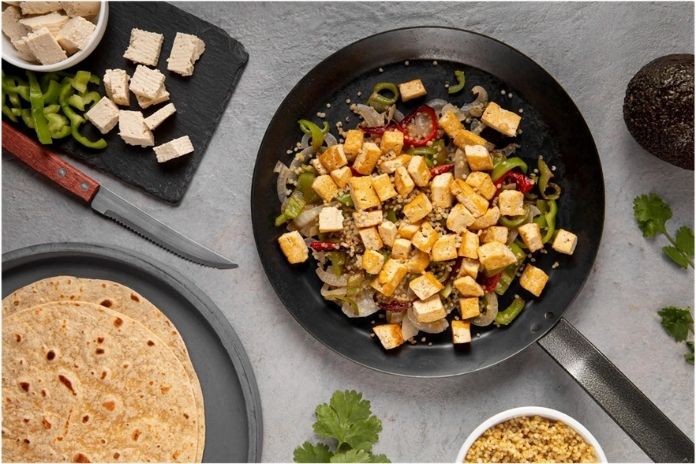
A practical structure:
- Protein: fish, lentils, tofu, yogurt
- Fiber: vegetables with whole grains
- Fat: olive oil, nuts
- Spices: turmeric, garlic, herbs
This is where plant diversity quietly matters. “One of my favorite habits is to aim to eat five servings of fruits and/or vegetables every single day. And if you achieve it daily, then there’s simply little room for less nutritious food, and also it never feels like you are depriving yourself,” says obesity specialist Dr. Meghan Garcia-Webb.
When protein is surrounded by fiber-rich plants, it behaves differently in the body. Inflammation is not reduced by one ingredient alone, but by the overall food pattern.
Avoid turning good proteins into inflammatory foods through deep frying, heavily processed sauces, and burning or charring meats. Cooking is part of inflammation biology.
Read More: I Ate an Anti-Inflammatory Diet During Pregnancy — My OB Was Shocked
When to Speak With a Healthcare Professional

If you have:
- Autoimmune disease
- Chronic inflammatory arthritis
- Inflammatory bowel disease
- Kidney disease (protein limits may apply)
“Excess protein never poses a serious threat for healthy individuals. However, too much protein increases the workload on the kidneys and liver. That’s why people with diseases affecting these organs are often advised to follow a low-protein diet,” says Dr. Nupur Krishnan, director of Bio-logics Nutrition Clinic.
Then protein choices should be personalized.
Read More: 12 Anti-Inflammatory Mocktails Made With Real Ingredients (No Artificial Syrups)
Final Thoughts
Protein is not only about muscles. It is one of the daily levers of immune tone.
If your protein comes from fish, legumes, seeds, fermented foods, and unprocessed sources, inflammation trends lower without drama. Not through superfoods. Through quiet biological consistency. But if protein comes from processed company items, then it can cause inflammation in the body.
- Anti-inflammatory proteins are usually less processed.
- Omega-3-rich fish remains the strongest choice for lowering CRP.
- Plant proteins work partly because fiber reduces immune overactivation.
- The cooking method decides whether a protein stays supportive or becomes inflammatory.
- We still lack long-term trials that compare real-world mixed protein diets across different populations, not just in controlled Western cohorts.
FAQs
1. What are the best proteins that reduce inflammation?
Fatty fish, legumes, walnuts, tofu, and fermented dairy.
2. Are eggs inflammatory?
Moderate intake is generally not linked with higher inflammation.
3. How often should I eat fish?
Twice weekly is enough for the omega-3 benefit.
4. Is chicken better than red meat?
Generally, yes, especially when unprocessed.
5. Can too much protein increase inflammation?
Yes, if fiber is low and sources are heavily animal-based or processed.
References
- Burris, R. L., Ng, H.-P., & Nagarajan, S. (2014). Soy protein inhibits inflammation-induced VCAM-1 and inflammatory cytokine induction by inhibiting the NF-κB and AKT signaling pathway in apolipoprotein E-deficient mice. European Journal of Nutrition, 53(1), 135–148.
- Costabile, G., Della Pepa, G. D., Vetrani, C., Vitaglione, P., Griffo, E., Giacco, R., Vitale, M., Salamone, D., Rivellese, A. A., Annuzzi, G., & Bozzetto, L. (2021). An Oily Fish Diet Improves Subclinical Inflammation in People at High Cardiovascular Risk: A Randomized Controlled Study. Molecules, 26(11), 3369.
- Ratliff, J. C., Mutungi, G., Puglisi, M. J., Volek, J. S., & Fernandez, M. L. (2008). Eggs modulate the inflammatory response to carbohydrate restricted diets in overweight men. Nutrition & Metabolism, 5, 6.
In this Article