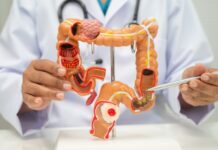



















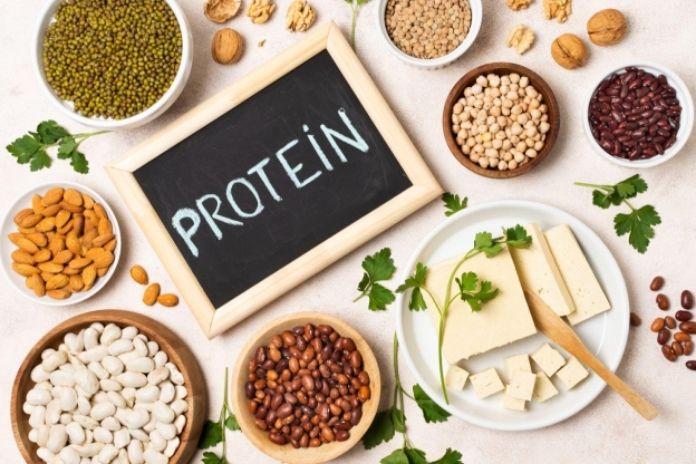
- Adapting to plant protein changes several biological systems. Gut bacteria shift quickly because plant proteins come with fiber and fermentable compounds.
- Heart health markers often improve when plant protein replaces animal sources. Muscle growth is still possible but may require slightly higher protein intake.
- However, nutrients like vitamin B12 and iron need attention. The biggest takeaway: protein source matters, not just protein quantity.
For decades, protein discussions were almost always about animal foods, eggs, chicken, fish, and whey shakes. Plant protein was treated like a backup option. Something vegetarians used because they had no choice.
But in the last 10–15 years, the question has quietly shifted. Researchers are not asking “Can plants provide protein?” anymore. They are asking something much more interesting: In the body, what happens when you eat plant protein, especially when the main protein source becomes plants instead of animals?
Because the answer is not just about protein quantity. It touches gut bacteria, metabolic signals, inflammation markers, longevity pathways, and even how muscles respond to food. Some changes happen within days after you switch to plant protein. Others appear only after years of dietary patterns.
And importantly, not all changes are automatically positive. Some are beneficial. Some require adjustments. Some are still debated in research. So instead of the usual simplistic discussion, plant protein is good, and animal protein is bad, this article looks at what science actually observes when the protein source changes. Because the source of protein may influence the body almost as much as the amount of protein.
Your Gut Changes Within Days after switching to plant protiens
The gut is often the first system that reacts when protein sources change. Not because of protein itself. But because plant protein always arrives packaged differently.
Unlike animal protein, plant sources come with fiber, resistant starch, polyphenols, and plant cell structures that bacteria can ferment. This creates a very different gut environment.
1. The Microbiome Shifts Faster Than You’d Expect
Many people assume gut bacteria take months to change. In reality, with plant protein, gut microbiome communities can shift in 48–72 hours when diet changes. When plant protein intake increases, through foods like legumes, lentils, beans, soy, peas, and nuts, several changes occur:
- Fiber-fermenting bacteria increase
- Production of short-chain fatty acids (like butyrate) rises
- Some inflammatory bacterial species decrease
Short-chain fatty acids are important because they:
- Strengthen the gut lining
- Reduce inflammation signals
- Influence metabolism and insulin sensitivity
This is one reason plant-based dietary patterns are often linked with lower inflammatory markers. But this shift is not always comfortable in the beginning.
2. The Temporary Trade-Off: Bloating and Gas
One thing rarely explained properly is why people feel uncomfortable after increasing plant protein. It is not because plants are harmful. It is because the SFCA gut bacteria that digest fiber are initially underrepresented in people who eat mostly animal protein.
“Whenever you eat more fiber, the microbiome and the good bacteria in your gut actually change, creating a healthier environment,” Dr. Dana Hunnes, a registered dietitian, says.
When legumes or beans suddenly increase in the diet, bacteria begin fermenting fibers aggressively. This produces gases like hydrogen and methane. The result:
- Bloating
- Gas
- Abdominal pressure
This phase usually improves in 1–3 weeks as the microbial balance adjusts. Ironically, discomfort here is often a sign that SCFA gut bacteria are adapting, not a sign that plant protein is unsuitable.
Your Heart Health Improves Significantly
The strongest evidence supporting plant protein is not actually about muscles or weight. It is about cardiovascular risk. Large population studies consistently show that protein source correlates with heart health and disease risk, with plant protein being associated with better outcomes.
For heart health protection, your diet needs to focus on the quality of plant foods, and it’s possible to benefit by reducing your consumption of animal foods without completely eliminating them from your diet,” says Dr. Ambika Satija of the Department of Nutrition at the Harvard T.H. Chan School of Public Health
1. The Harvard 30-Year Finding
One of the longest-running nutrition datasets comes from the Nurses’ Health Study and Health Professionals Follow-Up Study, tracking over 130,000 people. Researchers observed something striking. When 3% of daily calories from animal protein were replaced with plant protein, the risk of cardiovascular mortality decreased significantly.
This does not sound dramatic, but nutritionally it is a small shift, roughly the protein equivalent of replacing one serving of red meat with legumes or nuts. The plant vs. animal protein body effects appear linked to several factors:
- Lower saturated fat intake
- Higher fiber intake
- Improved cholesterol profiles
- Lower inflammatory signaling
Plant proteins themselves are not “heart medicines,” but they tend to come inside foods that support cardiovascular health.
2. The Ideal Ratio – A Concrete Target
Recent nutritional modeling suggests that the ratio between plant and animal protein may matter more than eliminating one completely. Some analyses suggest the lowest mortality risk occurs when roughly half or more of the protein intake comes from plants. Not necessarily 100%. Just shifting the balance.
A large meta-analysis including more than 715,000 participants also found that plant protein intake was associated with lower all-cause mortality and cardiovascular mortality. Animal protein intake alone showed no similar protective association.
For many people, this means something simple: Instead of protein coming mostly from meat, eggs, and dairy, it comes from the following:
- Beans
- Lentils
- Soy foods
- Nuts and seeds
- Whole grains
Even partial shifts seem to influence long-term heart outcomes.
Your Muscles: The Honest Picture

Muscle growth is where plant protein discussions often become exaggerated. Some people say plant protein is just as good as animal protein. Others claim it is inadequate for muscle building. The truth sits somewhere in between.
1. Plant Protein Can Build Muscle: With One Caveat
Many people think that you can build muscle on plant protein. Controlled studies comparing soy, pea, and whey protein show that plant protein can help build muscle. But there is one consistent difference. Plant proteins generally stimulate slightly lower muscle protein synthesis per gram consumed.
Why? Because muscle growth depends heavily on the amino acid leucine plant protein, which acts as a signal for muscle-building pathways.
Animal proteins usually contain higher leucine concentrations. This does not mean plant protein cannot build muscle. It means people may need the following:
- Slightly higher total protein intake
- More strategic protein combinations
- Evenly spaced protein meals
Athletes using plant protein often compensate by increasing protein intake by 10–20%.
2. The Protein Quality Gap: And How to Close It
Protein quality is usually measured by amino acid completeness and digestibility. Many plant proteins are slightly lower in one or two essential amino acids. Examples:
- Grains lower in lysine
- Legumes lower in methionine
But when multiple plant sources are combined, this gap disappears. Classic examples already exist in traditional diets:
- Rice with beans
- Lentils with grains
- Hummus with bread
These combinations naturally complement amino acid profiles. So the limitation is not plant protein itself. It is monotonous diets that rely on only one plant source.
Read More: Is Protein Powder Safe for People With Diabetes? What Research and Experts Say
Your Longevity Markers Shift

Another interesting area of research is long-term disease risk. Large population studies have found consistent patterns when some animal protein is replaced by plant protein.
1. Lower Risk of All-Cause Mortality
Large cohort studies consistently show that higher plant protein intake is associated with a lower risk of death from cardiovascular disease and certain metabolic conditions.”
This association is stronger when plant protein replaces the following:
- Processed meat
- Red meat
- Refined carbohydrate calories
But the plant protein health benefits weaken when plant protein simply replaces healthy animal sources like fish. This suggests that the health benefits of plant protein partly depend on which foods it replaces, not just what is added
2. Longevity and the Protein Source Effect
Emerging research is examining how different proteins affect cellular pathways such as IGF-1 signaling and mTOR activity, both associated with aging and disease risk. Animal proteins tend to stimulate these pathways more strongly. This can support muscle growth, but chronically elevated activation has been linked with aging-related diseases.
Plant proteins appear to trigger these signals more moderately. Some researchers speculate this may partly explain why populations with higher plant protein intake show greater plant protein longevity patterns. But this remains an active research area, not a settled conclusion.
Read More: Still Gaining Weight on Levothyroxine? Here’s What Doctors Know in 2026
What to Watch Out For – Real Nutritional Trade-Offs
Switching to plant protein is not automatically nutritionally complete. Most articles discussing plant protein focus only on benefits.
But there are also nutritional adjustments that become important when animal foods decrease.
1. Nutrients That Need Attention After Switching
Several nutrients are less abundant or less absorbable in plant-based diets:
Vitamin B12
Almost exclusively found in animal foods.
Iron
Plant iron is less bioavailable than heme iron from meat.
Zinc, omega-3 fatty acids (EPA and DHA), and iodine. None of these problems is unavoidable.
But they require awareness. For example:
- B12 supplementation is often necessary
- Iron absorption improves with vitamin C
- Omega-3 intake can come from algae or flax sources
Ignoring these factors is one reason some people experience plant protein side effects, like fatigue, after switching diets. The problem is usually nutrient balance, not plant protein itself.
Read More: High-Protein Fast Foods: What to Order When You Need Protein on the Go
Final Thoughts
When people talk about switching to plant protein, the conversation just becomes ideological. But the human body never responds to ideology. It responds to nutrients and metabolic signals as well as long-term patterns.
Switching toward plant protein—even partially—produces measurable positive changes in your gut microbiome, heart health markers, and long-term mortality risk.
So the most evidence-supported approach is never extreme elimination. You don’t need to eliminate animal protein—the research consistently shows that shifting the animal vs. plant protein ratio is where most of the benefit lies.
It is about rebalancing the protein uptake, allowing plant sources to get a large share of the whole intake. That shift alone can change many biological systems in the long run.
- Plant proteins bring fiber and fermentable compounds that reshape gut bacteria within days.
- Replacing small amounts of animal protein with plant protein is linked with lower cardiovascular mortality, even without eliminating meat entirely.
- Plant protein typically requires a slightly higher intake because of lower leucine concentrations.
- However, muscle building would require intentional planning of diet, digestive adaptation to plant protein might take some time, and certain micronutrients need active supplementation.
- Longevity research increasingly suggests that protein source influences aging pathways, though this area still has major unanswered questions.
- Most plant protein studies examine whole dietary patterns, not isolated protein sources, so it’s really difficult to know how much plant protein health benefits come from protein itself versus the entire plant-based diet.
References
- Huang, J., Liao, L. M., & Weinstein, S. J. (2020). Association Between Plant and Animal Protein Intake and Overall and Cause-Specific Mortality. JAMA Intern Med, 180(9), 1173–1184.
- Lee, D. H., Tabung, F. K., & Giovannucci, E. L. (2022). Association of animal and plant protein intakes with biomarkers of insulin and insulin-like growth factor axis. Clinical Nutrition, 41(6), 1272–1280.
- Matthan, N. R., Jalbert, S. M., Ausman, L. M., Kuvin, J. T., Karas, R. H., & Lichtenstein, A. H. (2007). Effect of soy protein from differently processed products on cardiovascular disease risk factors and vascular endothelial function in hypercholesterolemic subjects. American Journal of Clinical Nutrition, 85(4), 960–966.
- Naghshi, S., Sadeghi, O., Willett, W. C., & Esmaillzadeh, A. (2020). Dietary intake of total, animal, and plant proteins and risk of all cause, cardiovascular, and cancer mortality: systematic review and dose-response meta-analysis of prospective cohort studies. BMJ, 370, m2412
- Song, M., Fung, T. T., Hu, F. B., Willett, W. C., Longo, V. D., Chan, A. T., & Giovannucci, E. L. (n.d.). Association of Animal and Plant Protein Intake With All-Cause and Cause-Specific Mortality. JAMA Internal Medicine, 176(10), 1453.
In this Article