



















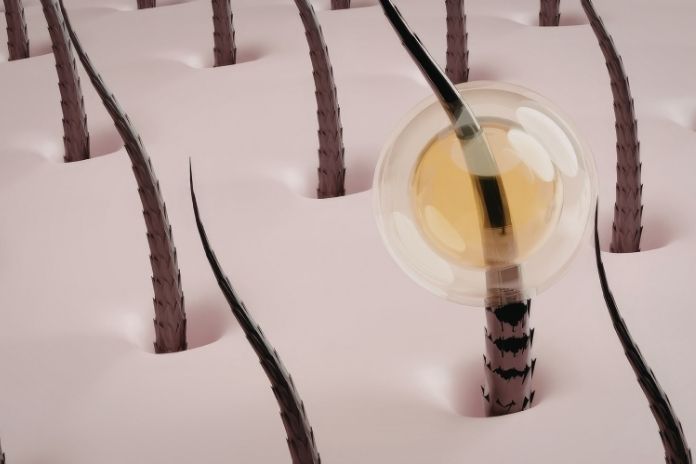
Millions of people around the world suffer from hair loss, which has sparked interest in regenerative medicine and cutting-edge treatments like hair follicle stem cells. By repairing damaged follicles, scientists are investigating whether stem cells for hair regrowth can actually restore hair growth in bald areas.
In this article, we’ll explore how hair regeneration science works, what researchers have discovered about scalp stem cells, current hair loss stem cell therapy options, and how these compare to existing treatments like hair transplantation and platelet-rich plasma (PRP). We’ll also separate scientific reality from hype and discuss future treatments for baldness based on cutting-edge research.
- Stem cells in hair follicles control when and how hair grows—but they can become inactive in hair loss.
- Early research shows promise, but most stem cell treatments are still experimental and not FDA-approved.
- Current options like PRP and transplants work differently and remain more reliable today.
Read More: Same Sex Mice Can Have Pups Using Stem Cell Therapy And Gene Editing, Study Says
What Are Hair Follicle Stem Cells?
Inside the scalp, a hair follicle is a tiny, factory-like structure that generates a single hair strand. A little population of specialized cells is located close to the top of this follicle, silently awaiting their cue. Hair follicles contain these stem cells.
The “bulge,” which is situated directly beneath the sebaceous gland, is home to hair follicle stem cells. This region of the scalp acts as a haven because it adequately protects itself from UV rays and physical irritants.
These stem cells remain quiescent for the most part. However, they awaken, proliferate, and differentiate into matrix cells that actually construct the hair shaft when the signal to initiate a new growth phase is received.
To put it another way, hair follicle stem cells do much more than “grow hair.” They serve as a command center that determines the amount and timing of hair production by the follicle. These cells can repeatedly produce long, thick hairs only when they function properly.
How Hair Growth Normally Works
Skin cells and proteins make up hair. The epidermal cells and protein known as keratin that comprise the hair on your head are both dead. 90% of the time, dead cells are actively used in hair development.
Depending on the individual, this growth process occurs during the first stage of the growth cycle and lasts for varying lengths of time. The second stage, referred to as the transitional stage, is when the scalp quits feeding the hair. The final phase is the shedding stage, during which hair is shed.
It’s very crucial to remember that different sections of your hair may be at different phases at any given time. For instance, the front of your hair may be in the third stage, but the rear may be in the first. For this reason, many people claim that one side or part of their hair is longer than the other.
Hair Growth Stages
Anagen: The body generates new hairs during this active phase of the development cycle. Cells near your hair shaft’s root, or bulb, are dividing quickly to form a new hair shaft.
When your hair grows past the scalp, it pushes out the existing resting (or dormant) hair shaft. About 90% of the time, your hair, or at least a portion of it, is in this cycle.
Catagen: The transitional stage of hair growth is called the catagen phase. The active hair growth that was taking place has stopped as the cells cease dividing. When the hair bulb separates from the blood supply, the outer layer of the hair sheds, preventing further growth and positioning it to shed at the appropriate time. When new hair forms, it produces a club hair.
Telogen: This stage prepares the hair. The growth cycle ends with the telogen phase, which typically lasts 100 days. It’s crucial to remember that shedding is a normal and essential component of hair development. Shedding hair indicates that your hair is preparing to grow and that it is going through the growth cycle as it should.
What Scientists Have Discovered About Hair Follicle Stem Cells
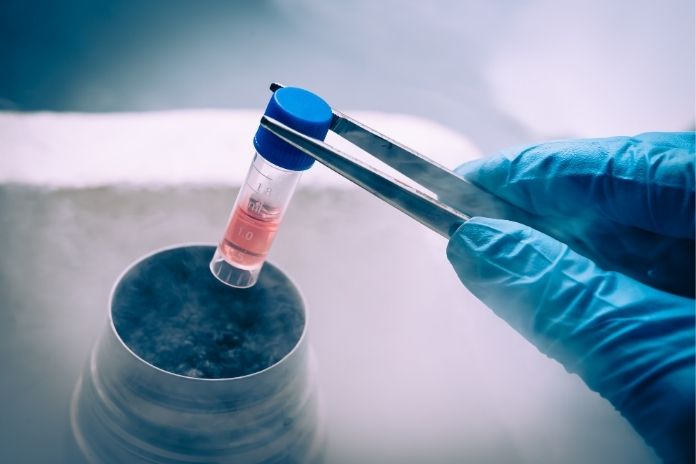
In the US, hair loss affects about 80 million men, women, and children. Aging, childbirth, cancer treatment, burn trauma, genetics, and medical conditions, including alopecia, can cause the disease. Emotional discomfort, which can lower the quality of life and cause worry and depression, is frequently linked to hair loss.
New treatments for baldness may result from Yale researchers’ discovery of the source of signals that cause hair growth. According to a study published in the September issue of the journal Cell, the researchers found stem cells in the skin’s fatty layer. They demonstrated that chemical signals from these cells were required to promote hair development in mice.
“If we can get these fat cells in the skin to talk to the dormant stem cells at the base of hair follicles, we might be able to get hair to grow again,” said Valerie Horsley, assistant professor of molecular, cellular, and developmental biology and senior author of the paper.
Although the stem cells in follicle roots are still present in men with male pattern baldness, they are no longer able to stimulate hair growth. Although scientists know that these follicle stem cells require signals within the skin to develop hair, they still do not know where those signals originate.
Horsley’s team found that the layer of scalp fat, which accounts for most of the skin’s thickness, thins when hair dies. Adipogenesis is the term for the expansion of the fat layer that occurs when hair growth starts.
Researchers discovered that hair regeneration in mice required adipose precursor cells, a type of stem cell that produces new fat cells. Additionally, they discovered that these cells generate molecules known as platelet-derived growth factors, or PDGF, which are essential for hair development.
Read More: What Is Wood Therapy? Benefits, Risks & What the Research Says
Experimental Stem Cell Approaches to Hair Regrowth
Millions of people who may be experiencing hair loss are captivated by the potential of stem cell therapy for hair regrowth. Patients naturally seek access to the most recent scientific discoveries, clinics promote state-of-the-art regenerative medicine, and marketing efforts highlight groundbreaking outcomes.
But there has never been a greater disconnect between regulatory reality and marketing fantasy. The most crucial information that people need to know is very simple: as of 2026, the FDA has not yet approved any stem cell hair restoration procedures in the US.
All of the stem cell therapies are now available in American clinics and are still in their exploratory stage, meaning they haven’t undergone the stringent regulatory procedures necessary to demonstrate their effectiveness and safety.
Patients are better able to assess claims when they understand what stem cell therapy entails. Wnt/β-catenin signaling is one of the molecular routes that true stem cell therapy for hair restoration uses to target the reactivation of hair follicle stem cells (HFSC). The intention is to encourage dormant follicles to resume hair production.
There are several different methods in the stem cell category:
- Adipose-derived stem cells (ADSCs) are the most widely available and researched method, and doctors extract them from the patient’s fat tissue.
- DSCs, or dermal sheath cup cells, are the foundation of Shiseido’s Japanese treatment.
- Exosomes are vesicles secreted by cells that contain signaling molecules.
- Growth factors released by stem cells in a lab setting are known as conditioned media.
Are Stem Cell Hair Treatments Available Right Now?
While many clinics advocate stem cell hair restoration, they often substitute therapies like platelet-rich plasma (PRP) for true stem cell therapy. Growth factors, not stem cells, are used in platelet-rich plasma (PRP). Although beneficial, it is not the same as real stem cells for hair regrowth.
Claims about “cure” using hair loss stem cell therapy are often exaggerated. About stem cell hair growth, scientific validation is still ongoing. Most stem cell research is still in early clinical stages, with limited long-term data.
Which Types of Hair Loss Might Respond Best?
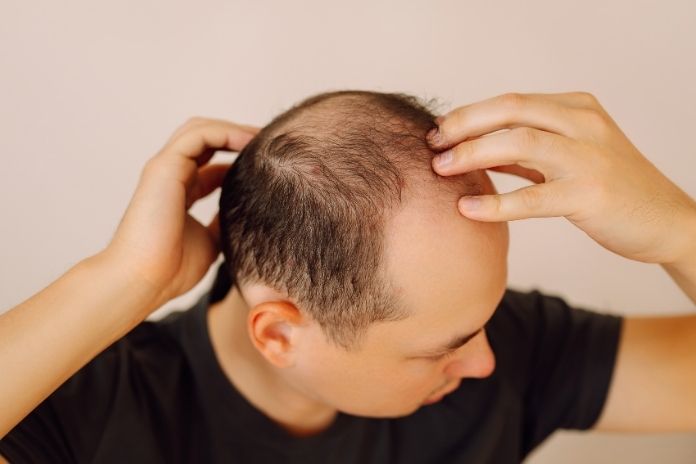
Stem cell therapy may not be a good option for everyone who is losing their hair. To get the best outcomes, it is essential to know who can benefit most from this treatment. Several variables, such as the degree of hair loss, general health, and personal expectations, are important in assessing if a patient is a good candidate for this novel therapy.
For those who still have some hair on their scalp, stem cell hair restoration usually produces the best results. Instead of growing new hair follicles in areas where hair growth has completely stopped, the main mechanism of this therapy is to activate and rebuild dormant or weakened hair follicles.
Consequently, candidates for stem-cell therapy are typically individuals who have early to moderate hair loss. This will typically be comprised of men and women with general thinning of the hair, who have developed receding hairlines, and individuals with male-pattern baldness (as in men) or female-pattern baldness (as in women).
Male-pattern baldness (androgenetic alopecia) typically presents as a gradual thinning of the hair and receding hairline. It’s crucial to remember that both men and women who want to increase the density and thickness of their hair can benefit from stem cell hair therapy.
Read More: Intermittent Fasting May Slow Hair Growth: Here’s What the Research Actually Shows
How Stem Cell Research Compares With Existing Hair Loss Treatments
Observing thinning hair or a receding hairline can be a very personal experience, frequently accompanied by the desire to regain a fuller, younger appearance. Fortunately, there are now several options for treating hair loss thanks to advances in medical technology, with standard hair transplantation and stem cell hair restoration among the most well-known.
While the ultimate goal of each therapy is to prevent further hair loss and produce more hair, each therapy achieves these goals through different means and has different risks and benefits. It is essential for anyone seeking to restore their hair to be familiar with the advantages and disadvantages of both techniques:
Stem Cell Hair Restoration
Stem-cell therapy is a revolutionary treatment for hair loss because it takes advantage of the natural regenerative properties of the body.
Traditional hair-loss treatments mainly involve moving hair from an area where it is abundant to an area where it is lacking, whereas stem cell therapy promotes new hair growth or revives tissue in the hair follicle that has been dormant and no longer produces any hair.
Traditional Hair Transplantation
For many years, traditional hair transplantation has been a mainstay of hair restoration, providing a dependable and frequently long-lasting remedy for hair loss.
Healthy hair follicles are physically transferred from one area of the scalp (the donor area) to the balding or thinning areas (the recipient area) during this surgical operation. Follicular Unit Extraction (FUE) and Follicular Unit Transplantation (FUT) are the two main methods used.
What Challenges Do Scientists Still Need to Solve?
One of the biggest obstacles to hair cloning research is replicating the structure of real hair follicles. For stem cell hair restoration to be successful, the hair growth cycle must be maintained. Safety is of utmost importance, as stem cell research involves cell development. Future hair loss stem cell therapy must be affordable and widely available.
What People With Hair Loss Can Do Right Now
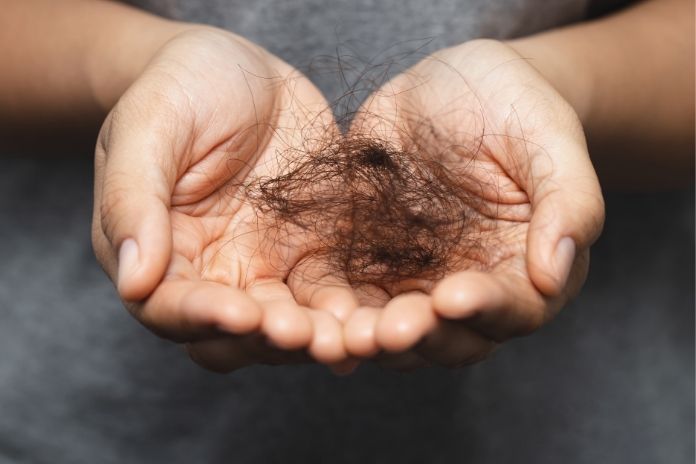
Hair loss could be caused by:
- Imbalances in hormones
- Inadequate nutrition
- Alopecia autoimmune
Medication, platelet-rich plasma (PRP), and hair transplantation are among the options. Stem cells for hair restoration have potential, but they are not yet a surefire fix.
When to See a Dermatologist About Hair Loss
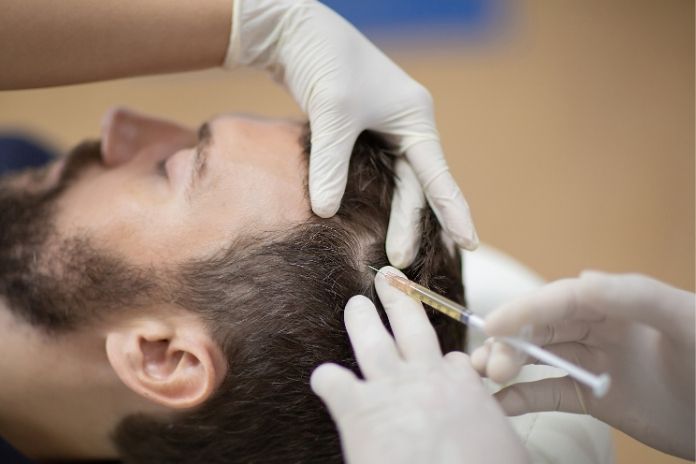
The following are some of the most important indicators that you should get alopecia treatment.
- You see a section of the hairline broadening or retreating
- You’re losing more hair than normal
- Chunks of your hair are falling off
- Bald spots are present, usually in a circular pattern
- The thinned region has flakes, blisters, pimples, or itching
Seeing a dermatologist is always a good idea. You should see a dermatologist if hair loss is causing you anxiety or low self-esteem. The dermatologist can reassure you that there is nothing to be concerned about, even if your symptoms are light and normal. If a problem arises, they can identify its root cause and suggest a suitable solution before it worsens.
Read More: Biotin vs. Prenatal Vitamins for Hair Growth: Which is Better?
Conclusion
Our knowledge of how hair grows and why it stops has greatly improved thanks to research on hair follicle stem cells. Researchers have demonstrated that these cells frequently persist even in balding regions, although their function is compromised.
This new discovery has initiated the study of the use of stem cells for re-growth of hair and paved the way for future hair treatment that is more effective than current treatments. However, most of the current treatments are still experimental, and they have proven to be unreliable and not widely available.
Although new technologies such as regenerative medicine and follicular cloning have shown potential for treating hair loss, they require additional research before they can be deemed safe and effective.
References
- Tan, Y., & Chang, H. (2024). Hair follicle stem cells: The signaling hub of the skin. Journal of Cellular Immunology.
- AVAN Tokyo. What Are Hair Follicle Stem Cells? — The True Protagonists of Hair Growth.
- Darrow, M. Stem cell hair follicles.
- REVIAN. Hair follicle stem cells.
- ForHair. Hair growth study.
- Medical Xpress. (June 27, 2019). Functional hair follicles grown from stem cells.:
- Bill Hathaway. (September 1, 2011). Yale Scientists Find Stem Cells That Tell Hair It’s Time to Grow.
- Hair Doctor NYC. (2026, February 13). Stem cell therapy for hair restoration: 2026 FDA facts.:
- American Hair Loss Association. (2025, April 4). Stem cells and exosomes in hair loss treatment: Hope or hype?
- Hair GP Clinic. (May 26, 2026). Stem cell hair treatment: Who is a good candidate?
In this Article