





















Weight loss plateaus are a common and expected phase during any dietary approach. As body weight decreases, the body adapts by becoming more energy-efficient, burning fewer calories at rest and during activity. This makes continued weight loss slower and, at times, seemingly impossible.
Even individuals following a whole-food plant-based (WFPB) diet, often associated with natural calorie control and improved satiety, can experience these plateaus. One overlooked reason is the inclusion of “healthy” refined grains.
While they are plant-based, their lower fiber content, faster digestion, and higher calorie density can reduce satiety and increase overall calorie intake. Over time, this subtle shift can stall progress, even when the diet appears clean and consistent.
In this article, we will understand the reasons why weight loss plateaus happen, even on a WFPB diet. We will examine how refined grains can reduce satiety and increase calorie intake. We will also discuss practical ways to adjust your diet to support continued weight loss.
- Weight loss plateaus are normal. As your body adapts, it burns fewer calories. Small diet changes, like more refined grains, can stop progress.
- Refined grains are less filling and easy to overeat. They digest quickly and can increase calorie intake, even on a WFPB diet.
- Switching to whole grains, legumes, and fiber-rich foods can improve fullness. This helps reduce calories and restart weight loss.
Read More: 7 Anti-Inflammatory Proteins to Add to Your Diet (Backed by Science)
Why Weight Loss Plateaus Happen — Even on a WFPB Diet

Metabolic Adaptation And Reduced Calorie Needs
As you lose weight, your body requires fewer calories to maintain essential functions like breathing, circulation, and cellular repair. This reduction happens because a smaller body simply uses less energy than a larger one.
In addition, the body becomes more efficient at using energy, meaning it burns fewer calories for the same activities. This adaptive response can significantly slow down weight loss over time. As a result, the calorie intake that once created a deficit may now only maintain your weight, leading to a plateau unless adjustments are made.
Changes In Appetite And Energy Expenditure
Weight loss can alter hormones that regulate hunger and fullness, often increasing appetite. You may feel hungrier than before, even if your body does not require additional energy. At the same time, your total daily energy expenditure may decrease. This includes both exercise and non-exercise activities like walking or standing.
These combined changes make it easier to eat slightly more and burn slightly less, narrowing the calorie deficit without obvious changes in behavior.
Hidden Calorie Sources In “Healthy” Foods
Plant-based diets are often associated with lower calorie intake, but not all plant foods are low in calories. Foods like grains, nuts, and plant-based packaged items can contribute significant energy, especially in larger portions.
Refined grains, in particular, are easy to overconsume because they are less filling. A meal that appears healthy can still contain more calories than expected. Over time, these hidden calories can accumulate and reduce or eliminate the calorie deficit needed for weight loss.
When Intake Starts Matching Output Again
A plateau occurs when the number of calories consumed equals the number of calories burned. This balance can develop gradually and may not be immediately noticeable. Small increases in portion sizes or subtle dietary shifts, such as relying more on refined grains, can bring intake in line with energy needs.
Once this balance is reached, weight loss stops, even if your diet and routine seem unchanged.
Whole vs Refined Grains—What’s the Difference on a Plant-Based Diet
Fiber And Nutrient Loss During Grain Refinement
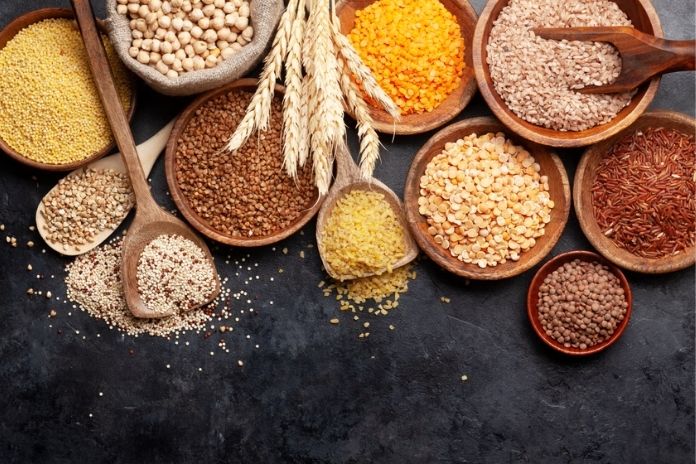
Whole grains contain all parts of the grain kernel, including the fiber-rich bran and nutrient-dense germ. Refining removes these components, leaving mostly starch. This process reduces fiber content significantly, along with key nutrients like B vitamins and minerals.
Fiber is essential for slowing digestion and promoting fullness. Without these components, refined grains provide energy but fewer benefits for appetite control and overall health.
How Texture And Processing Affect Satiety
The physical structure of food plays an important role in how full you feel after eating. Intact whole grains require more chewing and take longer to break down in the digestive system. This slower process allows the body to register fullness signals more effectively.
In contrast, refined grains are softer and easier to consume quickly. Eating quickly and digesting rapidly can delay satiety signals, leading to increased food intake before you feel full.
Common Refined Grains In Plant-Based Eating (White Rice, White Pasta, Refined Flour)
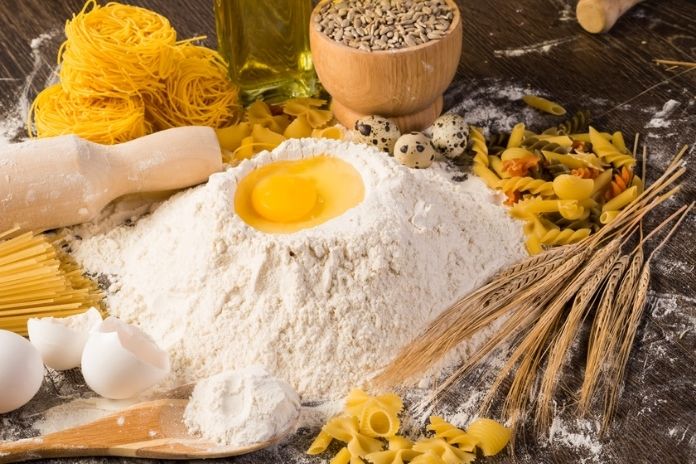
Many plant-based diets include refined grains such as white rice, regular pasta, and foods made from refined flour. These are often chosen for convenience and taste. However, they lack the fiber and structural complexity of whole grains, which are important for satiety.
When these foods form the base of most meals, they can contribute to lower fullness and higher overall calorie intake.
Why “Healthy” Refined Grains Can Stall Weight Loss

Higher Calorie Density With Lower Fullness
Refined grains are more calorie-dense because they contain less fiber and water compared to whole plant foods. This means you can consume more calories in a smaller volume. They also do not stretch the stomach as much, which is one of the signals that helps trigger fullness.
As a result, meals may feel less satisfying. This combination makes it easier to eat excess calories without realizing it, slowing or stopping weight loss.
Faster Digestion And Hunger Rebound
Refined grains are broken down quickly during digestion, leading to rapid absorption of carbohydrates. This can cause a quick rise in blood sugar levels. Soon after, blood sugar may drop, triggering hunger again. This cycle can lead to eating more frequently throughout the day. Repeated hunger signals can make it difficult to maintain a consistent calorie deficit.
Larger Portion Sizes That Add Up Quickly
Since refined grains are less filling, portion sizes often increase naturally. You may serve yourself slightly more rice or pasta without noticing the difference. Over time, these small increases can significantly raise daily calorie intake.
Since the increase is gradual, it often goes unnoticed but can be enough to stall weight loss progress.
Blending And Processing Effects (E.G., Breads, Wraps, Pasta)
Processing grains into flour breaks down their natural structure, making them easier to digest. This reduces the effort required for chewing and digestion. Foods like bread, wraps, and pasta can be eaten quickly, which may lead to consuming more before feeling full. These products also tend to be less satiating than intact grains, further increasing the risk of overeating.
Signs Refined Grains May Be Contributing to Your Plateau

Feeling Hungry Soon After Meals
If you feel hungry soon after eating, your meals may not be providing enough fiber or protein. Refined grains digest quickly and do not sustain fullness. This can lead to additional snacking or larger portions at the next meal.
Over time, this pattern increases total calorie intake and contributes to a plateau.
Frequent Reliance On Grain-Based Dishes
Meals focused on rice, pasta, or bread can lack balance if they do not include enough legumes or vegetables. These meals may not provide lasting satiety. Depending heavily on grains can crowd out more filling foods like beans and vegetables. This imbalance can make it harder to maintain a calorie deficit.
Minimal Weight Change Despite Consistent Eating
If your weight has stopped changing despite consistent habits, subtle dietary factors may be involved. Refined grains can add calories without noticeable changes in portion awareness. Even small increases in intake can offset the calorie deficit needed for weight loss. This makes refined grains an important factor to evaluate during a plateau.
Limited Intake Of Legumes And Intact Whole Grains
A diet low in legumes and intact grains may lack sufficient fiber and protein. These nutrients are essential for maintaining fullness and stable energy levels. Without them, meals may be less satisfying and lead to increased hunger.
Improving the balance of these foods can support better appetite control and weight management.
Refined Grains Commonly Mistaken as WFPB-Friendly
White Rice And Polished Rice
White rice is commonly included in plant-based diets because it is simple and versatile. However, the removal of its outer layers reduces fiber and nutrient content. This makes it less filling compared to brown or unpolished rice.
Regular consumption in large portions can contribute to higher calorie intake without adequate satiety.
Regular Pasta And Noodles
Standard pasta is typically made from refined wheat flour, which lacks fiber. This allows it to digest quickly and provide less lasting fullness. Large portions are easy to consume, especially when paired with calorie-dense sauces. Over time, this can contribute to excess calorie intake and stalled weight loss.
Store-Bought Plant-Based Breads
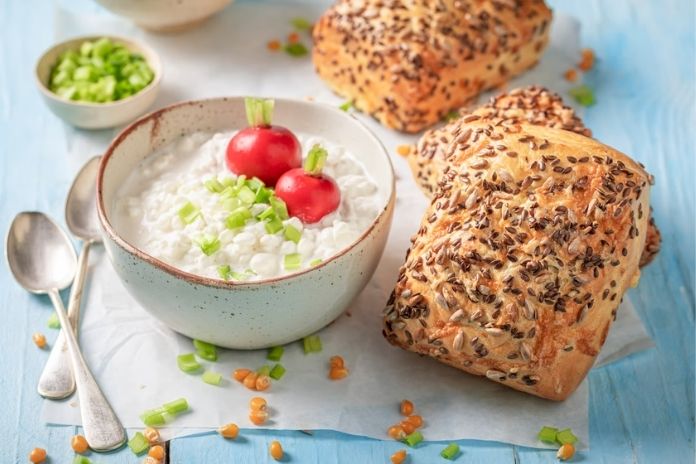
Many commercial breads are labeled as “whole grain” but still contain refined flour as a primary ingredient. This reduces their overall fiber content. These breads are often soft and easy to eat quickly, which can lead to overeating. Checking ingredient labels can help identify truly whole-grain options.
Refined-Flour Tortillas And Wraps
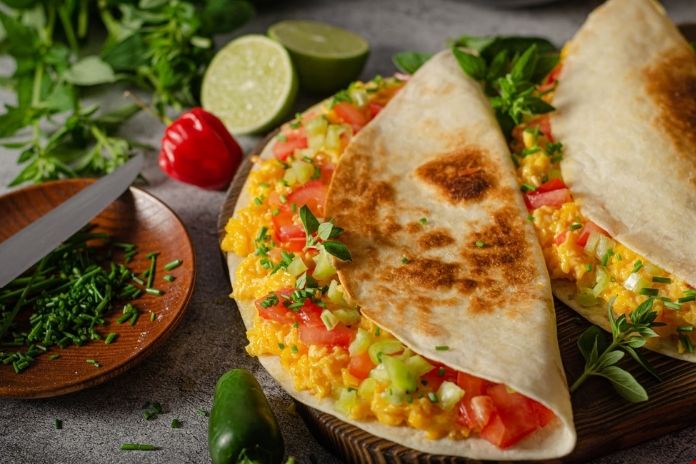
Tortillas and wraps made from refined flour are low in fiber and often consumed in multiple servings. They can add a significant number of calories to meals without contributing much to fullness.
Replacing them with whole-grain or alternative options can improve satiety.
Low-Fiber Breakfast Cereals
Many breakfast cereals are processed and low in fiber, even if they appear healthy. They are digested quickly and may not keep you full for long. This can lead to hunger soon after breakfast and increased calorie intake later in the day. Choosing higher-fiber options can help maintain better appetite control.
Read More: 10 Top Beta-Carotene Foods to Add to Your Diet (and Why They Matter)
How to Shift From Refined to Intact Whole Grains
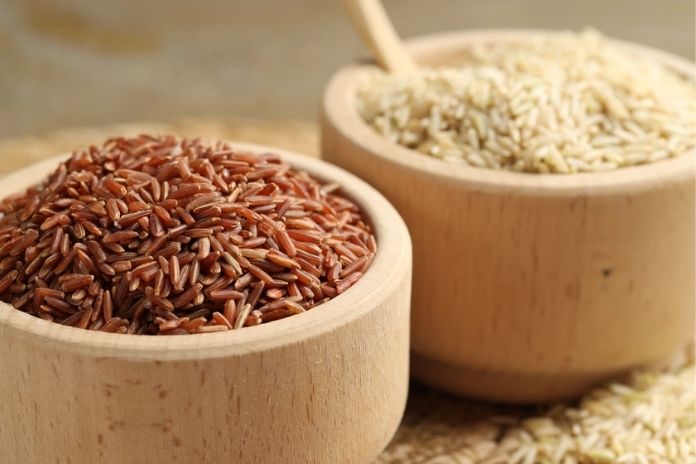
Replace White Rice With Brown Rice, Quinoa, Or Millet
Switching to intact grains increases fiber intake and slows digestion. This helps promote longer-lasting fullness after meals. These grains also provide more nutrients, supporting overall health.
Over time, this simple substitution can help reduce calorie intake naturally.
Choose Steel-Cut Oats Instead Of Instant Oats
Steel-cut oats are less processed and retain more of their original structure. This makes them slower to digest and more filling. Instant oats are broken down more, leading to quicker digestion and less satiety. Choosing less processed options can improve appetite control throughout the day.
Swap Refined Pasta For Legume-Based Or Whole-Grain Options
Legume-based pastas provide additional protein and fiber, both of which support fullness. Whole-grain pasta retains more nutrients than refined versions. These alternatives digest more slowly and help maintain stable energy levels. This can reduce hunger and support better portion control.
Combine Grains With Beans For Improved Satiety
Pairing grains with legumes creates a balanced meal that includes both fiber and protein. This combination slows digestion and promotes fullness. It also helps stabilize blood sugar levels, reducing hunger between meals.
This approach can make meals more satisfying without significantly increasing calories.
Balancing Grains With Higher-Satiety Plant Foods
Increasing Legumes And Pulses
Legumes are rich in fiber and protein, making them highly filling. Including them regularly can help reduce overall calorie intake. They also support stable blood sugar levels and sustained energy.
Adding them to meals can improve satiety without significantly increasing calorie density.
Adding Non-Starchy Vegetables For Volume
Non-starchy vegetables add bulk to meals without contributing many calories. This allows you to eat larger portions while maintaining a calorie deficit. They also provide important vitamins and minerals.
Increasing vegetable intake can help improve fullness and reduce reliance on grains.
Including Moderate Healthy Fats For Satisfaction
Small amounts of healthy fats can enhance meal satisfaction and flavor. This can help reduce cravings and prevent overeating. However, fats are calorie-dense, so moderation is important. Balancing fats with fiber-rich foods supports better appetite control.
Prioritizing Fiber-Rich Meal Composition
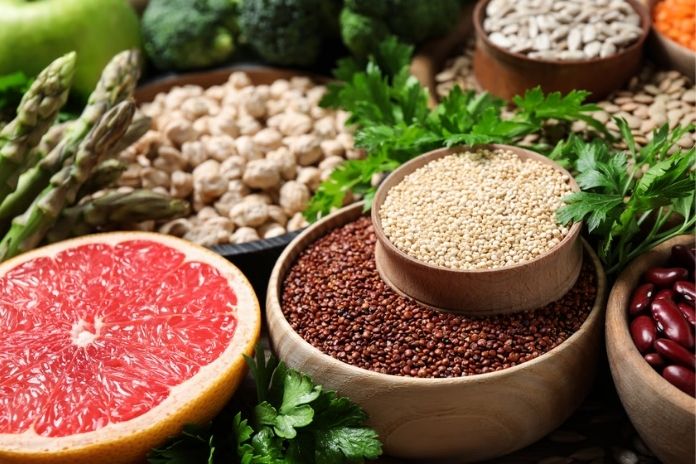
Fiber slows digestion and helps regulate appetite. Meals rich in fiber promote fullness and reduce the likelihood of overeating. A focus on fiber-rich foods supports both digestive health and weight management.
Consistently building meals around these foods can help maintain a calorie deficit more easily.
Practical Plate Method to Break a WFPB Plateau
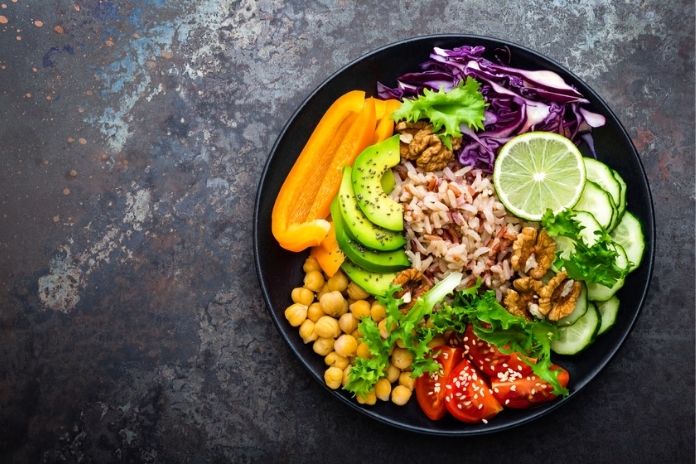
Half Plate Non-Starchy Vegetables
Filling half your plate with vegetables increases meal volume without adding many calories. This helps create a sense of fullness. It also ensures adequate intake of vitamins, minerals, and fiber. This approach supports weight loss while maintaining nutritional balance.
One-Quarter Legumes Or Protein-Rich Plant Foods
This portion provides protein and fiber, both of which are important for satiety. It also helps preserve lean muscle mass. Maintaining muscle is important for sustaining metabolic rate.
Including legumes regularly can improve meal balance and fullness.
One-Quarter Intact Whole Grains
Keeping grains to a moderate portion helps control calorie intake while still providing energy. Choosing intact grains improves satiety. This balance prevents over-reliance on grains while maintaining dietary variety.
It also supports more stable blood sugar levels.
Adjusting Portions Based On Hunger And Progress
Paying attention to hunger cues can help guide portion sizes. If weight loss has stalled, small adjustments may be needed. Tracking progress over time can help identify patterns and necessary changes. Gradual adjustments are more sustainable than drastic restrictions.
Other Factors That May Contribute to Plateaus

Reduced Activity Levels
A decrease in physical activity reduces total daily energy expenditure. This can happen gradually and may go unnoticed. Even small reductions in movement can impact calorie balance.
Maintaining consistent activity levels is important for continued weight loss.
Inadequate Sleep And Stress
Poor sleep and high stress levels can disrupt hormones that regulate hunger and appetite. This may increase cravings and food intake. Stress can also lead to emotional eating or reduced motivation for physical activity. Improving sleep and stress management can support better weight control.
Underestimating Portion Sizes
Portion sizes often increase over time without conscious awareness. Even healthy foods can contribute excess calories if eaten in large amounts. Measuring portions occasionally can help maintain awareness.
This is especially important for calorie-dense foods like grains and fats.
Loss Of Lean Mass Affecting Metabolism
Weight loss can include some loss of muscle mass, which reduces resting metabolic rate. This means the body burns fewer calories at rest. Maintaining muscle through adequate protein intake and activity is important.
Preserving lean mass helps support long-term weight management.
When to Reassess Your WFPB Approach
Plateau Lasting Several Weeks
A plateau that continues for several weeks suggests that your current routine may need adjustment. This could involve changes in diet, activity, or both. Reassessing food choices and portion sizes can help identify contributing factors. Small, targeted changes are often effective in restarting progress.
Energy Levels Dropping Significantly
Low energy levels may indicate that your diet is not meeting your nutritional needs. This can affect both physical and mental performance. It may also signal that calorie intake is too low or unbalanced.
Ensuring adequate nutrition is essential for sustainable weight loss.
Difficulty Maintaining Intake
If your diet feels difficult to sustain, it may not be appropriate for long-term use. Restrictive patterns can lead to inconsistency or overeating. Adjusting food choices to improve satisfaction can help. Sustainability is key to long-term success.
When Professional Nutrition Guidance May Help
A registered dietitian can provide personalized recommendations based on your health status and goals. This can help identify specific barriers to progress. Professional guidance is especially useful for persistent plateaus.
It ensures that dietary changes are both effective and nutritionally adequate.
Read More: I Added Chia Seeds to My Diet Daily — Here’s What Changed
Key Takeaway
Weight loss plateaus are a normal physiological response to reduced body weight and changes in energy balance. Even on a whole-food plant-based diet, refined grains can contribute to stalled progress due to their lower satiety and higher calorie density.
Shifting toward whole grains, legumes, and fiber-rich foods, while maintaining balanced portions, can help restore a calorie deficit and support continued, sustainable weight loss.
References
- Harvard T.H. Chan School of Public Health. (n.d.). Stress and health. The Nutrition Source.
- Harvard T.H. Chan School of Public Health. (n.d.). Whole grains. The Nutrition Source.
- Slavin, J. L. (2019). Dietary fiber and body weight. Nutrition, 67–68, 110531.
- Reynolds, A., Mann, J., Cummings, J., Winter, N., Mete, E., & Te Morenga, L. (2019). Carbohydrate quality and human health: A series of systematic reviews and meta-analyses. The Lancet, 393(10170), 434–445.
- Hall, K. D., Ayuketah, A., Brychta, R., et al. (2019). Ultra-processed diets cause excess calorie intake and weight gain: An inpatient randomized controlled trial. Cell Metabolism, 30(1), 67–77.e3.
- Te Morenga, L., et al. (2020). Dietary sugars and body weight: Systematic review and meta-analyses of randomized controlled trials and cohort studies. BMJ, 346, e7492.
In this Article