













Search for supplements that protect skin from the sun, and you will see bold claims: “oral sunscreen,” “SPF in a pill,” and “inside-out protection.” The market for oral sun protection supplements is growing very fast, and not everything is fake. Some compounds such as Polypodium leucotomos, nicotinamide, and certain antioxidants do show measurable effects in human studies.
Dr. Rashmi Naldeega, a dermatologist, said, “Unlike topical sunscreens, which require frequent reapplication, oral supplements provide consistent protection throughout the day, regardless of sweat or water exposure.
This makes them ideal for those spending long hours outdoors or engaging in activities like swimming or outdoor sports. They are also a good option for people with sensitive skin who may experience irritation from topical sunscreens.”
But here is the important part many people miss: these effects are small, specific, and not equal to sunscreen. This confusion is not harmless. If someone believes a capsule can replace SPF, they are increasing their real risk: sunburn, premature aging, and even skin cancer. So we need to separate proper clinical evidence from marketing language.
This article breaks down oral photoprotection in a clear way by mechanism, by strength of evidence, and by real-world usefulness. No exaggeration. No “miracle supplement” tone.
Medical note: Always discuss supplements with a dermatologist, especially if you have a history of skin cancer or high sun sensitivity.
- A few supplements, like Polypodium leucotomos and nicotinamide sun protection, have real clinical evidence, but they work only as support.
- They do not act like sunscreen. Most others are weak, overhyped, or misunderstood.
How Oral Sun Protection Supplements Work: Three Distinct Mechanisms
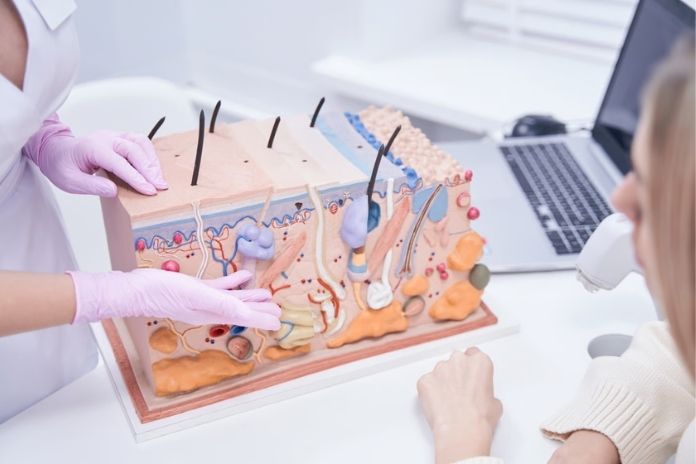
Before talking about individual oral sun protection supplements, one thing should be clear: they do not all work in the same way. This is where most articles fail; they just list ingredients without explaining how they act. There are three different biological pathways:
1. Antioxidant (ROS) Quenching
UV radiation creates reactive oxygen species (ROS) inside the skin. These are unstable molecules that damage DNA, proteins, and cell membranes. Antioxidants like vitamin C, vitamin E, astaxanthin, and carotenoids try to neutralize these molecules before damage spreads.
The approach sounds good in theory. But in practice, when taken as supplements, the effect is usually modest and inconsistent. Food-based antioxidants show stronger benefits than isolated pills. Reason is synergy; nutrients in food work together, not alone, and boost each other’s beneficial effects.
2. Anti-Inflammatory Modulation
Some compounds don’t directly block UV damage but reduce the skin’s inflammatory response after exposure. This is where the Polypodium leucotomos supplement comes in.
It acts on pathways like NF-κB and prostaglandins, which are responsible for redness, swelling, and immune reaction after UV exposure. Less inflammation means less visible damage and sometimes lower long-term harm. This mechanism has stronger clinical backing than simple antioxidants.
3. DNA Repair Enhancement
This is the most important and most misunderstood mechanism. UV radiation causes specific DNA damage, cyclobutane pyrimidine dimers (CPDs). These are directly linked to skin cancer development. Some compounds, like nicotinamide (vitamin B3), help the body repair this damage more efficiently.
It works through NAD⁺-dependent enzymes (the PARP system). This is not just “reducing damage”; it is actively improving repair. That is why this category has the strongest clinical outcomes.
What Supplements Have Genuine RCT Evidence in Skin Protection from Sun
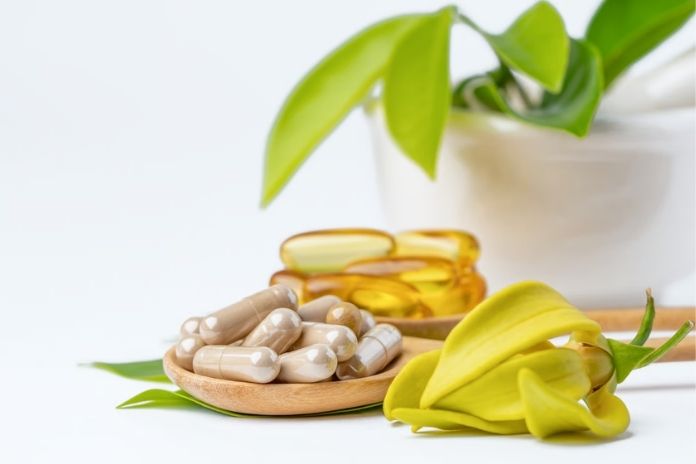
1. Polypodium leucotomos extract: The best-studied oral photoprotector
Polypodium leucotomos is not a modern synthetic compound. It is derived from a tropical fern plant. But its evidence as sun protection supplements is quite modern, from multiple randomized controlled trials (RCTs). Studies show:
- Reduced UV-induced redness (erythema)
- Lower markers of DNA damage in skin
- Benefits in conditions like polymorphous light eruption and melasma
This is not just lab theory; there are real human trials. But here is the correction that almost nobody says clearly: Its effect is small in SPF terms. Some estimates suggest an effect roughly similar to SPF 2–3 in ideal conditions. Compare that to SPF 30 sunscreen, which blocks about 97% of UVB radiation. So what does this mean practically?
- It is useful for people who are very sun-sensitive
- It may reduce the severity of the reaction
- It can support the overall protection strategy
But it cannot and should not replace sunscreen. Not even close.
2. Nicotinamide, the strongest cancer prevention evidence: Largely ignored
Nicotinamide (vitamin B3) is different from niacin. This confusion is common. Niacin causes flushing. Nicotinamide does not. What makes it important is not just the mechanism but also clinical outcome data. A 2015 randomized controlled trial (386 high-risk patients) showed the following:
- 23% reduction in new non-melanoma skin cancers
- 11% reduction in actinic keratoses
- Dose: 500 mg twice daily for 12 months
This is not a small cosmetic improvement. This is disease-level impact. But context matters:
- Participants already had a history of skin cancer
- This is not general population prevention advice
- The effect depends on continuous use
So this is not a “sun supplement” for everyone. It is closer to a targeted preventive strategy for high-risk individuals, ideally under medical supervision. Still, in the entire field of oral photoprotection, this is one of the strongest pieces of evidence.
Promising Supplements for Sun Protection But With Limited Evidence
Now we come to the middle category, supplements that show signals but not strong enough for a confident recommendation.
1. Astaxanthin
A carotenoid from microalgae. It is often marketed for anti-aging and skin glow. Some small RCTs show:
- Reduced oxidative stress markers
- Improved skin elasticity and hydration
- Slight increase in UV tolerance
“Its antioxidant properties play a role in shielding the eyes from UV radiation,” says neuroscientist Dr. Gregory P. Gasic. The direction is positive. But the problem is scale and consistency: small sample sizes, short study durations, and different dosing methods. So, current position: Reasonable for general skin health. Possible UV support. But not strong enough to rely on.
2. Vitamin C and E combination
Individually, both vitamins have weak evidence as oral photoprotectors. But when combined, some studies show a synergistic antioxidant effect and modest reduction in UV-induced redness. Still, there is an important distinction: diet works better than supplements here.
People who eat diets rich in citrus fruits, nuts and seeds, and leafy vegetables show better outcomes than those taking isolated capsules. This is a pattern seen again and again in nutrition science.
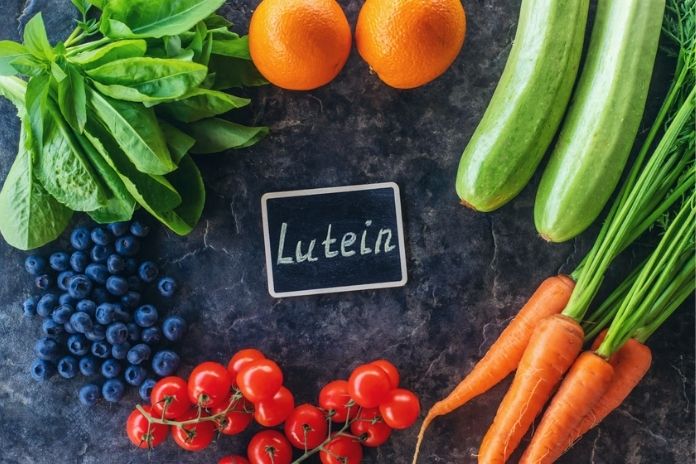
3. Lycopene, lutein, and carotenoids (from food)
This is where the “food vs supplement” gap becomes very clear.
- Lycopene (tomatoes)
- Lutein (green vegetables)
- Polyphenols (tea, berries)
Dietary intake of these is associated with better UV tolerance. But when taken as isolated supplements, results are weaker and inconsistent. So the practical advice is simple, even if it sounds boring: Eat the food, don’t rely on the capsule.
What Doesn’t Work, and What Can Be Harmful
1. Beta-carotene
This one is important because it is still marketed as a “skin antioxidant.” Reality: Large RCTs found no meaningful UV protection. In smokers, supplementation increased lung cancer risk (ATBC, CARET trials). So this is not just ineffective. In certain groups, it is harmful. Conclusion: Do not use beta-carotene supplements for sun protection.
2. Collagen supplements
Very popular in beauty marketing. There is some evidence for skin hydration and elasticity improvement. But for UV protection specifically, almost no meaningful evidence. This is a different category (anti-aging vs. photoprotection), but marketing mixes them.
3. Antioxidant blends and “SPF supplements”
These are usually:
- Proprietary mixtures
- Not tested as a whole product
- Based on weak individual ingredient evidence
The final product almost never has proper clinical trials. So claims are often much stronger than the science behind them.
Read More: 10 Recommended Sunscreens for Women’s Daily Protection
The Hierarchy: Where Supplements Fit in a Sun Protection Strategy
This is the most important section, because without it, everything above can be misunderstood.
There is a clear hierarchy:
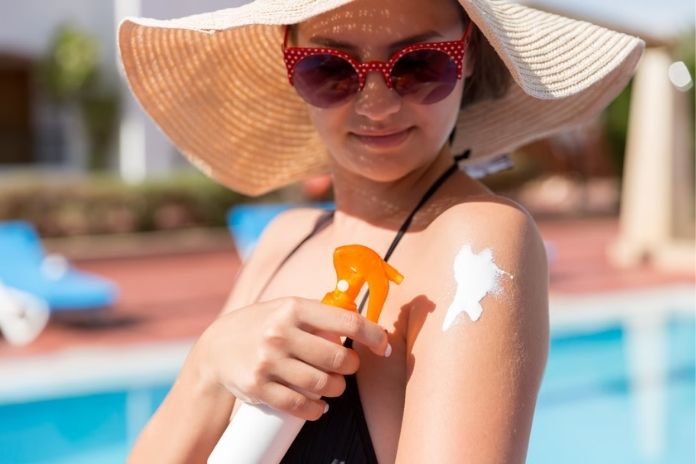
- Avoid peak sun (10 am–4 pm)
- Clothing, hats, physical barriers
- Broad-spectrum SPF 30+ sunscreen (correct use, reapplication)
- Supplements as an adjunct only
Supplements:
- Do not block UV rays
- Do not prevent sunburn reliably
- Do not replace sunscreen in any scenario
They work at the cellular level, reducing some damage and improving repair. That is useful, but limited. If sunscreen is missing, supplements cannot compensate.
Read More: Can You Use Face Sunscreen on Your Body? What Dermatologists Suggest
Final Thoughts
There is real science in oral photoprotection. But also a lot of overstatement. Polypodium leucotomos is a useful adjunct. Nicotinamide has strong evidence in high-risk groups. Most others have weak or emerging evidence. Beta-carotene for sun protection is ineffective and sometimes harmful.
The basics of sun protection have not changed. And they are still more powerful than any capsule. Supplements can support the system. They cannot replace it.
- Oral photoprotection works through three different pathways: antioxidant, anti-inflammatory, and DNA repair, and not all supplements act equally across them.
- Nicotinamide is one of the few supplements with real disease-level outcome data, not just cosmetic or lab markers.
- Food-based antioxidants consistently outperform supplement forms, a major gap ignored in most content.
- The idea of “SPF supplement” is scientifically incorrect; no oral compound has an approved SPF equivalent in real-world use.
- Major research gap: Long-term, large-scale studies (RCTs) comparing combined supplement strategies vs. diet vs. sunscreen integration are still missing.
References
- Chen, A. C., Martin, A. J., Choy, B., Fernández-Peñas, P., Dalziell, R. A., McKenzie, C. A., Scolyer, R. A., Dhillon, H. M., Vardy, J. L., Kricker, A., St. George, G., Chinniah, N., Halliday, G. M., & Damian, D. L. (2015). A Phase 3 Randomized Trial of Nicotinamide for Skin-Cancer Chemoprevention. New England Journal of Medicine, 373(17), 1618–1626.
- Ito, N., Seki, S., & Ueda, F. (2018). The Protective Role of Astaxanthin for UV-Induced Skin Deterioration in Healthy People—A Randomized, Double-Blind, Placebo-Controlled Trial. Nutrients, 10(7), 817.
- Keršmanc, P., Pogačnik, T., Žmitek, J., Hristov, H., Točkova, O., & Žmitek, K. (2025). Effects of Eight-Week Supplementation Containing Red Orange and Polypodium leucotomos Extracts on UVB-Induced Skin Responses: A Randomized Double-Blind Placebo-Controlled Trial. Nutrients, 17(7), 1240–1240.
In this Article