


















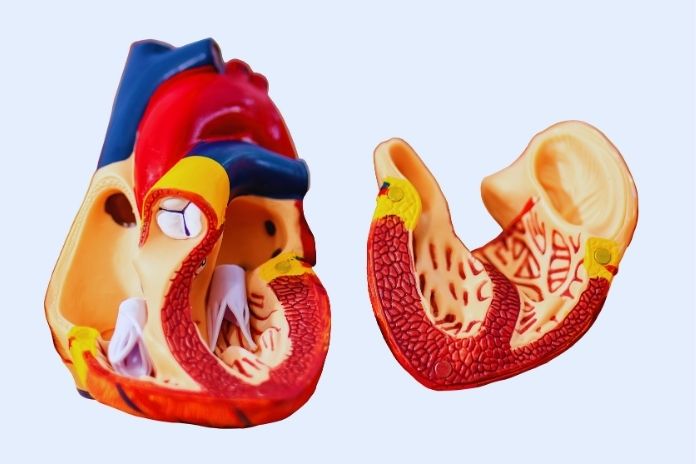
Most people think the heart problem means a heart attack only. But actually, there are other conditions also where the heart is not blocked but inflamed or infected. Pericarditis and endocarditis are two of those. Names look similar, but the problem is happening in a completely different part of the heart.
Many times, symptoms look small at the beginning. Chest pain, fever, and weakness are often ignored, thinking of normal viral or gas issues. Later, it becomes complicated. So understanding the difference between pericarditis and endocarditis is not just theory; it actually helps in real-life decisions.
- Pericarditis is inflammation of the outer heart covering, usually less severe and often viral.
- Endocarditis is an infection of the inner heart lining and valves, which is more dangerous and needs urgent treatment.
- Symptoms of pericarditis vs. endocarditis differ: chest pain pattern vs. persistent fever and weakness. Early check-in is important.
Read More: Why Your ECG Looks Normal — But Your Heart Isn’t: The Role of Circadian-Driven
What Is Pericarditis?
Pericarditis means inflammation of the outer covering of the heart, which is called the pericardium. It is like a thin layer wrapping the heart, not very thick, but important. It has a small amount of fluid also, so the heart can move smoothly when beating.
Its job is simple: to protect the heart and allow smooth movement when the heart beats. Now, when this layer becomes inflamed, it loses smoothness. It becomes rough. Because of that, when the heart moves, there is friction. That friction is what creates pain.
One important thing: pain in pericardium inflammation is not random. It has a pattern. It changes with position. It is not deep muscle pain like a heart attack. It is more surface-type pain, but still sharp. That is why doctors can suspect it from history, not just tests.
There are two types of pericarditis:
- Acute – comes suddenly, lasts a few days to weeks
- Recurrent – comes again after the patient feels fine
Many cases come after a viral infection. The person had a fever, a cold, and body pain, and then, after a few days, chest pain started. That link is important, but people miss it. Also, it is not happening only in old people. Even a young, otherwise healthy person can get pericarditis. That is why ignoring symptoms, thinking, “I am young, nothing serious,” can be a mistake.
What Is Endocarditis?
Endocarditis is very different. Here, the problem is inside the heart, not outside. It affects the inner lining of the heart, especially the valves. And here, the main issue is not just cardiac inflammation; it is infection. Usually bacteria.
What happens is that bacteria enter the bloodstream. This can happen from small things like dental infection, skin infection, or some medical procedure. Once bacteria are in the blood, they travel. If it finds a place in heart valves, it sticks there. After sticking, it starts growing. Forms clumps. Slowly damages the valve. That damage is not reversible easily.
There are two patterns of this heart valve inflammation:
- Acute – fast, severe, patient becomes sick quickly
- Subacute – slow, symptoms are mild initially, but damage continues
This condition is not very common, but when it happens, it gets serious. Delay in treatment can lead to permanent heart damage.
Pericarditis vs. Endocarditis: Key Differences at a Glance
Location of Inflammation
Pericarditis happens in the outer covering. Endocarditis happens inside the lining and valves. This is the main base difference. Outside irritation behaves differently from inside infection.
Most Common Causes of Pericarditis and Endocarditis
Pericarditis is mostly from a viral infection or the body’s immune reaction. Infectious endocarditis is mostly caused by bacteria in the blood.
Typical Symptom Patterns
Pericarditis pain is sharp and position-based. Bacterial endocarditis symptoms are more like infection, fever, weakness, and slow decline.
Severity and Complications
Viral pericarditis signs are often manageable but can be complicated. Endocarditis is more dangerous because it damages the heart structure.
Urgency of Treatment for Pericarditis vs Endocarditis
Pericarditis needs evaluation, but it is not always an emergency. Endocarditis is always urgent.
Symptoms of Pericarditis

Symptoms here are actually quite specific, but people don’t notice the pattern:
Sharp Chest Pain that Changes with Position
This is the most important clue. Pain becomes worse when lying down or taking deep breaths. Sometimes a person feels like stabbing pain.
Pain Relief When Sitting Forward
Very typical. A person sits bending forward and feels better. This is because pressure on the inflamed layer reduces. This is not seen in a heart attack usually.
Low-Grade Fever
Not always a high fever. Sometimes mild, sometimes none.
Fatigue and Weakness
The body feels low energy. Even small work feels heavy, but not extreme like a severe infection.
Shortness of Breath When Lying Down
Because lying flat increases pressure on the heart’s covering. Not always severe, but noticeable.
One Important Confusion: People think this is a heart attack. But the pattern is different. Still, without testing, we cannot assume.
Symptoms of Endocarditis

Symptoms here are more widespread in the body and sometimes slow:
Persistent Fever and Chills: Fever keeps coming. Not going away easily with simple medicine.
Fatigue and Unexplained Weakness: Very common. A person feels drained even without heavy work.
New or Changing Heart Murmur: This is the doctor’s finding. Valve damage causes abnormal sound. The patient is usually not aware.
Night Sweats and Weight Loss: Slow symptoms. Often ignored, thinking of normal weakness.
Skin Findings: Small red or purple spots. Under nails, on skin, even in eyes sometimes. These are due to small vessel issues.
Shortness of Breath or Swelling: Happens when heart function starts getting affected.
Causes of Pericarditis

- Viral Infections: After a viral illness, inflammation spreads.
- Autoimmune Conditions:The body is attacking its own tissue. This autoimmune pericarditis can affect the pericardium also.
- Post-Heart Attack Inflammation: Body reaction after heart injury.
- Kidney Failure: Toxins irritate the pericardium.
- Medication-Related or Idiopathic:Sometimes, no clear cause is found.
Causes of Endocarditis

This is more about infection entry and settling:
- Bacterial Bloodstream Infections: The main cause. The entry point can be small.
- Intravenous Drug Use: Direct bacterial entry.
- Prosthetic Heart Valves: Artificial surfaces are easier for bacteria to stick.
- Congenital Heart Defects: Abnormal structure increases risk.
- Dental Procedures and Poor Oral Health: A very underestimated cause. Gum infection can send bacteria into the blood.
Who Is at Higher Risk for Each Condition?
Risk Factors for Pericarditis
The recent viral illness is the biggest risk. Also, autoimmune disease or recent surgery. “Most patients who develop pericarditis have had a recent viral infection, and those affect people of all ages, but especially young individuals, more commonly males than females in the general population,” Dr. Leslie Cooper, a cardiologist, says.
Risk Factors for Endocarditis
Artificial valves, previous endocarditis, valve problems, and a long-term IV line. Healthy people also can get it, but the risk is less.
How Doctors Diagnose Pericarditis vs. Endocarditis

Diagnosis is not a one-test job. It is a combination of signs. The doctor first listens to the heart. In pericarditis, a rubbing sound may be heard. In endocarditis, a murmur is due to valve damage.
ECG helps in pericarditis because the pattern changes in a specific way. Endocarditis usually does not give a clear ECG pattern. Blood tests show inflammation in both disorders. But blood culture testing is very important in endocarditis to find bacteria.
Echocardiogram diagnosis is key. It shows fluid outside the heart in pericarditis and an infected growth on the valves in endocarditis. Sometimes extra scans are needed if confusion is still there.
As Dr. Abdel Hadi El Hajjar, a board-certified internist, also says, “pericardial effusion, detected on echocardiography, can range from a mild fluid buildup to a more significant collection. The diagnosis can be supported by findings like elevated inflammatory markers CRP and ESR or pericardial inflammation on MRI.”
Treatment for Pericarditis

- Anti-Inflammatory Medications: Main treatment; reduces pain and inflammation.
- Colchicine Therapy: Used to reduce recurrence.
- Treating Underlying Causes: If autoimmune or kidney issues are present.
- When Hospitalization is Needed: If severe symptoms or complications occur.
- Recovery Timeline: Usually weeks. But recurrence is possible.
Treatment for Endocarditis

Treatment here is more serious and longer. The patient is usually admitted to the hospital. Antibiotics are given through a vein, not tablets. Because the heart tissue infection is deep and strong, medicines are needed.
“If there is pericarditis and fluid accumulation around the heart, a procedure called pericardiocentesis can be done to drain the fluid, and a sample can be sent for further laboratory analysis to help find out the cause of pericarditis,” Dr. Beeletsega Yeneneh, a cardiologist, noted.
Treatment continues for weeks. Not a few days. This is important because stopping early can cause relapse. Doctors keep checking the heart during treatment. If the valves are too damaged, surgery may be needed. Early start of treatment makes a big difference. Delay increases complications.
Potential Complications
Complications of Pericarditis
Fluid accumulation can happen. If too much fluid, it presses the heart. That condition is serious. Also, some patients get repeated episodes, which become a long-term problem.
Complications of Endocarditis
Valve damage is the biggest issue. Also, infection pieces can travel and block vessels, causing a stroke. Heart failure can develop. Sometimes an abscess forms inside the heart.
Read More: Beer Belly vs. Overall Weight: Which Is Worse for Your Heart?
When to Seek Medical Attention
Chest pain changing with position should not be ignored. Fever with weakness and heart-related symptoms is also important. If symptoms come after infection or dental work, more suspicion is needed. Emergency signs like severe chest pain, fainting, or breathing difficulty need immediate care.
Can These Conditions Be Prevented?
Pericarditis prevention is mainly general infection control. Nothing very specific. Endocarditis prevention is more structured. Dental hygiene matters a lot. Some high-risk patients need antibiotics before procedures. Managing existing heart problems reduces risk.
Read More: Beyond Weight Loss: GLP-1 Benefits for Heart Disease and Diabetes Prevention
Final Thoughts
These two conditions look similar in name but behave very differently. One is mostly irritation of the outer layer; the other is an infection eating inside the structures. The problem is that early-stage symptoms look small. That is where people delay. Not every chest pain is serious, but some are a warning.
Understanding the pattern is key, not overthinking, not ignoring.
- Pericarditis is outer layer inflammation; endocarditis is inner infection.
- A pain pattern vs. a fever pattern is the main difference.
- Endocarditis could be dangerous.
- Early diagnosis changes the outcome.
- Ignoring symptoms is the biggest risk.
References
- Cleveland Clinic. (2022). Pericarditis .
- Mayo Clinic. (2022). Pericarditis – Symptoms and causes.
- Sarda, A. K., & Thute, P. (2022). Importance of ECG in the Diagnosis of Acute Pericarditis and Myocardial Infarction: A Review Article. Cureus, 14(10).
- Yallowitz, A. W., & Decker, L. C. (2023). Infectious endocarditis. PubMed; StatPearls Publishing.
In this Article