




















Featured Answer:
The most harmful polycystic ovary myths are:
- Polycystic ovaries mean you have PCOS: That’s not true.
- PCOS only affects overweight women: False, it affects women of all sizes.
- Cysts seen in the USG are actual cysts: No, they are immature follicles.
- PCOS means you cannot get pregnant: Most women with PCOS can get pregnant.
- Polycystic ovaries require treatment in the absence of other symptoms: Not always.
Most myths about polycystic ovaries begin with the name itself. Many people assume that seeing “polycystic ovaries” on an ultrasound automatically means they have PCOS, but that is not always true. The so-called “cysts” are usually small immature follicles rather than dangerous ovarian cysts, and many women with polycystic-appearing ovaries do not meet the diagnostic criteria for PCOS.
This confusion has led to years of fear, misdiagnosis, and misconceptions about fertility, weight, and long-term health. In fact, the term “polycystic ovary syndrome” (PCOS) has been criticized for focusing on ovarian appearance while overlooking the condition’s broader hormonal and metabolic effects. Reflecting these concerns, an international initiative has proposed renaming PCOS as “Polymetabolic Ovarian Syndrome” (PMOS).
In this article, we examine some of the most common myths about polycystic ovaries and PCOS, including misconceptions about fertility, body weight, ultrasound findings, and the true nature of the condition. We also explore why experts believe the current name may be contributing to widespread misunderstanding.
- Many people think polycystic ovaries automatically mean PCOS, but that is not always true.
- The “cysts” are actually small follicles, not dangerous ovarian cysts. PCOS can affect women of any body size and does not mean pregnancy is impossible.
- More than a reproductive disorder, PCOS is a hormonal and metabolic condition. The proposed term “Polymetabolic Ovarian Syndrome” (PMOS) has recently been given approval by the concerned parties.
Read More: Hormones, PCOS, and Hidradenitis Suppurativa: The Hidden Female Risk Factor No One Discusses
Myth 1: Polycystic Ovaries and PCOS Are the Same Thing
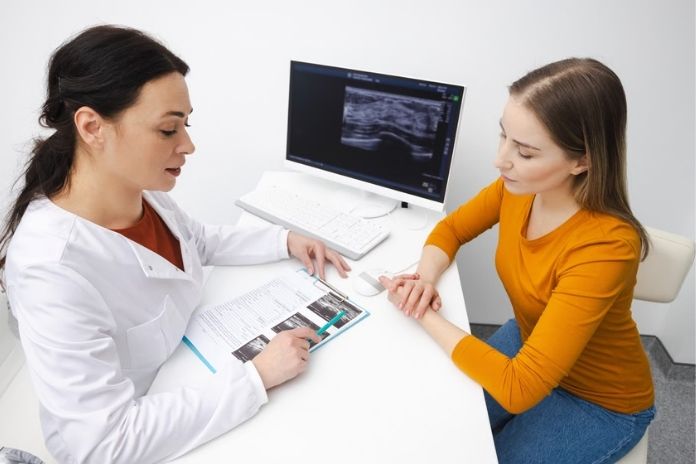
This is probably the most common and most damaging misconception. Many women are told during an ultrasound that their ovaries “look polycystic.” They go home believing they have been diagnosed with PCOS. But polycystic ovarian morphology (PCOM) and PCOS are not automatically the same thing.
“I’ve seen women absent of cysts who have PCOS, and others with cysts who don’t have PCOS, so this isn’t always the case,” shares Dr. David H. Moskowitz, a board-certified gynecologist.
PCOS is a hormone-related syndrome affecting around 4 to 20% of women worldwide, depending on the criteria doctors use and which population is studied. For diagnosis, doctors usually follow the Rotterdam criteria. Out of 3 signs, at least 2 should be present. These include irregular or missed periods, higher androgen signs like acne, facial hair, or high testosterone, and polycystic ovaries on ultrasound.
Only one symptom alone is usually not enough for a PCOS diagnosis. That means many women with polycystic-looking ovaries do not actually have PCOS. Their periods may be regular. Hormones are normal. No androgen symptoms. No metabolic issues.
The harm from this myth is bigger than people realize. Some women start extreme dieting unnecessarily. Some are prescribed medications for a condition they do not have. Others become frightened about infertility before any fertility problem even exists. An ultrasound finding alone is not a diagnosis. This point gets lost constantly online.
Myth 2: The “Cysts” Are Actual Cysts That Can Rupture or Twist

The word “cyst” creates immediate fear because people associate it with painful ovarian cysts needing surgery or emergency treatment. But the “cysts” in PCOS are not true ovarian cysts at all.
They are actually immature follicles. Small fluid-filled sacs where eggs begin developing but do not fully mature and release during ovulation. They usually measure around 2 to 9 mm. They do not behave like pathological ovarian cysts. They do not suddenly burst dramatically or twist the ovary in the way larger true cysts sometimes can.
This misunderstanding exists mainly because the terminology is old and inaccurate. Many specialists now openly say the word “polycystic” should never have been used in the first place.
True ovarian cysts are completely different clinical entities. They may develop from other ovarian tissues, can grow much larger, sometimes cause pain, bleeding, or ovarian torsion, and occasionally require surgery or monitoring. PCOS follicles are basically stalled follicles. Not dangerous cysts waiting to rupture. This naming confusion alone has caused huge unnecessary anxiety for decades.
Myth 3: PCOS Only Affects Overweight Women

Public health messaging around PCOS often focuses heavily on weight. So many women assume that if they are thin or average weight, they cannot possibly have PCOS. That is not correct.
Around 20 to 30% of women with PCOS are considered lean or have a normal BMI. These women often face delayed diagnosis because neither doctors nor patients suspect PCOS without visible weight gain. Lean PCOS absolutely exists.
What makes this more complicated is that PCOS is not just about body size. Insulin resistance and visceral fat distribution can occur even in women who appear slim externally. Some lean PCOS patients actually have quite significant metabolic dysfunction despite normal BMI.
Many lean women with PCOS present more strongly with acne, scalp hair thinning, irregular periods, or excess facial hair rather than obvious weight issues. Weight loss can improve symptoms in women who carry excess body fat, yes. Especially insulin resistance and ovulation patterns.
But PCOS is not caused by “being overweight.” That oversimplification causes shame and delays diagnosis in many patients. Also important: some women do everything “correct” lifestyle-wise and still have PCOS symptoms because hormonal and genetic factors are involved too.
Myth 4: PCOS Means You Cannot Get Pregnant

“This is probably the most common myth when it comes to PCOS,” says obstetrician and gynecologist Dr. Melanie Bone. This myth creates enormous emotional distress very early after diagnosis. Many women hear “PCOS” and immediately think infertility is guaranteed. Some even panic before they have ever tried conceiving. The reality is more nuanced.
PCOS is the most common cause of ovulatory infertility because irregular ovulation makes conception less predictable. But irregular ovulation is not the same thing as permanent infertility.
Many women with PCOS conceive naturally without fertility treatment. Especially women whose ovulation is irregular rather than completely absent. Even for women needing medical support, treatment outcomes are often very good now.
Under the 2023 International PCOS Guideline, letrozole is recommended as the first-line ovulation induction treatment and has strong success rates. IVF remains available for more complex cases. PCOS should be understood as a condition where fertility monitoring may be needed, not as a fertility sentence.
Actually, another important point gets ignored often: because ovulation may happen unpredictably, some women with PCOS wrongly assume pregnancy cannot happen and skip contraception. Unplanned pregnancy still happens regularly in PCOS patients. The condition affects fertility possibilities. Not a fertility impossibility.
Read More: PCOS is More Than a Period Problem: A Metabolic Disease That Affects Your Whole Body
Myth 5: If Your Ultrasound Is Normal, You Cannot Have PCOS
This myth works in the opposite direction but causes similar confusion. Some women with irregular cycles and androgen symptoms are told their ultrasound looks “normal” and therefore assume PCOS has been ruled out completely. Not true.
Under the Rotterdam criteria, PCOS diagnosis requires any two out of three features. So a woman with irregular periods and elevated testosterone levels can still fully meet diagnostic criteria even if her ovaries look normal on ultrasound. Also, adolescent diagnosis is especially complicated.
During teenage years, the ovaries naturally appear more follicular because the reproductive axis is still maturing. That is why current guidelines recommend against using ultrasound for PCOS diagnosis until eight years after menarche. This matters because too many teenagers are labelled with PCOS based only on scan appearance.
Another major update: the 2023 guideline now allows AMH blood testing as an alternative method for evaluating ovarian morphology in some situations. So ultrasound is no longer viewed as the only route for assessment. A normal scan does not fully exclude PCOS. An abnormal scan does not automatically confirm it either.
Myth 6: PCOS Is Just a Reproductive Condition
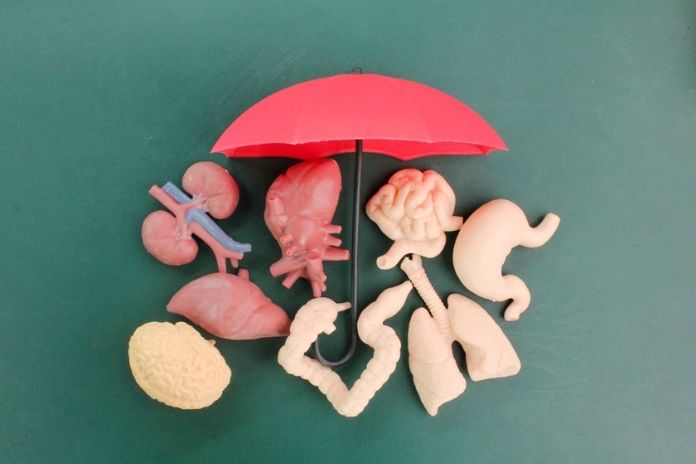
This misunderstanding is one reason experts want the name changed to PMOS. Many people still think PCOS is mainly about periods, ovaries, acne, and fertility. But the condition is much broader metabolically.
PCOS is linked with many other health problems, not only periods and ovaries. Many women with PCOS have insulin resistance, a higher risk of type 2 diabetes, heart-related risk factors, fatty liver, sleep apnea, and metabolic syndrome.
Mental health issues are also common. Some women feel strong stress because of weight changes, body image problems, fertility fears, or dealing with symptoms for many years. Now, many researchers are saying the metabolic side of PCOS is actually more serious in the long term than the ovarian side.
Because of this, some experts suggested a new name called “polymetabolic ovarian syndrome.” They believe the old name makes people think it is only an ovarian problem, while actually, the whole body metabolism and hormones are affected.
Another misconception comes after childbirth. Some women assume that once they finish having children, PCOS no longer matters. But insulin resistance and cardiovascular risk continue beyond reproductive years. PCOS management is lifelong health management for many women, not only fertility management.
Read More: Period Acne: Why It Happens and How to Manage Hormonal Breakouts
Myth 7: Polycystic Ovaries in Teenagers Mean They Definitely Have PCOS

This myth creates unnecessary panic in families very often. Teenagers undergo pelvic ultrasound for pain, irregular periods, or unrelated reasons and are told their ovaries look polycystic. Parents immediately fear chronic disease, infertility, and lifelong hormone problems. But adolescent ovaries naturally contain higher follicle counts.
Research on ovarian development shows that ovarian size and follicle numbers rise rapidly during adolescence and peak in early adulthood. Because of this, adult definitions for polycystic ovarian morphology are unreliable in teenagers. That is why current guidelines specifically advise against using pelvic ultrasound alone for PCOS diagnosis in adolescents.
Teenagers with only one PCOS feature are generally considered “at risk” and followed over time rather than formally diagnosed immediately. A teenager with slightly irregular periods and polycystic-looking ovaries may simply be experiencing normal maturation of the reproductive axis.
Proper adolescent PCOS assessment usually requires persistent irregular cycles plus clinical signs of androgen excess. Not only a scan finding. This distinction matters because early overdiagnosis creates years of unnecessary fear around fertility, body image, and long-term health.
Read More: Weight Gain During Your Period: What’s Normal, What’s Not, and What Actually Helps
Conclusion
PCOS (current terminology: PMOS) impacts 1 in 8 women, which equates to more than 170 million women worldwide. Most polycystic ovary myths start with misunderstanding the name itself. The word “polycystic” makes women imagine dangerous cysts, infertility, progressive disease, or damaged ovaries.
PCOS is a broader hormonal and metabolic condition requiring proper diagnostic criteria, not just one scan appearance. The renaming to PMOS reflects a growing recognition that the current terminology has confused patients for decades. Accurate information matters because fear based on misunderstanding helps nobody.
- Polycystic ovaries on ultrasound alone do not equal a PCOS diagnosis.
- The “cysts” in PCOS are immature follicles, not dangerous ovarian cysts.
- PCOS in lean women does exist and is frequently underdiagnosed because weight stereotypes dominate public understanding.
- The recent renaming to PMOS has given it the due recognition of a metabolic and endocrine disorder and not only a reproductive condition.
- One major research gap still exists around adolescent PCOS diagnosis because normal teenage ovarian development overlaps heavily with adult PCOS criteria.
FAQs
1. Has PCOS been renamed?
Yes, PCOS has been renamed to Polymetabolic Ovarian Syndrome (PMOS). The proposed change aims to reflect its metabolic nature rather than ovarian cysts alone. However, this renaming is not yet officially adopted across global clinical guidelines.
2. Can polycystic ovaries go away on their own?
Yes, polycystic ovaries on ultrasound can resolve over time. Ovarian morphology often normalizes with age or hormonal changes. However, in confirmed PCOS, underlying metabolic and hormonal issues may persist, requiring long-term monitoring despite imaging improvement.
3. Does having polycystic ovaries mean higher cancer risk?
No, polycystic ovarian morphology alone does not increase cancer risk. Elevated endometrial cancer risk is linked to confirmed PCOS with chronic anovulation and prolonged oestrogen exposure. Women with persistent irregular periods should consider medical evaluation and appropriate monitoring.
References
- Chen, W., & Pang, Y. (2021). Metabolic Syndrome and PCOS: Pathogenesis and the Role of Metabolites. Metabolites, 11(12), 869.
- Christ, J. P., & Cedars, M. I. (2023). Current Guidelines for Diagnosing PCOS. Diagnostics, 13(6), 1113.
- Deswal, R., Narwal, V., Dang, A., & Pundir, C. S. (2020). The Prevalence of Polycystic Ovary Syndrome: A Brief Systematic Review. Journal of Human Reproductive Sciences, 13(4), 261–271.
- Kelsey, T. W., Dodwell, S. K., Wilkinson, A. G., Greve, T., Andersen, C. Y., Anderson, R. A., & Wallace, W. H. B. (2013). Ovarian Volume throughout Life: A Validated Normative Model. PLoS ONE, 8(9).
In this Article