
















You go to the ER with chest discomfort. They run an ECG. Ten seconds later, you’re told everything looks normal. Relief washes over you. Weeks later, the palpitations return. Or worse, you discover you had a hidden heart attack that wasn’t obvious the first time. Here’s the uncomfortable truth: an ECG missed arrhythmia is more common than most people realize.
A standard electrocardiogram records only a few seconds of cardiac electrophysiology. If an abnormal rhythm happens outside that brief window, it won’t appear on the tracing. That’s why short tests sometimes miss conditions that require longer observation, such as paroxysmal atrial fibrillation diagnosis or subtle rhythm disturbances that appear intermittently.
Timing adds another layer. Your heart doesn’t behave the same way at 2 AM as it does at 9 AM. The body’s internal clock, regulated by the suprachiasmatic nucleus, influences ion channels, hormone release, blood pressure, and vagal tone. These biological cycles help explain why the circadian rhythm of heart attacks exists and why morning heart attack risk is well-documented in cardiovascular research.
What this really means is simple. A normal ECG does not automatically rule out cardiac problems. When symptoms persist, doctors may look beyond a single test and consider longer monitoring options, such as 24-hour ECG monitoring or evaluating Holter monitor vs. ECG results, to detect circadian-driven arrhythmia patterns that may appear later.
Why a Normal ECG Doesn’t Always Mean a Healthy Heart

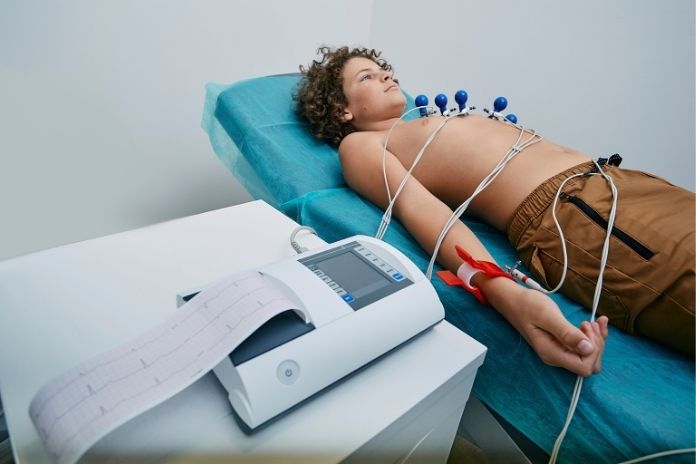
A resting electrocardiogram (ECG) captures roughly 10 seconds of the heart’s electrical activity, a snapshot rather than a full movie. While useful, this brief recording has limitations.
According to the American Heart Association, the standard 12-lead ECG is primarily designed to detect persistent rhythm disturbances, ongoing ischemia, and structural heart abnormalities. But intermittent or fleeting arrhythmias can easily go unnoticed.
Dr. Fred M. Kusumoto, former president of the Heart Rhythm Society, explains: “If the arrhythmia isn’t occurring at the time of the recording, the ECG will look completely normal. That doesn’t mean the heart is normal.”
This is rooted in basic cardiac electrophysiology. Electrical impulses travel through ion channels across heart muscle cells, coordinating each heartbeat. These impulses can become unstable intermittently rather than continuously. If instability occurs only briefly, a standard ECG may never capture it, leaving the arrhythmia undetected.
Paroxysmal Arrhythmias and Missed Diagnoses
Paroxysmal arrhythmias begin suddenly and stop just as quickly. They can last seconds, minutes, or hours, then disappear entirely.
Paroxysmal atrial fibrillation (AFib) is easily missed by short ECG recordings because the episodes are intermittent. A study comparing intermittent ECG snapshots with continuous monitoring found that brief ECGs over two weeks would miss a large proportion of AFib cases that continuous recordings detected.
These intermittent arrhythmias can:
- Occur only briefly
- Resolve spontaneously
- Leave a completely normal ECG afterward
The same logic applies to short bursts of ventricular tachycardia or supraventricular tachycardia.
The Cleveland Clinic notes that extended monitoring, such as Holter monitors, event recorders, or wearable ECG devices, significantly improves detection rates for intermittent arrhythmias compared to a single 10-second recording.
What this means in practical terms: if your symptoms come and go, a one-off ECG may not be enough to rule out serious heart rhythm issues.
When Normal Results Delay Treatment
Here’s where the risk becomes more tangible. Patients often hear “normal ECG” and assume their symptoms are caused by anxiety, stress, or indigestion. This can delay follow-up testing and minimize the likelihood of legitimate symptoms.
A systematic overview highlights that atrial fibrillation significantly increases the risk of ischemic stroke and that many cases are not identified without screening and monitoring, underscoring why delayed diagnosis from reliance on short ECG recordings can have serious clinical consequences.
For clinicians and patients alike, the takeaway is clear: persisting symptoms despite a normal ECG warrant further evaluation. Using extended or repeated monitoring is not overreacting; it’s responsible, evidence-based medicine.
Read More: The Importance of Regular Heart Check-ups: Early Detection and Prevention
How the Body’s Clock Influences Your Heart

Your body runs on a 24-hour internal clock, or circadian rhythm. The master regulator of this rhythm is the suprachiasmatic nucleus in the hypothalamus, which coordinates hormonal release, sleep-wake cycles, metabolism, and cardiovascular function.
Research shows that heart cells themselves have peripheral clocks, which influence ion channel expression, autonomic nervous system balance, and heart rate variability. These peripheral clocks mean that the heart’s electrical properties aren’t constant throughout the day.
Dr. Martin E. Young, a cardiovascular researcher, explains: “The heart is not electrically identical across the day. Its vulnerability to arrhythmias changes with circadian timing.”
Throughout the day, these rhythms affect sympathetic and parasympathetic tone: during daytime hours, sympathetic activity predominates, while at night, vagal (parasympathetic) tone increases. These fluctuations directly impact electrical stability and set the stage for circadian-driven arrhythmias.
Morning Danger Hours (7 AM–11 AM)
Cardiologists have long observed a morning spike in cardiovascular events. Between 7 AM and 11 AM, the body experiences:
- Cortisol surges, elevating stress responses
- Blood pressure rises, increasing myocardial workload
- Platelet activation increases, raising clotting potential
- Sympathetic nervous system activity peaks
A landmark study in The New England Journal of Medicine confirmed that heart attacks are significantly more likely to occur during these early morning hours.
Why does this happen? Hormonal surges increase myocardial oxygen demand while simultaneously making the blood more prone to clotting. If plaque in the coronary arteries ruptures during this vulnerable window, it can trigger a hidden or silent heart attack, particularly NSTEMI events that may not show dramatic ECG changes.
Nighttime Rhythm Shifts
At night, vagal tone dominates, slowing heart rate and altering electrical conduction. For susceptible individuals, this can trigger:
- Bradyarrhythmias (abnormally slow heartbeats)
- Episodes of atrial fibrillation
- Sinus pauses
A study indicates that in patients with vagally mediated atrial fibrillation, episodes often occur during nighttime hours, likely because increased vagal (parasympathetic) activity at night promotes arrhythmia onset.
This explains why someone may feel perfectly fine during the day but experience palpitations, dizziness, or skipped beats at night. If the episode resolves before morning, the ECG may appear normal, which is another reason intermittent arrhythmias can be missed.
Read More: 10 Morning Habits Cardiologists Recommend for a Healthier Heart
The “Hidden” Heart Attack: NSTEMI and Missed ECG Signs

When most people think of a heart attack, they imagine dramatic changes on an ECG, sharp ST elevations that signal immediate danger. That pattern is typical of ST-elevation myocardial infarction (STEMI). But many heart attacks don’t follow this textbook presentation.
NSTEMI, or non-ST-elevation myocardial infarction, is subtler. In NSTEMI, the coronary artery is only partially blocked, causing ischemia, but ST elevation is absent or minimal.
According to current evidence, non-ST-segment elevation myocardial infarctions (NSTEMIs) make up roughly 70 % of all heart attack presentations, and because the coronary blockage is incomplete, the presenting ECG may show only mild ST-segment depression, T-wave inversions, or no obvious abnormalities at all. These subtle or absent signals help explain why NSTEMIs can be overlooked when clinicians rely solely on ECG readings.
Circadian Influence on Plaque Rupture
The risk of plaque rupture in coronary arteries is not evenly distributed across the day. Early morning surges in blood pressure, heart rate, and sympathetic nervous system activity increase stress on vulnerable plaques.
Research has shown that circadian rhythms affect endothelial function and the body’s clotting and fibrinolytic systems, with pro-coagulant activity rising and fibrinolysis falling in the early morning, increasing the risk of thrombosis and related cardiovascular events.
This explains why NSTEMIs often occur in the early hours: partial blockages can trigger a heart attack without producing the full-blown ECG changes seen in STEMI. The result is that standard ECGs may miss the event entirely if clinicians aren’t alert to the timing and risk factors, making diagnosis more challenging.
When Blood Tests Reveal What ECGs Miss
This is where cardiac biomarkers, especially troponin, become critical. Troponin is released when heart muscle cells are injured, making it a key tool for identifying a hidden heart attack even when ECG changes are minimal or absent.
Because an ECG missed arrhythmia or ischemic event can occur outside the brief recording window, clinicians often rely on serial troponin testing to detect damage that the electrical tracing didn’t capture.
Health authorities recommend repeated troponin measurements in patients with suspected acute coronary syndrome, particularly when symptoms persist despite a normal ECG. This approach is especially important for identifying events like NSTEMI detection, where heart muscle injury occurs without the classic ECG patterns seen in full-thickness heart attacks.
In practice, ongoing symptoms such as chest discomfort, shortness of breath, unusual fatigue, or palpitations should trigger further evaluation rather than reassurance from a single test. Blood markers can reveal injury that occurred hours earlier or during periods of heightened circadian-rhythm heart-attack vulnerability, such as the early-morning spike in cardiovascular stress.
In short, when symptoms don’t match the ECG result, clinicians look deeper. Troponin testing helps uncover cardiac injury that short recordings of cardiac electrophysiology may miss, allowing treatment to begin before complications develop.
How to Detect Arrhythmias That Come and Go
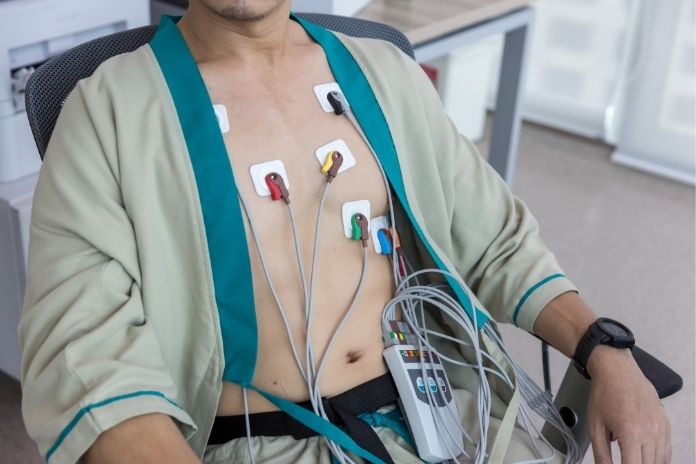
Intermittent symptoms require intermittent-proof testing. If palpitations, dizziness, or fainting spells don’t happen every day, a brief ECG simply may not be long enough to capture the problem. In these cases, duration becomes the most important diagnostic tool.
Extended Heart Monitoring Options
A Holter monitor records continuous heart rhythm activity for 24 to 48 hours. It’s particularly useful when symptoms occur daily or almost daily, such as frequent palpitations or irregular beats. According to Harvard Health Publishing, Holter monitoring significantly improves detection rates compared with a single in-office ECG because it captures a much larger window of electrical activity.
If symptoms occur less predictably, an event recorder may be more appropriate. These devices are worn for weeks and are activated when symptoms occur. They work well for weekly or sporadic episodes that might otherwise evade detection.
For rare but potentially serious events, such as unexplained fainting or stroke without a clear cause, an implantable loop recorder (ILR) may be recommended. Placed just under the skin, an ILR can monitor heart rhythms for up to three years.
A landmark study demonstrated that implantable loop recorders detect atrial fibrillation at significantly higher rates in patients with cryptogenic stroke than with short-term monitoring, and that ILRs uncover AF in substantially more patients over extended follow-up than conventional ECG surveillance.
When an ECG has missed an arrhythmia and suspicion remains high, longer monitoring isn’t excessive; it can be lifesaving.
When to Request Long-Term Monitoring
Here’s the practical question: when should you ask for additional testing?
If symptoms appear and disappear, especially if they occur at certain times of day, longer monitoring is worth discussing with your doctor. Intermittent palpitations, fainting episodes, unexplained chest discomfort, or a prior stroke without a clear cause can all point toward a circadian-driven arrhythmia that a short test might miss. In these situations, a missed arrhythmia on ECGbecomes a real possibility.
This is where the Holter monitor vs ECG comparison matters. A standard ECG captures only seconds of cardiac electrophysiology, which works well for constant abnormalities. But when rhythm disturbances appear intermittently, tools like 24-hour ECG monitoring with a Holter monitor or even an implantable loop recorder (ILR) can track heart activity over days or months.
Longer monitoring is especially useful when clinicians are investigating conditions such as paroxysmal atrial fibrillation, where abnormal rhythms appear briefly and then disappear. By extending the monitoring window, doctors increase the likelihood of capturing the event when it occurs.
In short, the issue isn’t which test is better. It’s about timing. When symptoms are unpredictable, longer monitoring dramatically improves the odds of detecting the rhythm disturbance that short ECG snapshots might miss.
Read More: Supplements That Can Cause Heart Palpitations: What You Should Know to Stay Safe
When to See a Cardiologist
Some symptoms should never be brushed aside, even after a normal ECG.
Morning chest pain, sudden fatigue with minimal exertion, palpitations that wake you from sleep, fainting, or unexplained shortness of breath all warrant further evaluation. The Mayo Clinic advises that persistent or concerning symptoms require additional assessment even when initial tests appear normal.
A normal test does not cancel out persistent warning signs.
Clear questions lead to clearer care. If symptoms persist, consider asking directly whether extended rhythm monitoring is appropriate. It’s reasonable to ask whether paroxysmal atrial fibrillation is a possibility, whether troponin testing is necessary, or whether the timing of your symptoms suggests a circadian pattern.
Being specific helps your physician think beyond a single ECG result.
When symptoms are intermittent, strategy matters more than speed. The goal isn’t just to test, it’s to test long enough to catch the truth.
Read More: Questions to Ask Your Cardiologist: A Complete Guide for Your Next Heart Appointment
Key Takeaway
A normal ECG does not guarantee a healthy heart. It simply shows what the heart was doing in that brief moment. Most resting ECGs record about ten seconds of cardiac electrophysiology, which means an ECG-missed arrhythmia is entirely possible if the abnormal rhythm occurs outside that window. Arrhythmias are often intermittent.
They may last seconds and disappear before testing begins, which is why conditions like paroxysmal atrial fibrillation diagnosis sometimes require extended monitoring. Similarly, heart attacks without classic ECG changes can occur. NSTEMI detection often depends on blood tests and repeat evaluations rather than a single tracing, and some cases initially appear as a hidden heart attack.
Timing adds another layer. The circadian rhythm of heart attacks is well documented. Early-morning changes in blood pressure, stress hormones, and vagal tone increase the risk of morning heart attacks, while nighttime shifts in autonomic balance can trigger circadian-driven arrhythmia events. These daily biological cycles, influenced by the brain’s suprachiasmatic nucleus, affect how and when cardiac symptoms appear.
What this means in practical terms is simple. Symptoms should outweigh a single normal test result. If palpitations, chest discomfort, dizziness, shortness of breath, or unexplained fatigue continue, further evaluation is reasonable.
Tools such as 24-hour ECG monitoring, comparing Holter monitor vs ECG results, or longer-term devices like an implantable loop recorder (ILR) exist specifically to capture rhythm disturbances that short recordings miss.
Missed arrhythmias and delayed NSTEMI detection are recognized clinical challenges. The answer isn’t panic. It’s persistence and appropriate follow-up. When it comes to heart diagnostics, longer monitoring often reveals what a few seconds of testing cannot.
FAQs
Can you have a heart attack with a normal ECG?
Yes, you can. In non-ST-elevation myocardial infarction (NSTEMI), the ECG may not show the dramatic ST-segment elevation that people associate with heart attacks. Changes can be subtle, delayed, or even absent early on. That’s why diagnosis often depends on blood tests like troponin and repeat ECG recordings over time.
How often does an ECG miss an arrhythmia?
Single 10-second ECGs commonly miss intermittent arrhythmias that don’t occur during the recording window. Paroxysmal episodes can start and stop quickly, leaving no trace afterward. This limitation is well recognized in cardiology. Extended monitoring dramatically improves the likelihood of detection.
Why are heart attacks more common in the morning?
The early morning hours are associated with a surge in cortisol, blood pressure, and sympathetic nervous system activity. Platelets also become more prone to clotting during this time. These changes increase stress on coronary plaques and raise the risk of rupture. As a result, heart attacks cluster between roughly 7 AM and 11 AM.
Is a Holter monitor better than an ECG?
It depends on the symptom pattern. A standard ECG is excellent for detecting ongoing abnormalities at the time of testing. A Holter monitor records continuously for 24 to 48 hours, making it more effective for catching transient rhythm disturbances. When symptoms are intermittent, longer monitoring usually wins.
References
- Dr. Gautam Naik. (n.d.). Why a normal ECG doesn’t always mean a healthy heart.
- NDC Diagnostic Centre. (n.d.). Why a normal ECG doesn’t always mean your heart is healthy.
- Hindustan Times. (n.d.). Physician warns normal ECG doesn’t always mean your heart is healthy, explains how to spot hidden problems early.
- The Times of India. (n.d.). Why relying only on a normal ECG might put your heart at risk: Here’s what tests you should take next.
- The Economic Times. (n.d.). Think your heart is healthy because your ECG report is normal? Think again, says Apollo doc.
- Dr. Vayas Lab. (n.d.). Normal ECG heart health – Dr. Vayas Lab.
- Care Hospitals. (n.d.). Can your ECG be normal during a heart attack? Cardiologists explain possible reasons.
- Prakriya Hospitals. (n.d.). Is ECG and echo enough to detect coronary artery disease?
- YouTube. (n.d.). [Video].
- Steinberg, J. S., et al. (2018). 2018 ACC/AHA/HRS guideline on the evaluation and management of patients with bradycardia and cardiac conduction delay. Circulation, 140(8).
- Martin E. Young. (2023). Circadian regulation of cardiac electrophysiology. JACC: Basic to Translational Science.
- Heart rate variability preceding onset of atrial fibrillation. (1998). American Journal of Cardiology.
- American Heart Association. (n.d.). AHA Journals.
In this Article