





















Cheat meals are usually spoken of with guilt. Either you are “on plan,” or you are “off track.” This black-and-white thinking has made food an emotional enemy. But what if a cheat meal is not a problem to fix, but only needs an upgrade?
Before redesigning your comfort food, it is important to rethink why you are having a cheat meal in the first place. “Don’t plan a cheat meal just for the sake of having a cheat meal,” advises registered dietitian Kate Patton. The goal is to form a sustainable relationship with food.
Most people try to remove pizza, pasta, and burgers. Very few try to redesign them. But there is one food that silently sits inside many “cheat” foods already: the tomatoes. And inside tomatoes, there is a red pigment called lycopene, and heart health is intricately linked to it.
Instead of banning your comfort food, what if you build a “Lycopene Shield” around your health? This is not about detox. Not about an extreme diet. This is about functional layering, keeping pleasure, but adding protection.
Let us understand how.
What Makes Lycopene a “Functional Shield” for the Heart

Lycopene is not just a color compound. It behaves like protective armour inside the body. Especially for the heart and immune system.
1. Lycopene and Heart Health
Lycopene is a carotenoid, a plant-based antioxidant. But it does not convert to vitamin A. It works in a different way.
Heart disease is not only about cholesterol numbers. It is more about the LDL cholesterol oxidation and inflammation in blood vessels. When LDL oxidizes, it becomes stickier and more harmful.
Lycopene helps by:
- Reducing oxidative stress
- Decreasing LDL cholesterol oxidation
- Supporting endothelial function (lining of blood vessels)
- Lowering certain inflammatory markers
Some observational studies have shown that people with higher blood lycopene levels tend to have a lower risk of cardiovascular events. But an important point: food source matters. Supplements do not always give the same result.
This is where the cheat meal transformation starts gaining relevance
Many comfort foods: pizza, pasta, and burgers with ketchup, already contain a tomato base. But the mere presence of lycopene won’t serve the purpose. What matters is how it is prepared and what it is paired with that helps the body utilize it better.
2. Lycopene and Immunity Connection
Immunity is never just about vitamin C.
Lycopene supports immune health by:
- Modulating inflammatory cytokines
- Supporting white blood cell activity
- Reducing oxidative damage during infections
- Helping maintain the integrity of immune cells
When oxidative stress is high, the immune system becomes either overactive (inflammation) or weak (poor defense). Lycopene acts like a regulator, not a stimulant. That is why calling it “shield” makes sense; it protects rather than overstimulates.
In times where immune stress is common due to pollution, stress, and processed food, adding lycopene strategically can be a small but meaningful step.
3. Why Cooking Tomatoes Boosts Lycopene Power
Here comes the surprising part.
Raw tomatoes contain lycopene in a structure called trans-lycopene, which is less bioavailable. When tomatoes are cooked, especially with heat and oil, their structure changes to cis-lycopene, which the body absorbs more readily.
This means:
- Tomato sauce > raw tomato slices (for lycopene absorption)
- Slow-cooked gravy > raw salsa (for lycopene strength)
So your pasta sauce, if prepared properly, can actually be more powerful than your raw salad. This is where science meets cheat meal.
The “Lycopene Shield Method” – How to Make a Cheat Meal Functional

Instead of removing cheese from pizza or skipping dessert, we apply a method.
Three simple steps:
- Intensify cooked lycopene
- Pair with the correct fat
- Add immune support nutrients (immune companions)
Let us see in detail.
1. Pair Fat With Cooked Lycopene for Maximum Absorption
Lycopene is fat-soluble. Hence, lycopene absorption is enhanced when consumed with fat. But this does not mean deep frying.
Best options:
- Extra virgin olive oil
- Mustard oil (cold-pressed)
- A small amount of clarified butter
- Nuts and seeds
For example:
- Pair olive oil and tomato sauce and simmer slowly.
- Drizzle oil after cooking to protect sensitive compounds.
- Add crushed walnuts to pasta.
Studies show that even 5–10 grams of fat can significantly improve carotenoid absorption.
So cheese on pizza is not fully an enemy. The problem is excessive processed fat, not the presence of fat. Functional thinking is different from restrictive thinking.
2. Smart Cheat Meal Upgrades
Instead of “healthy pizza” with no taste, do this:
- Increase the tomato sauce layer.
- Use slow-cooked concentrated tomato puree.
- Add garlic, black pepper (improves bioactive potential).
- Replace processed meat with grilled vegetables.
- Add herbs like oregano and basil (which contain polyphenols).
You are not removing comfort. You are building a shield around it.
Top “Shield” Ingredients for Heart and Immune Health
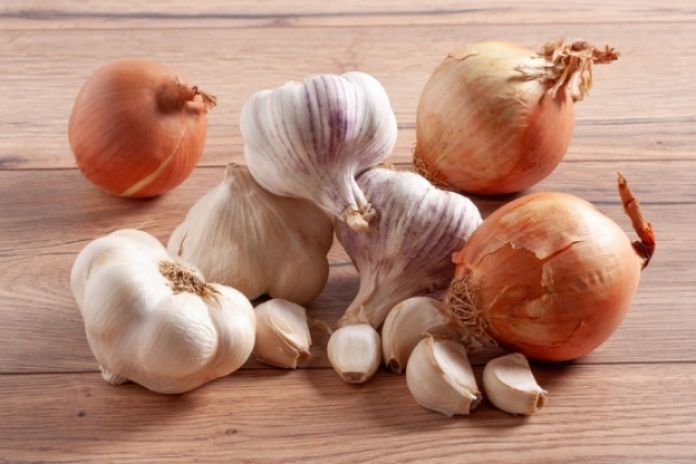
Lycopene works better in a team. Not alone.
1. Lycopene-Rich Sources
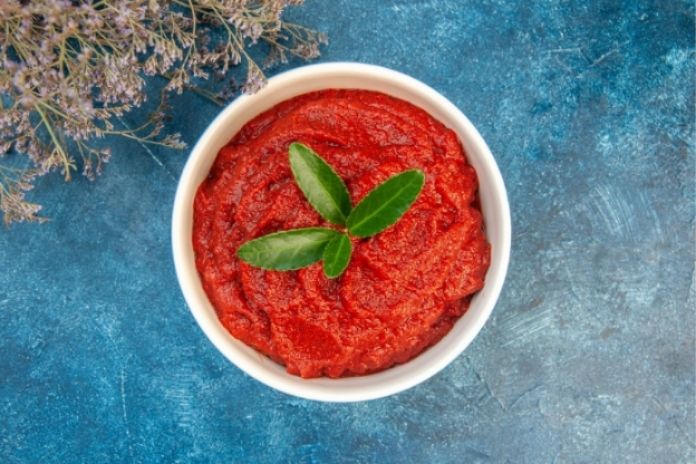
- Tomato paste (highest concentration)
- Sun-dried tomatoes
- Cooked tomato gravy
- Watermelon
- Pink guava
- Red bell peppers (moderate amounts)
Cooked tomato paste is very concentrated. One tablespoon can contain significantly higher lycopene than a fresh tomato.
2. Immune-Supporting Companions
To enhance the shield effect, combine with:
- Garlic (contains allicin)
- Onion (quercetin source)
- Ginger
- Turmeric (curcumin)
- Spinach (vitamin C and folate)
- Pumpkin seeds (zinc)
- Yogurt (supports gut-immune axis)
When you combine antioxidants with anti-inflammatory spices and zinc-rich seeds, you create a multi-layer defense of functional foods for heart health.
Cheat meal becomes a matrix of functional foods for heart health.
Read More: Intermittent Fasting vs Calorie Deficit: Which One Actually Drives Fat Loss?
Functional and Healthy Cheat Meal Ideas
Now, the practical part. These are not diet foods. They are upgraded favorites.
1. Hearty Lycopene Bolognese
Classic Bolognese already contains tomato. Upgrade it.
How:
- Use double-concentrated tomato paste.
- Slow-cook on a low flame for 45–60 minutes.
- Add olive oil early in cooking.
- Include garlic, onion, and carrot (for fiber balance).
- Replace half of the red meat with lentils or mushrooms.
Result: Rich taste. Deep red color. More lycopene density. Lower saturated fat load.
Serve with whole-grain pasta or even regular pasta; portion control matters more than perfection.
2. Cheesy Marinara Dip
Instead of a cheese-heavy white sauce dip, make a marinara-based dip.
Method:
- Use fresh tomatoes; cook a little longer so they become thick. Put a good amount of olive oil for good taste and health.
- Now add roasted garlic, and crush it a little. Then, add chili flakes to your liking. Mix and cook for a while so the flavor develops properly.
- Then take a small portion of mozzarella cheese and put it on top. Bake for a short time, just until the cheese melts and a small bubble forms.
- After baking finishes, put chopped fresh basil on top. Do not bake basil; it’ll affect the taste.
You get the comfort of cheese plus an antioxidant base.
Pair with roasted vegetables or even baked tortilla chips.
3. Watermelon and Feta Salad
Watermelon is a natural cheat dessert. “Watermelon is really, really, really—one of the best sources of lycopene,” says Dr. Diane McKay, a human nutrition expert. Instead of ice cream, try a structured fruit plate.
Combine:
- Cubed watermelon
- Small feta cubes
- Mint leaves
- Olive oil drizzle
- Black pepper
This unusual mix improves lycopene absorption due to the fat from feta and oil.
Sweet, salty, refreshing, but functional.
Read More: Are Cheat Days Good or Bad for Weight Loss? Exploring the Pros and Cons
How to Maximize Lycopene Absorption
Small changes can double the benefit.
- Cook tomatoes at moderate heat (not burning).
- Add oil during cooking.
- Chop or blend tomatoes before cooking (break cell walls).
- Avoid storing cooked sauce in the open air for extended periods.
- Combine with other antioxidants. Lycopene, when combined with antioxidants, enhances cardiovascular protection by combining well with them.
Also important: consistent intake matters more than a very high one-time dose.
Lycopene accumulates in tissues over time. Blood levels reflect regular intake, not a single meal.
Read More: Cheat Days While Intermittent Fasting: Should You or Shouldn’t You?
Final Thoughts
Cheat meal culture has created food anxiety. But the body does not see “cheat” or “clean.” It sees nutrients, inflammation, oxidation, and balance. When you redesign favorite meals with lycopene’s health benefits, you shift from restriction to intelligent indulgence.
This is not about making pizza a health food. It is about making pizza less harmful and more supportive of heart health by using functional foods. Heart disease and weak immunity are not caused by a single burger. They are the outcome of repeated patterns.
Lycopene, heart health, and immunity are closely interlinked. By reducing inflammation, oxidative stress, LDL cholesterol levels, and maintaining endothelial lining and immune cell integrity, lycopene supports cardiovascular function and immunity.
If you can convert even two meals per week into shielded meals, the impact over the years can be meaningful. Functional nutrition does not mean boring food. It means thoughtful food.
- To obtain the health benefits of cooked tomatoes, pair them with little oil or fat, as lycopene becomes more readily absorbed by the body.
- Tomato paste, which is thicker and more concentrated, gives strong protection for heart health.
- Lycopene, when paired with garlic, olive oil, and zinc-rich foods, can not only be considered a functional food for heart health but also help strengthen the immune system..
- Still, there are not many long-term research studies using full natural food lycopene; most researchers use supplement tablets. This is a big gap
- In the future, scientists should examine how lycopene reacts with modern ultra-processed food eating habits.
References
- Eze, E. D., Afodun, A. M., Kasolo, J., & Kasozi, K. I. (2019). Lycopene improves on basic hematological and immunological parameters in diabetes mellitus. BMC Research Notes, 12(1)
- Mashurabad, P. C., Palika, R., Jyrwa, Y. W., Bhaskarachary, K., & Pullakhandam, R. (2017). Dietary fat composition, food matrix and relative polarity modulate the micellarization and intestinal uptake of carotenoids from vegetables and fruits. Journal of Food Science and Technology, 54(2), 333–341.
- Przybylska, S., & Tokarczyk, G. (2022). Lycopene in the Prevention of Cardiovascular Diseases. International Journal of Molecular Sciences, 23(4), 1957.
In this Article