


















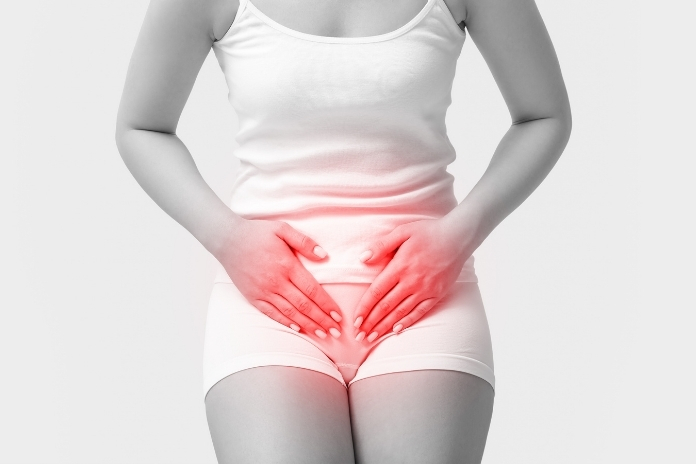
- Pain during sex is not normal and may signal underlying conditions.
- Hereditary dyspareunia may occur when certain pain-related conditions run in families.
- Honest conversations, medical care, and supportive partners improve comfort and intimacy.
Many people are raised to believe that uncomfortable periods and intimate moments are just “part of being a woman.” Symptoms such as severe cramps, chronic pelvic pain, or pain during intercourse are frequently disregarded or reduced for years as a result of this cultural normalcy. However, no one should consider chronic pain during sex to be normal.
Adenomyosis and painful sex, pelvic floor dysfunction, vaginismus, and endometriosis are among the medical diseases that many people associate with unpleasant sexual encounters.
The purpose of this article is to alter that narrative. The definition of hereditary dyspareunia, the most frequent causes of pain during sexual activity, and the relationship between endometriosis and dyspareunia will all be covered in the parts that follow.
Read More: 10 Tips for Maintaining Sexual Health and Wellness
What Is Hereditary Dyspareunia?
Sex shouldn’t hurt, but for some people, it does. That’s what dyspareunia is—painful sex that can really take the joy out of intimacy. And it’s not just limited to the act itself.
Sometimes, the pain shows up before, during, or even after sex. It can sneak in during a gynecological exam or just from using something as simple as a tampon or menstrual cup. No one should have to put up with that kind of discomfort.
Dyspareunia is more common in women than in men. Yet, anybody may encounter it at some point in their lives, especially in young, inexperienced women or those going through menopause or perimenopause.
The term “hereditary dyspareunia” describes unpleasant sexual experiences associated with illnesses that typically run in families. Although dyspareunia is not inheritable in and of itself, the illnesses that cause it sometimes exhibit genetic or familial tendencies.
Common Underlying Causes

Identifiable medical disorders are frequently the cause of pain during intercourse. Acknowledging these disorders can help people get the right treatment and better communicate their symptoms to their partners.
Endometriosis
The condition known as endometriosis occurs when the tissues that are supposed to line the uterus begin to develop outside of it. The location of endometriosis determines your level of pain during sex. If endometriosis affects the lower portion of the uterus and behind the vagina, the pain should be more severe.
This tissue can cause inflammation, the formation of scar tissue, and severe pelvic discomfort because it responds to hormonal changes during the menstrual cycle. Intense discomfort during or after sexual activity may result from deep penetration that irritates these inflammatory regions.
Adenomyosis
When many women feel acute menstrual or pelvic pain, fibroids and endometriosis may quickly spring to mind.
Although adenomyosis is less well-known than these other gynecologic disorders, it is thought to affect approximately 35% of women, a figure that is probably underreported and causes pelvic pain.
According to medical professionals, adenomyosis is basically endometriosis confined to the uterus. It occurs when the endometrial tissue, which typically lines the uterus, proliferates within the uterine muscle or wall.
“The hallmark symptoms of adenomyosis include heavy and painful periods,” according to Jordan Klebanoff, MD, a fellowship-trained, minimally invasive gynecologic surgeon at Main Line Health specializing in endometriosis and adenomyosis care.
The symptoms of endometriosis and adenomyosis share many similarities. Adenomyosis can cause alterations in bowel and urine motions, as well as dyspareunia, or pain during sexual activity.
Women in their 30s and 40s who are not yet menopausal are more likely to have adenomyosis. Adenomyosis frequently develops following uterine surgery, such as a myomectomy or cesarean section. Adenomyosis should be suspected if a patient has heavy, painful periods and has undergone several uterine surgeries in the past.
Pelvic Floor Dysfunction and Vaginismus
The muscles that support the bladder, uterus, and rectum can become overly tight, weak, or uncoordinated, leading to pelvic floor dysfunction. Pelvic floor hypertonicity, a prevalent manifestation, is characterized by persistently tense muscles.
In addition to causing severe agony during penetration, this stress may result in persistent pelvic pain, constipation, or urine problems.
Vaginal muscular spasms caused by fear of injury are known as vaginismus. It can result in both superficial and deep discomfort, making intercourse very uncomfortable and occasionally even impossible.
Women with vaginismus may never be able to get a pap smear or use tampons due to their phobia of vaginal exams. A restrictive upbringing, a history of childhood rape or sexual abuse, or severe vaginal diseases like genital herpes are all potential causes of vaginismus.
Chronic Pain Sensitivity
Genetics also play a part in hereditary dyspareunia. Some people feel pain more sharply than others, right from birth. Their genes affect how their bodies respond to inflammation and nerve signals, making them more sensitive to pain.
This reaction may be exacerbated by estrogen-driven or chronic inflammation brought on by hormonal fluctuations. Because of this, even when there seems to be little obvious tissue damage, people may have painful periods, chronic pelvic pain, and painful sex endometriosis.
Read More: Breaking Taboos: Candid Conversations About Women’s Sexual Health
How to Talk to Your Partner About Painful Sex

Let’s be honest, bringing up sexual pain can feel scary. People often worry their partner will take it the wrong way, maybe think they’re being rejected, or aren’t attractive anymore. However, open dialogue is essential for maintaining communication and intimacy in relationships.
Discovering how to talk to your partner about painful sex can turn a challenging subject into a collaborative endeavor to recover.
Reframe the Conversation
It’s more crucial than you might think to find a moment when you and your partner can be completely present. Nothing is worse than sharing your innermost thoughts during a private conversation.
One of the most important steps is changing the language used in the discussion. Instead of describing the issue as “sex hurting,” it may help to explain that a medical condition is causing the pain.
For example, you might say that you have been experiencing symptoms that are related to hereditary dyspareunia or endometriosis. This shift reframes the problem as a health issue rather than a relationship issue.
Be Specific and Honest
Clear communication is vital when discussing discomfort during intercourse. Many spouses appreciate simple explanations of what is physically occurring.
Using “I” phrases makes conversations feel less combative. For instance:
“I’ve been having severe pelvic pain during sex, but I still want to be near you.” According to my doctor, it might have something to do with painful sex and endometriosis.
The discussion gets more cooperative when you concentrate on your personal experience rather than placing blame.
Read More: Is It Healthy to Use a Vibrator? What Science and Sexual-Health Experts Say
Reassure and Educate
Sometimes, when sex hurts, partners think they’re doing something wrong. Letting them know the pain comes from a medical issue, not anything that they did, can really ease their guilt.
You may clarify that disorders like pelvic floor dysfunction, vaginismus, and adenomyosis, and painful sex can all result in physical suffering independent of emotional attachment.
Explain the ‘Why’
When people learn about the biological reasons behind painful sex, things start to make more sense. You can explain, for instance, that conditions like endometriosis and dyspareunia cause estrogen-driven inflammation, which irritates pelvic tissues.
Also, maybe the pelvic floor muscles stay too tense during sex, making everything feel tighter than it should. Talking about this helps partners understand why some sexual positions or activities don’t work and why pain sometimes lingers after intimacy.
Redefine ‘Normal’
Let’s clear up a big misunderstanding: talking openly about uncomfortable sex is part of building a healthy relationship. If you’re dealing with severe cramps, ongoing pelvic pain, or pain that won’t go away after sex, that’s not normal.
These aren’t just quirks or things you have to put up with; they usually signal real medical issues, like adenomyosis, endometriosis, or even inherited dyspareunia. It helps to encourage your partner to view this from a medical perspective. That way, you both approach the problem with more empathy and support, instead of blame or confusion.
Practical Steps for Comfortable Intimacy
While medical care is crucial, couples should also look into doable solutions that ease discomfort without sacrificing intimacy.
Redefine Intimacy
Intimacy isn’t just about having sex. Sometimes it hurts, and that’s tough, but it doesn’t mean you can’t feel close to your partner. Real closeness comes from all kinds of things: emotional connection, touch, sharing pleasure, just being together.
Try things like sensual touch, massage, or other ways of being intimate that don’t cause pain. These moments can pull you together and make it easier to open up and really talk.
Adjust Positioning and Pacing
If your pelvic area’s tender, certain positions take the pressure off. When you’re the one deciding how deep or fast things go, it usually helps if sex hurts because of endometriosis. And if your pelvic floor feels tight? Just slow things down. Move with purpose. That alone changes a lot.
Prioritize Arousal and Lubrication
When there’s not enough lubrication, things can get a lot more uncomfortable—especially if you’re dealing with pelvic floor tension or vaginismus. Using a good lubricant and taking your time with foreplay really helps cut down on friction and lets those pelvic muscles relax a bit.
Communicate During Intimacy
Talking openly during sex is just as important as the conversations you have outside the bedroom. If you’re worried about pain flaring up, especially with hereditary dyspareunia, simple cues like “pause,” “slower,” or “let’s try a different angle” go a long way.
Read More: Exploring the Benefits of Regular Sexual Activity on Physical and Mental Health
Seeking Medical Support — Together
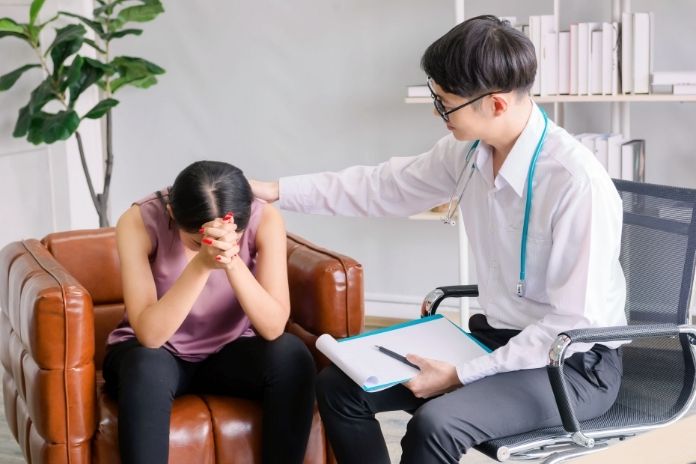
Persistent pain caused by intercourse should always be assessed by a healthcare expert, even though communication techniques might be helpful.
When they have painful sex, over half the women and people who were designated female at birth have not sought professional help. Why? Fear of being judged by medical professionals and knowledge of the stigma associated with talking about sex.
Ignoring or avoiding the problem can have long-term effects on your relationships, mental stability, and physical health.
Depending on the underlying illness, treatment regimens may consist of:
Medical Treatments:
- Topical estrogen therapy (creams, rings, tablets).
- For moderate to severe pain, use osphemifene (Osphena).
- Vaginal pills containing Prasterone (Intrarosa).
- lubricants and topical analgesics.
Therapeutic Approaches:
- Physical therapy for the pelvic floor.
- Vaginal relaxation techniques combined with desensitization therapy.
- Counseling and sex therapy.
- CBT stands for cognitive behavioral therapy.
Read More: 7 Vaginal Health Myths Doctors Wish Women Would Stop Believing
Conclusion
Living with genetic dyspareunia can feel confusing and isolating, especially when people around you keep saying things like, “Everyone gets cramps,” or act like pain during sex is normal. But honestly, you shouldn’t just accept constant discomfort during intimacy.
Painful sex usually points to an underlying medical issue, such as endometriosis, pelvic floor problems, or other pelvic conditions, and these need real attention and care.
To manage this situation effectively, couples need open and honest communication, especially when they recognize that the distress stems from physical limitations rather than emotional rejection.
References
- Mayo Clinic. (Feb. 16, 2024). Painful intercourse (dyspareunia).
- Kate Ernstrom. (October 19, 2022). What is Dyspareunia and the Underlying Diagnoses of Sexual Pain.
- DTAP Clinic. 11 Causes of Dyspareunia in Women (Pain During Intercourse).
- Cleveland Clinic. (July 25, 2024). Dyspareunia (Painful Intercourse).
- Lily Guo, MD. (Nov. 17, 2025). Dyspareunia.
- Twu, C. (2025). Dyspareunia Demystified: Causes and Treatment Options.
- Hazel. (November 8, 2024). Let’s Get Personal: How to Talk About Painful Sex With Your Partner.
In this Article