


















- Eat your main meal before the night shift and choose light snacks overnight.
- Limit caffeine after early morning hours to avoid disrupting daytime sleep.
- Keep sleep and meal times consistent to reduce disruption to the circadian rhythm.
Night shifts keep hospitals running, protect neighborhoods, and make sure people can get help any time, day or night. Security guards, emergency crews, and hospital staff are out there working while most people are asleep, even though their bodies crave rest. But this kind of schedule really messes with the body’s internal clock.
Over time, it leads to problems such as constant fatigue, digestive issues, and poor sleep. Studies show that people who often work through the night are more likely to gain weight, struggle with insulin resistance, and face heart problems, all because of their circadian rhythm disruption.
Let’s talk about chrononutrition for shift workers, basically, paying attention to when you eat, not just what you eat, especially if you work shifts. Timing your meals to match your body’s natural clock can boost your energy, help your digestion, and keep your metabolism on track.
In this article, we’ll break down the science behind night shift nutrition, see how working nights messes with your hormones and metabolism, and go over some real-life tips to help you with healthy eating while on your night shift.
Read More: Asthma Attack Survival Guide: When to Act, What to Pack, and Who to Call
What Is Chrononutrition — and Why It Matters for Night Shift Workers
Chrononutrition is an evidence-based theory that examines how the timing of eating affects the body. It ties together our circadian rhythms, basically, our internal clocks—and our metabolic health. The idea is that when you eat, your body processes nutrients differently. Researchers have found that eating at different times can really shape health, both in people and animals.
Every day, your routine waking up, eating, hormone shifts, changes in body temperature, and finally sleeping are shaped by when you eat. Food isn’t just fuel; it’s part of your body’s whole daily rhythm.
Aligning eating habits with natural circadian rhythms may promote cardiometabolic health and reduce disease risk, according to growing studies in this area.
However, the biological night is when night shift workers typically eat. Digestion, blood sugar regulation, and energy levels are all affected by the disruption of circadian rhythm caused by this mismatch between behavior and biology.
Research on nurses and emergency personnel has also demonstrated that erratic eating habits may affect the gut microbiome, night work, andyour health. Circadian rhythms are also regulated by gut microbes, which control immunity and digestion. Bloating, inflammation, and metabolic problems can result when these bacteria become out of balance due to meals at odd times.
How Night Shift Work Disrupts Your Body Clock
Understanding how the body clock works helps appreciate the significance of night-shift eating. The body’s internal clock is called the circadian rhythm. It is an innate biological rhythm, a roughly 24-hour cycle that regulates physiological functions such as eating and sleeping.
Your body’s internal 24-hour clock helps regulate other physiological functions and alerts you when you’re hungry or tired. Throughout the day, the circadian rhythm fluctuates in response to environmental stimuli such as sunshine. It explains why you are largely awake throughout the day and drowsy at night.
It is difficult on your body and may raise the risk of health issues, such as cancer, if your job or schedule interferes with your circadian rhythm, such as requiring you to be awake at night and asleep during the day, or if your shifts frequently alter your sleep and wake times.
People who work night shifts show the opposite tendency. Daylight exposure on the way home from work and bright lights at work can mess up the brain’s timing signals. It is how circadian rhythm disruption occurs and modifies several crucial hormonal systems.
The cortisol rhythm is among the most impacted systems. To aid the body’s awakening, cortisol typically rises in the morning and progressively decreases at night. This rhythm becomes erratic for night workers, leading to weariness, mood swings, and difficulty focusing.
A misaligned circadian system also affects metabolism. Researchers have found that working night shifts can reduce insulin sensitivity, making it harder for the body to control blood sugar levels.
The following are typical signs of circadian misalignment:
- Difficulty sleeping (insomnia).
- Inability to stay asleep.
- Difficulty going back to sleep in the middle of the night or early in the morning.
- Getting up earlier than you had intended or desired.
- Unpredictable sleep-wake cycles or difficulty walking up (sleep inertia).
- Hypersomnia as a result of daytime sleepiness.
- Having to take a nap during the day.
- Exhaustion.
- Headaches.
Read More: Are You in Survival Mode? Signs Your Nervous System Is Dysregulated (And What to Do About It)
The Chrononutrition Blueprint for Night Shift Workers
1. Timing Your Meals to Match Your Body’s Rhythm
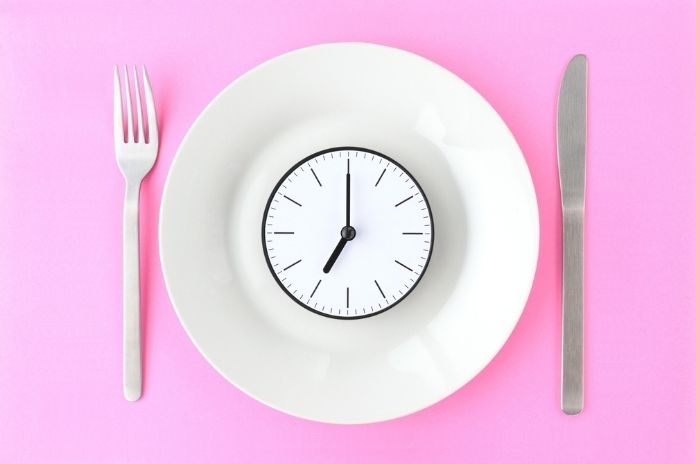
Changing the timing of meals, rather than just what you eat, is one of the strategies for the best diet for night shift workers.
Digestion slows down throughout the biological night. Large meals consumed between midnight and early in the morning may raise the risk of blood sugar increases, indigestion, and disturbed sleep following the shift.
Pre-shift meal (evening): Your primary meal of the day is the evening pre-shift meal. Consume it before going to work so the body can process nutrients while the metabolism is still somewhat active.
Mid-shift snack: A light, high-protein snack keeps you alert without taxing your digestive system.
Post-shift meal: Eating a short recovery meal right before bed will help muscles recover and keep you from waking up hungry.
A typical meal timing for a shift work schedule for a 7 p.m. to 7 a.m. shift might look like this:
- 5:30–6:00 p.m.: A well-balanced dinner before work.
- 10:30–11:00: A small snack.
- 2:00–3:00 a.m.: A small protein snack is optional.
- Before going to bed, have a light recovery meal at 7:30 a.m.
2. Building Balanced, Circadian-Friendly Meals

When choosing a diet for night shift workers, focus on meal which stabilize blood sugar and provide consistent energy.
Make healthy fats, complex carbohydrates, and high-quality protein the main components of your meals, and avoid excessively processed foods.
The following are some examples of healthy eating night shift:
- Almond.
- Hard-boiled egg.
- Greek yogurt.
- Peanut butter with grapes and an apple.
- Carrots.
- Edamame.
- Cut vegetables and noodles.
- Crackers and cheese.
These foods give you steady energy without creating sudden spikes in blood sugar. Reducing simple carbohydrates is particularly crucial at night, as insulin sensitivity decreases.
During night shifts, the following foods may exacerbate exhaustion or gastrointestinal discomfort:
- Foods that are fatty or fried.
- Drinks and sugary foods.
- Large meals high in carbohydrates.
“Studies show that night shift workers with poor eating habits are at increased risk for weight gain, diabetes, heart disease, digestive issues, and insomnia,” says Shawna Broida, RDN, a registered dietitian at Henry Ford Health. She adds, “By planning, you can eat healthy foods to fuel your body while you work and to sleep well when your shift is done.”
Read More: 10 Effects Of Night Shift On Health – Know The Impacts Of Shift Work Disorder
3. Hydration and Caffeine Strategy

When it comes to the night shift diet, hydration is usually overlooked, despite its very crucial role in energy and cognitive function.
During nighttime shifts, even modest dehydration can exacerbate fatigue and reduce alertness. Consistently drinking water throughout the shift promotes healthy digestion and reduces unnecessary snacking.
When used in moderation, caffeine can also help increase attentiveness. But timing is everything. Caffeine consumption too late in the shift can disrupt sleep throughout the day.
Experts advise the following caffeine timing strategy:
- For alertness, use coffee early in the shift.
- Steer clear of caffeine after 2:00–3 a.m.
- Change out caffeine in the late hours of the day with herbal tea or water.
4. Gut Health and Night Work

Our bodies run on rhythms, and so does our gut. Lately, people have been talking a lot more about how night work can disrupt the gut microbiome.
Sleep and eating habits affect the daily cycles of gut bacteria. Meals eaten during the biological night can disrupt these cycles.
When that balance gets disrupted, you might notice more bloating, heartburn, or just unpredictable digestion. So, for anyone working chrononutrition for shift workers, taking care of your gut isn’t just a side note; it’s actually a big part of keeping your whole system running smoothly.
Sleep Recovery After Night Shifts
When it comes to maintaining excellent health, proper sleep recovery is equally crucial as a night-shift diet.
Sleep is an active biological process necessary for life, health, and performance; it is more than just a place to sleep. Getting enough quality sleep enhances our ability to focus, make decisions, and complete difficult tasks. It directly correlates with better clinical judgment, faster cognitive processing, and fewer mistakes during shifts among emergency physicians, nurses, and paramedics. It keeps your body’s natural cortisol rhythm steady, so you feel more energized and clear-headed all day.
Additionally, sleep is essential for consolidating procedural memory skills, motor patterns, and motor skills, as well as declarative memory facts, protocols, and knowledge.
Try these useful suggestions to help you sleep better and handle shift work more effectively:
- Maintain a regular sleep routine. Try maintaining the same sleep schedule on your days off if you work the night shift.
- Don’t put off going to bed. Go home to sleep as soon as your night shift is complete. Your body’s internal clock increases the likelihood that you will feel awake the longer you delay going to bed.
- Control the screen’s exposure and the light. Wear sunglasses to reduce exposure to sunlight on your trip home if it is daylight when your shift ends. Avoid using the screen right before bed, as the blue light may interfere with sleep.
- Strategically take a nap. Napping can be a fantastic way to boost productivity and combat sleep deprivation, whether you have a bed nearby or simply rest your head on your backpack.
- Be careful about what you consume right before bed. Steer clear of alcohol and caffeine right before bed. Alcohol causes you to wake up more during the night and interferes with the quality of your sleep, even if you might find that you fall asleep more quickly after drinking.
Read More: Does Eating After 8 PM Cause Weight Gain? What Science Really Says About Late-Night Eating
Long-Term Health Strategies for Night Shift Workers
Long-term habits are just as crucial as short-term ones, even though healthy eating and sleep techniques during the night shift are beneficial.
Exercise is one of the most effective ways to protect metabolic health night shift workers, which night shift workers often struggle to maintain.
Social jet lag is another problem for night workers. It happens when employees alternate between working nights on workdays and working during the day on days off.
Sticking to a regular schedule keeps your body’s internal clock running smoothly. If you need to change your routine, ease into it instead of making sudden shifts; your body handles it better that way.
Night shift workers, listen up: regular check-ups matter even more for you. Keeping tabs on your blood pressure, cholesterol, and blood sugar helps you catch metabolic problems early, before they become bigger issues.
Sample Night Shift Chrononutrition Plan (Healthcare/ Security Workers)
Professionals in the security and healthcare industries often struggle to fit structured meals into their schedules. A well-thought-out plan can make healthy eating habits much simpler for night shift workers.
It is an example of a 12-hour nighttime shift schedule.
Before work (6 p.m.)
Quinoa, grilled chicken, and olive oil-roasted veggies.
Snack during the shift (10:30 p.m.)
Almonds and Greek yogurt.
Snack in the morning (2:30 a.m.)
Cucumber slices and boiled eggs.
End-of-shift meal (7:30 a.m.)
Banana and chia seed oatmeal.
Read More: Does Eating Late at Night Cause Weight Gain? Myth vs Reality
Conclusion
Working overnight really messes with your body’s natural rhythm, but you can dial down the health problems if you make smart choices. If you follow chrononutrition, the idea of syncing your meals with your body’s clock, you boost your energy, help your digestion, and keep your metabolism on track for the long haul.
Your night shift nutrition actually makes a big difference in what you eat. Balanced meals, eating at the right times, drinking enough water, and not going overboard with caffeine timing help you keep your blood sugar steady, support better insulin sensitivity, and fight off exhaustion during those long, late hours.
References
- Toshniwal Paharia, P. (2025, December 16). Chrononutrition explained: Why when you eat matters for metabolic health.
- Psychology Today Staff. Chrononutrition.
- Lennon, D. Chrononutrition: Why meal timing, calorie distribution & feeding windows really do matter.
- Canadian Cancer Society. Shift work and the circadian rhythm.
- Cleveland Clinic. (23 January, 2024). Circadian rhythm disorders.
- Huel. Ask a dietitian: What should I eat on my night shift?
- Hasty, M. 10 of the best healthy snacks for night shift nurses.
- Helman, A. (2025, September). Sleep strategies for shift work.
- Defense Health Agency. Sleep tips for shift workers.
In this Article