



















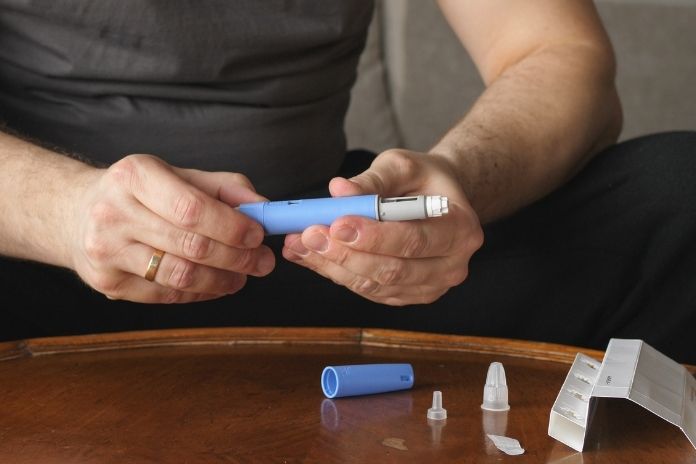
GLP-1 side effects are something almost everyone on these medications will encounter, especially early in treatment. Drugs like semaglutide (Ozempic, Wegovy) and tirzepatide (Mounjaro, Zepbound) are gaining popularity because they help control blood sugar and support weight loss by reducing appetite and slowing down digestion.
But many people experience reactions ranging from mild and temporary to rare but serious, and knowing the difference matters.
This article helps you understand which reactions are normal and manageable and which symptoms need medical attention. Do not stop these medications suddenly without consulting a doctor. They are part of a comprehensive treatment plan for diabetes or obesity, and abrupt discontinuation can have real consequences.
Common GLP-1 side effects, such as nausea, vomiting, diarrhea, constipation, or loss of appetite, often appear when starting the drug or increasing the dose and usually improve as the body adjusts.
Serious problems, such as severe stomach pain or allergic reactions, are rare but require immediate medical care. For most people, side effects become milder over time, and with the right guidance, treatment feels much easier to manage.
Read More: Supplements That Increase GLP-1: What the Science Really Shows
Understanding GLP-1 Medications: The Basics

GLP-1 medications work by copying a natural hormone in your body that helps control blood sugar, slows down digestion, and reduces appetite by sending “full” signals to the brain. This is why doctors commonly prescribe them for type 2 diabetes and weight loss.
Popular options include semaglutide (Ozempic, Wegovy, Rybelsus) and tirzepatide (Mounjaro, Zepbound). Because of how they work, GLP-1 side effects are common, especially in the early stages of treatment. Slower digestion can lead to nausea, vomiting, diarrhea, constipation, bloating, or feeling full very quickly.
Many people ask: how long does Ozempic nausea last? For most, nausea appears in the first few weeks or after a dose increase and improves as the body adjusts. To reduce the risk of GLP-1 medication side effects, doctors usually start with a low dose and gradually increase it over time, allowing the body to adapt.
While most side effects are mild and temporary, rare but serious issues like gallbladder problems, pancreatitis, or severe stomach slowing can occur and need medical attention. If symptoms feel severe, people often wonder: Can you stop taking Ozempic because of side effects?
Dr. Chetna Bakshi, MD (Bariatric Surgeon at Northwell Health), says: “Side effects are always important to know, and [patients should] understand that there’s no miracle drug. Everything comes with a risk; everything comes with complications.”
It is important not to stop suddenly without medical guidance, as your provider can adjust the dose or suggest alternatives. Setting realistic expectations helps make treatment safer and more manageable.
Read More: 10 Foods That Boost GLP-1: The Hormone Ozempic Mimics to Curb Hunger
Common Side Effects: Normal and Manageable

GLP-1 medications can cause side effects, especially early on. Understanding what’s normal, what’s manageable, and when to seek help makes treatment safer, calmer, and easier to continue.
Gastrointestinal Effects
GLP-1 medications often cause gastrointestinal symptoms because they slow how quickly food leaves your stomach and change how your gut and brain communicate.
Nausea (GLP-1 nausea)
Nausea is one of the most common Ozempic side effects, Wegovy side effects, and Mounjaro side effects, particularly during the first few weeks or after a dose increase. It happens because digestion slows down. Eating smaller meals, avoiding greasy or spicy foods, and stopping before you feel overly full can significantly reduce symptoms. For most people, nausea improves as the body adapts.
Vomiting
Occasional vomiting can occur, especially if meals are too large or eaten quickly. This can still fall within normal Semaglutide side effects early in treatment. However, frequent vomiting should be discussed with a healthcare provider, as it may signal intolerance or dehydration risk.
Diarrhea and Constipation
Both are common GLP-1 stomach problems. Diarrhea may happen as digestion adjusts, while constipation occurs because food moves more slowly through the gut. Increasing water intake, adding gentle fiber, and maintaining regular meal timing can help restore balance.
Bloating and Gas
Slower digestion allows food to sit longer in the stomach, leading to gas and bloating. Eating slowly, limiting carbonated drinks, and avoiding very fatty meals often brings relief.
Acid Reflux / Heartburn
Heartburn may occur when delayed stomach emptying allows acid to move upward. Smaller meals, staying upright after eating, and avoiding late-night meals can help manage symptoms.
Other Frequent Side Effects
Many people feel fatigue or low energy during the adjustment phase, often due to lower calorie intake. Headaches may also appear but usually resolve within a few weeks.
A decreased appetite is expected and part of how GLP-1s work, though it can feel intense initially. Mild injection site reactions, such as redness or itching, are normal and typically short-lived.
Practical Management Strategies
Effective management of GLP-1 side effects starts with lifestyle adjustments. Eat smaller, slower meals and identify trigger foods. Stay well hydrated throughout the day. Time doses consistently and avoid skipping meals. Some over-the-counter options, like ginger for nausea or mild stool softeners for constipation, may help, but always check with your provider first.
Keeping a symptom journal can reveal patterns and guide dose adjustments. Contact your healthcare provider for ongoing discomfort, and seek urgent care for serious side effects of GLP-1 medications, such as severe abdominal pain, dehydration, or persistent vomiting.
Dr. Kathy Zhou, MD (Endocrinologist, Cleveland Clinic), says, “When we talk to patients about side effects on the medications, we do say that the first three to four weeks when that delayed stomach emptying is the worst are some of the most significant side effects… these effects can attenuate in the coming weeks/months.”
Injection Technique Tips
How you inject matters just as much as where you inject. Proper technique can reduce local reactions and improve how well the medication works.
- Always inject into the fatty tissue beneath the skin, not into muscle.
- The three approved injection sites are the abdomen, the front of the thigh, and the back of the upper arm.
- Rotate your injection site with each weekly dose, moving at least one inch away from the previous spot. Reusing the same location repeatedly can lead to lipohypertrophy, a build-up of scar-like fatty tissue that impairs drug absorption and may make treatment less effective.
- Let your pen or syringe come to room temperature for about 30 minutes before injecting, as cold medication stings more.
- Always let the alcohol swab dry completely before inserting the needle.
- Store unopened pens in the refrigerator at 36 to 46°F (2 to 8°C), and never freeze your medication.
- Once opened, most pens can be kept at room temperature for 28 to 56 days; check your specific product’s instructions for the exact window.
Read More: 19 Ways to Balance Hormones Naturally for Better Health
Red Flag Side Effects: When to Contact Your Doctor Immediately
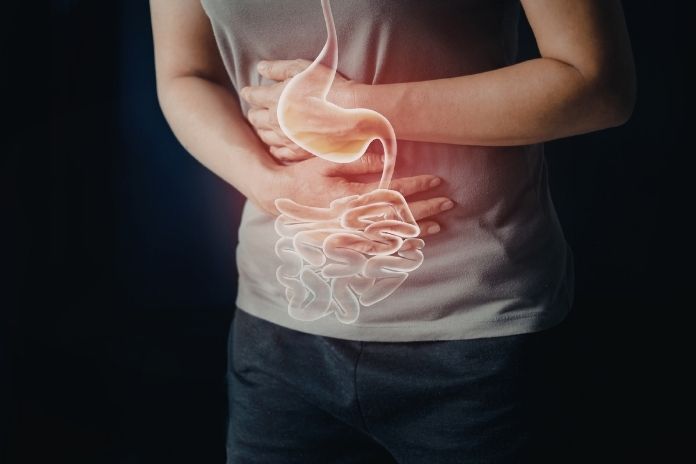
Most people experience mild digestive discomfort when starting GLP-1 medications, but it’s important to understand normal vs dangerous GLP-1 side effects.
Many patients ask, are GLP-1 side effects dangerous? Most are not, but some symptoms signal serious problems and need medical care right away. Knowing the GLP-1 side effects that require medical attention can help prevent complications.
Severe Gastrointestinal Symptoms
Seek medical help if you have persistent vomiting that prevents fluid intake, as this can quickly lead to dehydration and kidney injury. Severe abdominal pain, especially in the upper abdomen that does not improve, is a major warning sign.
One of the most serious concerns is pancreatitis. Signs of pancreatitis from GLP-1 medications include intense abdominal pain that spreads to the back, fever, nausea, and vomiting.
These symptoms require urgent evaluation. Severe constipation lasting several days, along with vomiting and abdominal swelling, may indicate a bowel obstruction, which is a medical emergency.
Gallbladder Issues
Rapid weight loss and GLP-1 use can increase the risk of gallstones. Contact your doctor if you feel sharp pain in the upper right abdomen, especially after eating fatty foods. Yellowing of the skin or eyes (jaundice) is another red flag that needs immediate attention.
Severe Allergic Reactions
Call emergency services if you experience difficulty breathing or swallowing, swelling of the face or throat, severe rash or hives, or a rapid heartbeat with a rash. These can signal a serious allergic reaction.
Vision Changes
Sudden blurred vision or vision changes, especially in people with diabetes, may indicate worsening diabetic retinopathy. Any rapid change in eyesight should be checked by an eye specialist promptly.
Kidney Problems
Severe dehydration can strain the kidneys. Watch for dark urine, extreme thirst, dizziness, reduced urination, or swelling in the legs or feet. These symptoms require medical review.
Mental Health Changes
Although uncommon, some people report depression, severe mood changes, or suicidal thoughts while taking GLP-1 medications. Any new or worsening mental health symptoms should be reported immediately.
Hypoglycemia (for Diabetes Patients)
Low blood sugar is more likely when GLP-1s are combined with insulin or certain diabetes drugs. Symptoms include shakiness, sweating, confusion, and weakness, and medication adjustments may be needed.
If you’re ever unsure whether a symptom is normal, it’s safest to contact your healthcare provider rather than wait.
Read More: 12 Ways To Reduce Visceral Fat – Cut the Flab Away
Less Common but Serious Side Effects

While most people tolerate GLP-1 medications like Ozempic, Wegovy, or Mounjaro well, there are less common but serious side effects that deserve attention. These are not typical mild stomach issues but signals that you need a doctor’s evaluation.
Thyroid Concerns
GLP-1 drugs carry a warning (boxed warning) for a possible increased risk of thyroid C-cell tumors based on animal studies. Although this link isn’t proven in humans, people with a personal or family history of medullary thyroid cancer or a rare condition called Multiple Endocrine Neoplasia type 2 should avoid GLP-1s.
Be alert for a neck lump or swelling, difficulty swallowing, hoarseness, or shortness of breath; these may be signs that need prompt medical evaluation.
Gastroparesis Concerns
GLP-1 medications slow gastric emptying, which is part of how they reduce appetite. But in rare cases, this slowing becomes severe enough to cause gastroparesis, a condition where the stomach empties too slowly.
Symptoms include persistent nausea, vomiting, bloating, and feeling full long after eating. This is different from expected slowing since it is constant and interferes with eating, hydration, and nutrition.
Hair Loss
Some people notice hair thinning or shedding after starting GLP-1 drugs. This isn’t a direct drug toxicity, but it often relates to rapid weight loss and nutritional changes that temporarily disrupt the normal hair growth cycle.
Hair loss from rapid weight loss usually improves with time and good nutrition, and is considered a temporary side effect rather than a dangerous one.
Heart Rate Changes
A modest increase in heart rate has been reported with GLP-1 medications.
For most people, this isn’t harmful, but if you have pre-existing heart conditions or feel persistent palpitations, chest discomfort, or significant symptoms, contact your healthcare provider for monitoring and guidance.
These serious side effects are much rarer than everyday digestive complaints, but being aware helps you act quickly if anything unusual arises.
Read More: Daily Exercises to Transform Your Core Beliefs
Special Considerations: Pregnancy, Contraception, and Drug Interactions
GLP-1 medications affect more than just digestion. There are several important safety considerations that many people on these drugs may not have been fully counseled about.
Pregnancy and Breastfeeding
GLP-1 medications are contraindicated during pregnancy due to a lack of human safety data and concerning findings in animal studies.
If you are planning to become pregnant, most prescribers recommend stopping GLP-1 therapy well before conception. Stopping timelines vary by medication: for example, guidelines suggest discontinuing semaglutide at least two months before trying to conceive, while other GLP-1 agents have different washout periods.
These medications should not be taken while breastfeeding either, as safety data is limited. If pregnancy occurs while you are on a GLP-1 drug, contact your provider right away.
Oral Contraceptives
Because GLP-1 medications slow gastric emptying, they can delay the absorption of oral medications, including birth control pills. Tirzepatide (Mounjaro, Zepbound) has shown a clinically significant effect on the absorption of oral contraceptives in some studies, which could potentially reduce their effectiveness, particularly during dose adjustments.
For semaglutide, the effect on oral contraceptive absorption appears less pronounced, but providers at University Hospitals still recommend using a backup contraceptive method during dose escalation periods or switching to a non-oral form of contraception. Discuss your contraceptive options with your provider when starting any GLP-1 medication.
Drug Interactions and Oral Medications
Because GLP-1 drugs delay how quickly food and other medications leave your stomach, they can affect how quickly oral drugs absorb into your bloodstream.
A systematic review found that most oral medications are not significantly affected in terms of total drug exposure, but the rate of absorption can slow, which matters for drugs that need to act quickly, such as short-acting insulin or immediate-release pain relievers.
People taking blood thinners, thyroid medications, or drugs with a narrow therapeutic window should let their prescriber know they are on a GLP-1, as monitoring may be warranted.
Making the Decision: Continue or Stop?

Deciding whether to stay on or stop a GLP-1 medication like Ozempic, Wegovy, or Mounjaro isn’t always straightforward.
Many people wonder when to stop Ozempic, especially if side effects start affecting daily life. While mild symptoms are common early on, ongoing or severe issues need careful evaluation with your healthcare provider.
Factors to Consider
Start by looking at the severity and frequency of your side effects. Occasional nausea may be manageable, but symptoms that disrupt work, sleep, or eating are harder to ignore.
Consider how the medication is affecting your quality of life, along with the benefits you’re experiencing, such as steady weight loss or improved blood sugar control. How long you’ve been on the medication also matters; many side effects improve after the initial adjustment period.
If symptoms are clearly getting better, continuing with support may make sense. If they’re worsening or not improving, this could be a signal to reassess. Your overall health, existing conditions, and known Ozempic warnings, such as risks related to dehydration, gallbladder issues, or pancreatitis, should also factor into the decision.
Working with Your Healthcare Provider
Knowing when to call a doctor about Ozempic side effects is key. Bring detailed notes about what you’re experiencing, when symptoms started, and what makes them better or worse.
Ask whether adjusting the dose, slowing titration, or switching to another GLP-1 medication could help. Your provider can also discuss non-GLP-1 options if side effects outweigh the benefits.
Dose Adjustment as a Middle Ground
Stopping isn’t always the only option. Some people do better by staying on a lower dose longer or increasing doses more slowly.
In limited cases and only under medical supervision, short treatment breaks may be considered. The goal is a plan that balances safety, comfort, and long-term health outcomes, without making changes on your own.
Read More: Mounjaro vs. Ozempic: Which Weight Loss Shot Works Better?
Tips for Success on GLP-1 Medications

Using GLP-1 medications effectively isn’t just about the prescription; it’s about how you support your body during treatment. Small, consistent habits can significantly improve results and reduce discomfort.
Smart Dosing and Symptom Awareness
Starting at a low dose and increasing slowly gives your body time to adjust and reduces common digestive issues. This approach is especially helpful for managing nausea on Wegovy, which often appears early or after dose increases.
Pay close attention to how your symptoms evolve. If side effects worsen instead of improving, or begin interfering with daily life, this may signal when to stop Ozempic or reassess treatment with your provider.
Understanding key Ozempic warnings, such as dehydration, gallbladder issues, or severe stomach pain, helps you respond early rather than wait too long.
Nutrition, Hydration, and Injection Timing
Meal choices strongly influence how you feel on GLP-1s. Eating smaller, balanced meals and avoiding greasy, spicy, or highly processed foods can ease nausea and bloating.
Prioritize protein to protect muscle mass and fiber to support digestion, but increase fiber gradually. Staying well hydrated is essential, as reduced appetite can also reduce fluid intake.
Many people find it helpful to take injections on the same day each week and avoid very heavy meals around injection time to minimize stomach upset.
Lifestyle Support and Long-Term Mindset
Gentle movement, such as walking, can improve digestion and reduce fatigue. Stress management and good sleep also play a role in appetite control and overall tolerance.
Build a support system that includes regular medical follow-ups and people who understand your goals. Most importantly, set realistic expectations; GLP-1 medications work gradually.
Patience during the adjustment phase often makes the difference between stopping too soon and finding a routine that’s sustainable and effective.
Read More: Empowering Women: Understanding Hormonal Changes Throughout Life Stages
Conclusion

Side effects of GLP-1 drugs, like nausea, vomiting, diarrhea, or reactions at the injection site, are very common and can be managed, especially as your body gets used to the medication over time.
It is very important to maintain good communication with your healthcare provider so that they can guide you on what to expect and help you make decisions about whether something unusual is occurring.
Each person’s experience is unique, and not all side effects mean that you have to stop the medication; rather, you can use knowledge and support to make informed decisions rather than decisions based on fear. Many people can manage side effects, continue their medication, and reach their health goals, such as improved blood sugar control and weight loss.
One final thought to share is that never stop taking medication without consulting your healthcare provider, as this can decrease the effectiveness of the medication and, in the case of people with diabetes, increase blood sugar levels unpredictably.
If you are experiencing symptoms or notice something unusual, don’t hesitate to contact your healthcare provider with your questions and concerns, and keep your appointments so that your healthcare team can assist you along the way.
Frequently Asked Questions About GLP-1 Side Effects
How long do GLP-1 side effects last?
Most GLP-1 side effects are strongest in the first 4-8 weeks, especially during dose increases. Many people notice improvement by 2-3 months, though timing varies based on dose, medication type, and individual sensitivity.
What are the most common side effects of Ozempic and Wegovy?
The most common side effects include nausea, diarrhea, vomiting, constipation, abdominal pain, bloating, and reduced appetite. These effects are usually mild to moderate and often improve as the body adjusts to treatment.
Can GLP-1 medications cause permanent stomach damage?
Permanent stomach damage is rare. Severe stomach slowing (gastroparesis) has been reported but is uncommon and often improves after stopping the drug. Seek medical advice if vomiting, fullness, or pain is persistent.
What helps with nausea from GLP-1 injections?
Eating smaller meals, avoiding fatty or spicy foods, eating slowly, and staying upright after meals can help. Ginger tea, peppermint, or doctor-approved OTC remedies may also reduce nausea safely.
Is it safe to stop taking GLP-1 medications if side effects are severe?
Do not stop GLP-1 medications without consulting your doctor. Severe side effects may be managed with dose reduction, slower titration, or switching medications rather than stopping treatment completely.
Do Mounjaro and Zepbound have different side effects than Ozempic?
Side effect profiles are similar, mainly digestive symptoms, though intensity may differ. Some people tolerate one medication better than another, as individual response plays a major role in side effects.
Tirzepatide (Mounjaro, Zepbound) targets both GLP-1 and GIP receptors, which means it has a slightly different mechanism than semaglutide-only drugs. In clinical trials, tirzepatide produced greater average weight loss but similar types of gastrointestinal side effects.
Some people find one medication more tolerable than the other, and switching within the class is an option worth discussing with your provider.
What are the warning signs of pancreatitis from GLP-1 medications?
Warning signs include severe, persistent upper abdominal pain that radiates to the back, fever, nausea, and vomiting. This pain is intense and constant, unlike typical mild stomach discomfort.
Do GLP-1 side effects get worse with higher doses?
Side effects are more likely to occur with dose increases. Gradual dose escalation and staying at lower doses longer can help reduce symptom severity while allowing the body time to adapt.
Can dehydration from GLP-1 side effects be dangerous?
Yes. Ongoing vomiting or diarrhea can lead to dehydration, causing dizziness, dark urine, weakness, and reduced urination. Seek medical care if you can’t keep fluids down.
How do I know if my abdominal pain is normal or serious?
Mild cramping or fullness is common. Severe, worsening pain, pain with fever or vomiting, pain lasting several days, or pain radiating to the back needs immediate medical evaluation.
References
- Els, L. C. (2024, February 5). GLP-1 diabetes and weight-loss drug side effects: “Ozempic face” and more. Harvard Health
- Professional, C. C. M. (2025, September 30). GLP-1 agonists. Cleveland Clinic.
- Aaron. (2025, July 8). Do the side effects of GLP-1 medications go away? Medical Offices of Manhattan.
- Southwest General Health Center. (2025, August 25). GLP-1 medications and gastroparesis. Southwest General.
- Metropolis Healthcare Limited. (2025, December 1). GLP-1 Agonists: How they work, benefits and side effects. Metropolis India Lab.
- Pillarisetti, L., & Agrawal, D. K. (2025). Semaglutide: Double-edged Sword with Risks and Benefits. Archives of Internal Medicine Research, 8(1), 1–13.
- Marshall, A. (2025, April 2). How to tame GLP-1 side effects: 6 tips. UVA Health.
- Gordon, J., MD. (2024, November 25). Understanding the potential side effects of GLP-1 for weight loss. Westlake Dermatology and Cosmetic Surgery.
- Medicines and Healthcare products Regulatory Agency. (2024, October 24). GLP-1 receptor agonists: reminder of the potential side effects and to be aware of the potential for misuse. GOV.UK.
- Professional, C. C. M. (2025b, September 30). GLP-1 agonists. Cleveland Clinic.
- GLP-1 medicines for weight loss and diabetes: what you need to know. (2026, February 5). GOV.UK.
- Understanding Wegovy side effects: causes and effective management. (n.d.). Well Revolution.
- Fnp-C, M. J. C. R. M., & Turner, T. (2026, January 14). Mounjaro side effects: stomach paralysis, pancreatitis and vision loss. Drugwatch.com.
- Noguchi, Y. (2026, January 27). GLP-1 drugs don’t work for everyone. But personalized obesity care in the future might. NPR.
- Research, C. F. D. E. A. (2025, April 28). FDA clarifies policies for compounders as national GLP-1 supply begins to stabilize. U.S. Food and Drug Administration.
- Drugs for diabetes or weight loss: What to know before surgery. (n.d.). Made for This Moment.
- Collins, L., & Costello, R. A. (2024, February 29). Glucagon-like peptide-1 receptor agonists. StatPearls, NCBI Bookshelf.
- Skelley, J. W., et al. (2024). Drug-drug interactions between GLP-1 receptor agonists and oral medications: a systematic review. PMC.
- Evans, A., MD. (2025, December 8). How GLP-1 drugs can affect fertility and birth control. University Hospitals.
In this Article