

















Many women actively look for natural menopause relief as they go through changes that impact their energy, emotions, sleep, and general well-being. Menopause can have a big impact on day-to-day living, from hot flashes and night sweats to sleep disturbances and mood changes.
In an effort to prevent or postpone hormone medication, many turn to natural remedies for menopause. But not every natural menopause treatment has scientific support.
This article will examine evidence-based medicine’s true efficacy, including lifestyle medicine approaches, alternatives to hormone therapy, and supplements for menopause symptoms.
- Lifestyle changes like a balanced diet, exercise, and stress management remain the most effective natural ways to ease menopause symptoms.
- Some remedies like soy, CBT, and sleep hygiene show real benefits, but evidence for supplements varies.
- “Natural” doesn’t always mean safe. Consult a healthcare professional before trying new treatments.
Read More: Best Supplements for Menopause: What Works, What Doesn’t
What Causes Menopause Symptoms?
Changing hormone levels can impact your menstrual cycle and result in symptoms like hot flashes and trouble sleeping during the perimenopause, the time leading up to menopause.
Other symptoms, like pain during sex, urinary issues, and irregular periods, may become apparent as menopause approaches. One of the many symptoms of perimenopause and menopause is not feeling like your typical self.
The following symptoms may result from the hormone changes:
- Irregular periods
- Vaginal dryness
- Hot flashes
- Night sweats
- Sleep issues
- Mood shifts
- Brain fog, a term used to describe difficulty remembering and finding words
Menopause symptoms vary from person to person, but periods typically become irregular before they eventually stop.
During perimenopause, skipping periods is completely normal. Cycles may pause for a month or two before returning, or disappear for several months only to resume again. In early perimenopause, cycles often shorten, causing periods to arrive more frequently. As menopause draws closer, they tend to space out further and further until they stop altogether.
In short, your periods will start to feel unpredictable.
Lifestyle Changes That May Help Menopause Symptoms
Effectively managing menopause requires several lifestyle changes that can promote physical and mental well-being.
Nutrition is vital; embracing a Mediterranean diet during menopause, rich in vegetables, fruits, whole grains, healthy fats, fish, and nuts, can support heart and bone health. This diet helps minimize inflammation and promote overall health.
Physical activity is crucial. Weight-bearing exercises like walking, running, and dancing help preserve bone density, while resistance training (such as lifting weights or using resistance bands) builds muscle and supports joints. Both also reduce the frequency and intensity of hot flashes and improve mood and sleep quality.
Yoga, tai chi, meditation, and cognitive-behavioral therapy (CBT) can help alleviate stress. They help manage mood swings and anxiety and improve sleep, thereby benefiting mental well-being.
Making changes to one’s environment and behavior can reduce vasomotor symptoms, like hot flashes and night sweats, by a considerable degree.
Steer clear of triggers such as spicy foods, caffeine, alcohol, and smoking. As detailed in managing hot flush triggers, practical methods to reduce discomfort include wearing lightweight clothing, keeping the bedroom cool, using fans, or drinking cold beverages.
Natural Remedies With The Most Research Behind Them
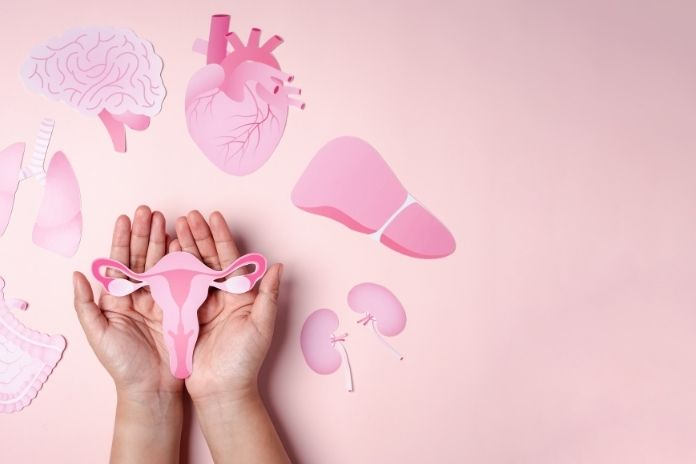
More robust evidence supports some natural menopause treatments than others.
Phytoestrogens from Plant-Based Foods: Found in soy, flaxseed, lentils, and chickpeas, these compounds have a mild estrogen-like effect. The evidence is promising but mixed:
- Multiple meta-analyses show improved hot flash frequency with soy isoflavones at 50–100 mg daily
- Several large reviews, including one in JAMA, found conflicting or weak results
- Effects appear strongest in people whose gut bacteria can convert phytoestrogens into active compounds
Whole food sources are generally preferred over supplements unless a clinician advises otherwise.
Stress Reduction and Mind-Body Therapies: Chronic stress can worsen symptoms. Research shows it triggers norepinephrine release, narrowing the body’s thermoneutral zone and lowering the threshold for hot flashes. Evidence-backed approaches include:
- Mindfulness: A Mayo Clinic study of 1,700+ women linked higher mindfulness scores to fewer symptoms, especially reduced irritability, depression, and anxiety
- CBT for insomnia (CBT-I): A meta-analysis of 11 RCTs found significant improvements in sleep quality and insomnia severity; NICE (2024) now recommends CBT for menopausal symptoms
Sleep Hygiene and Circadian Support: Behavioral strategies are the recommended first-line approach. Key practices:
- Maintain a consistent sleep schedule
- Limit screen time before bed
- Keep the bedroom cool — linked to reduced night sweat disruption
Melatonin supplementation may help some women, but evidence suggests it is better suited to short-term sleep issues than chronic insomnia.
Read More: How Long Does Menopause Last? What to Expect at Each Stage
Popular Herbal Supplements: What the Evidence Says
Ashwagandha: A well-known adaptogen used for centuries to help the body manage stress. During menopause, when stress and anxiety may be more pronounced, it may offer some relief:
- A trial found statistically significant improvements in menopausal symptoms, perceived stress, and hot flashes over 56 days
- A meta-analysis found a small but significant improvement in overall sleep quality, with stronger effects in those with diagnosed insomnia at doses of 600 mg/day or more
- The NIH notes that evidence suggests improvements in sleep quality, efficiency, and latency, though research remains limited and long-term safety data is lacking
Black Cohosh A North American herb widely used for menopausal hot flashes. The evidence is mixed:
- Germany’s Commission E has approved it as a nonprescription treatment for menopausal symptoms, including hot flashes, palpitations, and sleep disturbances
- However, a 2016 systematic review and meta-analysis found no significant reduction in vasomotor symptoms, concluding there was “insufficient evidence” to support or oppose its use
- It is worth noting that rare but serious liver problems have been reported with contaminated supplements. Buy high-quality, third-party tested products, and discuss with a clinician before use
Inositol A naturally occurring compound found in fruit, nuts, and legumes. Its main promise during menopause lies in metabolic and mood support:
- A study found that myo-inositol significantly improved insulin sensitivity, blood pressure, cholesterol, and triglycerides in postmenopausal women with metabolic syndrome
- Evidence also suggests it may help alleviate symptoms of anxiety and depression through its influence on serotonin pathways, though research in menopausal populations specifically is still emerging
Red Clover Red clover contains phytoestrogens that loosely mimic estrogen in the body, which may help maintain hormonal balance. Two reviews support its use for vasomotor symptoms:
- A review concluded it may reduce the frequency of hot flashes, vaginal dryness, and vaginal atrophy
- A meta-analysis confirmed a reduction in hot flash frequency
Women with a history of hormone-positive breast cancer should consult a healthcare professional before use, given its estrogenic effects.
Natural Approaches for Specific Menopause Symptoms
Natural approaches can help manage specific menopausal symptoms, though their effectiveness varies from person to person.
Hot Flashes and Night Sweats
Hot flashes and night sweats are among the most disruptive symptoms of perimenopause, affecting up to 75% of women during the transition. Diet appears to play a meaningful role in managing both:
- Plant-based diet with soy: The 2021 WAVS trial found that a low-fat plant-based diet combined with half a cup of soybeans daily reduced moderate-to-severe hot flashes by 84% over 12 weeks
- Phytoestrogens: Found in soybeans, soy milk, and tofu, these plant-derived estrogens are thought to drive much of this effect; while structurally different from human estrogen, they appear to have beneficial effects in the body
- Environment: Keeping the bedroom cool, using layered bedding, and avoiding known triggers such as caffeine and alcohol may help reduce the frequency and intensity of both hot flashes and night sweats
Weight Gain
Weight gain is common during perimenopause. A large Harvard study tracking over 38,000 women across 12 years found that plant-forward dietary patterns were associated with reduced weight gain during the menopausal transition. Key reasons include:
- Plant foods tend to be lower in calories than animal-based foods
- They are rich in fiber, which helps regulate appetite and supports weight management by slowing digestion and promoting feelings of fullness
Sleep Disturbances and Fatigue
Sleep disruption affects around 60% of women during menopause, driven by night sweats, hormonal shifts, and anxiety. Fatigue often follows as a direct consequence. Several natural approaches can help:
- Sleep hygiene: Maintaining a consistent sleep schedule, limiting screen time before bed, and keeping the bedroom cool are consistently recommended first-line strategies (see Sleep Hygiene section above)
- CBT for insomnia (CBT-I): As noted above, a meta-analysis of 11 RCTs found CBT-I significantly improves sleep quality in menopausal women and is now a NICE-recommended treatment
- Magnesium: Clinical trials in adults show magnesium can improve sleep onset and reduce insomnia severity; it may also support energy metabolism and reduce fatigue, though research specifically in menopausal women is still emerging
Mood Changes and Irritability
Fluctuating estrogen levels during menopause can destabilize mood, contributing to irritability, anxiety, and low mood. Evidence-backed approaches include:
- Exercise: Regular physical activity is well established as a mood booster; research shows it can reduce stress, support emotional regulation, and ease irritability during menopause
- Omega-3 fatty acids: A large-scale study found higher omega-3 intake was associated with a significantly lower risk of depression in postmenopausal women; a 2025 narrative review also found accumulating evidence that EPA and DHA support brain health during the menopausal transition
- Mindfulness and CBT: As covered above, the Mayo Clinic study of 1,700+ women found mindfulness was particularly associated with lower scores for irritability, depression, and anxiety
Vaginal Dryness and Sexual Health Concerns
Vaginal dryness affects up to 57% of postmenopausal women and results from declining estrogen, causing vaginal tissues to thin and lose elasticity. Unlike hot flashes, it tends to worsen over time without treatment.
Moisturizers and lubricants: Research supports two main over-the-counter approaches:
- Vaginal moisturizers (such as Replens) are applied every few days to maintain tissue health; evidence points to hyaluronic acid-based formulations as among the most effective
- Vaginal lubricants (such as Astroglide or K-Y Jelly) are used at the time of intercourse to reduce discomfort; water-based options are generally recommended as the safest choice
When medical treatment may help: If dryness is persistent, severe, or accompanied by other menopausal symptoms, over-the-counter products alone may not be sufficient. A clinician may recommend low-dose vaginal estrogen (cream, tablet, or ring), which acts locally to restore tissue health with minimal systemic absorption, or other prescription options. Women with a history of hormone-sensitive cancers should discuss all options with their healthcare provider before starting any treatment.
Heart Health
The drop in estrogen during menopause triggers metabolic changes, including weight gain, rising LDL cholesterol, and increased insulin resistance, that elevate the risk of heart disease, the leading cause of death among women in the United States. A plant-based diet is one of the most evidence-backed dietary strategies for addressing these risks:
- A Women’s Health Initiative study of over 123,000 postmenopausal women found that those who most closely followed a plant-rich diet were 11% less likely to develop cardiovascular disease and 14% less likely to develop coronary heart disease
- Research also shows that plant-based diets address several of the underlying drivers of arterial plaque buildup
Osteoporosis
Estrogen promotes bone formation and slows bone breakdown. As estrogen levels fall during menopause, bone loss accelerates, weakening bones and raising fracture risk. Nutritional support is essential:
- Current practice guidelines recommend postmenopausal women maintain a daily intake of 1,000–1,200 mg of calcium and adequate vitamin D
- A systematic review confirmed that calcium combined with vitamin D is associated with improved bone mineral density in postmenopausal women
- Weight-bearing and resistance exercise (covered in the exercise section) also plays a key role in preserving bone density
What “Natural” Does — and Does Not — Mean
It may be tempting to assume that natural menopause treatments are always safe, but the term “natural” does not guarantee freedom from risk.
Natural Products Can Still Cause Side Effects
Herbal supplements can cause real side effects, particularly at high doses or without professional guidance. Black cohosh can raise liver enzymes and should not be used for more than six months. Long-term use of phytoestrogen supplements has been associated with thickening of the uterine lining.
Supplements are also not regulated by the FDA in the same way as medicines, meaning quality and dosage can vary considerably between brands.
Hormone-Sensitive Conditions and Safety Concerns
- Breast cancer history: Phytoestrogen supplements are not recommended for women with a history of hormone-sensitive cancers. Whole food sources are generally considered safer, but should still be discussed with an oncologist. The safety of black cohosh in women with a breast cancer history also remains uncertain.
- Liver disease: The U.S. Pharmacopeia advises that people with liver disorders avoid black cohosh, given reports of associated liver damage, including hepatitis and liver failure.
- Cardiovascular conditions: Dong quai and high-dose vitamin E may increase bleeding risk alongside blood thinners. Women managing heart disease should have any supplement regimen reviewed by a clinician before starting.
Read More: Best Diet for Menopause: Foods That Help and Foods to Limit
When Hormone Therapy May Still Be Considered
Hormone replacement therapy (HRT) serves as a treatment aimed at alleviating menopausal symptoms. People also refer to it as hormone therapy for menopause and estrogen replacement therapy.
As indicated by its name, hormone replacement therapy replaces hormones that decrease at the onset of menopause: estrogen, progesterone, or both. Hormones govern a multitude of bodily functions, including anxiety levels, appetite, body temperature, brain activity, heart rate, metabolism, mood, sleep patterns, sexual function, stress response, and urination.
Consequently, any imbalance, whether excess or deficiency, can result in symptoms that are at best uncomfortable and at worst disruptive.
To achieve hormonal balance, various combinations and methods of administration are available, including creams, patches, and pills. Consult your physician to find out what suits you best.
Note that hormone replacement therapy (HRT) carries certain risks, including breast cancer and thromboembolism, largely influenced by dosage and treatment duration.
To maximize the benefits and minimize adverse effects, it is essential to tailor HRT based on individual health profiles, including age, cardiovascular risk, and a history of hormone-sensitive conditions.
Menopause Myths and Internet Misinformation
These are some myths about menopause that people should stop believing, along with the truths they should share instead.
Myth #1: “Menopause always begins in your 50s.”
Fact: The onset of menopause can vary greatly from woman to woman and can happen at any time.
Myth #2: “The only symptoms of menopause are hot flashes and night sweats.”
Fact: Women experience various effects from menopause, both physical and mental.
Myth #3: “To diagnose menopause, hormone testing is necessary.”
Fact: No single test can determine menopause.
Myth #4: “Postmenopausal women don’t require an examination.”
Fact: As you grow older, annual check-ups remain vital for your health.
When to Talk to a Healthcare Professional

If you experience symptoms of menopause, consult your health care provider. When discussing treatments, you might mention:
- Your symptoms and the extent to which they impact your day-to-day life.
- Your health risks considering your age and health status.
- If you have previously utilized a treatment such as menopausal hormone therapy.
- Whether you should consider menopausal hormone therapy depends on your personal health history and family background.
- Whether you have already entered post-menopause, and if so, how long it has been.
Read More: 8 Perimenopause Health Mistakes Many Women Don’t Realize They’re Making
Conclusion
While navigating menopause may seem daunting, making informed decisions can have a significant impact. Although marketers heavily advertise numerous natural remedies for menopause, only a few have reliable studies backing them.
Making lifestyle changes, like exercising regularly, eating a balanced diet, and managing stress, remains the most reliable way to enhance overall well-being during this phase.
Some supplements may alleviate certain symptoms, but their effectiveness can vary from person to person. Approach every option with realistic expectations and prioritize safety.
References
- American Heart Association. (2021, August 4). Eating a plant-based diet at any age may lower cardiovascular risk.
- Barnard, N. D., & colleagues. (2021). The Women’s Study for the Alleviation of Vasomotor Symptoms (WAVS): A randomized, controlled trial of a plant-based diet and whole soybeans for postmenopausal women. Menopause, 28(10), 1150–1156.
- Cedars-Sinai. (n.d.). Menopause.
- Cleveland Clinic. (2022, October 26). Menopause supplements: Do they actually work?
- Columbia University. (2023, February 8). What you should know about hormone therapy and menopause.
- Facing Our Risk of Cancer Empowered (FORCE). (2024, September 9). Menopause symptoms and side effects.
- Ghazanfarpour, M., & colleagues. (2021). Red clover for treatment of hot flashes and menopausal symptoms. Journal of Obstetrics and Gynaecology.
- Harvard T.H. Chan School of Public Health. (2024). Straight talk about soy. The Nutrition Source.
- Hussain, A., & colleagues. (2025). A prospective, randomized, double-blind, placebo-controlled study on efficacy and safety of ashwagandha root extract for managing menopausal symptoms in women. Frontiers in Reproductive Health.
- Kolanu, B. R., & colleagues. (2025). Vitamin D and calcium supplementation in women undergoing pharmacological management for postmenopausal osteoporosis: A level I evidence systematic review. PMC.
- Mayo Clinic. (2024, August 7). Menopause.
- Mayo Clinic News Network. (2019, January 17). Mindfulness may ease menopausal symptoms.
- Minihane, A. M. (2025). Omega-3 fatty acids, brain health and the menopause. Therapeutic Advances in Endocrinology and Metabolism.
- National Center for Complementary and Integrative Health. (2024). Herb-drug interactions: What the science says.
- National Center for Complementary and Integrative Health. (2024). Menopausal symptoms and complementary health approaches.
- National Institutes of Health, Office of Dietary Supplements. (2024). Ashwagandha: Health professional fact sheet.
- National Institutes of Health, Office of Dietary Supplements. (2024). Black cohosh: Health professional fact sheet.
- Office on Women’s Health. (2025, May 30). Menopause symptoms and relief.
- Physicians Committee for Responsible Medicine. (n.d.). A natural approach to menopause.
- Physicians Committee for Responsible Medicine. (2026). Plant-based foods support healthy weight during menopause.
- Portman, D. J., & colleagues. (2016). Treating vulvovaginal atrophy/genitourinary syndrome of menopause: How important is vaginal lubricant and moisturizer composition? Women’s Health.
- Pratte, M. A., & colleagues. (2021). Effect of ashwagandha (Withania somnifera) extract on sleep: A systematic review and meta-analysis. PLOS ONE.
- Santamaria, A., & colleagues. (2012). One-year effects of myo-inositol supplementation in postmenopausal women with metabolic syndrome. Climacteric, 15(5), 490–495.
- Shams, T., & colleagues. (2010). Efficacy of black cohosh-containing preparations on menopausal symptoms. Alternative Therapies in Health and Medicine.
- Susan G. Komen. (n.d.). Black cohosh.
- The Conversation. (2026, April 23). Supplements for menopause: Here’s what the evidence actually says.
- The Flow Space. (2025). Menopause and sleep problems: Causes & new science-backed solutions.
- Today. (2026, March 18). Do menopause supplements work? Doctors discuss ingredients, dangers.
- Tuso, P., & colleagues. (2015). A plant-based diet, atherogenesis, and coronary artery disease prevention. The Permanente Journal.
- VA Whole Health Library. (2026, March 19). Phytoestrogens. U.S. Department of Veterans Affairs.
- Welch, A., & colleagues. (2022). Food-based calcium or vitamin D or both for osteoporosis in postmenopausal women. PMC.
- Zhang, Y., & colleagues. (2025). Effects of cognitive behavioral therapy on sleep quality and insomnia severity index in women with menopausal insomnia: A systematic review and meta-analysis. PMC.
- Zhou, X., & colleagues. (2025). Daidzein and genistein: Natural phytoestrogens with potential applications in hormone replacement therapy. PMC.
In this Article