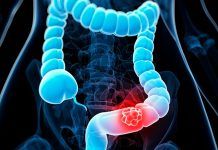

















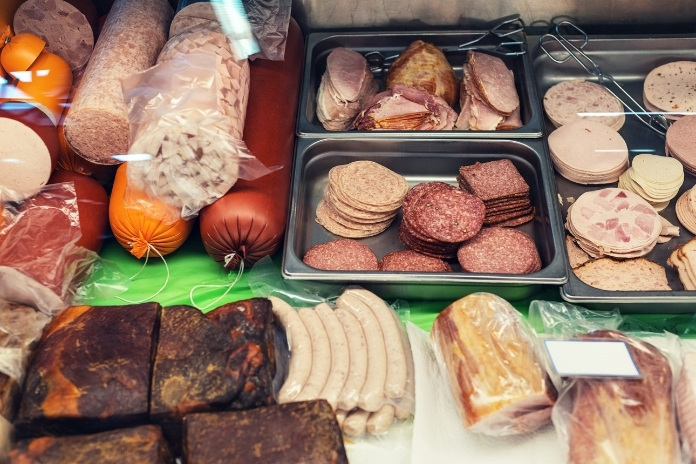
The rising number of colorectal cancer cases, particularly among younger adults, has intensified interest in the role of diet and lifestyle in disease development. Researchers are increasingly examining how modern dietary habits, including the consumption of ultra-processed foods, may influence colon cancer risk, as well as the potential connection between sugary drink intake and the development of the disease.
Even while lifestyle, environment, and genetics all play a role in cancer, nutrition is still a major controllable factor.
This article will discuss what ultra-processed foods are, the relationship between diet and colorectal cancer, the findings of recent studies, and the risk factors, including added sugars, fiber intake, and the gut microbiome.
- Ultra-processed foods lack fiber and alter gut bacteria, spiking colon cancer risks.
- Sugary drinks activate unique enzymes ($SORD$) that can accelerate cancer cell spread.
- Switching to a Mediterranean-style diet and scheduling routine colonoscopies vastly improves prevention.
Read More: Colon Cancer – Types, Stages, Diagnosis, Treatment And Prevention
What Are Ultra-Processed Foods?
UPFs are now a common topic of discussion and a developing public health problem. These foods are associated with a worse kind of diet quality and a long, ever-expanding list of adverse health outcomes. However, what constitutes ultra-processed food?
Packaged foods prepared by food firms that contain many manufactured additives rather than real foods are called ultra-processed foods. The process of combining those elements to create something edible destroys the foods’ original nutritional value and integrity.
Hot or cold packaged snacks, prepackaged meals, candies, and drinks are examples of ultra-processed foods. They typically contain lengthy lists of components, many of which you won’t be familiar with, such as bleaching, emulsifying, de-foaming, and bulking agents.
The majority of the food that we eat in the United States, says Julia Wolfson, PhD ’16, MPP, an associate professor in International Health. “They dominate our food systems. If you imagine a typical grocery store, most of the foods and beverages lining the shelves are ultra-processed,” she adds.
In fact, it is estimated that ultra-processed foods make up about 75% of the food supply in the United States. UPFs account for more than half of the average American adult’s caloric intake and over 60% for youngsters.
What Does the Research Say About Ultra-Processed Foods and Colon Cancer?
Researchers have identified diet as one significant modifiable risk factor for colorectal cancer (CRC). Diets high in carbs and lipids, including those found in processed and red meats, are particularly considered high-risk. High consumption of ultra-processed foods may raise the risk of colorectal cancer (CRC), the third most common cancer diagnosed in the United States, according to a recent large-scale cohort study of American citizens.
The use of ultra-processed foods, as well as commercial ready-to-eat or ready-to-heat goods high in refined sugars, refined flour, and trans fats, has significantly increased over the last 20 years, according to studies.
Currently, 57% of American adults’ daily caloric intake comes from ultra-processed foods. A growing body of research indicates that ultra-processed meals raise the risk of colorectal cancer (CRC) by changing the diversity and composition of gut microbiota and raising the risk of obesity.
Bread and rolls, breakfast bars and cereals, hot dogs and other processed meats, packaged sweet snacks and desserts, jams and jellies, and sauces are a few examples of these meals.
How Ultra-Processed Foods May Affect Colon Health
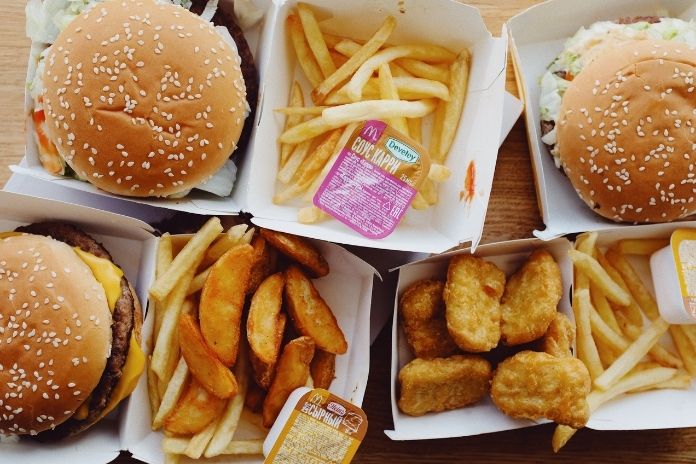
Diets high in highly processed foods are often low in fiber. Fiber intake plays a crucial role in:
- Regularizing bowel movements
- Supplying good gut flora
- Decreasing the amount of time toxins spend in contact with the gut lining
Low fiber intake is a key concern in colon cancer prevention diet strategies. Researchers have long recognized a diet heavy in processed meat as a risk factor for colorectal cancer. A new study is now clarifying the link between ultra-processed food and the risk of colon cancer.
The goal of the 2022 BMJ study that included over 200,000 participants and over 3,200 instances of colorectal cancer was to learn more about the relationship between eating ultra-processed food and cancer risk.
According to the study, men who consumed ultra-processed meals at the greatest rates were 29% more likely to get colorectal cancer during a nearly three-decade period than men who consumed the same foods at the lowest rates.
Ultra-processed foods are high in calories and simple to overindulge in, which can lead to:
- Gaining weight
- Developing Insulin resistance
- Elevating the risk of cancer
Obesity is a major colon cancer risk factor, making diet quality essential.
Read More: New Study Finds Preventive Measures Of Colon Cancer In Vegetables
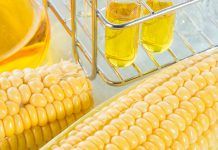
The Potential Role of Sugary Drinks in Colon Cancer Risk
Jihye Yun, Ph.D., an assistant professor of genetics, headed a team that investigated the potential impact of sugary drinks on late-stage colon cancer. They examined the effects of the glucose-fructose mixture present in most sugary drinks, compared with those of glucose or fructose alone, using laboratory cancer models.
Only the sugar mixture increased the mobility of cancer cells, causing them to travel more quickly to the liver, which is where colon cancer metastases most frequently.
An enzyme, sorbitol dehydrogenase (SORD), was activated by the sugar mixture. This enzyme increases glucose metabolism and initiates the cholesterol biosynthesis pathway, which, in turn, promotes metastasis. Statins, which are common heart medications that prevent cholesterol production, target the same mechanism.
Despite the presence of the sugar mix, blocking SORD inhibited metastasis. These results suggest that metastasis may be preventable by targeting SORD.
“Our findings highlight that daily diet matters not only for cancer risk but also for how the disease progresses once it has developed,” Jihye Yun said. She adds, “While these findings need further investigation, they suggest that reducing sugary drinks, targeting SORD, or repurposing statins may benefit patients with colorectal cancer.”
Other Dietary Factors That Influence Colon Cancer Risk
Diet and lifestyle significantly influence the prognosis and prevention of colorectal cancer (CRC). Dietary factors such as consuming meat, sugary drinks, and alcohol, along with lifestyle factors like following Western food patterns, being overweight or obese, physical inactivity, and smoking, can increase the risk of colorectal cancer (CRC).
A diet heavy in red and processed meat and low in fiber is a major risk factor for colorectal cancer (CRC). It can cause DNA damage, gut epithelial damage, cell proliferation, and genotoxicity from nitrates added as a preservative, according to a systematic review of numerous research papers.
For CRC patients and survivors, a diet heavy in processed food and red meat can be very harmful and raise the chance of death.
A diet rich in fruit, vegetables, and fiber is unquestionably healthful and can help prevent colorectal cancer. A good preventive alternative for your eating habits is the Mediterranean diet, which consists of fruit, vegetables, fish, and whole grains.
Additionally, studies show a strong correlation between eating processed meat and the development of early-age onset colorectal cancer (EAO-CRC), which affects people under 50.
About 20% of instances of EAO-CRC, a cancer that is quickly spreading throughout the world, can be linked to family history, with the rest of the cases being caused by other factors like nutrition and lifestyle.
Colon Cancer Risk Factors Beyond Diet
Genetics and Family History: Genetic predisposition is very important, particularly in the hereditary syndromes.
Age and Early-Onset of Colon Cancer: The rising number of cases among younger persons highlights the need for awareness.
Excess Weight and Physical Inactivity: Sedentary lifestyles contribute to obesity and cancer risk.
Smoking and Other Health Behaviors: Smoking raises the risk of colorectal cancer among other cancers.
Read More: Is It a Flare or Pre-Cancer? Why Active Inflammation Makes Dysplasia Harder to Detect
Practical Ways to Reduce Your Intake of Ultra-Processed Foods
If your diet contains too many ultra-processed foods and not enough unprocessed or slightly processed foods, you can lower your risk of colorectal cancer. Giving up ultra-processed meals completely is not essential. However, you should consider these items to be occasional indulgences rather than mainstays of your diet.
To counteract the consumption of highly processed foods, you must also include other foods, such as fruits and vegetables. There isn’t precisely a cap or rule. All you have to do is exercise caution, limit your intake of highly processed food, and balance them with a nutritious diet.
What foods can lower your risk of colorectal cancer? Whole (unprocessed) foods, particularly fresh fruits and vegetables, are great options. So are whole-grain foods, legumes, and low-fat dairy.
Among the foods that support colon health are:
- Apples
- Bananas
- Black beans
- Broccoli
- Kidney beans
- Leafy greens
- Lentils
- Nuts
- Oatmeal
- Oranges
- Bread made with whole grains
- Yogurt
What to Drink Instead of Sugary Beverages

Hydration and general health are supported by water.
Options for Unsweetened Drinks:
- Tea
- Coffee
- Sparkling water
Read More: 5 Foods That May Help Lower Your Risk of Colorectal Cancer — and What the Research Actually Says
Early Warning Signs of Colon Cancer That Should Not Be Ignored
Colon cancer may not show any signs in its very early stages. For this reason, routine screenings, such as colonoscopy, are crucial.
However, symptoms could develop as the illness worsens. To identify the source of your symptoms, your doctor may recommend additional tests, like a fecal occult blood test or a colonoscopy.
Changes in bowel habits: You may experience irregular bowel movements, such as persistent episodes of constipation or diarrhea, for no apparent reason. Your bowel movements may have changed in size or consistency. Additionally, some people may feel that their bowel movements are incomplete or that they need to pass stools even after emptying their colon.
Blood in the stool: Bleeding from the rectum or lower digestive system may be indicated by blood on the toilet paper or in your stool. If you observe blood after using the restroom, consult your physician.
Abdominal pain or cramping: An early sign of colon cancer can be persistent discomfort or cramping in the abdomen. This pain may not be related to bowel movements and can range from minor discomfort to excruciating pain.
Unexpected weight loss: One of the first signs of colon cancer may be unexplained weight loss. Without altering your food or activity habits, you may experience a notable weight loss. There may be no obvious reason for this weight reduction, which could happen gradually over time. Weight loss may result from changes in the body’s nutrient absorption or from decreased appetite caused by colon cancer.
Screening Remains One of the Most Effective Tools for Colon Cancer Prevention
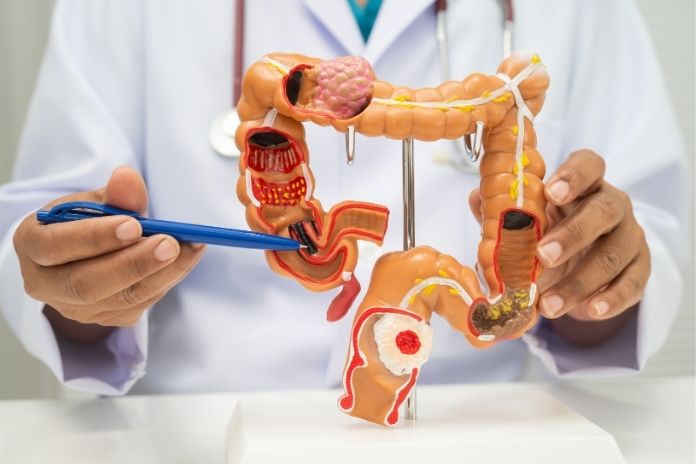
Colorectal cancer, in contrast to many other types of cancer, is very preventable. The majority of cases begin as small growths called polyps. Some of these polyps may develop into cancer over several years. A gastroenterologist can find and remove these polyps during a colonoscopy before they have an opportunity to develop into cancer.
There are various methods for screening for colon cancer, and the test actually performed is often the most effective.
Colonoscopy: It is considered the gold standard. Doctors consider it the gold standard because it allows them to visualize and remove polyps immediately. You usually only need one every ten years if the results are normal. The only available preventive technique at the moment is a colonoscopy.
Stool-Based Tests: These kits are used at home to detect changes in DNA or hidden blood. Although they are convenient, they need to be performed more regularly (every one to three years), and a follow-up colonoscopy is still necessary if the results are positive.
What Doctors Want Patients to Understand About Diet and Colon Cancer
In the development of cancer, numerous factors interact. Compared with infrequent choices, long-term habits have a greater impact on risk. Healthy choices lower risk, but they do not eliminate it.
Read More: Just 10 Minutes of Hard Exercise Can Trigger Powerful Anti-Cancer Effects
Conclusion
Available data show that long-term eating habits significantly influence colon health. Low fiber consumption, inflammation, and weight gain are some of the reasons that may link diets heavy in ultra-processed foods to colon cancer.
Similarly, metabolic alterations like insulin resistance may have an impact on the risk of colon cancer and frequent consumption of sugary drinks.
A balanced diet, which is rich in whole, minimally processed foods, can improve overall health, even though no single food directly causes cancer. These dietary changes may help lower risk and support long-term gut health when combined with routine screening and healthy lifestyle habits.
References
- Morgan Coulson. (November 10, 2025). Most of the Foods We Eat Are Ultra-Processed. Are They All Unhealthy?
- Heather Alexander. (March 16, 2022). What are ultra-processed foods?
- Mass General Brigham. (2025, November 13). Study finds adults who consumed more ultra-processed foods had higher rates of precursors of early-onset colorectal cancer.
- MD Anderson Research News. (September 19, 2025). Sugary drinks may increase risk of metastasis in advanced colorectal cancer.
- Parker, A. (2022, February 24). Healthy inside and out: How diet and lifestyle impact colorectal cancer.
- Mayo Clinic. (March 18, 2026). Colon cancer prevention: What you can do.
In this Article