

















To check for precancerous lesions, people with inflammatory bowel disease (IBD), which includes Crohn’s colitis and ulcerative colitis, frequently get routine colonoscopies. Differentiating between inflammation and dysplasia when the colon is actively inflamed is still a significant clinical problem.
The colon’s lining undergoes significant alterations during a flare, complicating dysplasia detection during inflammation. It poses a significant question: might a flare mask cancer early warning indicators?
In this article, we will explore how IBD dysplasia colonoscopy works, why colonoscopy during active inflammation accuracy may be reduced, whether inflammation can hide precancerous cells, and how doctors approach surveillance colonoscopy IBD timing to ensure effective detection.
- Active inflammation can hide or mimic dysplasia, making detection less reliable during flares.
- Doctors often prefer surveillance colonoscopy during remission for clearer visibility and accurate biopsy results.
- Advanced techniques like chromoendoscopy and CLE improve dysplasia detection even in challenging cases.
Read More: How a Single Night of Poor Sleep Can Triple Your IBS Pain the Next Day
What Is Dysplasia and Why Does It Matter in Inflammatory Bowel Disease
The morphological term “dysplasia” derives from the word “malformation.” Clinicians describe inflammatory bowel disease-related dysplasia as a clearly neoplastic but noninvasive epithelial malformation, emphasizing the nature and cause of the deformity.
The clinical ramifications associated with the discovery of dysplasia in IBD necessitate the application of a specific definition. However, the microscopic diagnosis of dysplasia is still challenging. Clinically, it’s critical to distinguish between therapy-related “pseudodysplasia” and true dysplasia, as well as between polypoid IBD-related dysplasia and random adenoma that occurs in IBD.
A second opinion may be necessary if dysplasia is diagnosed, given its clinical implications. Clinicians may use additional methods to identify genetic flaws linked to carcinogenesis and support the diagnosis.
What Happens to the Colon During Active Inflammation
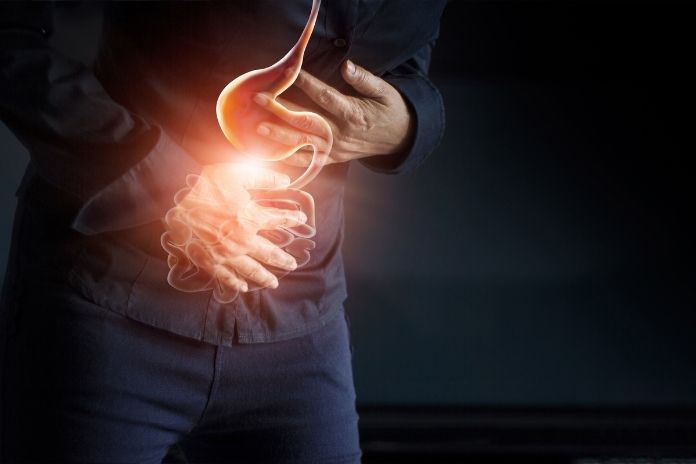
Evaluation is made more difficult by the numerous visible and microscopic changes that the colon experiences during an IBD flare:
Mucosal Swelling and Redness: The gut lining experiences swelling, redness, and increased blood flow as a result of active inflammation. It alters the colon’s typical appearance, making it harder to spot subtle irregularities.
Ulcers and Uneven Surface Patterns: Inflammation can cause ulcers and uneven surfaces. Endoscopic vision is compromised by these disruptions, making it difficult to identify small or flat lesions that may indicate dysplasia.
Regenerating Tissue That Replicates Abnormal Cells: The colon creates regenerating tissue as it recovers. Under a microscope, these regions could look aberrant and occasionally resemble dysplasia. Biopsy sampling and interpretation become confusing due to this overlap.
Why Active Inflammation Makes Dysplasia Harder to Detect
To prevent overdiagnosing dysplasia, the pathologist must be aware of circumstances in which reactive epithelial changes may resemble the condition:
Ulcer/Erosion with Significant Active Inflammation: Nuclear alterations that resemble high-grade dysplasia may result from active inflammation. When a large number of neutrophils penetrate the surrounding epithelium, caution is warranted.
However, it is crucial to monitor the level of inflammation. Barrett’s esophagus with high-grade dysplasia may be associated with a few neutrophils in the overlying epithelium. Still, clinicians can diagnose high-grade dysplasia because the nuclear changes are so dramatic.
Metaplastic Columnar Epithelium beneath Squamous Epithelium: Proton-pump inhibitors may cause the squamocolumnar junction to migrate caudad, or they may lead to the formation of squamous islands inside the Barrett’s segment. Barrett’s metaplastic epithelium may still be visible beneath the surface squamous epithelium in any scenario (squamous overgrowth).
Diminished Visibility of Subtle Lesions: Active inflammation may hide subtle lesions. It raises the question of whether inflammation can conceal precancerous cells, as inflammatory tissue may cover small or flat dysplastic regions. Yes, in certain situations, especially when acute inflammation is present.
Atypical Epithelium Fragments that have Separated from the Lamina Propria: Barrett’s esophageal surface epithelium may exhibit characteristics that point to dysplasia. The nuclei of the cells within these strips of detached atypical epithelium may appear extremely atypical in the absence of dysplasia for unclear reasons, probably because of the trauma that took them from the surface.
Reactive Gastric Cardiac Mucosa: This condition can be mistaken for dysplastic metaplastic epithelium due to its nuclear atypia. Although clinicians may not see goblet cells in biopsy specimens of dysplastic epithelium, their absence may provide a significant clue.
Compared to reactive gastric cardiac epithelium, dysplastic epithelium devoid of goblet cells would exhibit more nuclear atypia.
Read More: Always Tired but Can’t Sleep? Why IBS Patients Are 4x More Likely to Suffer from “Hypersomnia”
Can Dysplasia Be Missed During a Flare?
Biopsies taken during times of active inflammation may make it more difficult to diagnose dysplasia. The pathologist may choose to classify the biopsy as “indefinite for dysplasia” in this situation.
A qualification such as “favor negative for dysplasia” or “favor positive for dysplasia” should often be included with this diagnosis. In this situation, a short-term (three to six months) repeat monitoring examination is recommended after strong medical therapy to minimize active inflammation.
Furthermore, recent reports suggest that the degree of inflammatory activity may independently correlate with dysplasia and colorectal cancer in ulcerative colitis, so that clinicians may recommend a more rigorous surveillance program with more frequent exams for patients with a history of frequent histologically evident active inflammation.
When Doctors Prefer to Perform Surveillance in Remission

Improved Lining Visualization: The colon returns to its usual appearance as inflammation resolves. It enhances endoscopic visibility and facilitates the identification of aberrant areas.
More Accurate Biopsy Interpretation: Histologic changes brought on by inflammation diminish after remission. It allows pathologists to distinguish dysplasia from inflammatory changes in the colon more accurately.
Improved Recognition of Subtle Changes: When the colon is not inflamed, subtle dysplastic lesions are easier to spot. It increases the efficacy of colorectal cancer surveillance.
When Colonoscopy During Active Inflammation May Still Be Necessary
During a colonoscopy, a gastroenterologist uses a thin, flexible tube equipped with a camera to examine the lining of your large intestine (colon) and the end of your small intestine (terminal ileum).
The physician can directly search for indications of bleeding, strictures, ulcers, inflammation, and other abnormalities during this gastrointestinal examination. Crucially, biopsies, small tissue samples, can be obtained for microscopic examination to help determine whether inflammatory alterations are indicative of IBD or another illness.
Because colonoscopy enables direct visualization of mucosal health, it is essential for diagnosing IBD. In ulcerative colitis, inflammation usually begins in the rectum and spreads throughout the colon, either entirely or partially.
The doctor may notice ulcerations, a granular surface, a friable (easily bleeding) mucosa, and a lack of the typical blood vessel pattern during the colonoscopy process. Inflammation in Crohn’s disease frequently involves the terminal ileum and can be patchy, “skipping” over several segments of the GI tract.
The results of a colonoscopy can reveal:
- The distribution of active inflammation, including erythema, edema, erosions, and ulcers
- Chronicity symptoms include strictures, scarring, and loss of vascular pattern
- Sources of bleeding and lesions, such as polyps
- Examining perianal disease (fissures, fistula openings)
- Involvement of the terminal ileum (particularly when Crohn’s disease is suspected)
Read More: Melatonin for Your Gut? The Surprising Role of the Sleep Hormone in Managing IBS Cramping
Techniques That May Improve Dysplasia Detection Despite Inflammation

Compared to histology, confocal laser endomicroscopy (CLE) can identify more dysplastic lesions during surveillance colonoscopy and accurately predict inflammatory and neoplastic changes. Because of its small scanning area, this method works best when combined with chromoendoscopy, narrow-band imaging, or autofluorescence.
For proper tissue classification of mucosal lesions identified by conventional or optically enhanced endoscopy, this combination is helpful. Chromoendoscopy to identify suspicious areas and further CLE examination to detect intraepithelial neoplasia seem to be the most effective combo for IBD surveillance.
Symptoms That Should Not Be Ignored During a Flare
“Red flags” are a frequent term for “alarm” indications and symptoms. “Alarm” symptoms are merely indicators of changes that are neither consistent with nor explained by an IBS diagnosis.
These need to be further examined by a medical professional. “Alarm” symptoms may indicate an underlying illness that physically harms the gut, or they may relate to other conditions.
Rectal hemorrhage, for instance, is among the most concerning of these symptoms. A hemorrhoid or a little anal canal fissure could be the cause of this. Additionally, rectal bleeding may indicate harmful alterations or damage to the intestinal wall, so you should not disregard it.
Healthcare professionals use a set of criteria to ensure that IBS alone is the cause of the symptoms. They often refer to these criteria as “alarm symptoms” or “alarm signs,” which include the following:
- Emergence of new symptoms at age 50 or above
- Blood in the feces (black, tarry stool or crimson blood)
- Fever, chills, or sweats at night
- Symptoms that wake you at night
- Unintended weight reduction
- Your usual IBS symptoms have changed (such as new and unusual pain)
- Recent antibiotic usage
- Other GI conditions, such as cancer, inflammatory bowel disease, or celiac disease, may run in the family
How Surveillance Timing Is Usually Planned

The timing of surveillance colonoscopy IBD timing depends on several factors:
- Length of illness
- Degree of inflammation
- Cancer history, either personal or familial
- Earlier dysplasia findings
The majority of recommendations advise beginning monitoring 8 to 10 years after diagnosis and continuing it regularly.
Questions to Ask Your Gastroenterologist
If you are in charge of IBD, think about asking the following:
- Should I postpone my colonoscopy till the irritation goes down?
- What methods will enhance the identification of dysplasia during inflammation?
- Will more biopsy sampling be taken?
- When should my next IBD dysplasia colonoscopy be scheduled?
You may remain informed and actively participate in your care thanks to these conversations.
Read More: Magnesium Citrate for Constipation: How It Works, When to Use It, and Safety Tips
Conclusion
One of the biggest challenges in treating inflammatory bowel disease is still distinguishing between inflammation and dysplasia. Active inflammation can obscure crucial microscopic and optical information, making it more difficult to identify an early problem.
It does not, however, imply that detection is impossible; it just calls for cautious timing, sophisticated methods, and knowledgeable assessment. After the colon has healed, conducting monitoring frequently increases diagnostic precision and confidence. However, colonoscopies required during flare-ups remain crucial for guiding therapy decisions.
Reducing long-term risks requires open conversation with your healthcare professional, individualized treatment plans, and consistent monitoring.
References
- Keyashian, K., Diamond, S., Pasha, A., Holub, J., Williams, L., Logan, J., Collins, J., Modiano, N., & Lieberman, D. (October 2015). Dysplasia in inflammatory bowel disease: A review of a US endoscopic database.
- International Foundation for Gastrointestinal Disorders. Changes you should not ignore if you have IBS.
In this Article