

















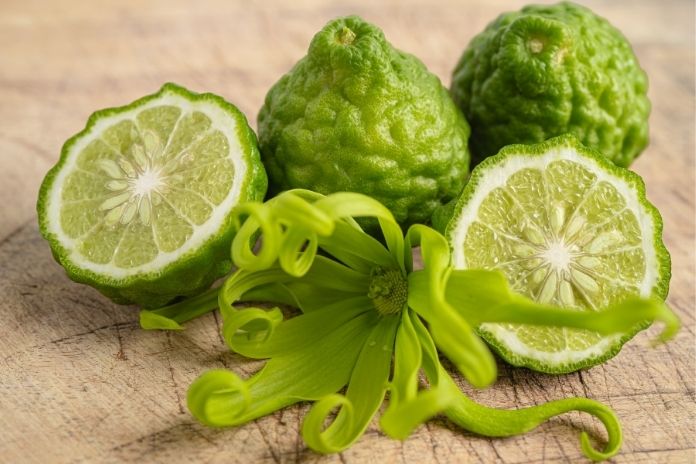
Bergamot (Citrus bergamia) is the citrus fruit behind the distinctive flavor of Earl Grey tea. It is grown almost exclusively in Calabria, southern Italy, and is thought to be a hybrid of bitter orange and lemon. While it is best known for its fragrance, bergamot has built a serious research profile, especially in supplement form.
The fruit contains a unique mix of polyphenols, particularly flavanones that are rare or present in much lower amounts in other citrus fruits. These compounds drive most of its potential health effects and explain why bergamot behaves differently from standard citrus extracts.
One important point is that not all forms of bergamot work the same way. Bergamot is used as an oral extract, an essential oil, and occasionally as a juice or food ingredient. The strength and type of evidence vary widely depending on the form.
In this article, we will look at eight evidence-based health benefits of bergamot, focusing on what human studies actually show. For each benefit, we will also understand the form of bergamot used, how it works in the body, and where the evidence is strong versus still emerging.
- Bergamot extract has the strongest evidence for lowering LDL cholesterol, with multiple human trials showing significant reductions in total cholesterol, LDL, and triglycerides.
- Its cardiovascular and metabolic benefits extend beyond cholesterol, including antioxidant effects, reduced oxidized LDL, and possible improvements in blood sugar, though evidence is less consistent.
- The effects depend on the form used, with oral extracts driving metabolic benefits and essential oils showing limited, short-term effects on stress and mood.
1. It Has the Strongest Evidence for Lowering LDL Cholesterol
Form: Oral polyphenolic extract (BPF)
If there is one reason bergamot stands out in the supplement space, it is its effect on cholesterol. Unlike many plant compounds that depend mostly on theory or animal data, bergamot has been tested in multiple human studies with fairly consistent results.
A systematic review of 12 clinical studies found that most showed meaningful improvements in lipid markers with bergamot. Total cholesterol dropped by about 12 to 31 percent, while LDL cholesterol fell by roughly 8 to 40 percent. Triglycerides also decreased across many of these studies.
A 2024 randomized controlled trial adds to this evidence. Adults with dyslipidemia who took 150 mg per day of standardized bergamot flavonoids for four months saw significant reductions in total cholesterol, LDL, and oxidized LDL. This last marker is important because oxidized LDL is more damaging to blood vessels than regular LDL.
Bergamot contains compounds called brutieridin and melitidin that are structurally similar to statins. These compounds may inhibit HMG-CoA reductase, the same enzyme targeted by statin medications to reduce cholesterol production. Bergamot also appears to activate AMPK, which plays a role in lipid metabolism.
It is important to be practical. Bergamot is not a replacement for statins in high-risk individuals. However, for people with mild-to-moderate cholesterol elevations or those who do not tolerate statins well, it is one of the more evidence-supported supplement options.
2. It May Support Heart Health Beyond Cholesterol
Form: Oral polyphenolic extract
Lowering LDL is only one part of cardiovascular health. Researchers have also explored whether bergamot affects other pathways involved in heart disease.
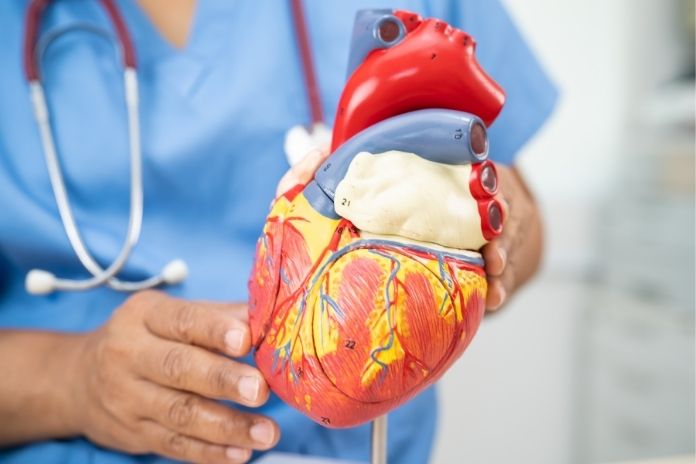
A 2025 review highlighted three key areas. Bergamot may reduce inflammation, improve antioxidant protection, and support endothelial function, which refers to the health of blood vessel walls. These effects together could contribute to better overall cardiovascular function.
The 2024 clinical trial also measured paraoxonase 1, an enzyme linked to HDL that helps protect LDL from oxidative damage. Participants taking bergamot showed improved activity of this enzyme, suggesting a potential protective effect beyond basic cholesterol reduction.
Multiple human trials support the cholesterol-lowering effect. Many of the additional cardiovascular benefits are supported by preclinical studies and smaller human analyses. The biology makes sense, but the strength of evidence is not equal across all outcomes.
3. It Acts as an Antioxidant and Helps Reduce Oxidized LDL
Form: Oral extract primarily, juice to a lesser extent
Oxidative stress plays a major role in chronic disease, particularly in cardiovascular conditions. One of the most important targets is oxidized LDL, which actively contributes to plaque formation in arteries.
Bergamot’s flavonoids have strong antioxidant activity. They help neutralize free radicals and reduce oxidative stress in the body. In a recent study, participants taking bergamot not only lowered LDL but also showed reduced oxidized LDL levels and improved antioxidant enzyme activity.
What sets bergamot apart is the concentration of its active compounds. Flavanones such as naringin, neoeriocitrin, and neohesperidin are present in unusually high amounts compared to other citrus fruits. This likely explains its stronger antioxidant profile.
While bergamot-containing foods like Earl Grey tea provide small amounts of these compounds, the levels are far lower than those used in clinical studies. The antioxidant benefits are most clearly seen with standardized extracts.
4. It May Help Improve Blood Sugar Control
Form: Oral extract
Some studies have found that bergamot may help improve blood sugar levels, especially in people with metabolic syndrome. In these studies, reductions in fasting glucose often occurred alongside improvements in cholesterol and triglycerides.
One proposed mechanism is AMPK activation, which can improve insulin sensitivity. Bergamot’s antioxidant properties may also reduce stress on pancreatic cells involved in insulin production.
However, the evidence here is still developing. Most human studies were designed to evaluate cholesterol, not blood sugar, so glucose outcomes are often secondary findings. Animal studies provide stronger support, but those results do not always translate directly to humans.
At this stage, bergamot should not be considered a diabetes treatment. It may offer supportive benefits for people managing multiple metabolic risk factors, but it is not a primary glucose-lowering therapy.
5. It May Reduce Anxiety in Short-Term Situations
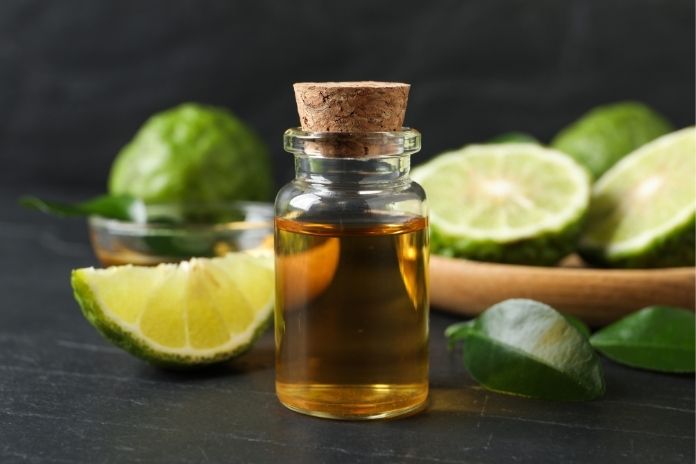
Form: Essential oil (aromatherapy)
Bergamot essential oil is commonly used in aromatherapy for stress and anxiety. Some research supports this use, particularly in acute situations.
A 2013 randomized trial found that inhaling bergamot essential oil for about 30 minutes significantly reduced anxiety in people awaiting surgery compared to a control group. This suggests a measurable calming effect in high-stress environments.
At the same time, broader reviews of multiple studies show mixed results. Some analyses conclude that bergamot aromatherapy does not consistently perform better than a placebo when used for general anxiety or stress.
The most reasonable interpretation is that bergamot may help with short-term or situational anxiety, but its effects are less reliable for ongoing anxiety management.
6. It May Support Mood in Certain Populations
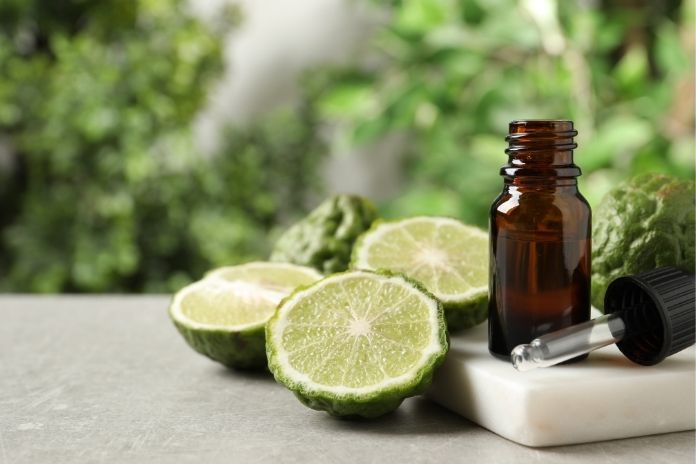
Form: Essential oil (aromatherapy)
Bergamot has also been studied for its effects on mood. Some trials show improvements in emotional well-being, particularly in specific groups such as older adults, people undergoing medical treatment, and individuals at higher risk of mood disturbances.
In smaller studies, inhaling bergamot aroma has been associated with improved mood, reduced fatigue, and lower cortisol levels. These effects may be linked to compounds like linalool, which can influence neurotransmitters such as serotonin and dopamine.
The limitation is that results are not consistent across all populations. Many of the strongest findings come from controlled settings or groups with higher baseline stress.
Bergamot can contribute to a calming environment and may support mood, but it should not be considered a treatment for depression.
7. It Has Anti-Inflammatory Effects
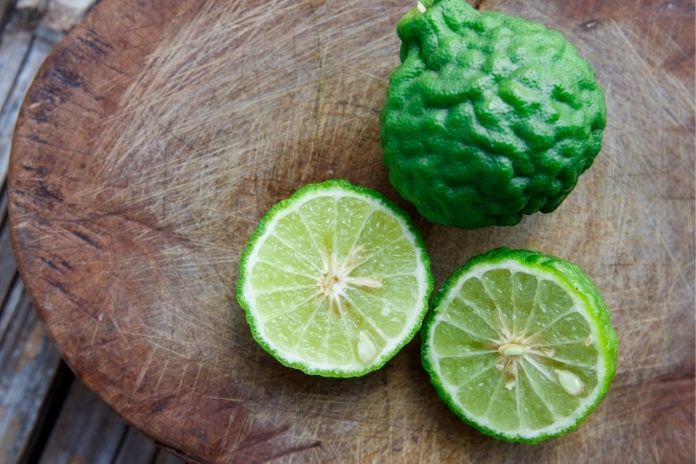
Form: Oral extract and juice
Chronic inflammation is a common underlying factor in many diseases. Bergamot appears to influence key inflammatory pathways.
In laboratory and animal studies, bergamot polyphenols suppress NF-κB, a major regulator of inflammation, and reduce pro-inflammatory cytokines such as TNF-α and IL-6. These effects suggest a broad anti-inflammatory potential.
Some indirect evidence in humans comes from improvements in cardiovascular markers seen in clinical trials. There are also smaller studies suggesting benefits in specific situations, such as joint discomfort related to certain medications.
However, most direct anti-inflammatory evidence remains preclinical. While the mechanisms are well understood, more human trials focused specifically on inflammation are needed.
8. It May Support Skin Health, With Important Safety Considerations

Form: Essential oil (topical)
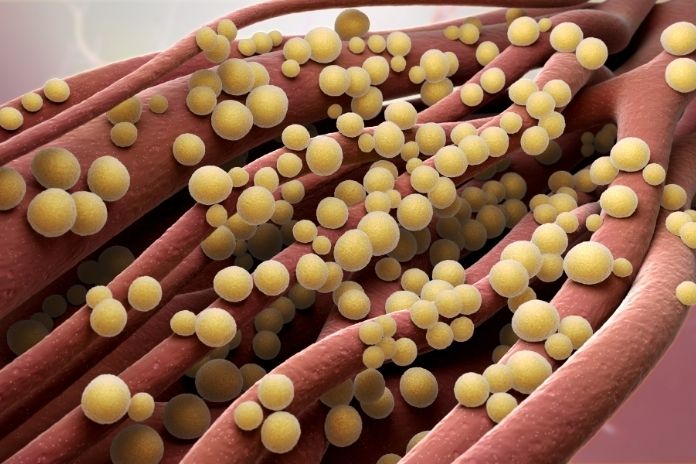
Bergamot essential oil has antibacterial and anti-inflammatory properties that may be useful for certain skin concerns, including acne. It has shown activity against bacteria like Staphylococcus aureus, and early research suggests potential benefits for inflammatory skin conditions.
There is also some evidence from animal studies that it may support collagen production and skin repair.
The key issue here is safety. Bergamot oil naturally contains bergapten, a compound that increases sensitivity to sunlight. Applying it to the skin and then exposing that area to UV light can lead to burns, blistering, and long-term discoloration.
Note: To use it safely, it should always be diluted in a carrier oil and ideally applied at night. Another option is to use bergapten-free or FCF versions, which remove the compound responsible for photosensitivity.
This risk applies only to the essential oil. Oral supplements do not carry the same concern.
Conclusion
Bergamot is one of the more well-researched plant-based supplements, particularly for cholesterol management. Its lipid-lowering effects are supported by multiple human trials, making it stand out in a crowded field.
Other benefits, including antioxidant activity, cardiovascular support, and metabolic effects, are promising but not always equally well established. The essential oil has a role in mood and stress support, though the evidence for that is more variable.
As with any supplement, the details matter. The form, dose, and individual health context all influence whether bergamot is likely to be helpful.
FAQs
Q. How much bergamot should you take for cholesterol?
A. Most studies use between 300 and 1000 mg per day of a standardized bergamot extract, although some benefits have been observed at lower doses, such as 150 mg.
Q. Can bergamot replace statins?
A. No. While it affects similar pathways, it is not a replacement for prescribed medication, especially in higher-risk individuals. It may be used alongside treatment under medical supervision.
Q. Does Earl Grey tea provide the same benefits?
A. No. The amount of bergamot in tea is much lower than the doses used in clinical studies, so the effects are not comparable.
Q. Is bergamot safe to take every day?
A. Short-term studies suggest it is generally well-tolerated. However, it may interact with medications for cholesterol or blood sugar, so it is important to check with a healthcare provider before taking it.
In this Article