


















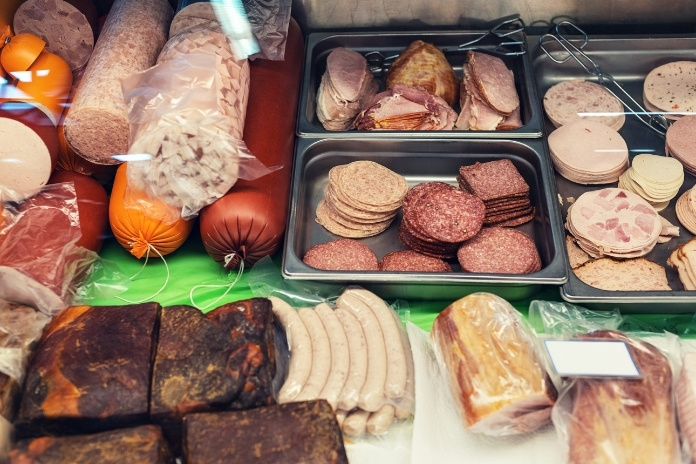
Plant-based eating is often positioned as a direct win for heart health, with meat substitutes marketed as smarter swaps. That logic starts to break down when processing enters the picture. Many vegan “fake meats” are industrial formulations—built from protein isolates, refined oils, sodium, and additives—rather than whole plant foods.
Research now shows that ultra-processed plant foods carry a different cardiovascular profile than minimally processed ones, meaning “plant-based” alone isn’t a guarantee of benefit.
This article examines what counts as processed vegan meat, the ingredients driving concern, and how these products compare to whole plant proteins when heart health is the goal.
- Processed vegan fake meats are classified as ultra-processed foods under the NOVA system, which may independently contribute to cardiovascular risk.
- Common inflammatory ingredients in fake meats include coconut and palm oils with saturated fat levels that raise LDL cholesterol, sodium content, and emulsifiers that may disrupt the gut microbiome.
- Whole plant proteins provide equivalent or superior protein with natural fiber, no problematic additives, and a consistently favorable cardiovascular risk profile.
Read More: Easy Guide To Start Vegan Diet For A Week- Make It Simpler
What Counts as Processed Vegan “Fake Meat”?

Processed vegan fake meats are commercially manufactured products designed to replicate the taste, texture, and appearance of animal meat using plant-derived ingredients. Common examples include plant-based burgers, vegan sausages, chicken nuggets made from soy or pea protein, deli-style slices, and ground meat substitutes from major brands including Beyond Meat, Impossible Foods, MorningStar Farms, and Lightlife.
These products are manufactured through an industrial process involving protein extraction from soybeans, peas, wheat, or mycoprotein, followed by heat, pressure, and mechanical processing to achieve a meat-like texture. Binding agents, colorants, flavor compounds, refined oils, and sodium-based preservatives are then added.
Under the NOVA food classification system developed by researchers at the University of São Paulo, foods are categorized by degree of industrial processing rather than ingredient source. Minimally processed plant foods include whole lentils, dried chickpeas, plain tofu, raw nuts, and fresh vegetables.
Ultra-processed foods contain ingredients rarely used in home cooking, including protein isolates, methylcellulose, modified starches, artificial colorants, and flavoring agents. Plant-based meat alternatives fall squarely into the ultra-processed category. This matters because extensive evidence now links ultra-processed food consumption generally, not just red meat, to elevated cardiovascular disease risk.
Why Ultra-Processed Plant Foods Raise Heart Health Questions
The cardiovascular risk profile of a food is not determined solely by whether its ingredients come from plants or animals. A landmark 2024 study published in The Lancet Regional Health Europe analyzed data from 126,842 UK Biobank participants followed for a median of nine years.
It found that higher consumption of ultra-processed plant-sourced foods was independently associated with increased cardiovascular disease risk, while non-ultra-processed plant foods reduced that risk. Being plant-based did not make ultra-processing cardiovascularly neutral.
Natural fiber is one of the most consistently protective nutrients for cardiovascular health: it reduces LDL cholesterol, stabilizes blood glucose, and feeds the short-chain fatty acid-producing bacteria that support vascular health.
Ultra-processing typically strips fiber from plant ingredients. A whole lentil contains approximately 8 grams of fiber per half-cup serving. A plant-based burger using pea protein concentrate may retain only a fraction of that, depending on the extraction method used. What goes into these products during manufacturing often offsets what the plant ingredient originally provided.
Refined oils replace naturally occurring plant fats. Sodium is added at levels approaching daily recommended limits in a single serving. Chemical emulsifiers and stabilizers extend shelf life and improve texture but introduce compounds with uncertain long-term effects on gut and vascular health.
Hidden Inflammatory Ingredients in Many Vegan Fake Meats
Refined Oils and Saturated Fat Sources
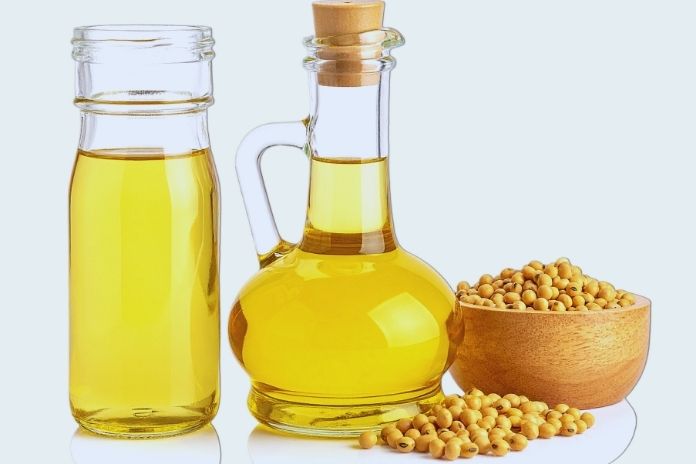
Many plant-based meat alternatives rely on coconut oil or palm oil to mimic the richness of animal fat. Coconut oil is approximately 90% saturated fat, a higher concentration than butter. Saturated fat raises LDL cholesterol through well-established mechanisms, increasing cardiovascular disease risk regardless of whether the fat originated from a plant or an animal.
Palm oil is similarly high in saturated fat and carries additional concerns related to oxidized lipids formed during high-heat manufacturing.
Dr. Christopher D. Gardner, PhD, noted in a ZOE Science and Nutrition podcast discussion that coconut fat in these products “is saturated, so it will raise your LDL cholesterol,” alongside high sodium content that can raise blood pressure and the ultra-processing itself that contributes to weight gain. His framing captures exactly why the nutritional concern extends well beyond a product’s vegan status.
High Sodium Levels
Many plant-based burgers and sausages contain between 400 and 600 mg of sodium per serving, with some products reaching 700 to 900 mg. The American Heart Association recommends no more than 2,300 mg of sodium per day, with an ideal limit of 1,500 mg for most adults.
A single patty and a sausage link at one meal can account for 50 to 80% of that ideal daily limit before any other food is consumed. High sodium intake raises blood pressure through fluid retention and arterial stiffness, two of the most direct drivers of cardiovascular disease risk.
Additives and Emulsifiers
Methylcellulose is among the most commonly used binding agents in plant-based meat alternatives. Alongside it, these products frequently contain carrageenan, modified food starch, maltodextrin, and various gums that function as emulsifiers and stabilizers.
Research has raised concerns that certain emulsifiers may alter gut microbiome composition, particularly by disrupting the protective mucous layer of the intestinal lining, which in turn affects systemic inflammatory signaling.
Dr. Dariush Mozaffarian, MD, cardiologist and professor at Tufts Friedman School of Nutrition Science and Policy, has noted that additives in ultra-processed foods “are considered safe, but their long-term effects are not known,” and that heavy processing may strip fiber and alter gut bacteria in ways that compound cardiovascular risk.
He described emulsifiers and stabilizers as industrial ingredients whose chronic health implications have not been fully established in long-term human trials.
Advanced Glycation End Products (AGEs)
Advanced glycation end products form when proteins or fats react with sugars under high heat. Ultra-processed foods, which often undergo high-temperature industrial manufacturing including extrusion, frying, or pressure cooking, tend to contain elevated AGE levels.
Dietary AGEs contribute to oxidative stress and systemic inflammation, two mechanisms directly linked to endothelial dysfunction and atherosclerosis. This is a less publicized but meaningful concern for people consuming plant-based meat alternatives frequently.
Read More: 10 Foods High in Saturated Fats You Need to Stay Wary of
The Heart Health Paradox of Plant-Based Fake Meats
Processed vegan fake meats are not uniformly worse than what they replace. A 2025 systematic review and meta-analysis published in the American Journal of Clinical Nutrition found that substituting plant-based meat alternatives for animal meat for up to eight weeks significantly lowered LDL cholesterol by 12%, total cholesterol by 6%, and body weight by approximately 1% in adults without cardiovascular disease.
These are clinically meaningful improvements when the direct comparison is against red meat consumption. The more important comparison is not against red meat but against whole plant proteins. A serving of cooked lentils provides roughly 18 grams of protein alongside 8 grams of fiber, negligible sodium, and naturally occurring polyphenols with anti-inflammatory properties.
A plant-based sausage link may deliver a similar protein count but adds several hundred milligrams of sodium, saturated fat from refined coconut or palm oil, and a lengthy additive list that a lentil never carries.
The SWAP-MEAT randomized crossover trial, conducted by Dr. Gardner and colleagues at Stanford, studied adults consuming two or more servings of plant-based meat alternatives daily for eight weeks.
The trial showed some favorable effects on TMAO and LDL cholesterol compared to animal meat, but the study design itself, requiring two-plus daily servings, approximates exactly what happens when these products shift from occasional convenience food to dietary staple, and the context of comparison was always animal meat, not whole legumes.
Signs Your Diet May Rely Too Much on Fake Meat
Consuming plant-based meat substitutes daily across multiple meals is the clearest signal that these products have moved beyond their intended role as an occasional convenience food. Limited intake of whole legumes, beans, and unprocessed plant proteins suggests most dietary protein is coming from ultra-processed sources.
High sodium intake across meals, particularly when multiple packaged vegan foods appear throughout the day, can push daily sodium well above recommended limits even on a fully plant-based diet.
Frequent consumption of products with ingredient lists exceeding 15 components is another practical indicator that processing level has become a genuine nutritional concern.
How Often Is Reasonable? Moderation Guidance
A reasonable frequency is approximately two to four servings per week, using them when whole food options are genuinely unavailable or inconvenient, rather than as the default protein source. This maintains their transitional value without accumulating the risks that accompany frequent ultra-processed food consumption.
Heart-Healthier Whole Plant Protein Alternatives
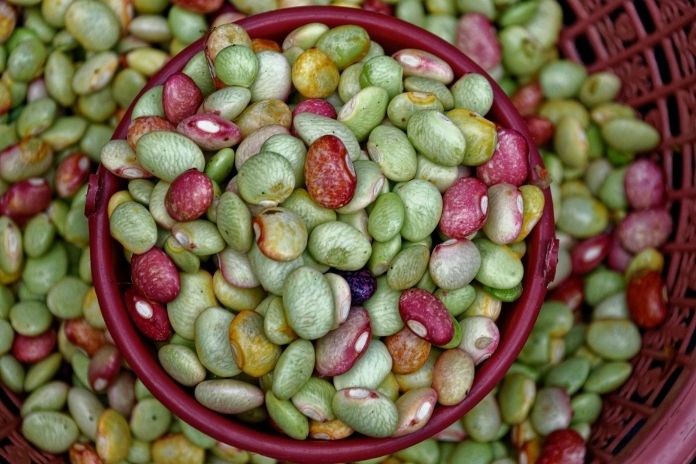
Lentils and legumes are the most nutritionally complete plant protein alternatives available. Red and green lentils, black beans, kidney beans, and chickpeas provide 15 to 20 grams of protein per cooked cup alongside fiber, folate, potassium, and magnesium, all of which actively support cardiovascular health through distinct mechanisms.
Chickpeas are rich in resistant starch that feeds beneficial gut bacteria, supporting gut integrity and reducing systemic inflammation simultaneously. Tofu and tempeh offer comparable protein to many fake meat products with dramatically simpler ingredient profiles. Tofu contains two to four ingredients: soybeans, water, and a coagulant.
Tempeh is a fermented whole soybean product whose fermentation process increases bioavailable nutrients and introduces beneficial microorganisms that support rather than disrupt the gut microbiome.
Nuts and seeds, including walnuts, hemp seeds, and chia seeds, round out plant-based protein intake while delivering unsaturated fatty acids and polyphenols with established cardiovascular benefits.
How to Read Labels on Vegan Meat Products
Checking sodium content first is the most practical starting point: Below 400 mg per serving is reasonable; above 600 mg warrants caution for anyone with blood pressure concerns. Identifying coconut oil and palm oil among the first five ingredients signals meaningful saturated fat content.
A product with more than 15 ingredients almost certainly carries the ultra-processed profile that warrants limiting its frequency. Comparing protein content to total processing burden is the final practical step: high protein numbers alongside high sodium and saturated fat represent a mixed nutritional proposition that whole plant foods resolve without compromise.
Who Should Be Especially Cautious
People with high blood pressure need to pay particular attention to sodium in plant-based meat alternatives, as these products can materially worsen hypertensive control. Individuals with elevated LDL cholesterol should scrutinize saturated fat content from coconut and palm oils.
People following plant-based diets specifically for cardiovascular health may be undercutting their primary goal if these products form a large portion of their daily protein intake.
A 2021 study published in the Journal of the American College of Cardiology, following participants in the Framingham Offspring Study, found that higher ultra-processed food intake was associated with incident cardiovascular disease after adjusting for diet quality and multiple confounders.
The association did not disappear when researchers controlled for individual nutrients, suggesting that processing itself carries an independent risk beyond the sum of ingredients.
Read More: 5 Common Mistakes People Make When Starting a Vegan Diet
Conclusion
Plant-based does not automatically mean heart-healthy when the product in question is ultra-processed. Processed vegan meat heart health concerns are grounded in a growing body of peer-reviewed evidence that distinguishes between the cardiovascular benefits of a whole-food plant-based diet and those of a diet heavy in commercially produced meat alternatives.
The former is associated with consistently better cardiovascular outcomes. The latter sits in a more complicated position: better than processed red meat in direct comparisons, but meaningfully inferior to whole plant proteins in nutritional quality and processing level. Read the labels. Prioritize lentils, beans, tofu, and tempeh as daily protein sources.
Reserve fake meats for occasional convenience rather than a daily staple. Keep sodium in check across all packaged food categories. And recognize that a plant-based diet earns its cardiovascular benefits primarily from what it naturally contains, not from what it replaces animal ingredients with.
Frequently Asked Questions
1. Are plant-based meats bad for your heart?
Frequent intake of plant-based meat alternatives may raise cardiovascular concerns, especially as many are ultra-processed and high in sodium, saturated fats, and additives. A 2024 UK Biobank analysis linked higher consumption of ultra-processed plant foods to increased cardiovascular disease risk.
While they may improve LDL cholesterol compared to red meat, they remain nutritionally inferior to whole plant foods.
2. How much sodium is in fake meat products?
Sodium levels vary considerably by product, but many plant-based burgers and sausages contain 400 to 900 mg of sodium per serving. The American Heart Association’s ideal daily sodium limit is 1,500 mg for most adults.
A single serving of a high-sodium plant-based product can account for 40 to 60% of that limit, making total daily sodium intake a significant concern for people consuming these products regularly alongside other packaged foods.
3. What makes fake meats ultra-processed?
Plant-based meat alternatives are classified as ultra-processed under NOVA because they are industrial formulations made with ingredients not typically used in home cooking. These include protein isolates, emulsifiers, gums, modified starches, and artificial additives.
The manufacturing process, such as protein extraction and high-temperature extrusion, further qualifies them as ultra-processed, regardless of their plant-based origin.
4. Is coconut oil in plant-based meat bad for your heart?
Coconut oil used in plant-based meat alternatives is about 90% saturated fat, which can raise LDL cholesterol and increase cardiovascular risk. Its plant origin doesn’t make it less harmful. Those with elevated LDL or heart risk should check labels for coconut and palm oil.
5. What are the healthiest plant-based protein alternatives to fake meat?
Lentils, chickpeas, beans, tofu, and tempeh are healthier plant-based protein options than processed alternatives, offering fiber, low sodium, and no additives. Tempeh also provides gut-friendly benefits from fermentation. Nuts and seeds like walnuts, hemp, and chia add healthy fats and anti-inflammatory compounds.
6. Can you eat plant-based meat every day if you are vegan?
Daily consumption of ultra-processed plant-based meat alternatives isn’t ideal for heart health due to their cumulative sodium, saturated fat, and additive content. Most experts recommend treating them as occasional convenience foods, limiting intake to about 2–4 servings per week. Protein intake should primarily come from minimally processed plant sources instead.
References
- Crimarco, A., Springfield, S., Petlura, C., Streaty, T., Cunanan, K., Lee, J., Fielding-Singh, P., Carter, M. M., Topf, M. A., Wastyk, H. C., Sonnenburg, E. D., Sonnenburg, J. L., & Gardner, C. D. (2020). A randomized crossover trial on the effect of plant-based compared with animal-based meat on trimethylamine-N-oxide and cardiovascular disease risk factors in generally healthy adults: SWAP-MEAT. American Journal of Clinical Nutrition, 112(5), 1188–1199.
- Fernández-Rodríguez, R., Bizzozero-Peroni, B., Díaz-Goñi, V., Garrido-Miguel, M., Bertotti, G., Roldán-Ruiz, A., & López-Moreno, M. (2025). Plant-based meat alternatives and cardiometabolic health: a systematic review and meta-analysis. American Journal of Clinical Nutrition, 121(2), 274–283.
- Gardner, C. D. (2024). Is plant-based meat healthy? ZOE Science and Nutrition Podcast.
- Juul, F., Vaidean, G., Lin, Y., Deierlein, A. L., & Parekh, N. (2021). Ultra-processed foods and incident cardiovascular disease in the Framingham Offspring Study. Journal of the American College of Cardiology, 77(12), 1520–1531.
- Mozaffarian, D. (2020). Processed vs. ultra-processed food, and why it matters to your health. American Heart Association News.
- Rauber, F., Louzada, M. L. C., Chang, K., Gunter, M. J., & Millett, C. (2024). Implications of food ultra-processing on cardiovascular risk considering plant origin foods: an analysis of the UK Biobank cohort. The Lancet Regional Health Europe, 43, 100948.
- Center for Consumer Freedom. (2021, July 17). 5 chemicals lurking in plant-based meats.
- Harvard T.H. Chan School of Public Health. (2025, February 20). The bottom line on fake meat and health.
- Plant-based meat: A new innovative trend. ResearchGate
- The Guardian. (2019, January 27). The trouble with fake meat: Beetroot burgers and food substitutes.
- Amy Myers. (n.d.). Fake meat is a problem.
- Understanding Ag. (n.d.). The unintended consequences of fake meat.
- YorkTest. (n.d.). Vegan diet, food intolerance, and allergy.
In this Article