















Can supposedly unhealthy drinks fit into a healthy diet? Yes. Diet quality comes down to your overall eating pattern, not any single drink you have now and then. Most drinks labeled “universally unhealthy” only cause real harm at high or habitual intake.
In moderation, many drinks that are widely considered unhealthy can fit into a balanced diet, as long as you understand what moderation actually means for each one.
Nutrition advice has a habit of sorting everything into two piles: good foods and bad foods, healthy drinks and unhealthy drinks. Reality is usually less dramatic than that. A drink with sugar, calories, caffeine, or even alcohol in it doesn’t automatically ruin an otherwise healthy diet. But a drink marketed as “healthy” can become a real problem if you’re drinking too much of it.
One more thing worth saying up front: this article is written for healthy adults. Kids and teens have different needs, and most pediatric health groups recommend they stick to plain water, plain pasteurized milk, and only limited amounts of 100% fruit or vegetable juice. If you’re making decisions for a child, the moderation guidance below doesn’t apply the same way.
Most people never follow a perfect diet, and that’s normal. Around 69% of consumers believe occasional indulgence is just part of a healthy lifestyle, and the evidence largely backs them up. Health is usually shaped by patterns repeated over years, not by one coffee, one glass of juice, or one mug of hot chocolate.
The seven drinks below have all been criticized heavily at one point or another. Some of that criticism is fair. Some is exaggerated. The real question isn’t whether these drinks are good or bad. It’s where the line actually sits between reasonable intake and drinks that are actually fine in moderation versus genuinely problematic intake.
- Most drinks labeled “unhealthy” become problematic mainly at high or habitual intake.
- Whole milk is no longer viewed as universally harmful for healthy adults.
- Health is usually shaped by overall dietary patterns, not one drink consumed occasionally.
Fuel Your Focus
At-a-Glance: Moderate Intake by Drink
| Drink | Moderate Intake | Main Caveat |
|---|---|---|
| ☕ Coffee with milk and sugar | 3-5 cups daily, 1-2 tsp sugar | Watch for added sugar in flavored versions |
| 🍊 Orange juice | About 150ml (5 oz) daily | Don’t let it replace whole fruit |
| 🥛 Whole milk | 1-2 glasses daily | Caution if LDL or CVD risk is high |
| 🥤 Diet soda | 1 can or fewer daily | Don’t replace water with it; not for kids |
| ⚡ Sports drinks | Only after 60+ min of intense activity | Skip after light activity |
| 🍷 Red wine | 1 small glass (150ml), occasionally | No safe level for cancer risk; don’t start drinking for health benefits |
| 🍫 Dark hot chocolate | Made with high cocoa content, minimal sugar | Skip commercial sugary mixes |
1. Coffee With Milk and Sugar

Coffee has become one of the strangest debates in nutrition. For years, health advice pushed black coffee as the only acceptable version, and adding milk or sugar got treated like an unhealthy habit. The criticism mainly targets the added calories and sugar, not the coffee itself.
The evidence around coffee health benefits is actually strong. Large population studies have repeatedly found that moderate coffee consumption is associated with lower all-cause mortality, lower risk of several chronic diseases, and potentially better cardiovascular outcomes. One large Harvard cohort following more than 208,000 men and women over three decades found a lower risk of death among people drinking three to five cups of coffee daily.
What often gets lost is that most people aren’t drinking pure laboratory coffee. They’re drinking it the way people have for generations: with milk, sometimes sugar, sometimes both. Those health benefits don’t suddenly disappear because someone adds a teaspoon of sugar.
The real issue starts when coffee becomes dessert in disguise. A simple coffee with milk and one teaspoon of sugar is very different from a large flavored drink loaded with syrups, whipped cream, and 20 to 30 grams of added sugar, close to the American Heart Association’s entire daily added-sugar limit of 25 grams for women and 36 grams for men.
Caffeine deserves the same context: it’s coffee’s caffeine load that’s rarely the issue, it’s heavier sources like energy drinks. “The more serious risks of caffeine are mostly related to heavy consumption from use in energy drinks and in supplement form,” said Dr. Stephen Devries, a preventive cardiologist. “Anxiety and unsafe behaviors, especially in adolescents, are associated with energy drink use.”
One or two teaspoons of sugar in a daily coffee barely registers within an otherwise balanced diet. Several oversized sugary coffee drinks every day is where concerns become justified. The coffee itself is rarely the problem. The extras sometimes are.
2. Orange Juice

Many people now treat orange juice like soda because it has natural sugars and lacks the fiber found in whole fruit. Some social media discussions make it sound like a single glass causes an instant blood sugar disaster.
But a small glass of 100% orange juice still contains vitamin C, folate, potassium, and various plant compounds. It’s a convenient source of nutrients, especially for people who struggle to meet their fruit intake recommendations.
Research has generally found that moderate consumption of pure fruit juice isn’t strongly linked with weight gain or type 2 diabetes risk. Problems show up when intake becomes excessive. One glass with breakfast and three large glasses throughout the day are very different exposures.
The fiber issue is real, and whole fruit should still come first when you can choose it. But nutrition isn’t a competition where every food has to be the single best option available.
For healthy adults, a 150ml serving (about five ounces) of 100% orange juice can comfortably fit into a balanced diet. The concern starts when juice replaces whole fruit or becomes a major source of daily calories. Portion size matters far more than whether the drink exists at all.
3. Whole Milk
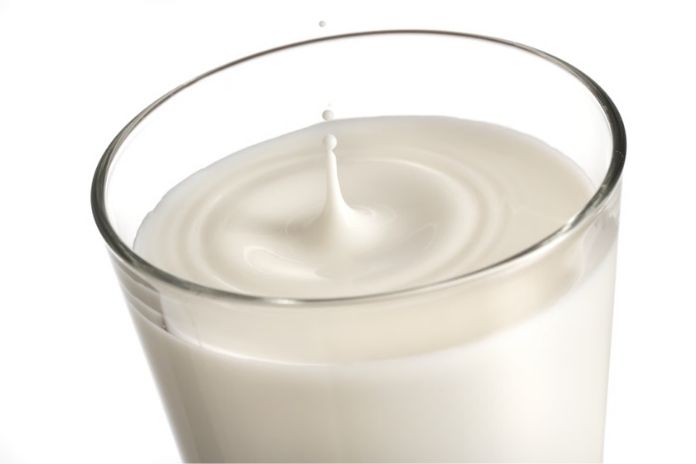
Whole milk spent decades on the nutrition blacklist, mainly because of its saturated fat content. For a long time, dietary advice assumed all saturated fat sources behaved the same way in the body, so whole milk got grouped with less healthy sources of saturated fat.
Over the last decade, researchers have looked more closely at dairy specifically, and the picture has gotten more complicated.
Many studies now suggest the dairy food matrix matters. In other words, the nutrients inside dairy interact in ways that may produce different effects compared with isolated saturated fat sources.
Several large reviews have found neutral or sometimes mildly protective associations between dairy consumption and cardiovascular outcomes. That doesn’t mean saturated fat suddenly stops mattering.
For people with very high LDL cholesterol, established cardiovascular disease, or certain other medical conditions, whole milk intake may still deserve a closer look. If that describes you, it’s worth bringing up with your doctor before making whole milk a daily habit, since individual risk factors can change the calculation.
For healthy adults, though, drinking one or two glasses of whole milk daily as part of a generally balanced diet doesn’t appear nearly as concerning as many people were once led to believe.
Context matters here too. Whole milk inside a diet already overloaded with saturated fat is different from whole milk consumed within an otherwise sensible eating pattern.
4. Diet Soda

Diet soda probably gets criticized from both directions. People avoiding sugar don’t like it because of the artificial sweeteners. People trying to cut calories mostly use it as a substitute for regular soda. As a result, it remains one of the most debated beverages around.
Part of the concern comes from studies linking high intake of artificially sweetened beverages to various health outcomes. A 2024 study received considerable attention after reporting that people consuming more than two liters of artificially sweetened drinks weekly had a 20% higher risk of atrial fibrillation compared with non-consumers.
The detail many headlines left out was the amount. More than two liters weekly works out to roughly four to five standard 12-ounce cans daily. That’s not moderate consumption. “Switching from regular to diet soda may offer a short-term cut in calories, but your body won’t be fooled for long,” says registered dietitian Susan Campbell, RD, LD.
It’s also worth noting that the study was observational. It found an association, not proof that diet soda caused the outcome. None of this makes diet soda a health drink, it isn’t. But the evidence also doesn’t support treating an occasional can as a major health threat.
The bigger concern is when diet soda replaces water as someone’s primary source of hydration. Drinking five or six cans daily creates a very different exposure than having one can with lunch.
For healthy adults, one can a day or less is generally a reasonable moderation point, with water doing most of the work as your main beverage. This guidance is for adults. Diet soda isn’t appropriate for children, since pediatric nutrition groups recommend kids get their hydration from water and milk rather than artificially sweetened drinks.
5. Sports Drinks

Sports drinks have one major image problem: most people drinking them aren’t actually playing sports. A standard bottle can contain 30 to 40 grams of sugar, which is why many health experts lump them in with other sugary beverages.
For everyday hydration, that criticism is fair. But sports drinks were never designed for everyday hydration. They were designed for athletes losing large amounts of fluid, sodium, and carbohydrate during prolonged exercise. In that setting, they serve a legitimate purpose.
During endurance events, long training sessions, intense exercise in hot conditions, or any activity lasting more than an hour, sports drinks can help replace both fluids and electrolytes while providing energy. Outside of that window, the sugar in a sports drink behaves the same way it would in any other sweetened beverage, since your body doesn’t need the extra carbohydrate or sodium if you haven’t lost much of either.
The problem shows up when someone finishes a short, casual walk and immediately reaches for a large sports drink. The body hasn’t lost enough fluid or electrolytes to justify it.
A sports drink after a 90-minute cycling session in summer serves a real function. The same bottle after sitting at a desk all morning does not.
Read More: Balanced Diet Plan For Good Health
6. Red Wine

No drink on this list needs more careful discussion than red wine. Alcohol is classified as a Group 1 carcinogen by the World Health Organization, in the same risk category as tobacco and asbestos. The WHO position is clear: there’s no completely risk-free level of alcohol consumption when it comes to cancer risk.
At the same time, some studies have reported favorable cardiovascular associations among moderate drinkers compared with non-drinkers or heavy drinkers, an effect sometimes called the alcohol cardiovascular paradox. Red wine gets particular attention because it contains polyphenols and compounds like resveratrol, though the amount in a typical glass is modest.
The challenge is that alcohol itself carries risks that can offset any potential benefit. That’s why no major medical organization recommends starting to drink alcohol for health reasons.
For people who already drink occasionally, an occasional small glass of red wine within a healthy lifestyle isn’t automatically incompatible with a balanced diet.
But this item comes with the biggest caveat on the entire list. Unlike coffee or milk, alcohol carries known risks starting with the very first drink. If you do drink, keeping intake occasional and moderate matters a great deal.
People who don’t currently drink shouldn’t start because of perceived health benefits, since the cancer risk applies from the first drink, and the cardiovascular upside, where it exists, is modest at best.
Read More: Is Shredded Wheat Healthy? Pros, Cons, and How It Fits Into a Balanced Diet
7. Dark Hot Chocolate
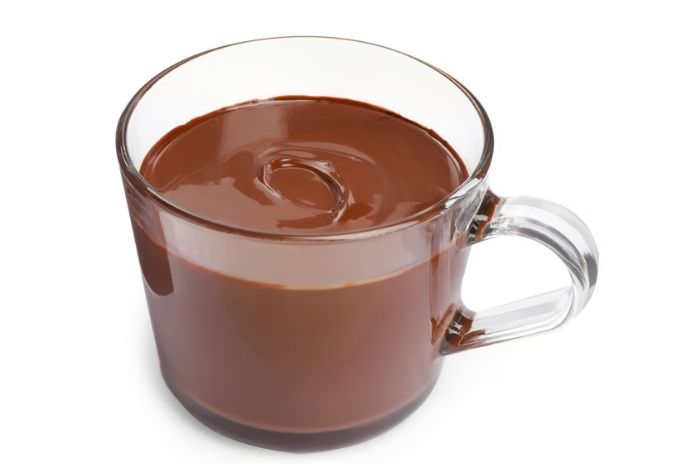
Hot chocolate often gets dismissed as pure indulgence, and in fairness, many commercial hot chocolate mixes deserve that reputation. They’re loaded with sugar and contain very little actual cocoa.
But not all hot chocolate is the same product. Dark cocoa powder contains flavanols such as catechin and epicatechin. These compounds have been studied for their cardiovascular and anti-inflammatory effects.
The cocoa itself is where the interesting nutrition lives. A homemade hot chocolate made with high-cocoa, unsweetened powder, milk, and just a small amount of sugar looks very different nutritionally from a commercial powder mix.
Many people never realize this distinction. The benefit depends heavily on cocoa content, generally, the higher the cocoa percentage, the more beneficial plant compounds remain.
Frequency isn’t necessarily the issue here, ingredient quality matters more. A mug made with high-cocoa powder can provide a meaningful dose of polyphenols alongside protein and calcium from milk. It’s still enjoyable, still comforting, just not nutritionally empty.
Sometimes a drink earns a bad reputation simply because people only ever encounter its lowest-quality version.
Read More: DASH Diet Explained: A Practical Eating Plan to Lower Blood Pressure
Conclusion
Healthy eating was never supposed to be a list of forbidden foods and drinks. Balance, moderation, and overall dietary patterns matter far more than any individual beverage consumed occasionally, and that holds just as true for drinks with health benefits despite their reputation as it does for anything else on a plate.
The drinks on this list all have real limitations, and none should be consumed without a little thought. Most only become problematic when quantity, frequency, or context stops making sense.
As a general rule of thumb, if you’re ever unsure whether your intake of any of these drinks fits into a healthy pattern, especially if you have an existing health condition, a conversation with your doctor or a registered dietitian is a quick way to get a personalized answer rather than guessing. Often, it’s not the drink itself causing trouble. It’s the habit built around it.
So no, unhealthy drinks that can fit into a balanced diet isn’t a contradiction. It’s just a more accurate way of looking at how food and drink actually work.
- Many health outcomes are better predicted by overall eating habits than by whether someone drinks orange juice or whole milk occasionally.
- Dose often matters more than category. A beverage consumed once daily can produce very different health effects than the same beverage consumed five times daily.
- Context changes whether a drink is useful or unnecessary. Sports drinks are a good example. Their value depends heavily on activity level and environment rather than the ingredients alone.
- Food matrix research is changing how some drinks are evaluated. Whole milk and dairy are examples where nutrient interactions appear more important than simply counting saturated fat grams.
- Many beverage studies are observational. Researchers still need more long-term randomized trials comparing real-world consumption patterns.
FAQs
1. Should I completely avoid diet soda?
No, most healthy adults don’t need to avoid diet soda completely. Moderate intake appears acceptable based on current evidence. Treat it as an occasional alternative, while water stays your main beverage for daily hydration.
2. Which drink on this list has the strongest evidence for health benefits?
Coffee has the strongest evidence for health benefits among common beverages. Large studies link moderate coffee intake to lower mortality and better metabolic outcomes. That said, the benefits shrink when coffee comes loaded with added sugar, syrups, or cream.
3. Is orange juice as unhealthy as soda?
No, orange juice isn’t as unhealthy as soda. Both contain sugar, but 100% orange juice also provides vitamin C, potassium, and plant compounds that soda doesn’t. Portion size still matters, since drinking too much can still add up to a lot of sugar.
References
- Carnevale, R., Loffredo, L., Nocella, C., Bartimoccia, S., Bucci, T., De Falco, E., Peruzzi, M., Chimenti, I., Biondi-Zoccai, G., Pignatelli, P., Violi, F., & Frati, G. (2014). Epicatechin and Catechin Modulate Endothelial Activation Induced by Platelets of Patients with Peripheral Artery Disease. Oxidative Medicine and Cellular Longevity, 2014.
- Gholami, F., Khoramdad, M., Esmailnasab, N., Moradi, G., Nouri, B., Safiri, S., & Alimohamadi, Y. (2017). The effect of dairy consumption on the prevention of cardiovascular diseases: A meta-analysis of prospective studies. Journal of Cardiovascular and Thoracic Research, 9(1), 1-11.
- Harvard Health. (2016, January 13). Harvard study: Moderate coffee drinking associated with longevity.
- Mendoza, M. F., Sulague, R. M., Posas-Mendoza, T., & Lavie, C. J. (2023). Impact of Coffee Consumption on Cardiovascular Health. Ochsner Journal, 23(2), 152-158.
- Mulet-Cabero, A.-I., Torres-Gonzalez, M., Geurts, J., Rosales, A., Farhang, B., Marmonier, C., Ulleberg, E. K., Hocking, E., Neiderer, I., Gandolfi, I., Anderson, L., Brader, L., Vermaak, M., Cameron, M., Myrup Christensen, M., Haryono, R., & Peters, S. (2024). The Dairy Matrix: Its Importance, Definition, and Current Application in the Context of Nutrition and Health. Nutrients, 16(17), 2908.
- Piano, M. R. (2017). Alcohol’s Effects on the Cardiovascular System. Alcohol Research: Current Reviews, 38(2), 219.
- Scheffers, F. R., Wijga, A. H., Verschuren, W. M. M., van der Schouw, Y. T., Sluijs, I., Smit, H. A., & Boer, J. M. A. (2020). Pure Fruit Juice and Fruit Consumption Are Not Associated with Incidence of Type 2 Diabetes after Adjustment for Overall Dietary Quality in the European Prospective Investigation into Cancer and Nutrition-Netherlands (EPIC-NL) Study. The Journal of Nutrition, 150(6), 1470-1477.
- Sun, Y., Yu, B., Yu, Y., Wang, B., Tan, X., Lu, Y., Wang, Y., Zhang, K., & Wang, N. (2024). Sweetened Beverages, Genetic Susceptibility, and Incident Atrial Fibrillation: A Prospective Cohort Study. Circulation: Arrhythmia and Electrophysiology.
- World Health Organization. (2023, January 4). No level of alcohol consumption is safe for our health.
In this Article