













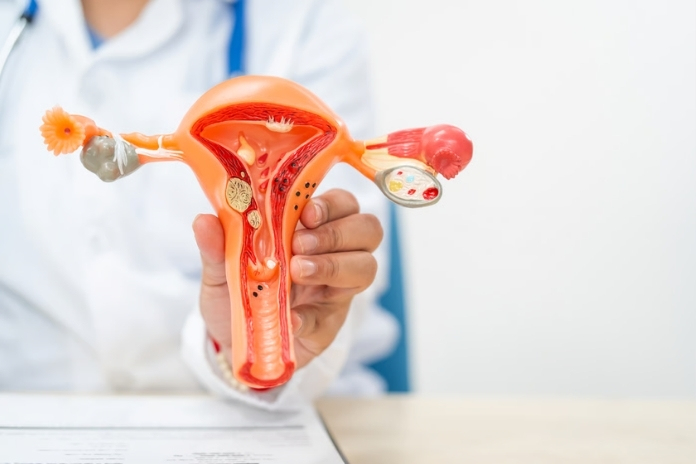
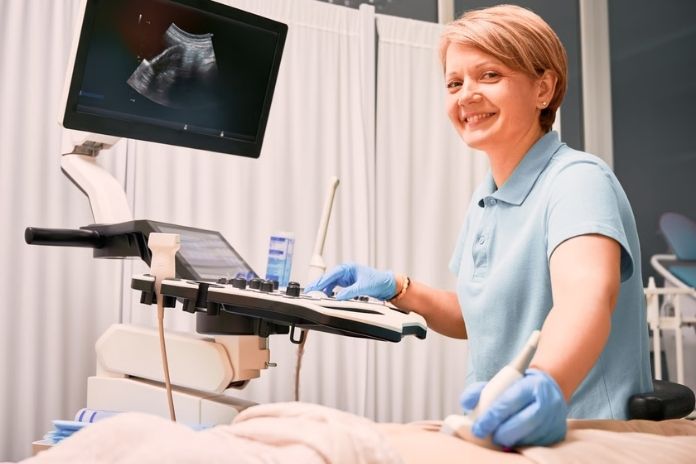
You go in for a routine ultrasound, maybe for stomach pain, a fertility check, or some other medical reason as per your doctor’s suggestion. The report casually notes that your ovaries look “polycystic.”
Suddenly, you’re scrolling through social media, reading about supplements, strict diets, and hormonal pills, wondering if you need to act fast. The advice feels overwhelming, and the consultation you had didn’t fully explain what this finding means.
This article clears this confusion with evidence‑based guidance on whether treatment is needed for polycystic ovaries without symptoms(PCOM).
- Polycystic ovarian morphology (PCOM) is just an ultrasound appearance of the ovaries.
- Polycystic ovary syndrome (PCOS) is a clinical condition with symptoms and health risks.
- Treatment is not needed for asymptomatic PCOM.
- A balanced diet, exercise, and weight management support overall well-being and reduce the risk of future PCOS.
Are PCOM and PCOS the Same?
Polycystic ovaries without symptoms are called PCOM. This condition is often mistaken for PCOS, but they are not the same.
PCOM is simply an ultrasound scan appearance of the ovaries, while PCOS is a clinical condition with specific symptoms and health risks. Studies suggest that PCOM is present in approximately 25% of normal women in the absence of PCOS.
Understanding this difference is important because having polycystic ovaries on an ultrasound scan does not automatically mean you have polycystic ovarian syndrome. The differences are as follows:
Understanding Health
PCOM vs. PCOS Comparison
| Feature | PCOM | PCOS |
|---|---|---|
| Definition | An ultrasound image showing ovaries with many small sacs (cysts) | A health condition with a hormone imbalance and symptoms |
| Symptoms | Usually, no symptoms, periods, and hormones are normal | Irregular periods, acne, excess hair growth, scalp hair thinning, and weight gain |
| Hormones | Normal hormone levels | Often high male hormones (androgens) |
| Fertility | Fertility is usually normal | Can cause trouble with ovulation and make it harder to conceive |
| Health risks | None if no symptoms | Higher risk of diabetes, heart problems, and womb lining issues |
| Treatment | No treatment needed if you feel healthy | Treatment depends on symptoms (lifestyle changes, medicines, fertility support) |
What “No Symptoms” Actually Means

Being truly asymptomatic with PCOM (polycystic ovarian morphology) means that the ovaries appear polycystic on an ultrasound scan, but there are no associated hormonal imbalances, symptoms, or effects on overall health.
This means you have,
- Regular Monthly Periods: Your cycles arrive on time, with no irregular gaps.
- No Facial Hair Growth: Absence of thick hair on your chin, upper lip, or jawline.
- No Excess Body Hair: Body hair patterns remain within the usual range for women.
- No Scalp Hair Thinning: Hair thickness stays normal, without signs of male pattern hair loss (androgen‑related loss).
- Clearer Skin: No severe or persistent acne linked to hormonal imbalance.
- Stable Weight: No unexpected or unexplained weight gain.
- Normal Hormone Levels: Blood tests show normal male hormone levels (androgens).
“The word polycystic or PCOS sounds a little scary, so when I describe it to patients, I tell them it looks like there’s popcorn all over the ovary, so, as opposed to the ovary looking like an egg that is round and white, it looks like small cysts everywhere.
They’re not cysts that are at risk of rupturing or causing a problem. It’s just that the anatomy of the ovary is different, and that’s what’s changing the hormonal levels.”
–Dr. Keisha Renee Callins, MD, MPH – OB/GYN – Community Health Care Systems.
What the Guidelines Say

Experts have studied polycystic ovaries, and they suggest:
Asymptomatic PCOM Needs No Treatment
Asymptomatic PCOM requires no treatment because it is often considered a normal variant. Having multiple small follicles visible on an ultrasound is a common structural appearance. If your hormones are balanced and your menstrual cycles are regular, PCOM is typically harmless and does not indicate PCOS.
Diagnosis Doesn’t Always Need a Scan
PCOS can often be diagnosed without an ultrasound. Doctors look for irregular periods and clear signs of high male hormones, such as excess hair growth or acne. When these symptoms are present, they may be enough to confirm PCOS. While scans can provide additional detail, they aren’t always required if the clinical symptoms already strongly point to the condition.
Treatment Is for Symptoms, Not For Appearance
PCOS care focuses mainly on managing health issues, not just changing how someone looks. It’s a long‑term hormonal condition, not a cosmetic problem. While signs like weight gain, acne, or extra hair may be the most obvious, the bigger concern is the hidden risks, such as diabetes, heart disease, and irregular or absent periods that can affect fertility if left untreated.
Doctors prescribe medicines such as birth control pills or metformin only when these serious health problems are present. The goal is always to protect overall health, not simply to cure the outward changes.
Read More: PCOS is More Than a Period Problem: A Metabolic Disease That Affects Your Whole Body
Conditions Where PCOM Can Appear Without PCOS
In certain conditions, PCOM can be present without PCOS. They are as follows:
Young Age and Egg Count
- Teens and young women naturally have more eggs in their ovaries.
- On a scan, this can make the ovaries look polycystic.
- It’s normal biology, not PCOS. Doctors usually wait until periods have been regular for a few years before considering PCOS.
Normal Variant
- Around 20–30% of healthy women may show polycystic‑looking ovaries on ultrasound with no symptoms at all.
- This is considered a normal ovarian pattern and doesn’t require treatment.
Birth Control Pills
- Hormonal contraceptives pause ovulation.
- This means small egg sacs (follicles) stay visible longer, giving a temporary “polycystic” look.
- It’s just a side‑effect of the pill, not the syndrome.
Stress or Hormonal Imbalances
- Conditions like Functional Hypothalamic Amenorrhea (FHA) (where periods stop due to stress, weight loss, or intense exercise) or thyroid disorders can shift hormone levels.
- These changes may make the ovaries look polycystic on imaging, but without the other PCOS features.
Read More: Understanding Insulin Resistance in the Context of PCOS (Polycystic Ovary Syndrome)
Monitoring Without Treating

Just because PCOM doesn’t need treatment doesn’t mean it should be ignored. The best approach is awareness and gentle check‑ins:
- Keep an eye on your cycle: Review it once a year. If periods become irregular or absent, it’s worth reassessing.
- Watch for weight changes: Shifts in weight can sometimes bring out PCOS‑like features.
- Baseline hormone test – It is a simple test that can confirm whether PCOS has been ruled out.
Lifestyle Habits That Help

Healthy everyday habits are always a good idea when your ovaries show a polycystic pattern.
Keeping your weight steady, staying active with regular exercise, and eating a balanced diet full of fruits, vegetables, whole grains, and lean proteins all support your body’s overall health.
These choices don’t treat PCOM directly, but they do help lower the chances of PCOS developing if you’re more prone to it. Think of them as simple wellness practices. These small steps will keep your hormones and metabolism in balance while boosting your long‑term wellbeing.
When PCOM Becomes Something More
Most of the time, PCOM is harmless, but there are certain situations where closer attention and treatment may be needed.
These include:
- Difficulty conceiving after 6–12 months of regular attempts
- Experiencing repeated miscarriages
- Showing signs of hormonal imbalance, such as weight gain, irregular or absent periods.
In such cases, a thorough evaluation is recommended. This may involve specialized tests and consultations with fertility specialists to better understand the underlying issues and guide treatment.
“People with PCOS actually have more eggs than normal. Their fertile years last longer, and it’s because all of those skipped cycles have a really big egg reserve, so they actually maintain their fertility for a longer period of time. They’re more likely to be able to get pregnant in their early 40s, but the time to get there can take longer.”
–Dr. Kelsey Sherman is a family medicine doctor in Lakewood, Colorado, and is affiliated with St. Anthony North Hospital.
Read More: Perimenopause vs. PCOS: Overlapping Symptoms You Shouldn’t Ignore
Final Thoughts

Finding polycystic ovaries on an ultrasound is not the same as having PCOS. Without symptoms or a confirmed diagnosis, medication is not needed. The right response is informed awareness, knowing what to monitor, understanding when to reassess, and supporting your health through simple lifestyle habits. That’s what the evidence supports, and it’s enough.
FAQs
1. Do I need the contraceptive pill if I have polycystic ovaries but no symptoms?
No. The pill is used for irregular cycles or androgen excess in confirmed PCOS. If your doctor suggests it, ask which PCOS criteria you meet and what symptom is being treated.
2. Will polycystic ovaries affect my fertility?
Not if you’re asymptomatic with regular cycles. Fertility depends on ovulation, which is normal in this case. If you face difficulty conceiving, seek a fertility assessment rather than assuming PCOM is the cause.
3. Should I change my diet because of polycystic ovaries?
No specific diet is required. A balanced, whole‑food diet that supports metabolic health is appropriate for everyone. Strict “PCOS diets” without a diagnosis are not evidence‑based and may cause unnecessary stress.
References
- Gailani, O. (2018, October 9). Polycystic ovaries vs polycystic ovarian syndrome.
- Murphy, M. K., Hall, J. E., Adams, J. M., Lee, H., & Welt, C. K. (2006). Polycystic ovarian morphology in normal women does not predict the development of polycystic ovary syndrome. Journal of Clinical Endocrinology & Metabolism.
- Naji, O. (2024, November 5). PCO vs PCOS. The Rylon Clinic.
- Celik, M. (2024). Polycystic ovarian morphology: Ultimate guide. Liv Hospital International.
- Singh, S., Pal, N., Shubham, S., Sarma, D. K., Verma, V., Marotta, F., & Kumar, M. (2023). Polycystic ovary syndrome: Etiology, current management, and future therapeutics. Frontiers in Endocrinology, 14, 1234567.
In this Article