
















Most conversations about managing diabetes focus on controlling blood sugar and carbohydrate intake. But protein and diabetes are equally significant issues that frequently receive less attention than they need.
Many people are uncertain about the proper quantity, timing, and sources of protein, even though it is essential for satiety, muscle repair, metabolic health, and long-term blood glucose management.
How much protein a diabetic should eat, how protein affects blood sugar, and how protein fits into daily diabetes nutrition planning are all covered in this article. We will also discuss the advantages, dangers, and optimal dietary options, including the best protein sources for people with diabetes and useful diabetes meal-planning protein techniques.
- Protein digests slowly, smoothing out glucose spikes caused by carbs.
- Diabetics lose muscle faster; getting 0.8-1.5g per kg of body weight prevents this.
- Lean poultry and plant-based proteins lower type 2 risks, while processed meats raise them.
Read More: Beyond Soft Foods: 7 High-Protein Meals for Tonsillitis That Won’t Hurt to Swallow
Why Protein Matters for People With Diabetes
One of the three macronutrients, or “big nutrients,” that comprise the foods we eat is protein; the other two are fat and carbohydrates. As essential nutrients, protein, carbohydrates, and fat all play crucial roles in the human body. Growth, muscle building, and skin healing all depend on protein’s ability to create and maintain our body’s cells.
Unfortunately, a lot of people with diabetes struggle to consume protein healthily or to receive enough of it. According to a recent study, half of the people with diabetes who participated in the survey did not meet the daily protein intake requirement.
Adults who did not consume enough protein had diets of lower quality and more physical restrictions, such as difficulty standing for extended periods, kneeling, and pushing or hauling heavy objects.
Previous research has demonstrated that those with diabetes are more likely than those without the disease to experience muscle loss. Considering that protein is necessary for muscle growth, monitoring protein consumption is crucial for managing diabetes.
How Much Protein Should a Person With Diabetes Eat?
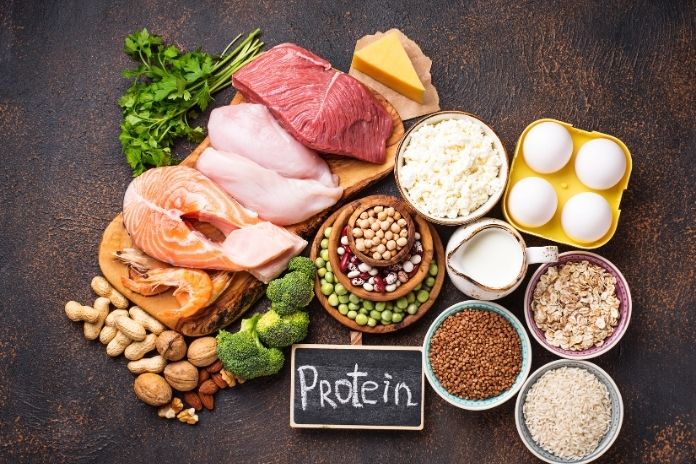
Adults with diabetes should consume at least 0.8 gms of protein per kilogram of body weight per day (10-35% of total calories), which is essentially the same as the recommendation for the general population. It would imply, for instance, that a person weighing 150 pounds (68 kilograms) should try to consume at least 55 gms of protein per day.
According to the American Diabetes Association (ADA), individuals with diabetes can consume an average of 1-1.5 g of protein per kilogram of body weight each day (15-20% of total calories). The American Diabetes Association recommends tailoring an individual’s protein intake goals to their existing eating habits, preferences, and weight objectives.
Does Protein Raise Blood Sugar?
Blood glucose levels are barely affected by protein. Actually, by reducing carbohydrate and sugar absorption, protein tends to help stabilize blood sugar levels. The impact of protein on blood glucose levels usually occurs gradually over several hours because protein is converted to glucose more slowly than carbohydrates.
Because protein breaks down more slowly in the body than simple carbohydrates, blood sugar levels can be impacted for several hours, even though the first effects of protein on blood sugar are not visible with blood sugar increases.
Does this imply that you may eat protein to manage your diabetes if it doesn’t significantly raise blood sugar levels and can make you feel fuller for longer? “Not precisely” is the quick answer. When it comes to protein, it’s all about balance.
Animal-derived proteins and plant-based proteins are the two primary categories of proteins.
An excessive amount of animal protein in the diet may actually raise the risk of type 2 diabetes. On the other hand, a diet high in plant-based proteins may somewhat lower the risk of type 2 diabetes.
Read More: 7 High-Protein Vegan Snacks for Executive Dysfunction (No Cooking, No Cleanup)
Best Protein Sources for Blood Sugar Management
The guidelines for a healthy general diet also apply to diabetes and protein intake. You should always choose minimally processed meals because they are healthier. Additionally, leaner beef cuts with less saturated fat are healthier than fattier cuts.
Leaner protein cuts consist of:
- Chicken breast
- Turkey
- Certain cuts of beef or pork loin
- Because they are often lean and contain more omega-3 fatty acids, seafood is also nutrient-dense
Avoiding or limiting processed meats, such as hot dogs, bacon, and pepperoni, which are often high in nitrites, salt, and saturated fats, is crucial when it comes to animal proteins. However, there are other sources of high-quality protein outside beef. High-quality protein sources include a variety of vegetables, beans, nuts, seeds, and tofu; some also offer the advantages of healthy fats and high fiber.
Excellent plant-based protein sources include broccoli, peas, spinach, chickpeas, artichokes, lentils, corn, and asparagus. Carbohydrates are also a component of several plant-based proteins. People with diabetes must examine nutrition labels or data from reliable sources, such as the FDA, to fully understand the nutrient profiles of plant-based proteins.
How to Build Balanced Meals With Protein
So how can you be certain that your diet has a healthy amount of protein? Examining your plate is a wonderful place to start. Every meal should include a source of protein to counterbalance the foods high in carbohydrates. Keep in mind that foods such as tofu and poultry provide this protein.
Recall that although protein is crucial for managing diabetes, people with diabetes do not require a “special” amount of protein in their diet; instead, they can adhere to the same recommendations as everyone else. Additionally, keep in mind that since each of us is an individual, so are our protein requirements.
Can a High-Protein Diet Help With Type 2 Diabetes?
During calorie restriction, a high-protein diet and diabetes strategy may promote weight reduction, enhance satiety, and maintain muscle mass. These advantages may enhance long-term metabolic health and insulin function. Additionally, it might improve insulin sensitivity, especially when paired with regular exercise and a high-fiber diet.
Sustainability is an issue, though. Kidney health and diabetes may be impacted by an excessively high protein intake, particularly in people with pre-existing diseases. Severely reducing lipids and carbohydrates can also increase the risk of nutrient imbalance.
Read More: High-Protein Vegan Sweets That Won’t Spike Your Blood Sugar: Smart Dessert Options
Common Myths About Protein and Diabetes

To make the best choices about your protein goals, you should be aware of some common protein myths.
Myth 1: Only Those Who Wish to Gain Muscle Should Consume Protein
Everybody needs protein because it affects so many bodily processes. It produces antibodies to combat infection, repairs tissues, carries nutrients, and aids in the development of strong bones, in addition to growing muscle. Since protein affects our capacity to maintain bone and muscle, it remains crucial as we age.
Myth 2: The Primary Food Sources of Protein are Eggs and Chicken
Both plant-based and animal-based proteins contain protein. When it comes to high-protein foods, there are several possibilities, although most people think of chicken and eggs as the preferred sources.
Myth 3: One Gram of Protein Should Be Consumed For Every Pound of Body Weight
Age, sex, weight, and the level of physical activity all affect the amount of protein needed.
Experts advise consuming around 0.8 g of protein per kilogram of body weight (0.36 g per pound) daily to meet basic nutritional needs. It corresponds to roughly 45-60 g of protein for a person weighing 125-170 pounds.
As we get older, we need more protein since we start losing most of our muscle in our 30s. Protein requirements rise to 1-1.2 grams per kilogram of body weight.
When to Talk to a Healthcare Professional About Your Protein Intake
It’s very crucial to speak with a healthcare professional if you have kidney problems or are unsure how much protein a person with diabetes should eat. Individuals who have diabetic kidney disease require close observation.
Individuals with numerous health issues, elderly people, pregnant women, and those managing type 1 diabetes should always seek individualized assistance. Working with a registered dietitian ensures safe and effective protein strategies for diabetes meal planning, tailored to your needs.
Read More: What Happens to Your Body When You Switch to Plant Protein
Conclusion
Developing a sustainable and balanced dietary pattern requires understanding the link between protein and diabetes. When paired with fiber-rich carbs and healthy fat, protein can help stabilize blood sugar levels, enhance satiety, and support muscle health.
However, there is no one-size-fits-all answer to how much protein a diabetic should eat, as individual needs vary based on age, activity level, overall health, and kidney function.
Optimizing metabolic outcomes can be achieved by evenly distributing consumption throughout the day and selecting high-quality, minimally processed protein sources.
In this Article