


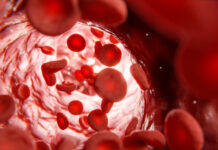








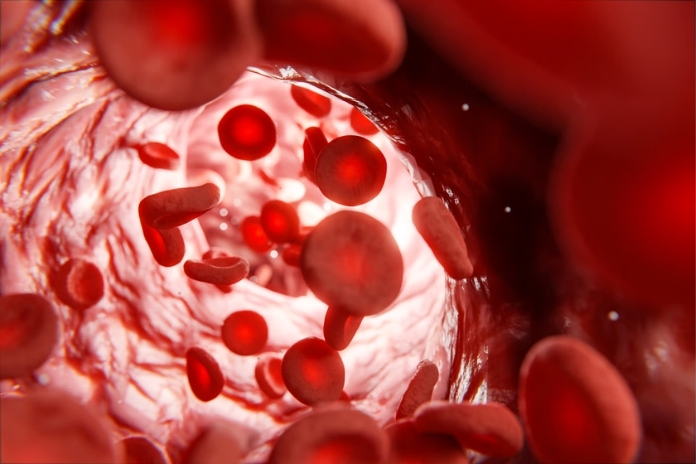
Sickle cell disease (SCD) is a hereditary blood disorder caused by a point mutation in the beta-globin gene that produces abnormally shaped red blood cells. Instead of being flexible and disc-shaped, the cells become curved like a sickle.
SCD affects approximately 100,000 people in the United States and millions more worldwide. Patients often experience vaso-occlusive episodes, hemolytic anemia, and progressive organ damage.
Two FDA-approved gene therapies introduced in December 2023 now offer the first potential curative treatment options for eligible patients. Despite being the most common inherited blood disorder globally, SCD has historically received less clinical attention and research funding than its disease burden warrants.
- Sickle cell disease (SCD) is an inherited blood disorder that causes abnormal red blood cells, anemia, severe pain episodes, and organ damage.
- Treatment may include hydroxyurea, blood transfusions, pain management, bone marrow transplant, and newer gene therapies for some patients.
- Outcomes have improved, but access to specialized care and advanced treatments remains a challenge for many people.
Read More: Genetic Testing for Hypertrophic Cardiomyopathy: Should Your Family Get Screened?
What Sickle Cell Disease Is: The Genetic Mechanism

Sickle cell disease is a hereditary hemoglobinopathy caused by a point mutation in the beta-globin gene. This mutation leads to the production of hemoglobin S (HbS), an abnormal form of hemoglobin that causes chronic hemolytic anemia, vaso-occlusion, and progressive organ damage.
Healthy red blood cells are flexible, disc-shaped, and survive for about 120 days. Their flexibility allows them to move smoothly through even the smallest blood vessels. In people with SCD, red blood cells containing hemoglobin S can become rigid and sickle-shaped, especially when oxygen levels drop.
These sickled cells are fragile and break apart prematurely, leading to hemolytic anemia. Their lifespan is only 10 to 20 days. They are also sticky and prone to clumping, which can block blood vessels and cause vaso-occlusive crises.
SCD follows an autosomal recessive inheritance pattern. A person must inherit one mutated beta-globin gene from each parent to develop the disease. Individuals who inherit only one copy have the sickle cell trait, which is usually asymptomatic but can be passed on to future children.
Who Gets Sickle Cell Disease and Why
The mutation responsible for sickle cell disease emerged independently in several regions where malaria was historically common, including sub-Saharan Africa, the Mediterranean, the Middle East, and South Asia. People with the sickle cell trait have partial protection against severe malaria, which explains why the mutation persisted across generations.
In the United States, SCD most commonly affects people of African ancestry, Hispanic populations from the Caribbean and South America, and individuals with Mediterranean, Middle Eastern, or Indian heritage. Newborn screening programs now identify most cases shortly after birth, allowing treatment and monitoring to begin early.
The Main Symptoms: From Daily Anaemia to Life-Threatening Crises

Sickle cell disease symptoms range from chronic daily health challenges to life-threatening medical emergencies.
Chronic Symptoms
Anemia and fatigue are present throughout life for most patients. Because red blood cells are destroyed faster than the body can replace them, chronic hemolytic anemia develops. Common symptoms include persistent fatigue, weakness, pale skin, jaundice, and reduced exercise tolerance.
Children with SCD may experience delayed growth and development because chronic anemia and reduced oxygen delivery affect normal growth patterns.
Vaso-Occlusive Episodes
Vaso-occlusive episodes, sometimes called pain crises, occur when sickled red blood cells block blood flow through small vessels. These episodes can cause sudden, severe pain in the chest, back, arms, legs, or abdomen.
Pain crises are the most common reason for hospitalization in people with SCD. Their frequency varies widely. Some individuals experience only occasional episodes, while others have recurrent crises throughout the year.
Serious Acute Complications
Acute chest syndrome is one of the most dangerous complications of SCD. Symptoms include chest pain, fever, cough, and difficulty breathing. It is a leading cause of hospitalization and death. Stroke is another major concern. SCD is one of the leading causes of childhood stroke and can also increase stroke risk in adults.
Splenic sequestration occurs when large amounts of blood become trapped in the spleen, causing severe anemia and potentially life-threatening shock. Priapism, a prolonged and painful erection caused by blocked blood flow, requires urgent medical treatment to prevent permanent damage.
Long-Term Organ Damage
Repeated vaso-occlusion causes cumulative damage to multiple organs over time. The kidneys, liver, lungs, eyes, bones, and cardiovascular system may all be affected. This progressive organ damage contributes to a reduction in life expectancy of approximately 20 years compared with the general population.
Anyone with severe pain, breathing difficulty, signs of stroke, or suspected splenic sequestration should seek emergency medical care immediately.
Diagnosis: How SCD Is Identified
Sickle cell disease is diagnosed using laboratory tests that identify the types of hemoglobin present in the blood. The most commonly used tests are hemoglobin electrophoresis and high-performance liquid chromatography (HPLC). Newborn screening programs in the United States, the United Kingdom, and many other countries routinely test infants for hemoglobin disorders shortly after birth.
Prenatal diagnosis is also possible through chorionic villus sampling or amniocentesis. Carrier testing for the sickle cell trait is available for adults planning families and is especially recommended for individuals from populations where SCD is more common.
Standard Treatments: Managing Symptoms and Preventing Complications

Treatment options for sickle cell disease include medications, blood transfusions, supportive care, bone marrow transplantation, and gene therapy.
Hydroxyurea
Hydroxyurea remains the most widely used disease-modifying treatment. It increases production of fetal hemoglobin (HbF), which helps prevent red blood cells from sickling.
Studies have consistently shown that hydroxyurea reduces vaso-occlusive crises, acute chest syndrome, hospitalizations, and the need for blood transfusions. Despite its effectiveness, access and utilization remain below recommended levels in many settings.
Blood Transfusions
Regular red blood cell transfusions are often used to prevent stroke in high-risk children identified through transcranial Doppler screening. Transfusions are also important in the treatment of severe anemia and acute chest syndrome.
Pain Management
Pain management is a critical part of care. Mild episodes may be treated with NSAIDs, while severe vaso-occlusive crises often require opioid medications in hospital settings. Some specialized centers also use ketamine for pain control.
Important 2024 Update
In September 2024, Pfizer voluntarily withdrew voxelotor (Oxbryta) from the global market after determining that its benefits no longer outweighed its risks in the approved sickle cell disease population. As a result, voxelotor is no longer considered a current treatment option.
Bone Marrow Transplant: The Established Curative Approach
Allogeneic hematopoietic stem cell transplantation (HSCT), commonly called a bone marrow transplant, is an established cure for sickle cell disease. The procedure replaces a patient’s bone marrow with donor stem cells capable of producing normal hemoglobin. Outcomes are best when a matched sibling donor is available, and the transplant is performed during childhood.
Only about 14% of patients have a suitable matched sibling donor. Additional barriers include intensive chemotherapy, transplant-related complications, and the risk of graft-versus-host disease. Despite these challenges, HSCT has cured thousands of people and remains the most accessible curative option available today.
The Gene Therapy Breakthrough: What FDA Approval in December 2023 Means

The most significant advance in sickle cell disease treatment in recent years came in December 2023, when the FDA approved two gene therapies.
Exagamglogene Autotemcel (Casgevy)
Exagamglogene autotemcel (Casgevy) became the first CRISPR-Cas9 gene-editing therapy approved by both the FDA and the UK’s MHRA. The treatment edits the BCL11A gene, allowing the body to produce higher levels of fetal hemoglobin. Increased HbF reduces sickling and can dramatically decrease vaso-occlusive crises.
Clinical trials showed that many patients experienced complete elimination of severe pain crises for extended periods.
Lovotibeglogene Autotemcel (Lyfgenia)
Lovotibeglogene autotemcel (Lyfgenia) uses a lentiviral vector to introduce a modified beta-globin gene into the patient’s stem cells. The therapy enables the production of an anti-sickling hemoglobin that improves red blood cell function.
Challenges and Access Barriers
Both therapies require chemotherapy conditioning before treatment and prolonged specialist follow-up. Long-term risks, including insertional oncogenesis, clonal expansion, and delayed adverse effects, continue to be monitored.
Cost presents a major challenge. Gene therapy currently costs approximately $2 million to $3 million per patient, and treatment is available only at specialized centers. These barriers disproportionately affect populations that already experience significant healthcare inequities related to sickle cell disease.
Living With Sickle Cell Disease: Ongoing Management
Children and adults living with SCD require lifelong specialist hematology care. Regular monitoring typically includes kidney function testing, eye examinations, lung assessments, blood pressure monitoring, and transcranial Doppler screening in children.
Avoiding known triggers may reduce the risk of vaso-occlusive crises. Common triggers include dehydration, extreme temperatures, infection, high altitude, overexertion, and psychological stress. Vaccination is especially important because many patients develop functional asplenia, meaning the spleen no longer works effectively.
Read More: How Long Does Adrenal Fatigue Take to Recover From?
Conclusion
Sickle cell disease has entered a period of remarkable therapeutic progress. The approval of the first CRISPR-based therapy and a second gene therapy option represents a historic milestone for patients and families. At the same time, these advances highlight ongoing equity challenges.
Access, affordability, and specialist availability remain significant barriers for many of the populations most affected by SCD. While curative therapies continue to expand, hydroxyurea remains the most impactful and widely accessible treatment for improving outcomes today.
Frequently Asked Questions
Q. Is sickle cell disease curable?
A. Some patients, yes. Allogeneic bone marrow transplantation from a matched sibling donor has cured thousands of people and remains the most accessible curative treatment. Access remains limited by cost, specialist availability, and treatment eligibility requirements.
Q. What triggers a sickle cell crisis?
A. Dehydration, cold temperatures, infection, overexertion, high altitude, and psychological stress may trigger vaso-occlusive crises. Many episodes occur without a clear trigger.
Q. What is the difference between sickle cell disease and sickle cell trait?
A. Sickle cell disease occurs when a person inherits two abnormal beta-globin genes, one from each parent. Sickle cell trait occurs when only one abnormal gene is inherited. People with the sickle cell trait are usually healthy carriers and typically do not experience the serious complications seen in SCD.
References
- Food and Drug Administration. (2023, December 8). FDA approves first gene therapies to treat patients with sickle cell disease. U.S. Department of Health and Human Services.
- National Center for Biotechnology Information. (2018). Sickle cell disease (StatPearls). StatPearls Publishing.
- National Center for Biotechnology Information. (2024). Sickle cell trait and disease: Clinical considerations (Blood Advances). PubMed Central.
- National Heart, Lung, and Blood Institute. (n.d.). Health effects of sickle cell disease. National Institutes of Health.
- National Center for Biotechnology Information. (2021). Sickle cell anemia (StatPearls). StatPearls Publishing.
In this Article