





















You’ve been tired for months. Brain fog, afternoon crashes, poor stress tolerance, and somewhere online, someone told you it’s adrenal fatigue. Here’s the direct answer: adrenal fatigue is not a recognized medical diagnosis.
The Endocrine Society, the Mayo Clinic, and every major endocrinology body say so explicitly. But the symptoms, chronic fatigue, HPA axis dysregulation (hypothalamic-pituitary-adrenal axis dysfunction), and cortisol imbalances are real.
They have better-explained causes with actual, documented adrenal fatigue recovery timelines. This article gives you those timelines and tells you what’s worth doing about them.
- “Adrenal fatigue” is not a recognized medical diagnosis; no validated test confirms it.
- HPA axis dysregulation from chronic stress is real, measurable, and typically resolves in 3–12 months with consistent lifestyle changes.
- Get a morning cortisol and ACTH stimulation test before self-managing significant symptoms.
The Medical Reality: What “Adrenal Fatigue” Actually Is?

The term was coined in 1998 by James Wilson, a naturopath. The theory: chronic stress depletes the adrenal glands, crashing cortisol (a steroid hormone regulating stress response, metabolism, and immune function) output.
The Endocrine Society states plainly that “no scientific proof exists to support adrenal fatigue as a true medical condition. A 2024 paper in the Journal of the Endocrine Society classified it among ‘pseudo-endocrine disorders.’ Accepting the label delays diagnosis of conditions that actually need treatment.
Dr. Lawrence Kirschner, MD, PhD, clinical endocrinologist and professor at The Ohio State University Wexner Medical Center, writes, “Current medical science doesn’t recognize the condition of ‘adrenal fatigue,’ while noting he does not dismiss the symptoms as real.
The key biological correction: under stress, your adrenal glands don’t run empty; they work harder, producing more cortisol. What genuinely changes under sustained stress is your HPA axis rhythm. That’s where the real science begins.
Real Adrenal Conditions With Documented Recovery Timelines
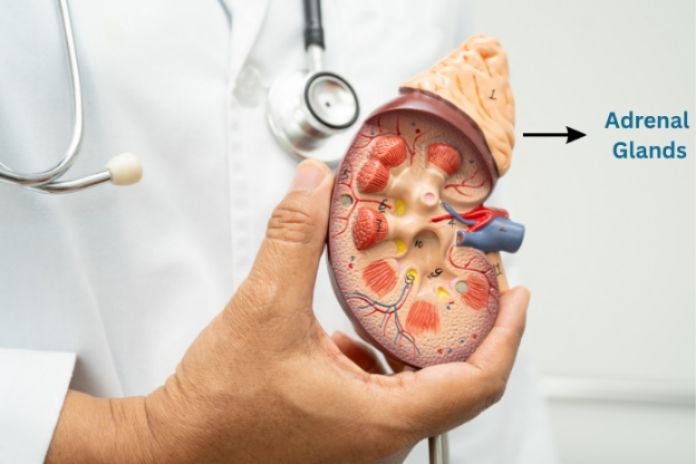
Three diagnosable conditions involve genuine adrenal dysfunction. All are testable. All have documented recovery data.
Primary Adrenal Insufficiency (Addison’s Disease)
The adrenal glands fail to produce adequate cortisol and aldosterone (a hormone regulating sodium balance and blood pressure). Diagnosed through an ACTH stimulation test. Treatment is lifelong hormone replacement with hydrocortisone and fludrocortisone. Most patients reach stable, well-managed health within weeks of starting correct treatment.
Secondary Adrenal Insufficiency
The pituitary fails to signal the adrenals most commonly from long-term glucocorticoid (steroid) medication, including inhaled or topical forms. A 2024 joint guideline from the European Society of Endocrinology confirms HPA axis recovery after steroid cessation typically takes 6–12 months, with significant individual variation.
HPA Axis Dysregulation From Chronic Stress
The legitimate concept closest to adrenal fatigue. Research in Molecular Systems Biology confirms chronic psychological stress produces measurable HPA changes, abnormal cortisol rhythms, blunted stress responses, and disrupted sleep architecture quantifiable through salivary cortisol or DUTCH testing (dried urine test for comprehensive hormones).
Recovery typically takes 3-12 months with consistent lifestyle intervention.
Adrenal Fatigue Recovery Timelines: What Evidence and Practitioners Report?
Dr. Lynnette Nieman, MD, Senior Investigator and Chief of the Endocrinology Consultation Service at the National Institutes of Health, told Medscape Medical News (2024): “There is no scientific evidence that adrenal fatigue exists or causes [general] fatigue, depression, or the many common symptoms said to result from this condition.”
Anyone with these symptoms needs an endocrinologist, not a supplement. For those given an ‘adrenal fatigue’ label by a functional medicine practitioner, here’s what practitioners commonly report as clinical observation, not trial data:
Mild (Manageable Symptoms): Improvement in weeks to 3 months with consistent lifestyle change.
Moderate (Significantly Impacting Daily Life): 6 months to a year. Progress is nonlinear; setbacks are normal, not signs of failure.
Severe (Deeply Affecting Function): 1–2 years. This group has the highest likelihood of an unidentified underlying condition.
Overall reported range: 6–18 months. The most reliable predictor of timeline is whether the root stressor gets genuinely resolved, not which supplement is used.
Read More: Feeling Wired but Tired? You Might Be in Adrenal Fatigue Mode
What Actually Drives Recovery From Adrenal Fatigue?
A 2025 integrative review in The American Journal of Medicine identifies the interventions with the strongest evidence for restoring cortisol rhythm and HPA function:
Sleep: Cortisol rhythm is circadian and tied directly to the sleep-wake cycle. Poor sleep drives dysregulation; deep sleep supports restoration. Seven to nine consistent hours are non-negotiable during recovery.
Address the Root Stressor: Adaptogens can’t fix a job that’s keeping your nervous system in chronic alarm. Without meaningful stressor reduction, recovery stalls regardless of everything else.
Moderate Exercise, not Intense Training: The same review confirms 150 minutes per week of aerobic activity (walking, swimming, or yoga) improves stress resilience and cortisol regulation. High-intensity training during active HPA recovery can worsen dysregulation.
Blood Sugar Stability: Irregular meals and high-sugar intake produce cortisol spikes that perpetuate dysregulation. Three regular meals with adequate protein give the HPA axis a predictable environment to normalize.
Reduce Alcohol and Caffeine: Both stimulate cortisol secretion and disrupt circadian rhythm. Significant reduction during recovery matters more than most people anticipate.
Read More: Adrenal Fatigue Diet – Everything One Needs To Know
When to See a Doctor For Adrenal Fatigue Recovery?

Don’t self-manage significant symptoms without ruling out diagnosable conditions. See a doctor if you have:
- Persistent unexplained fatigue lasting more than 4 weeks
- Salt cravings alongside fatigue, dizziness on standing, and skin darkening suggest Addison’s disease and require urgent cortisol testing
- Fatigue following long-term steroid use (inhaled, topical, or oral)
- Unexplained weight loss, nausea, or abdominal pain alongside fatigue
A basic workup, morning cortisol, ACTH stimulation test, thyroid panel, full blood count, and iron studies rule out conditions requiring medical treatment before any lifestyle-based recovery approach begins.
Read More: Balance Your Stress: The Top 6 At-Home Cortisol Tests for Stress Management
Final Word
“Adrenal fatigue” may be a compelling label, but it doesn’t reflect how human physiology actually works. The symptoms people experience are real, often rooted in stress, disrupted sleep, metabolic strain, or undiagnosed medical conditions, but the explanation lies in measurable processes like HPA axis dysregulation, not adrenal “burnout.”
Understanding this shift, from a misleading diagnosis to a physiology-based approach, allows for more realistic expectations and, ultimately, more effective recovery. Address the root cause, and apply the interventions that research supports.
Chronic fatigue with a clear cause is far easier to recover from than chronic fatigue with a label that keeps you from the right test. Get the test first. Recovery timelines vary, but they are largely predictable when the underlying drivers are addressed. Progress depends far more on resolving chronic stressors and maintaining consistent habits than on supplements or trends.
- “Adrenal fatigue” is not a diagnosis, but HPA axis dysregulation from chronic stress is real, measurable, and treatable.
- The real risk is staying on an unproven label while a treatable condition goes undiagnosed.
- Book a morning cortisol test. Know what you’re dealing with, then recover from it with evidence behind you.
FAQs About Adrenal Fatigue Recovery
1. Is adrenal fatigue a real condition?
A: Adrenal fatigue is not recognized as a valid medical diagnosis by mainstream endocrinology. The Endocrine Society and Mayo Clinic confirm that no scientific proof supports it. Symptoms are real but caused by sleep disorders, thyroid dysfunction, chronic stress, depression, or diagnosable adrenal conditions requiring proper medical workup.
2. How long does adrenal fatigue take to recover from?
A: Recovery timelines depend on the underlying cause. HPA axis dysregulation from chronic stress typically resolves in 3–12 months with consistent sleep, stress reduction, and lifestyle changes. Steroid-induced adrenal insufficiency takes 6–12 months after medication cessation.
3. My doctor said it’s just stress, but I’ve felt this every day for a year. What’s going on?
A: Chronic stress genuinely alters HPA axis function in measurable ways, producing abnormal cortisol rhythms and blunted stress reactivity. Research confirms this is real. Request a morning cortisol test, thyroid panel, and iron studies to get a concrete answer, not a dismissal.
4. What’s the fastest way to recover from adrenal fatigue symptoms?
A: Prioritize sleep first, then meaningfully reduce the primary stressor. Supplements marketed for adrenal fatigue have no clinical trial evidence. Blood sugar stability through regular meals and moderate weekly exercise is the next priority. No shortcut bypasses these fundamentals.
5. How do I know if my adrenal fatigue recovery is working?
A: Improvements in stress reactivity and sleep quality typically appear before symptom resolution. Watch for waking more rested, better afternoon energy, and improved mood stability. Research confirms progress is nonlinear. If no improvement occurs after 3 months of consistent change, seek medical evaluation.
References
- Cadegiani, F. A., & Kater, C. E. (2016). Adrenal fatigue does not exist: A systematic review. BMC Endocrine Disorders, 16(1), 48.
- Endocrine Society. (2022). Adrenal fatigue.
- McDermott, M. T. (2024). Pseudo-endocrine disorders: Recognition, management, and action. Journal of the Endocrine Society, 9(1), bvae226.
- Nieman, L. K. (2024, March 5). Is adrenal fatigue a real condition? Medscape Medical News.
- Karin, O., et al. (2020). A new model for the HPA axis explains dysregulation of stress hormones on the timescale of weeks. Molecular Systems Biology, 16(7), e9510.
- Smith, S. M., et al. (2024). Long-term, dynamic remodelling of the corticotroph transcriptome after chronic stress. Frontiers in Endocrinology, 15.
- Gutierrez Nunez, S., et al. (2025). Chronic stress and autoimmunity: The role of HPA axis and cortisol dysregulation. International Journal of Molecular Sciences, 26(20), 9994.
- Mehta, R., et al. (2026). Glucocorticoid-induced adrenal insufficiency: Physiological dose tapering promotes recovery. European Journal of Endocrinology Communications.
- Beuschlein, F., et al. (2024). ESE and Endocrine Society joint clinical guideline: Glucocorticoid-induced adrenal insufficiency. Journal of Clinical Endocrinology & Metabolism.
- Lopresti, A. L., & Drummond, P. D. (2025). An integrative approach to HPA axis dysfunction. The American Journal of Medicine.
In this Article