





















As the world’s population ages, diabetes in the elderly is growing more prevalent. However, diabetes in older adults has different risks, difficulties, and care priorities than it does in younger people. Treatment strategies must change over time, as aging affects metabolism, memory, physical capacity, and medication tolerance.
In this article, we will explore how diabetes and aging interact, the unique challenges of managing diabetes in seniors, medication risk, blood sugar goals, and practical strategies for safe and effective care. We’ll also discuss cognitive decline, caregiver support, and when to seek medical attention.
Read More: Low-Carb vs. Low-Fat for Type 2 Diabetes: What 27 Clinical Trials Actually Found
Why Diabetes Care Changes With Age
The number of adults with diabetes has risen in the past 20 years. The things you need to do to maintain your health may vary as you become older if you fall into that category. Sometimes managing your diabetes requires more than simply changing your lifestyle; you may also need to take medication or modify your treatment plan in other ways.
As you age, you may experience issues if you have diabetes. The Centers for Disease Control and Prevention report that 25% of people 65 and older have diabetes, and 50% have prediabetes.
Diabetes problems are more common in older persons. Heart disease, stroke, kidney disease, and nerve damage are some of these problems. Diabetes can cause major, potentially fatal complications. Therefore, older adults with diabetes must see their doctor regularly and adhere to their prescribed treatment plan.
To seek medical assistance if needed, older persons should also be aware of the warning signs and symptoms of diabetic complications:
- Breathlessness, irregular heartbeat, and chest pain are signs and symptoms of heart disease.
- Abrupt paralysis or weakness, abrupt disorientation or difficulty speaking, and abrupt difficulties seeing in one or both eyes are signs and symptoms of a stroke.
- Fatigue, leg and foot edema, and altered urination are signs and symptoms of renal disease. Additionally, numbness, tingling, and discomfort are indicators of nerve injury.
Unlike younger individuals, treatment for managing diabetes in seniors often prioritizes:
- Avoiding situations such as hypoglycemia in older adults
- Maintaining independence
- Reducing medication burden
Unique Challenges of Diabetes in the Elderly

The prevalence of diabetes in the elderly is becoming a major public health concern as the world’s population ages. Despite the rise in younger demographics, adults 65 and over continue to be the group most affected by the 400 million cases of diabetes; in the United States, for example, the percentage of those 65 and older with diabetes is 25%.
These are some significant obstacles that older diabetic patients must overcome:
Drug Interactions: The likelihood of receiving a diagnosis of one or more chronic diseases increases with age. Co-morbidities, such as osteoarthritis, hypertension, and coronary heart disease, are more common in older people with diabetes than in younger age groups.
Taking several medications given by various physicians is typically necessary to manage several illnesses. Each medication can affect how other medications function and how long they remain in the body; interactions can raise the blood levels of some medications, leading to toxicity, or decrease the levels of other medications, making them ineffective.
Exercise Is Still Important: Maintaining a healthy diet and nutrition, exercising, monitoring blood sugar levels, and taking medications as directed are all necessary for effective diabetes management. Exercise can have just as many positive effects on elderly diabetic patients as it does on younger ones.
For older adults, alternating between moderate-intensity resistance/strength training and aerobic exercise is generally safe and helps regulate body weight and blood sugar level. Exercise not only lowers blood pressure but also increases muscle sensitivity to insulin, allowing muscles to absorb more glucose from the blood and, in some situations, lessening the need for medication to lower blood sugar levels.
Be Wary of Depression: Although diabetes and depression don’t seem to have much in common at first, they actually go “hand in hand” and together pose a serious risk to one’s health.
Type 2 diabetes can raise a person’s risk of depression by up to two or three times, regardless of age. A patient’s quality of life can significantly decline when they have both depression and diabetes. Motivation, vigor, focus, exercise, and physical activity are all necessary for managing diabetes.
Protect Your Vision: While most people’s vision is affected by aging, diabetes can cause diabetic retinopathy (DR), the most common cause of blindness among people with diabetes and a major microvascular complication among older patients.
The layer of nerves that lines the back of the eye, the retina, is harmed by diabetic retinopathy. The cumulative long-term inflammatory damage brought on by years of having high blood sugar levels results in DR. The longer a patient has had diabetes, the higher their risk of developing DR.
Read More: Diagnosed With Diabetes? Here’s Exactly How to Tell the People Who Matter Most
Medication Risks Older Adults Should Know About
Medication and insulin are crucial components of managing diabetes. However, managing insulin and medications might be particularly difficult if you are an older adult with diabetes, especially if you have physical or mental impairments.
“It’s a common medical problem we see in seniors with diabetes,” said Karen Seifert, a clinical nurse specialist and diabetes program coordinator for Banner – University Medical Center Phoenix. She adds, “If you have limitations in dexterity and joint mobility, visual or cognitive impairments, these can make it very difficult to administer insulin, remember proper dosage, and even open pill bottles.”
Here are some medications to be very cautious about:
Hypoglycemia Risk: Insulin and sulfonylureas, such as glipizide, are frequent causes of hypoglycemia. should advise reducing dosages or, as necessary, switching to lower-risk medications (such as metformin, SGLT-2 inhibitors, DPP4 inhibitors, or GLP-1s).
Kidney Function: Kidney function can occasionally deteriorate with aging without causing any symptoms. To prevent problems or ineffective lowering of blood sugar, metformin and, in particular, several SGLT2 inhibitors need to be carefully adjusted or discontinued.
Polypharmacy: My elderly patients frequently take twelve or more drugs. As people get older, it becomes nearly impossible to prevent drug-drug interactions. Monitoring the numerous drugs can be confusing, and side effects are possible. Duplicate therapy can be a major issue.
Simplified Regimens: Better adherence results from fewer medications and injections. To simplify things, try taking combo pills or once-daily medications. It applies to everything elderly folks take, not just their diabetic drugs.
Blood Sugar and A1C Goals in Older Adults
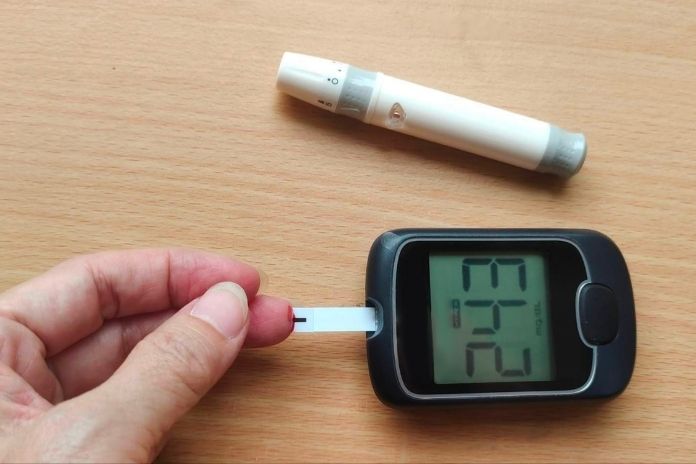
Maintaining long-term health, avoiding diabetes-related complications, and making informed health decisions all depend on understanding normal A1C values for seniors. Controlling blood sugar levels becomes increasingly crucial as we get older to maintain a decent standard of living.
You can improve your metabolic health, control your A1C, and keep living life to the fullest with simple strategies. The body converts carbohydrates into glucose during digestion. The body uses blood glucose, also called blood sugar, as a vital source of energy.
The average blood glucose level over the previous 2 to 3 months is measured by an A1C test, commonly called a hemoglobin A1C or glycated hemoglobin test. This straightforward and trustworthy test helps diagnose diabetes, track treatment, and evaluate overall blood sugar regulation.
A normal A1C result for the majority of adults is less than 5.7%. This score indicates good blood sugar control. Normal ranges for seniors may vary depending on their unique situation and health status.
An A1C of 6.5% or less may be the goal for seniors in good health with few chronic illnesses. A more relaxed target of 7.0% to 8.0% may better suit people with multiple medical conditions to prevent hazards like hypoglycemia.
Daily Management Strategies That Work
Maintain Balanced and Consistent Meals: Consistent eating habits help avoid blood sugar swings. Balanced meals with some adequate protein, fiber, and healthy fat support your stable blood sugar goals, which older adults aim for.
Simplify Medication Routines: Adherence increases, and errors decrease when medication regimens are simplified. Pill organizers, reminder systems, and caregiver support are examples of strategies.
Promote Safe Movement: Exercise increases insulin sensitivity and lowers the risk of complications. Walking, chair workout, and some mild resistance training are good choices.
Hydration and Illness Planning: Hydration is critical in diabetes in the elderly. Blood sugar levels might change quickly when you’re sick. A sick-day strategy can help avoid emergencies.
Diabetes and Cognitive Decline
Hyperglycemia, or elevated blood sugar, can damage the blood vessels in the brain, reducing the amount of blood and oxygen that reaches the brain. High blood sugar causes inflammation. It could harm brain tissue and result in dementia. But for the brain to function, it needs enough glucose. Therefore, hypoglycemia, or low blood sugar, can potentially harm the brain.
The following are signs of diabetic cognitive impairment:
- Being forgetful
- Finding the right words is difficult
- Being easily distracted
- Bad judgment
- Difficulty making choices
- Personality and mood swings
Maintaining blood sugar levels within the desired range and taking medications that support cognitive function, such as those used to treat Alzheimer’s, are the mainstays of treatment for mild cognitive impairment caused by diabetes.
The following are additional aspects of treatment:
- Make lifestyle adjustments like engaging in regular exercise and consuming nutritious meals and snacks.
- Control other ailments, including high blood pressure and cholesterol.
- Simplify your medication regimen by using automatic insulin administration systems or once-daily medications.
- Make use of CGM (continuous glucose monitoring).
When to Contact a Healthcare Professional

Episodes of Low Blood Sugar: If hypoglycemia occurs frequently, it needs to be treated right away. Symptoms include shaking, disorientation, perspiration, and fainting.
Abrupt Shifts in Function: It’s important to monitor for new symptoms, such as weakness, confusion, or dehydration. They could be an indication of another underlying illness or deteriorating diabetes in the elderly.
Medication Side Effects: There may be substitutes if drugs have negative side effects or are expensive. Adjusting treatment is a key part of type 2 diabetes treatment for seniors.
Questions to Ask at Diabetes Appointments
Are My Current Targets Still Appropriate?
Healthcare providers should periodically reassess treatment objectives as diabetes and aging evolve.
Can My Medication Plan Be Simplified?
Safety and adherence can be enhanced by reducing polypharmacy.
What Should I Do on Sick Days?
Clear guidance can help avoid complications during illness.
Do I Need Eye, Kidney, or Foot Screening?
Routine screenings are essential for preventing complications related to kidney function, vision, and nerve damage.
Read More: Diabetes Diet: How Plant-Based Eating Can Transform Your Health
Conclusion
Managing diabetes in the elderly requires a balanced and personalized approach that goes beyond strict blood sugar control. Care becomes more complicated as people age due to factors such as other medical conditions, medication sensitivities, and lifestyle changes. Safety, comfort, and the preservation of freedom should become the key priorities.
Preventing problems like hypoglycemia, streamlining medication regimens, and guaranteeing appropriate nutrition and hydration are all important aspects of managing diabetes in seniors. Additionally important are open communication with healthcare providers, supportive caregiving, and routine monitoring.
References
- Mayo Clinic. (October 13, 2025). Life with diabetes: What happens as we age?
- University of Maryland Medical System. Diabetes management as you get older.
- Traditions Health & Hospice. Diabetes care changes for the aging: 5 things to know.
- diaTribe Foundation. (March 24, 2025). Diabetes management in older adults.
- UMass Memorial Health. Cognitive impairment with diabetes: Caregiver.
In this Article