




















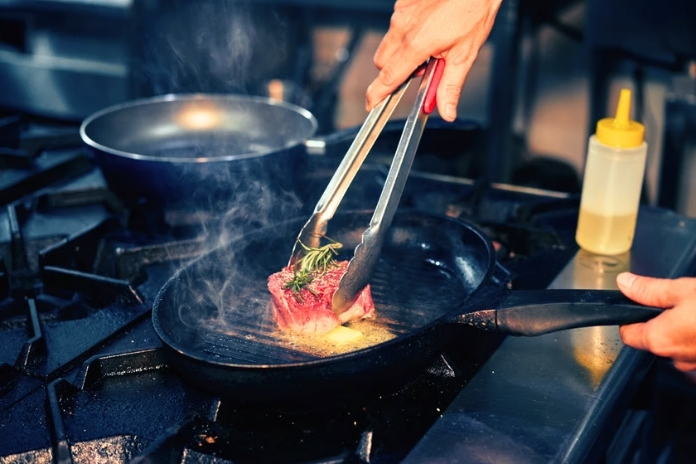
Most nutrition advice focuses on what you eat, but harmful cooking methods are often overlooked. Research shows that how you cook food can create compounds that were not originally present. High-temperature cooking can lead to the formation of acrylamide, advanced glycation end products (AGEs), heterocyclic amines (HCAs), and polycyclic aromatic hydrocarbons (PAHs).
These compounds are linked to inflammation, cancer risk, heart disease, and metabolic problems. This does not mean you need to stop cooking these foods. It means small changes in how you cook can reduce your exposure without losing flavor.
In this article, we will explore five common cooking methods, the harmful compounds they produce, and simple ways to make them safer.
Read More: Best Non-Toxic Cookware: Safe Materials, What to Avoid, and Top Options for Healthy Cooking
- Cooking on high heat can produce harmful compounds such as acrylamide, AGEs, HCAs, and PAHs, which are linked to inflammation and chronic disease.
- The way food is cooked can impact health just as much as the ingredients themselves.
- Simple changes like lowering the heat, avoiding charring, and choosing the right cooking method can significantly reduce these risks without sacrificing flavor.
1. Deep Frying — Two Harmful Compounds in One Method
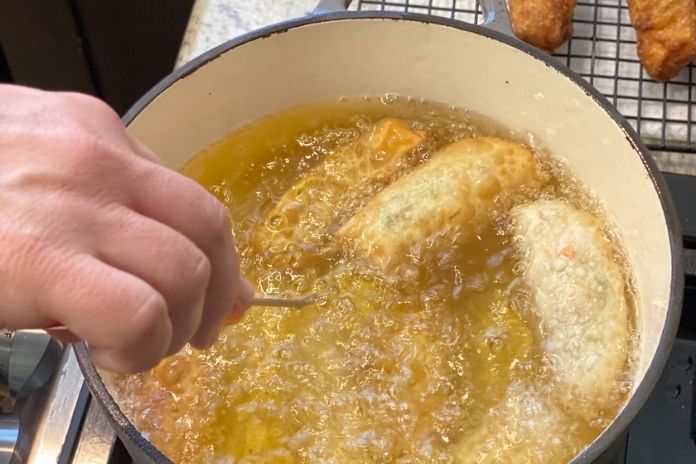
Deep frying is the most chemically active form of cooking. Food is submerged in oil at temperatures typically between 160 and 190°C, which simultaneously drives two harmful compound formation pathways.
Acrylamide forms when starchy foods such as potatoes, bread, and cereals are exposed to high heat. This occurs through the Maillard reaction between asparagine and reducing sugars. Chips, crisps, and fried dough are among the highest dietary sources. Acrylamide is classified as a probable human carcinogen and has been associated with neurotoxicity, inflammation, and metabolic disease with prolonged exposure.
At the same time, Advanced Glycation End Products (AGEs) form when proteins and fats are heated at high temperatures. AGEs accumulate in tissues over time and contribute to oxidative stress and inflammation. They are linked to diabetes, cardiovascular disease, kidney disease, and accelerated aging.
The oil itself plays a major role. The type of oil, frying temperature, and duration all influence the concentration of harmful compounds. Reused oil is significantly worse. Each heating cycle generates new oxidation products, free radicals, and toxic aldehydes, increasing the overall compound load.
The swap: Air frying at lower temperatures (around 160°C rather than 190°C) produces fewer harmful compounds. Baking or oven-roasting with minimal oil produces fewer still. If deep frying, do not reuse oil and choose more stable oils such as avocado oil or refined olive oil.
2. Grilling and Charring Over Direct Flame
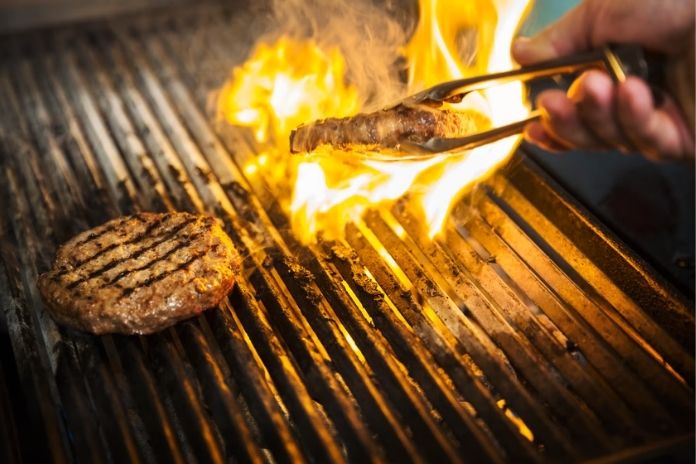
Grilling is widely perceived as a healthy cooking method because it uses less fat and adds flavor. The issue is what happens when meat is exposed to direct flame or very high radiant heat.
Heterocyclic Amines (HCAs) form when amino acids and creatine in muscle meat react at temperatures above 150°C. These compounds are found in well-done and charred meat and are classified as probable human carcinogens.
Polycyclic Aromatic Hydrocarbons (PAHs) form when fat drips onto hot coals or flames, producing smoke that deposits PAH compounds onto the food surface. Charred areas carry the highest concentrations.
Higher temperatures and intense searing increase both HCA and PAH formation, especially in beef.
Practical tips are well supported by evidence. Marinating chicken in milk or beer can reduce HCAs by up to 60.6%. Using turmeric, rosemary, and garlic helps suppress HCA formation in beef, with turmeric showing reductions of up to 69.4%.
The swap: Marinate meat before grilling using herb- and acid-based marinades. Avoid charring the surface. Precook meat in the oven before finishing on the grill to reduce time over direct flame, and remove any charred portions before eating.
3. High-Heat Roasting and Baking Until Dark Brown

Roasting and baking are generally considered healthier alternatives to frying, but the degree of browning can make a significant difference.
Acrylamide forms not only during frying but also during roasting and baking when starchy foods are exposed to high temperatures. Heavily browned toast, dark-roasted coffee, crispy roasted potatoes, and well-cooked baked goods all contain measurable levels of it.
Color is the key indicator. As foods move from golden to dark brown, acrylamide levels increase sharply. This shift reflects a chemical change rather than just a flavor preference.
Food safety guidelines recommend cooking starchy foods to a golden yellow rather than a brown color to minimize acrylamide formation. Vegetables are less affected because they contain lower levels of the compounds needed to form acrylamide.
The swap: Roast and bake foods until golden, not dark brown. Lower the oven temperature and extend cooking time to achieve even cooking with less surface browning.
Read More: Does Cooking Spinach Increase or Decrease Its Iron Content?
4. Cooking With Oil Past Its Smoke Point
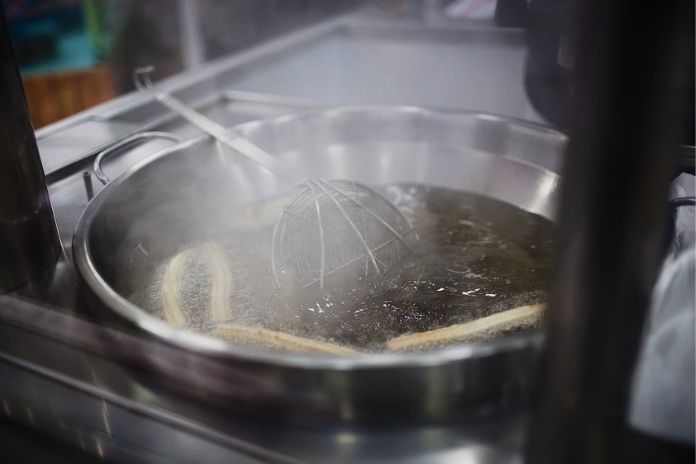
Every cooking oil has a smoke point, which is the temperature at which it begins to break down and produce visible smoke. Cooking beyond this point creates both safety and chemical risks.
When oil exceeds its smoke point, it undergoes oxidation and thermal degradation. This produces acrolein, a toxic aldehyde associated with respiratory irritation and potential DNA damage, as well as free radicals and other oxidation products.
A common mistake is using oils with lower smoke points, such as extra virgin olive oil, for high-heat cooking like stir-frying or searing, as they can burn at or above their smoke point. At these temperatures, the oil degrades before the food cooks properly.
These degraded compounds are absorbed into the food and can also be inhaled through cooking fumes.
The swap: Match the oil to the cooking temperature. Use high-smoke-point oils, such as avocado oil or refined coconut oil, for high-heat cooking. Reserve extra virgin olive oil for low-to-medium heat, finishing, or dressings. Discard oil that has begun to smoke.
5. Prolonged Boiling of Vegetables
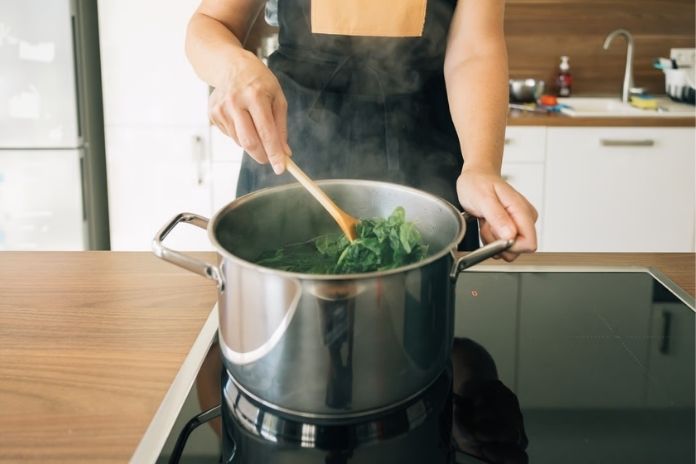
Boiling produces minimal harmful compounds because temperatures remain at or below 100°C. It does not generate acrylamide, HCAs, or PAHs.
However, boiling comes with a different drawback: nutrient loss.
Water-soluble vitamins, such as vitamin C and B vitamins, including folate, thiamine, and B6, leach into the cooking water. The longer vegetables are boiled and the smaller they are cut, the greater the loss. Prolonged boiling can lead to significant reductions in vitamin content.
This does not make boiling unhealthy, but it does mean the method should be used carefully.
The swap: Steam vegetables instead of boiling when possible. If boiling, use minimal water, cook only until just tender, and reuse the cooking water in soups or sauces to retain the nutrients leached from the vegetables.
Read More: Healthy Cooking Made Easy: 10 Must-Have Cookbooks for Hypertension-Friendly Recipes
Conclusion
None of these cooking methods needs to be eliminated. The dose and frequency matter more than occasional exposure. The evidence supports reducing routine exposure through simple changes: cook to golden rather than dark brown, marinate meat before grilling, match oil to temperature, steam instead of prolonged boiling, and avoid reusing frying oil.
The way you cook shapes the nutritional and chemical profile of your food as much as the ingredients themselves.
References
- Dietary exposure to advanced glycation end products and health outcomes. (2024). PubMed Central (PMC).
- Impact of cooking methods on food contaminants and human health. (2024). PubMed Central (PMC).
- Mitigation of heterocyclic amines, polycyclic aromatic hydrocarbons, and acrylamide in air-fried chicken and beef: Effects of cooking methods and marinades. (2024). ResearchGate.
- Effects of grilling and high-temperature cooking on carcinogenic compound formation. (2024). PubMed Central (PMC).
- U.S. Food and Drug Administration. (n.d.). Acrylamide and diet, food storage, and food preparation.
- National Cancer Institute. (n.d.). Chemicals in meat cooked at high temperatures and cancer risk.
- High-temperature cooking and formation of harmful compounds in food. (2022). PubMed Central (PMC).
- Impact of cooking methods on food contaminants and human health. (2024). PubMed Central (PMC).
In this Article