











The gut-brain connection is one of the most intriguing communication channels in the intricately interconnected human body. At the center of this connection lies the vagus nerve, a major nerve that links your brain to key organs, especially your digestive system.
Modern research is becoming increasingly interested in understanding the vagus nerve and gut health, especially in relation to digestion, mood, and general well-being. In this article, we will explore what the vagus nerve is, how it functions, and why it is essential for your health.
- The vagus nerve is the main two-way communication line linking your brain directly to your gut, controlling everything from digestion to your heart rate.
- High stress disrupts this connection, but high “vagal tone” keeps you resilient against anxiety and digestive issues.
- You can naturally boost your vagus nerve health through deep breathing, regular exercise, and solid sleep hygiene.
Read More: Waiting Room Anxiety: Why It Happens and How to Calm Your Nerves Before Appointments
What Is the Vagus Nerve?
The longest nerve in the autonomic nervous system is the vagus nerve. It transmits impulses and information between the brain, the digestive system, the lungs, and other organs as it travels from the brainstem down the neck and into the abdomen.
The gag reflex, decreased heart rate, heat regulation, and blood pressure regulation are just a few of its essential roles that support your nervous system and overall wellness.
However, the vagus nerve’s nerve fibers and branching pathways also contribute to mental health and well-being. Many patients feel anxiety, mood swings, nausea, and discomfort as a result of an overactive vagal response in the vagus nerve caused by traumatic experiences.
High levels of stress and anxiety can also activate the vagus nerve. It can affect the body and intestines when overstimulated, leading to symptoms such as nausea, lightheadedness, and stomach pain. Nonetheless, mild nerve stimulation methods, such as breathing exercises that lower the pulse rate and relax the body, can calm the vagus nerve.
How Do the Gut and Brain Communicate?
The gut-brain connection is very serious; stomach issues may be linked to anxiety and also vice versa. Have you ever experienced something “gut-wrenching”? Do you “feel nauseous” in certain situations? Have you ever experienced “butterflies” in your stomach? There’s a reason we use these kinds of expressions.
The digestive system is emotionally sensitive. Symptoms in the gut can be triggered by a variety of emotions, including anger, worry, grief, and elation. The brain directly impacts the stomach and also the intestines.
For instance, before food reaches the stomach, the mere thought of eating can trigger the release of stomach juices. This relationship is reciprocal. Just as a problematic brain can communicate with the gut, a problematic intestine can communicate with the brain.
Consequently, worry, stress, or depression can either be induced or result from a person’s stomach or intestinal problems. This is due to the close relationship between the gastrointestinal (GI) system and the brain.
The concept of how the vagus nerve works becomes clearer when we look at its bidirectional signaling:
Brain-To-Gut Signals: The brain transmits commands that impact the release of enzymes, digestion, and gut motility.
Gut-To-Brain Signals: The gut communicates information about microbial activity, inflammation, and fullness.
What Functions Does the Vagus Nerve Help Regulate?
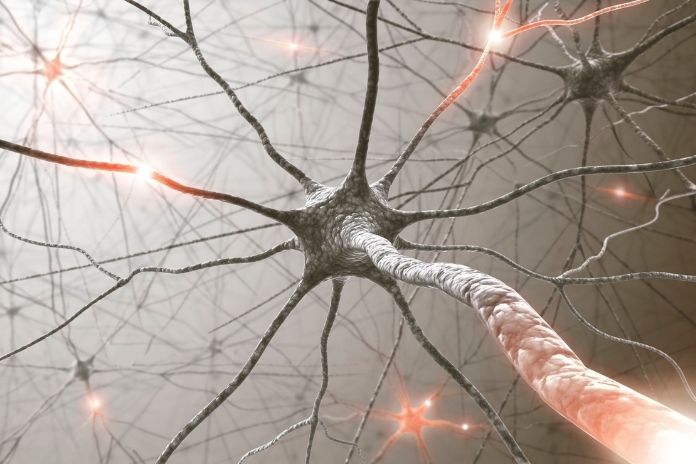
Relaying sensory information from internal organs and sending motor orders from the brain, the vagus nerve plays a significant role in bidirectional communication between the brain and body.
It promotes vital autonomic processes, such as heart rate, digestion, the immune response, and inflammation regulation, as a major regulator of homeostasis.
Mood: The vagus, a crucial part of the parasympathetic neural system, controls how your body reacts to stress. It comes from the brainstem as cranial nerve X and affects the limbic system, which controls mood and emotions.
Expressions of the Face and Voice: The vagus facilitates expressive communication by coordinating with the cranial nerve VII (the facial nerve). Through innervation of laryngeal muscles, it directly modifies the vocal tone and indirectly supports affective and prosodic signaling.
Speech: Together with other cranial and cortical systems, the vagus nerve modulates vocal cord function and synchronizes with respiratory rhythms.
Breathing: The vagus nerve does not directly control the diaphragm, although it is very crucial for autonomic regulation of breathing. The diaphragm’s principal motor supply is the phrenic nerve, which emerges from the cervical spinal cord (C3–C5).
However, by coordinating brainstem circuits that affect parasympathetic output to thoracic organs, such as the nucleus ambiguus and the pre-Bötzinger complex, the vagus nerve modifies breathing patterns.
Heart Rate and Blood Pressure: By releasing specific neurotransmitters that slow the heart rate and promote relaxation, the vagus nerve plays a crucial role in regulating heart rate.
Digestion: The enteric nervous system (ENS), which autonomously controls a large portion of human digestive function, is modulated by the vagus. Vagal efferents affect gut motility, digestive enzyme secretion, and sphincter activity coordination, but the ENS controls many aspects of digestion.
Can Vagus Nerve Function Affect Digestive and Mental Health?
The parasympathetic nervous system (which is also known as “rest and digest”) and our mental health can benefit from the vagus nerve’s regulatory role in controlling vital natural processes, including breathing, heart rate, and digestion.
Stress: By increasing parasympathetic activity and decreasing sympathetic activity (which is also known as the “fight or flight” response), stimulating the vagus nerve can help you feel less stressed overall.
Digestion: Since many of us experience digestive problems under stress or anxiety, activating the vagus nerve can help the digestive system relax, facilitating easier digestion and the subsequent passage of food.
Mental Health: We feel calmer and, consequently, less agitated or anxious the more we can operate in the parasympathetic mode.
Blood Pressure: Through the sympathetic and parasympathetic neural systems, the vagus nerve directly affects our blood pressure. Your blood pressure rises when your sympathetic nervous system (also known as the stress response) is elevated, particularly if your stress is persistent.
Read More: Stimulation Of Optic Nerve Can Help Blind People, New Study Suggests
What Are the Signs of Possible Vagus Nerve Dysfunction?

The vagus nerve may not be functioning properly in several ways. These are:
No Gag Reflex: The pharyngeal reaction, also known as the no gag response, is triggered when something comes into contact with the back of the throat.
Dysphagia: Difficulty swallowing.
Vocal issues: A person may have trouble speaking or have a raspy voice.
GERD: Heartburn and acid reflux from the stomach into the esophagus are symptoms of gastroesophageal reflux disease, or GERD.
Abdominal Bloat: The person feels full quickly and experiences abdominal pain and bloating.
Vomiting and Nausea: The person feels sick to their stomach.
Lack of Appetite: The individual is not experiencing hunger.
Syncope: Vagus nerve dysfunction frequently results in fainting.
Dizziness: Vagus nerve dysfunction can cause dizziness.
What Is Vagal Tone and Why Does It Matter?
In essence, vagal tone is a measure of how well your vagus nerve is functioning. Instead of measuring it directly, we use a technique called heart rate variability (HRV) to approximate it.
Since HRV is a measure of how well your body recovers from stress and if it can reach the rest-and-digest stage to support recovery, you may have also heard it mentioned in fitness recovery.
You may have heard that cardiac vagal tone is an excellent predictor of how well our heart and parasympathetic nervous system are functioning, given the connection between the vagus nerve and the heart.
Low vagal tone is linked to:
- Crohn’s disease with irritable bowel syndrome (IBS)
- Neurological disorders like Parkinson’s disease and epilepsy
- PTSD, anxiety, and depression
- Metabolic conditions like type 2 diabetes
- Hypertension, atrial fibrillation, and cardiovascular disease
Can You Support Vagus Nerve Health?
Nurturing the vagus nerve is crucial because it plays a major role in fostering health and vitality. Vagal tone-supporting lifestyle practices can improve general well-being. These could consist of:
- Engaging in deep breathing techniques and mindfulness meditation
- Participating in regular exercise, like tai chi or yoga
- Fostering meaningful relationships and social ties
- Placing a high priority on stress reduction and good sleep hygiene
- Eating a well-balanced diet high in probiotics, fiber, and minerals that reduce inflammation
Read More: Plant-Based Diets and Heart Health: Benefits, Risks, and How to Start Safely
What Is Vagus Nerve Stimulation?
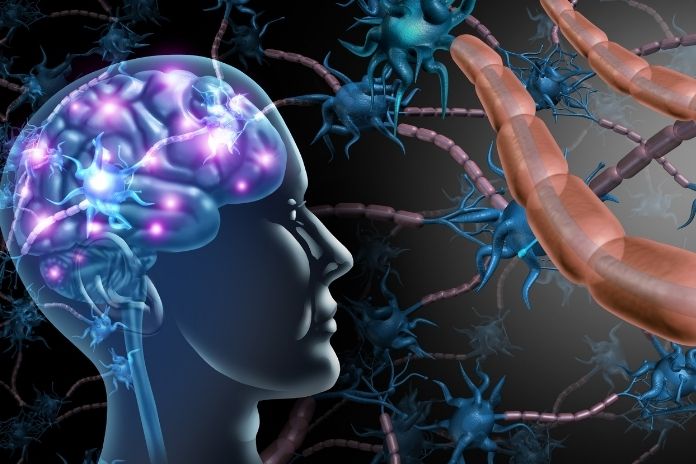
One of the longest nerves in the body, the vagus nerve, receives electrical impulses from devices used in vagus nerve stimulation. This helps regulate the body’s degree or severity of inflammation. As of right now, the FDA has approved it as a treatment for stroke rehabilitation, treatment-resistant depression, and epilepsy.
Additionally, research is underway on its use for more than a dozen other illnesses. You must first comprehend the multiple functions of the vagus nerve in our bodies and its connection to controlling inflammation to comprehend how vagus nerve stimulation might be used to treat a wide range of ailments.
Human brain imaging research has demonstrated that VNS affects activity in the same brain areas affected by depression. Further research on humans and animals has demonstrated that VNS affects serotonin, norepinephrine, and other neurotransmitters involved in mood disorders.
VNS also raises the expression of brain-derived neurotrophic factor (BDNF), a protein linked to stress tolerance and resilience, much like antidepressant drugs do.
When Should You Talk to a Healthcare Professional?
Consult a doctor if you encounter:
- Persistent stomach problems
- Frequent fainting
- Difficulty swallowing
- Unexplained variations in heart rate
- Symptoms related to the nervous system
The gut-brain axis explained shows that many systems are involved. Attributing symptoms solely to the vagus nerve can overlook other important causes.
Read More: Brain Fog & Aging: Can a Whole-Food Plant-Based Diet Improve Early Cognitive Deficits?
Conclusion
Understanding the vagus nerve, explained in simple terms, highlights its vital role in connecting brain and body, particularly through the gut-brain connection. This potent communication channel affects heart rate, digestion, emotional equilibrium, and the body’s reaction to stress.
It is very crucial to understand that the vagus nerve is only one component of a complex biological system, even as research into its interactions with the gut microbiome and overall health continues to expand. Overall, nervous system function can be supported by a healthy lifestyle that includes a healthy diet, stress reduction, and sufficient sleep.
Frequently Asked Questions About the Vagus Nerve
1. What is the main function of the vagus nerve?
The primary vagus nerve function is to control how the brain and internal organs communicate.
2. Can stress affect the vagus nerve?
Yes, chronic stress can influence the vagus nerve and anxiety responses and disrupt normal function.
3. Does the vagus nerve control digestion?
Indeed, the main channel of communication between your brain and your digestive system is the vagus nerve.
4. Can you naturally improve vagal tone?
Vagal tone may be supported by lifestyle choices, albeit individual outcomes differ.
5. Is vagus nerve stimulation safe?
When carried out under medical supervision, vagus nerve stimulation is usually safe.
References
- Feinstein Institutes for Medical Research at Northwell Health. (February 25th, 2025). The vagus nerve.
- Mental Health America. The gut-brain connection.
- Harvard Health. (July 18, 2023). The gut-brain connection.
- Polyvagal Institute. The vagus nerve.
- Give Wellness Co. (2024, April 15). Unraveling the gut-brain connection: The vagus nerve’s impact on health.
- The Neuro Clinic. Vagus nerve and digestion: The gut-brain connection explained.
- Nicola Shubrook. (2025, May 9). The vagus nerve: What is it, and why it matters when it comes to your mental health?
- Ruscio, M. (2026, January 30). What is vagal tone and how to improve yours.
- Neff, M. A. (2022, December 13). How to improve vagal tone for mental and emotional well-being.
- Feinstein Institutes for Medical Research. (October 17th, 2024). Vagus nerve stimulation: What experts need you to know.
- Mental Health America. Vagus nerve stimulation.
In this Article