













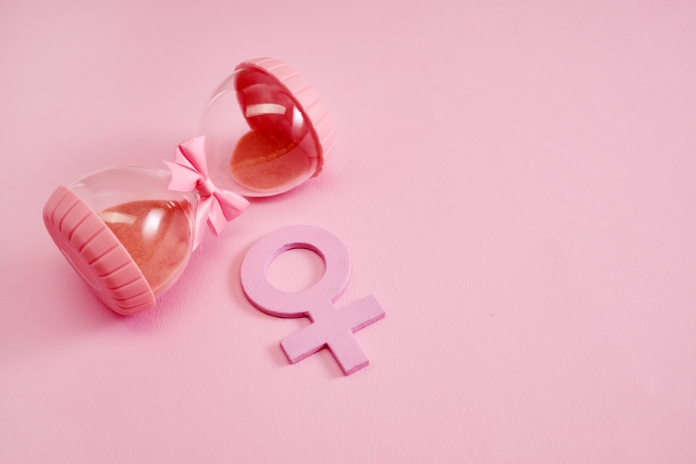
Picture two different moments in the same woman’s life. At fourteen, she’s crying in her bedroom over something she can’t quite explain, her skin has broken out for the first time, and her period showed up three weeks early. At forty-six, she’s crying in her car after a meeting, dealing with a jawline breakout she hasn’t had since high school, and her period just skipped a month entirely. Different decades, eerily similar experience.
This is not a coincidence. Perimenopause vs puberty comparisons keep surfacing because both life stages are governed by the same basic biological force: a reproductive system in transition, driven by hormones that refuse to move in a straight line.
Understanding why perimenopause can feel like puberty in reverse helps explain symptoms that often get dismissed, misattributed, or quietly endured without context. This article walks through the hormonal overlap between these two transitions and what makes perimenopause its own distinct experience.
- Both puberty and perimenopause are driven by unpredictable fluctuations in estrogen and progesterone rather than smooth hormonal changes. These shifts can trigger a wide range of physical and emotional symptoms.
- Irregular periods, mood swings, acne, sleep problems, and fatigue are common in both stages because the reproductive system is undergoing major hormonal recalibration.
- Unlike puberty, perimenopause can cause hot flashes, vaginal dryness, brain fog, declining fertility, and increased risks to bone and heart health.
- Healthy lifestyle habits, including exercise, good sleep, and balanced nutrition, can help ease symptoms. Hormonal and non-hormonal treatments are also available based on individual needs and medical history.
What Is Perimenopause?
Perimenopause is the transitional period leading up to menopause, during which the ovaries gradually produce less estrogen and ovulation becomes increasingly irregular. It is distinct from menopause itself, which is defined as the point reached after twelve consecutive months without a menstrual period.
According to the Mayo Clinic, perimenopause can last anywhere from a few months to as long as 10 years, with the average duration being about four years. Rather than a smooth hormonal decline, this transition is often marked by significant fluctuations in estrogen and other reproductive hormones, which can trigger a wide range of symptoms.
Most women begin to notice perimenopausal changes in their mid-to-late 40s, though the transition can start earlier or later depending on genetics, health history, and lifestyle factors. Some women notice subtle shifts as early as their late 30s.
Timing varies considerably between individuals, and factors such as smoking history, certain autoimmune conditions, and family history of early menopause can shift the timeline earlier. There’s no single “normal” age at which this transition has to begin.
Estrogen levels during perimenopause don’t decline in a smooth curve. They spike and dip unpredictably, sometimes reaching levels higher than a woman experienced in her twenties, only to crash days later. Progesterone, which is produced after ovulation, becomes inconsistent as ovulation itself becomes less regular.
Research published in the Journal of Clinical Endocrinology & Metabolism has shown that the menopausal transition is marked by considerable variability in hormone production and ovarian activity, challenging the notion of a smooth, gradual hormonal decline. These fluctuations can lead to irregular ovulation patterns and help explain why symptoms may appear, disappear, and change in intensity throughout perimenopause.
Read More: 7 Everyday Products That May Be Disrupting Your Hormones
Why Do Perimenopause and Puberty Feel So Similar?
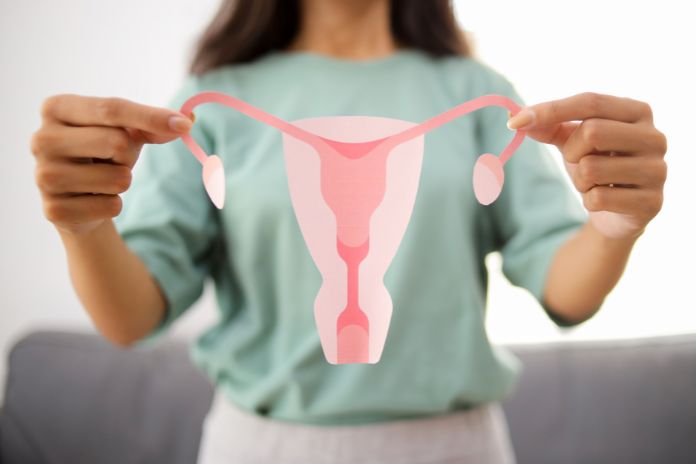
Puberty marks the activation of the reproductive endocrine system; perimenopause marks its gradual deactivation. Both processes require the hypothalamic-pituitary-ovarian axis to recalibrate, and that recalibration produces a similar physiological signature regardless of which direction it’s heading.
Dr. Mary Jane Minkin, clinical professor of obstetrics, gynecology, and reproductive sciences at Yale School of Medicine, has explained that perimenopause is characterized by highly variable hormone production and irregular ovulation, which can make symptoms unpredictable from month to month.
In both life stages, estrogen and progesterone fluctuate rather than rise or fall in a predictable, linear pattern. A teenager’s estrogen levels surge unevenly as her ovaries mature. A perimenopausal woman’s estrogen levels swing widely as her ovarian follicles become fewer and less responsive.
This shared characteristic, variability rather than steady change, is the central reason both groups report similar symptom clusters. The body is reacting to instability itself, not simply to “more” or “less” hormone.
Estrogen receptors exist throughout the brain, not just in reproductive tissue. They influence neurotransmitter activity, temperature regulation, sleep architecture, and mood circuits. When estrogen levels swing unpredictably, as they do in both puberty and perimenopause, all of these systems can be affected simultaneously, producing the constellation of physical and emotional symptoms that make both transitions feel disorienting.
Irregular Periods: A Shared Experience
In the first one to two years after a girl’s first period, cycles are frequently irregular because ovulation hasn’t yet become consistent. Cycle length can vary widely from month to month as the body establishes its reproductive rhythm.
The same underlying mechanism, inconsistent ovulation, drives irregular periods in perimenopause, just from the opposite direction. As the ovaries run low on viable follicles, ovulation becomes sporadic. Cycles can shorten, lengthen, skip entirely, or bring heavier or lighter flow than what a woman previously considered normal.
Research used to develop the STRAW staging system found that persistent changes in menstrual cycle length are among the earliest and most reliable indicators of the menopausal transition, often appearing years before the final menstrual period.
Not all bleeding changes during perimenopause should be assumed to be a normal part of perimenopause symptoms. Heavy bleeding that soaks through protection rapidly, bleeding after sexual intercourse, or any bleeding after twelve consecutive months without a period (which would indicate post-menopausal bleeding) all warrant evaluation by a healthcare provider rather than being dismissed as typical transition symptoms.
Mood Swings, Anxiety, and Emotional Changes
Estrogen interacts directly with serotonin and dopamine pathways in the brain. When estrogen levels fluctuate sharply, as they do during both puberty and perimenopause, these neurotransmitter systems are affected, which can manifest as mood swings during perimenopause, irritability, or heightened emotional reactivity.
Beyond the direct hormonal effect, both life stages carry significant situational stress. Teenagers are navigating identity formation, social pressures, and academic demands. Women in perimenopause are frequently managing careers, aging parents, and children simultaneously, often while sleeping poorly. The hormonal variability amplifies whatever emotional load is already present.
According to Hadine Joffe, MD, MSc, “The three main hormonally linked mood conditions in women are postpartum depression (PPD), premenstrual syndrome (PMS), and perimenopausal depression.” This may help explain why women who have experienced mood symptoms during other periods of hormonal change can be more vulnerable to emotional challenges during perimenopause.
Mood changes that are persistent, severe, or significantly disrupting daily functioning are not something to simply tolerate as an inevitable part of either life stage. Anxiety or depressive symptoms that last most days for two or more weeks deserve a conversation with a healthcare provider, who can evaluate whether hormonal treatment, therapy, or another intervention would help.
Acne, Oily Skin, and Hair Changes
Androgens, a category of hormones present in both sexes, stimulate the sebaceous glands to produce more oil. During puberty, rising androgen levels relative to estrogen drive the oil production responsible for teenage acne. During perimenopause, declining estrogen can leave androgens relatively more dominant even though their absolute levels haven’t necessarily increased, producing a similar effect.
Acne during perimenopause frequently appears along the jawline and chin, a pattern that mirrors the hormonal acne seen in adolescence, though the underlying hormonal ratio driving it differs. This pattern often surprises women who haven’t dealt with breakouts since their teenage years and assumed they were behind them permanently.
The same shift in the androgen-to-estrogen ratio can also affect hair. Scalp hair may thin, while coarser, darker hair growth can appear on the face or chin, a frustrating and often unexpected change. If hair changes are sudden, severe, or accompanied by other symptoms like significant weight change or voice changes, evaluation for thyroid dysfunction or another endocrine cause is appropriate.
Read More: What Causes Random Dark Hairs? Common Reasons and When to Be Concerned
Sleep Problems and Fatigue
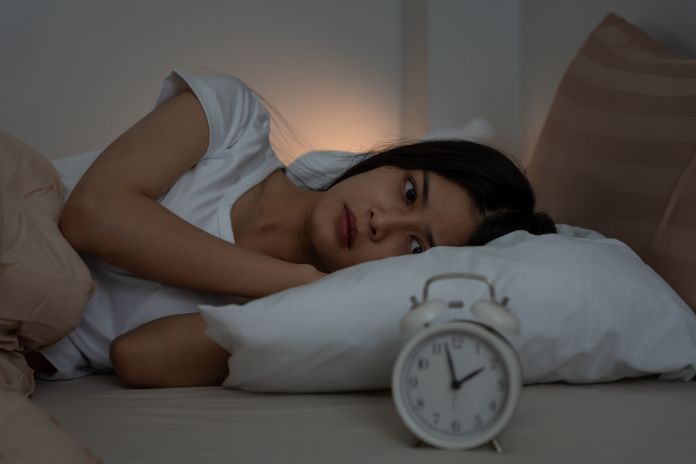
Declining and fluctuating estrogen disrupts the body’s thermoregulatory system, contributing to night sweats that interrupt sleep. Progesterone, which has a mild sedative effect, also becomes less consistent, further undermining sleep quality. The result is a pattern of fragmented sleep that compounds daytime fatigue and mood symptoms.
Adolescents experience a shift in their circadian rhythm during puberty, with melatonin release occurring later in the evening. This biological change, combined with early school start times, creates a chronic sleep debt that has its own well-documented effects on mood and cognitive function, paralleling (though through a different mechanism) the sleep disruption seen in perimenopause.
In both groups, insufficient or fragmented sleep worsens irritability, impairs concentration, and reduces emotional resilience. The sleep-hormone connection runs in both directions: hormonal fluctuation disrupts sleep, and poor sleep further destabilizes mood and hormone regulation, creating a cycle that can be difficult to break without targeted intervention.
Body Changes That Can Occur During Both Life Stages
Hormonal shifts in both puberty and perimenopause influence fat distribution. Puberty typically increases fat storage in the hips and thighs in response to rising estrogen. Perimenopause often shifts fat storage toward the abdomen as estrogen declines, a pattern linked to changes in insulin sensitivity and metabolic rate.
Breast tenderness and tissue changes occur in both stages, driven by fluctuating estrogen and progesterone acting on breast tissue. In puberty, this accompanies breast development. In perimenopause, breast tenderness often appears cyclically and can feel similar to premenstrual symptoms, even when periods have become irregular.
Both groups frequently report fatigue that doesn’t fully resolve with rest. During puberty, this stems from rapid growth and the development of sleep patterns. In perimenopause, fatigue often results from the combined effect of disrupted sleep, fluctuating hormones, and the broader physical demands of midlife.
Symptoms That Are Unique to Perimenopause
Hot flashes are one of the most recognized perimenopause symptoms and have no equivalent in puberty. They result from estrogen’s effect on the hypothalamic thermoregulatory center, which becomes more sensitive to small temperature changes as estrogen fluctuates, triggering sudden sensations of heat, flushing, and sweating.
Declining estrogen reduces vaginal lubrication and elasticity, which can lead to discomfort during intercourse and increased susceptibility to urinary tract infections. This is a perimenopause-specific change that reflects estrogen’s long-term role in maintaining vaginal and urinary tract tissue health.
Estrogen plays a protective role in bone density and cardiovascular health. As estrogen declines during perimenopause, bone loss can accelerate, and cardiovascular risk factors may shift unfavorably. These are long-term physiological changes that have no parallel in adolescent development, where rising estrogen is instead building bone density toward peak levels.
Fertility decreases significantly during perimenopause as the number and quality of remaining eggs diminish, but pregnancy is still possible until menopause is confirmed. This is an important distinction: irregular cycles do not mean ovulation, and therefore conception, cannot occur. Contraception remains relevant throughout perimenopause for women who want to avoid pregnancy.
Why Perimenopause Is About More Than Reproductive Health
Many women report brain fog during perimenopause, including difficulty concentrating, word-finding trouble, and short-term memory lapses.
A large longitudinal study published in Neurology found that women in early and late perimenopause showed measurable declines in verbal memory and reduced improvements in processing speed compared with premenopausal women. These findings support the idea that menopause-related brain fog reflects real cognitive changes associated with the menopausal transition rather than being solely the result of stress, aging, or fatigue.
The loss of estrogen’s cardioprotective effects during perimenopause is associated with changes in cholesterol profiles and increased cardiovascular risk over time. This makes perimenopause a meaningful window for cardiovascular risk assessment, not just reproductive health monitoring. Heart palpitations, in particular, are a common and often alarming symptom during this transition.
Bone density loss accelerates in the years immediately surrounding menopause, making this a critical period for building bone-protective habits. Muscle mass can also decline more rapidly during this transition, which has downstream effects on metabolic rate and physical function if not addressed proactively.
Read More: When Menopause Palpitations Signal a Heart Risk (and What to Monitor Next)
What Can Help Manage Perimenopausal Symptoms?

Consistent sleep schedules, a cool bedroom environment, and stress-reduction practices like mindfulness or breathing exercises can meaningfully ease several perimenopausal symptoms by supporting more stable hormone regulation and reducing the cumulative burden of disrupted rest.
Regular weight-bearing and resistance exercise supports bone density, helps preserve muscle mass, and has documented benefits for mood and sleep quality during the perimenopausal transition.
Adequate calcium, vitamin D, and protein intake become particularly important during perimenopause to support bone and muscle health. Limiting alcohol and caffeine can also reduce the frequency of hot flashes and improve sleep quality for many women. Diet and certain food combinations can sometimes trigger uncomfortable symptoms during this transition.
Hormone therapy remains the most effective treatment for moderate to severe vasomotor symptoms like hot flashes, according to guidance from the North American Menopause Society. Non-hormonal options, including certain antidepressants and newer non-hormonal medications, are also available for women who can’t or prefer not to use hormone therapy. Treatment should always be individualized based on personal health history.
Open communication with family, friends, and a healthcare team that understands the perimenopausal transition can reduce the isolation many women feel when symptoms are dismissed or misunderstood.
Read More: Why Red Wine and Cheese Can Trigger Menopause Heart Flutters (and What to Do About It)
When Should You Talk to a Healthcare Professional?
Bleeding that requires changing protection every hour, lasts longer than seven days, or includes large clots should be evaluated to rule out fibroids, polyps, or other underlying causes.
Mood symptoms that significantly interfere with work, relationships, or daily functioning warrant clinical attention rather than being attributed solely to “just hormones.”
If hot flashes, sleep disruption, or any other symptom is meaningfully reducing quality of life, effective treatments exist and should be discussed rather than endured silently.
A healthcare provider, ideally one with specific training in menopause care, can help weigh personal risk factors against the benefits of hormone therapy or alternative treatment approaches. Every day, environmental exposures can also influence hormonal balance during this transition.
The Takeaway: Hormonal Transitions Can Have Surprising Similarities
Puberty and perimenopause sit at opposite ends of the reproductive lifespan, yet both are defined by the same underlying pattern: hormones that fluctuate unpredictably rather than shift in a straight line. This shared mechanism explains why irregular periods, mood swings, acne, and sleep disturbances show up in strikingly similar ways during both life stages.
Perimenopause also brings changes with no real counterpart in adolescence, including hot flashes, declining fertility, and longer-term effects on bone and cardiovascular health that deserve their own attention.
Recognizing the overlap between perimenopause and puberty doesn’t minimize either experience; it simply offers a useful framework for understanding why these symptoms occur and a reminder that support, whether through lifestyle changes, treatment, or simply a clearer explanation of what’s happening, is available when symptoms become disruptive.
References
- The Menopause Society. (2023). The 2023 nonhormone therapy position statement of The Menopause Society.
- Study of Women’s Health Across the Nation. (2023). Cognition and the menopause transition. SWAN.
- University of California, Los Angeles Health. (2009, May 13). Menopause transition may cause trouble learning. UCLA Health.
- Johns Hopkins Medicine. (n.d.). Can menopause cause depression?
- Brigham Health on a Mission. (2019, February 7). Guidelines on perimenopausal depression recognize vulnerable time in women’s lives.
- Burger, H. G. (1998). Hormonal changes in the menopause transition. Endocrine Reviews, 19(4), 397–428.
- Santoro, N., & Randolph, J. F., Jr. (2011). Reproductive hormones and the menopause transition. Obstetrics and Gynecology Clinics of North America, 38(3), 455–466.
- Greendale, G. A., Karlamangla, A. S., Maki, P. M., et al. (2018). Cognitive changes during the menopause transition. Menopause, 25(11), 1231–1238.
- Minkin, M. J. (2024). Understanding hormones during menopause. Alloy
- Endocrine Society. (n.d.). Hormonal changes during menopause. In Reproductive physiology reference handbook (Vol. 57, Ch. 12).
- Mayo Clinic. (n.d.). Perimenopause: Symptoms and causes.
In this Article