


















A growing body of research suggests that a plant-based diet heart health approach can significantly improve your cardiovascular outcomes. This dietary pattern usually promotes improved blood pressure, cholesterol, and heart health by focusing on fruits, vegetables, whole grains, legumes, nuts, and seeds.
However, while the benefits of a plant-based diet for the heart are promising, adopting this lifestyle requires thoughtful planning to avoid nutritional gaps. This article will discuss what a plant-based diet is, how it promotes heart health, important foods to include, potential hazards, and helpful advice on how to start a plant-based diet.
- Plant-based diets support heart health by improving blood pressure, cholesterol, and weight control.
- Key nutrients like vitamin B12, iron, omega-3s, and vitamin D need careful planning.
- Focus on whole foods and transition gradually for sustainable results.
Read More: Foods to Combine with Your Plant-Based Iron for Better Absorption
What Is a Plant-Based Diet?
A plant-based diet is not just what it sounds like. Plant-based foods make up the majority of the diet, including fruits, vegetables, nuts, seeds, whole grains, and legumes. A plant-based diet is not the same as a vegetarian or vegan diet; you can consume fish, poultry, cattle, eggs, and dairy products, but the majority of your nutrients will come from plant-based foods.
Moreover, a plant-based diet has no predetermined proportion of plant to animal foods; however, it’s a good idea to start with at least two-thirds of each plate (or meal). Plants should be the main focus.
“A plant-based diet is more of an eating pattern than a diet,” says Angela Snyder, wellness dietitian at Houston Methodist. “It emphasizes eating whole fruits, vegetables, and plant-based proteins and grains. It differs from the standard American diet, which prioritizes not just meat but processed foods.”
How Plant-Based Diets Support Heart Health

With good reason, plant-based diets have gained popularity lately. Over the past 10 years, the number of published scientific studies on plant-based diets has tripled, demonstrating the numerous health benefits of this dietary approach.
In fact, based on the findings of two recent studies on eating more plant-based foods, the American Heart Association (AHA) recently revised its recommendations for a heart-healthy diet. What did they conclude? At any age, a plant-based diet can reduce your risk of cardiovascular disease.
Decreased Heart Disease Risk: Research has linked a plant-based diet to a lower risk of heart disease. Heart disease risk factors, like cholesterol and saturated fat, are generally lower in plant-based diets.
Reduce Blood Pressure: A plant-based diet can lower blood pressure, which is a major risk factor for heart disease. Generally speaking, plant-based diets are high in potassium, which lowers blood pressure.
Reduce Cholesterol: A plant-based diet can lower cholesterol, a major risk factor for heart disease. Generally speaking, plant-based diets are high in fiber, which lowers cholesterol, and low in saturated fat.
Weight Loss: Losing weight is another benefit of a plant-based diet that can enhance heart health. Because plant-based foods are usually high in fiber and low in calories, they can help you feel full and also satisfied while consuming fewer calories.
Key Heart-Healthy Foods to Include
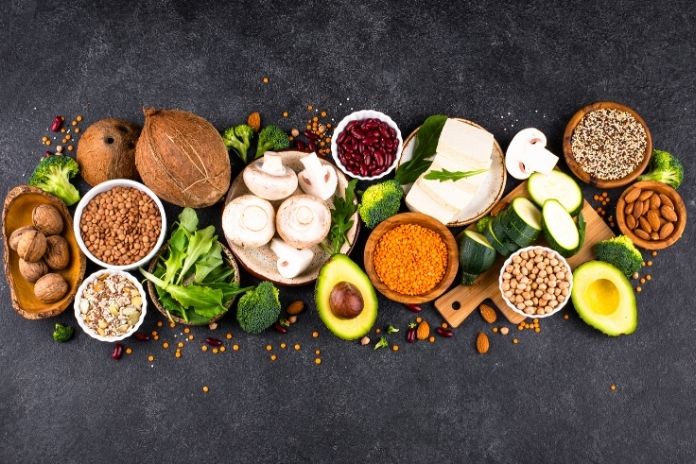
Plant-based protein sources are readily available at the grocery store. Additionally, these meals typically contain significant levels of fiber, vitamins, minerals, and other essential nutrients.
- Legumes and beans
- Broccoli
- Chickpeas
- Edamame
- Lentils
- Nut butter
- Seeds and nuts
- Oats
- Peas
- Quinoa
- Sorghum
- Soymilk
- Spinach
- Tempeh
- Tofu
- Vegetable patties
Read More: The Flexitarian Diet: Balancing Plant-Based and Animal-Based Foods
Potential Nutritional Gaps to Watch For
The physiological, ethical, and environmental benefits of plant-based diets have made them increasingly popular. A diet that is rich in fruit, vegetables, and whole grains reduces the risk of type 2 diabetes, high blood pressure, and heart disease.
Following a plant-based diet, such as a vegetarian or vegan diet, may cause certain vitamin deficiencies if you do not plan carefully, since some nutrients are more commonly found in animal products.
Iron: Iron is necessary for immune system maintenance and oxygen transportation throughout the body. The heme iron in animal-based foods is more readily absorbed than the non-heme iron in plant-based diets.
Vitamin B12: Vitamin B12 is essential for the production of healthy red blood cells and the maintenance of nerve cell activity. It is challenging to get vitamin B12 solely from plant-based diets because it is found only in animal sources.
Omega-3 Fatty Acids: Omega-3 fatty acids support heart and brain health. Many people believe fatty fish is the only source of omega-3s. However, plant foods also provide omega-3s, though people consume them less frequently, and the forms in plants differ from those most strongly linked to health benefits.
Vitamin D: Vitamin D supports the immune system and also bone health, and lowers the risk of bone fractures and several chronic illnesses. Although the body can produce vitamin D when it is exposed to sunlight, only those who spend most of their time indoors, or have darker skin, or reside in regions with little sunlight, may be able to do so.
Egg yolk, fortified dairy products, and fatty fish are the main sources of vitamin D. It might be more difficult to obtain adequate vitamin D from diet alone because plant-based diets usually avoid these foods.
How to Start a Plant-Based Diet (Beginner-Friendly)
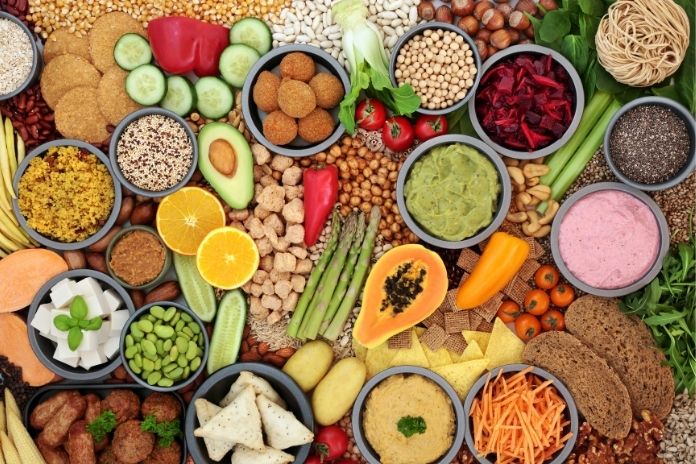
Increasing your intake of plant-based food can be easy and tasty. Here are some pointers to get you going:
Start Slowly: Try eating one plant-based meal a week and work your way up from there.
Try New and Interesting Recipes: Look for plant-based recipes online or in cookbooks.
Stress Whole Foods: Give special attention to whole plant-based foods that have undergone minimal processing, like fruits, vegetables, whole grains, legumes, nuts, and seeds.
Plan Ahead: Make sure you have plant-based options on hand by planning your meals.
Seek Support: To keep on track, enlist the help of friends and family or join a plant-based eating club.
Sample Day of Heart-Healthy Plant-Based Eating
This simple plant-based meal plan for beginners emphasizes balance, variety, and portion awareness:
- Breakfast is oatmeal with almond butter, flaxseeds, and berries on top.
- Lunch would be quinoa salad with mixed veggies, chickpeas, and olive oil dressing.
- Dinner will be steamed veggies and brown rice with lentil curry.
- Snacks include hummus with whole-grain crackers, fruits, and almonds.
Read More: 10 Best Plant-Based Foods for Glowing Skin, Backed by Science
Common Mistakes to Avoid
Dependency on Processed Plant-Based Foods: A common misconception is that all plant-based foods are healthful. However, processed foods can be high in sodium and unhealthy fats, reducing the benefits of a plant-based diet for the heart.
Not Getting Enough Protein or Calories: Inadequate protein or calorie intake might result from a poorly designed diet. It is crucial to incorporate a range of plant protein sources.
Ignoring Micronutrient Intake: Deficiencies may result from neglecting to monitor intake of nutrients such as calcium, iron, and vitamin B12.
Ignoring Salt in Packaged Meals: High salt content can be detrimental to heart health, even in plant-based packaged meals.
Who Should Be Cautious or Seek Guidance
People with Current Medical Issues: Before making significant dietary adjustments, those with long-term medical conditions should consult a healthcare professional.
Pregnant or Nursing Individuals: During pregnancy and lactation, nutritional requirements are higher, necessitating careful preparation.
Children and Older Adults: These populations may require specialized strategies due to their unique nutritional needs.
Can a Plant-Based Diet Reverse Heart Disease?
For over 20 years, there has been talk that a low-fat vegetarian or vegan diet could “reverse” heart disease. Over the past few years, this eating style has become increasingly popular. Although there are many advantages, the reality is more nuanced than what the headlines portray.
While taking prescription drugs and making dietary and lifestyle changes can help delay the progression of coronary heart disease, reversing the condition is a different story. A fairly modest study of 22 participants in the 1980s marked the beginning of research into a stringent, low-fat, plant-based diet.
After adhering to this diet, four patients experienced reversal of their arterial disease. This is intriguing, but more extensive and prolonged research was required to validate the findings. To learn whether a rigorous plant-based diet could prevent or reverse heart disease, a 2014 study examined 198 patients.
Of the 177 patients who followed the diet, most reported a decrease in symptoms, and 22% experienced test-confirmed reversal of illness. However, that study excluded not only animal products but also processed foods, sugar, refined carbs, added oils, excess salt, fruit juice, avocado, and nuts.
Additionally, the care plan included prescribed medicine, and healthcare providers encouraged physical activity.
Read More: Plant-Based Eating and Bone Health: Are You Getting Enough Nutrients?
Conclusion
Adopting a plant-based diet heart health approach can be a powerful step toward improving cardiovascular well-being. People can promote healthier blood pressure, heart function, and cholesterol levels by consuming more whole, nutrient-dense meals and fewer processed ones.
Research has shown that a plant-based diet benefits the heart, but maintaining a balanced intake of vital nutrients like iron, vitamin B12, and omega-3 fatty acids is crucial for success. This lifestyle can be sustainable and productive with careful planning, thoughtful food choices, and a gradual shift.
References
- Columbia University Irving Medical Center. (2022, April 15). What is a plant-based diet, and is it healthy?
- Brown University Health. (2022, February 10). Plant-based diets and your heart health.
- Heart Wellness Group. The benefits of a plant-based diet for heart health.
- American Heart Association. (2024, April 22). Plant-based protein infographic.
- ProVeg International. (2026, February 12). Eating plant-based foods to protect your heart.
- Virtua Health. (2022, January 14). What plant based foods are healthiest for your heart.
- Cardiometabolic Health Congress. (2020, March 17). Benefits of a plant based diet .
- Victoria Taylor, Dietitian. (1 April 2023). Can a plant-based diet ‘reverse’ heart disease?
In this Article