













Getting older does not automatically mean heart disease is waiting around the corner. A lot of people start believing that, though. Blood pressure medicines increase. Walking feels a little harder. Recovery takes longer. Then slowly the idea comes that the heart is simply getting weak because of age.
Real life is usually more complicated than that. Doctors who work with older adults see two very different situations. Some people reach their seventies with surprisingly healthy hearts. Others develop major cardiovascular problems years earlier. Same age group. Very different outcomes.
The reason is that age is only one piece of the picture. Blood pressure, diabetes, cholesterol, smoking history, physical activity, sleep, body weight, medications, and even social isolation all keep affecting the heart for years. Sometimes decades. By the time somebody turns 65, those effects start becoming easier to see.
The encouraging part is that many heart disease risk factors are still modifiable after retirement age. The body does not suddenly stop responding to healthy habits just because somebody celebrated a 65th birthday.
- Heart disease risk increases after 65, but it is not unavoidable.
- Watch blood pressure, cholesterol, blood sugar, and heart rhythm.
- Stay physically active, maintain muscle strength, eat a heart-healthy diet, take medicines correctly, and do not ignore symptoms. Small habits still make a meaningful difference later in life.
Read More: Plant-Based Diets and Heart Health: Benefits, Risks, and How to Start Safely
How Aging Affects the Heart and Blood Vessels
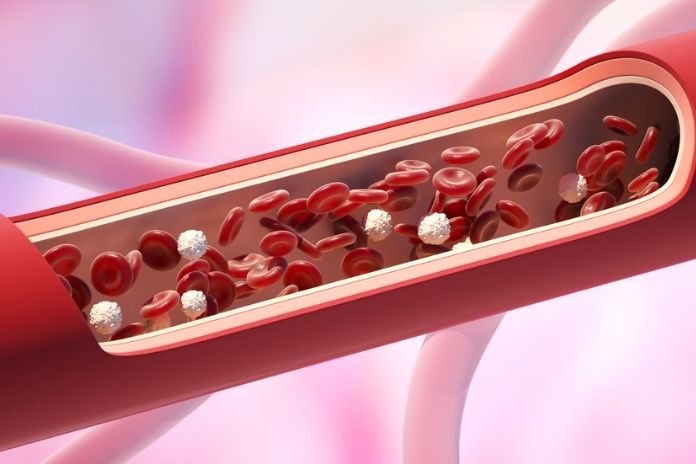
People often imagine the heart becoming old in the same way a machine becomes old. As if the pump simply wears out little by little. That is not exactly how it works. One of the bigger changes actually happens in the blood vessels. Over time, arteries become less flexible. They do not stretch as easily when blood moves through them.
Because of that, the heart may need to push harder to move blood around the body. This partly explains why blood pressure problems become more common in older adults. It is not always because somebody suddenly became unhealthy. Sometimes the plumbing itself has changed.
The heart muscle can change too. The chambers may become slightly stiffer. Recovery after physical activity may take longer. Maximum heart rate often declines with age. But there is an important difference between normal aging and disease. Getting slightly more tired after a long walk is different from becoming breathless while getting dressed.
Taking longer to recover from exercise is different from feeling exhausted after carrying groceries across a room. Many people miss early warning signs because they assume everything is age-related. Sometimes it is not age at all. Sometimes, it is heart disease starting quietly.
Why Heart Disease Risk Increases After Age 65

Heart disease usually does not arrive suddenly at 67 or 72 years old. For many people, the process started years before. Blood pressure stayed a little high. Cholesterol was ignored because there were no symptoms. Physical activity has slowly reduced. Body weight increased. Diabetes remained uncontrolled.
None of these things creates immediate problems. That is partly why they are dangerous. The cardiovascular system keeps collecting the effects. This is why doctors sometimes say age is a risk factor. Not because age itself damages the heart. It is because age gives risk factors more time to do damage.
Family history matters too. Some people inherit a greater tendency toward high cholesterol or heart disease. But genetics rarely explains everything. A person with a strong family history who exercises regularly, manages blood pressure, and does not smoke may have a lower risk than someone with no family history but several uncontrolled risk factors. The calendar and behavior matter too.
Common Heart Conditions in Older Adults

Coronary artery disease remains one of the biggest concerns after age 65. This happens when arteries supplying blood to the heart become narrowed by plaque buildup. Sometimes symptoms appear as chest discomfort. Sometimes breathlessness. Sometimes there are no warning signs until a heart attack occurs.
Atrial fibrillation becomes much more common with age as well. Many people describe it as fluttering, racing, or irregular heartbeats. Some notice symptoms immediately. Others discover it during a routine check-up. Heart failure sounds frightening because of the name. Many people imagine the heart suddenly stopping. That is not what heart failure means.
Usually, it means the heart is no longer pumping blood as efficiently as it should. Fluid may start building up in the lungs or legs. Walking becomes harder. Fatigue becomes common. Valve problems also increase with age.
Heart valves can become thickened or narrowed over time. Sometimes a doctor first notices a heart murmur before symptoms appear. Peripheral artery disease deserves more attention than it gets. Reduced blood flow to the legs can cause pain while walking and may signal wider cardiovascular disease elsewhere in the body.
Heart Attack Symptoms in Seniors May Look Different
This is where many people get caught off guard. Movies have taught everyone to expect severe chest pain, somebody grabbing their chest and collapsing. “This is when you really need to focus on your numbers, because your risk of heart problems is increasing dramatically,” says Dr. John William McEvoy, a cardiologist. Real life is often less obvious, especially in older adults.
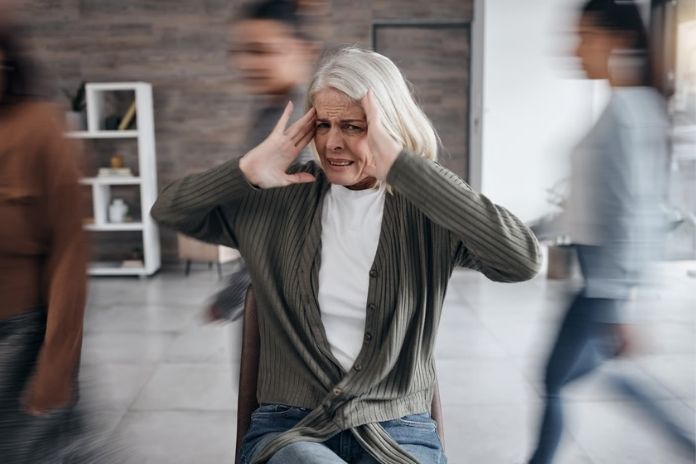
Chest pressure is still common. Pain spreading into the arm, neck, jaw, or back can happen too. But many seniors experience symptoms that look completely different. Sudden weakness. Nausea. Unusual sweating. Breathlessness. Confusion. Dizziness. Extreme fatigue that seems to appear out of nowhere.
Some people simply say they do not feel right. This creates problems because symptoms may be blamed on age, indigestion, tiredness, or another illness. Hours are lost. Any new chest discomfort, severe shortness of breath, unexplained sweating, or symptoms suggesting a heart attack should be treated as an emergency.
Warning Signs of Heart Problems That Should Never Be Ignored
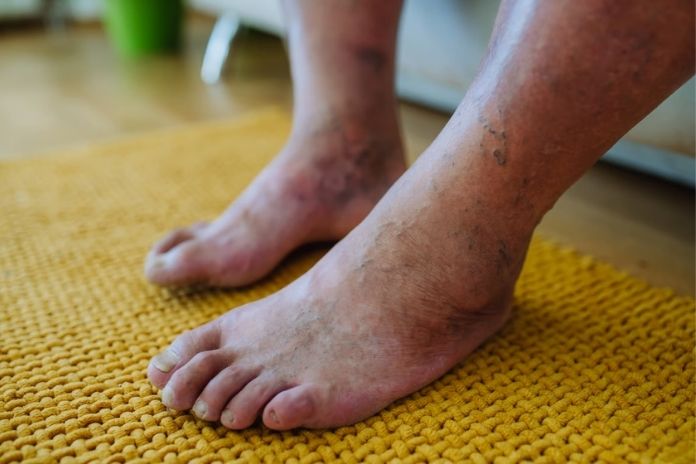
A lot of heart problems do not begin with dramatic symptoms. Many times, it starts with small things people explain away. Getting unusually tired. Needing more breaks while walking. Feeling breathless doing work that was easy a few months back.
Swelling around the ankles by evening is another one. Many older adults think it is just age. Sometimes yes. Sometimes it means fluid is building because the heart is not pumping properly. Dizziness matters too. Passing out definitely matters.
Chest pressure, a squeezing feeling, and heaviness in the chest: these should never be ignored. Even if it goes away. Especially if it comes during activity. The mistake many people make is waiting for symptoms to become severe. By then, the disease is often not new anymore.
The Most Important Heart Health Numbers to Monitor
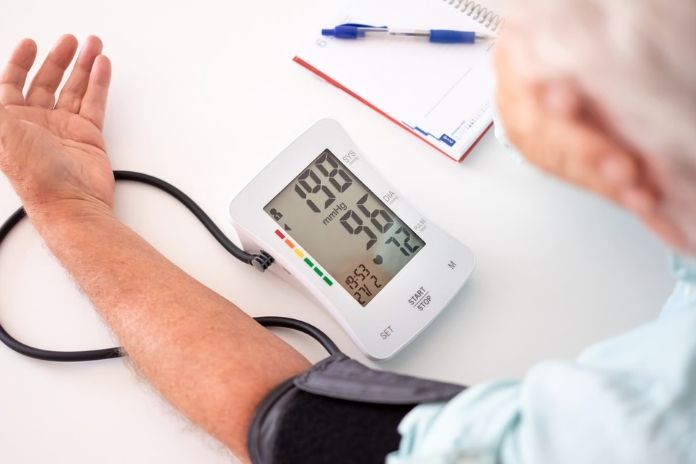
People remember weight because they see it. The important numbers are often the ones people forget. Blood pressure is probably the biggest one. High blood pressure can damage blood vessels for years without causing symptoms.
Blood sugar matters too. Diabetes and heart disease are very closely connected. Sometimes more closely than people realize. Cholesterol also deserves attention. Many people say they feel fine. High cholesterol usually feels like nothing until problems appear.
Heart rate is useful as well. Not just speed but rhythm. Irregular beats, skipped beats, and racing episodes should not be ignored. Targets are different for different people, though. A number that is acceptable for one patient may not be ideal for another.
Nutrition Strategies That Support Heart Health After 65

Heart-healthy eating is usually much less complicated than internet articles make it sound. Most people do not need exotic foods. More vegetables. More fruit. Beans. Whole grains. Fish sometimes. Less ultra-processed food. That is most of the story. Sodium becomes important after 65 because high blood pressure becomes more common.
Many people remove salt from cooking, but forget that packaged foods contain large amounts already. Hydration matters too. Older adults often drink less water than they should. Thirst signals become weaker with age. No single food protects the heart. No superfood either. The overall eating pattern matters much more.
Exercise Recommendations for Older Adults

One of the biggest myths is that older adults should take it easy. Actually, the opposite problem is more common. Many people stop moving because they feel older. Then they become weaker. Then moving becomes harder. Then they move even less.
Walking remains one of the simplest things people can do. Strength training matters too. Muscle loss speeds up after 60, and weak muscles make daily life harder. “Aerobic exercise and resistance training are the most important for heart health,” says Johns Hopkins exercise physiologist Kerry J. Stewart, Ed.D.
Balance exercises deserve attention as well. Falls can change health very quickly in older age. The goal is not athletic performance. The goal is about keeping independence for as long as possible.
Sleep, Stress and Their Impact on Heart Health

Heart health discussions often become all about cholesterol and blood pressure. Sleep gets ignored. Poor sleep affects blood pressure, blood sugar, appetite, and inflammation. Night after night, it starts adding up. Stress works similarly. Not because stress directly causes heart attacks overnight. More because chronic stress changes behavior.
People sleep worse, eat worse, and move less. Loneliness is another factor receiving more attention now. Social isolation has been linked with poorer cardiovascular outcomes in older adults. The heart does not operate separately from the rest of life.
Medications and Heart Health Considerations for Seniors
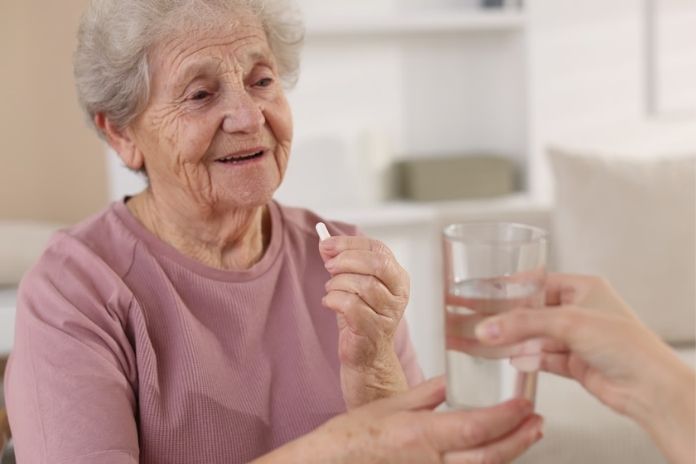
Many adults over 65 take several medications every day. Sometimes the challenge is not getting prescribed medicine. It is remembering them correctly. Missing doses can reduce protection. Taking medicines incorrectly can create new problems.
Side effects deserve discussion too. Dizziness, swelling, fatigue, and changes in heart rate. These things should be reported rather than silently tolerated. Medication reviews are useful because prescriptions often accumulate over the years while health situations change.
Preventive Screenings and Checkups Worth Discussing
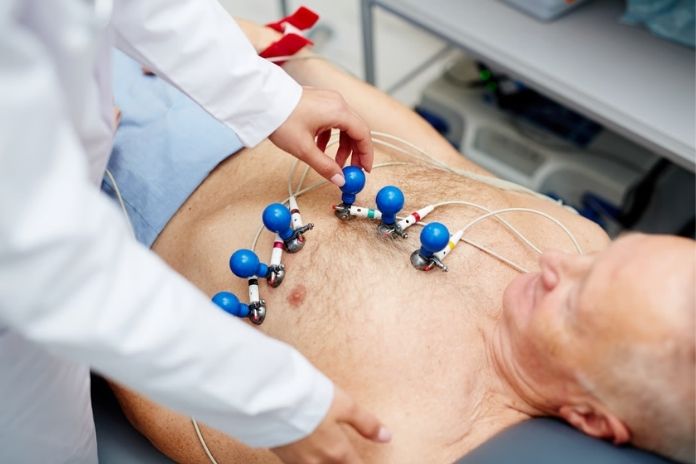
A lot of cardiovascular disease can be detected before symptoms become obvious. Routine blood pressure checks remain important. Blood tests looking at cholesterol, diabetes, and kidney function can provide clues long before somebody feels unwell.
For some people, heart rhythm monitoring may be appropriate if palpitations or irregular heartbeats are occurring. Prevention rarely feels urgent. That is exactly why people postpone it.
Can Heart Disease Be Prevented After 65?

Some people believe prevention stops working after a certain age. Research does not support that. Blood pressure improvements still help. Exercise still helps. Smoking cessation still helps. Better diabetes control still helps.
Benefits may not appear overnight. But they appear. A person improving habits at 70 can still meaningfully reduce cardiovascular risk compared with doing nothing. The body continues responding to positive changes much later in life than many people assume.
Read More: Fiber and Heart Health: Top Sources and Daily Requirements for Better Cardiovascular Protection
Special Considerations for Caregivers and Family Members

Family members often notice changes before the patient does. Reduced activity. More breathlessness. Swollen legs. Missed medicines. Less appetite. These things are easy to miss when seen every day.
Helping with appointments, medication schedules, and physical activity can make a genuine difference. Sometimes the biggest role of family is recognizing that something has changed when the older adult insists everything is normal.
Common Myths About Heart Health and Aging

One myth says heart disease is unavoidable after 65. Not true. Another says exercise is dangerous for older adults. Usually, inactivity is the bigger danger. Many people believe no symptoms means no disease. High blood pressure and high cholesterol prove otherwise.
Another common one is that lifestyle changes no longer matter. They absolutely do. The heart does not stop responding to healthy habits because somebody got older. “Social media is full of conflicting information about heart health,” says Dr. Karthik Gonuguntla, a cardiologist. “For advice you can trust, rely on your doctor for personalized guidance,” he adds.
Final Thoughts
Getting older changes the cardiovascular system. Nobody escapes that part. What people often misunderstand is that aging and heart disease are not the same thing. Many risk factors remain manageable well into later life. Blood pressure can improve. Fitness can improve. Strength can improve. Even after retirement age.
The biggest advantage is usually paying attention early. Small symptoms become easier to deal with than major emergencies.
- Cardiovascular aging and cardiovascular disease are not the same thing. One is natural; the other is often influenced by risk factors accumulated over decades.
- Frailty, muscle loss, and poor mobility can indirectly worsen heart outcomes. Heart health is not only about arteries and cholesterol.
- Many older adults have silent conditions such as hypertension and atrial fibrillation with few or no symptoms.
- Most heart research still focuses heavily on younger populations. More studies specifically involving adults over 75 and 80 are still needed.
- Small, consistent habits usually outperform extreme short-term health plans.
FAQs
1. What is the biggest heart risk after age 65?
High blood pressure is one of the biggest heart risks after age 65. It often causes no symptoms while increasing the likelihood of heart attack, stroke, heart failure, and kidney disease. Regular monitoring and treatment are essential for risk reduction.
2. Can older adults improve heart health?
Yes, older adults can improve heart health through lifestyle and medical management. Regular physical activity, balanced nutrition, smoking cessation, medication adherence, and blood pressure control can significantly reduce cardiovascular risk even when started later in life.
3. How much exercise should seniors do?
Most guidelines recommend seniors perform at least 150 minutes of moderate-intensity exercise weekly. Strength training is also advised to maintain muscle and function. Exercise plans should be adjusted based on individual health conditions, mobility, and medical advice.
4. Is fatigue always a normal part of aging?
No, fatigue is not always a normal part of aging. Persistent tiredness, reduced exercise tolerance, or breathlessness may indicate underlying conditions such as heart disease or heart failure and should be evaluated by a healthcare professional.
5. What heart symptom should never be ignored?
Chest pressure, sudden shortness of breath, fainting, stroke symptoms, or rapidly worsening swelling should never be ignored. These may indicate serious cardiovascular events requiring urgent medical attention and immediate evaluation to prevent complications or life-threatening outcomes.
References
- Chen, Q., Yi, Z., & Cheng, J. (2018). Atrial fibrillation in aging population. Aging Medicine, 1(1), 67–74.
- Gumpangseth, T., Mahakkanukrauh , P., & Das, S. (2019). Gross age-related changes and diseases in human heart valves. Anatomy & Cell Biology, 52(1).
- Kohn, J. C., Lampi, M. C., & Reinhart-King, C. A. (2015). Age-related vascular stiffening: causes and consequences. Frontiers in Genetics, 06(112).
- NIH. (2025, September 24). High cholesterol: Learn More – Familial hypercholesterolemia (FH). Institute for Quality and Efficiency in Health Care (IQWiG).
- Suman, S., Biswas, A., Kohaf, N., Singh, C., Johns, R., Jakkula, P., & Hastings, N. (2023). The Diabetes-Heart Disease Connection: Recent Discoveries and Implications. Current Problems in Cardiology, 48(11), 101923.
In this Article