












Many people still judge a workout by one thing only. The next morning, are your legs hurting? Then it was a good workout. Cannot sit properly after squats? Then it was an excellent workout. No soreness? Then the workout must have failed.
The problem is, the body does not work like this. Some of the strongest people in the gym wake up the next day feeling almost normal. Some people get sore after a simple hike because they did something new.
Soreness tells one story only. It does not tell the full story. A workout can be highly effective even when there is almost no soreness. And sometimes a workout that leaves you completely broken for three days was actually not very productive at all. So if soreness is not the answer, what should you look for?
- Soreness is one of the least reliable signs of workout effectiveness.
- Better indicators include training in the correct heart rate zone, muscle fatigue during the workout, progressive overload, improved sleep, good energy levels, and better performance over time.
- Mild soreness can happen, especially after new exercises, but long-term improvements in strength, endurance, and recovery tell you far more about whether your workouts are actually working.
Read More: Banana vs. Sweet Potato Before a Workout: Which Fuels You Best in 30 Minutes?
Sign 1: You Hit the Target Heart Rate Zone for Your Goal
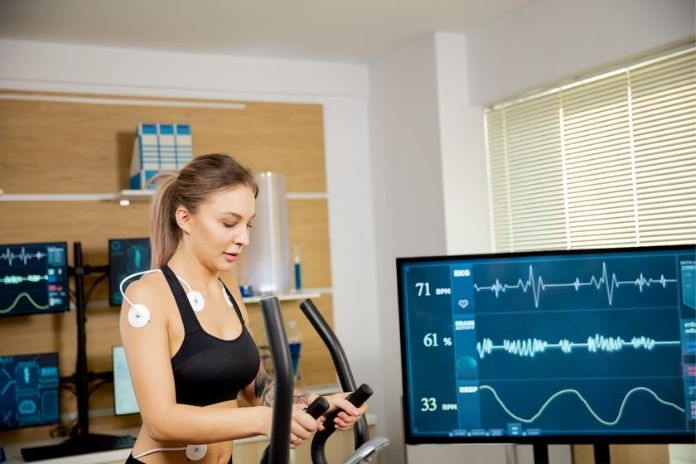
A lot of people ignore heart rate completely. They walk into the gym, do random exercises for 45 minutes, leave sweating, and then assume something useful happened. Maybe it did. Maybe not. Heart rate gives a much clearer picture of what was actually happening inside the body.
If your goal is improving endurance and overall cardiovascular fitness, spending time around Zone 2 or Zone 3 matters. If your goal is HIIT training or improving work capacity, then periods in Zone 4 or even Zone 5 may be needed. This is why two people can both spend one hour exercising and get completely different results.
One person might spend most of that hour scrolling between sets, barely raising their heart rate. Another might spend thirty minutes consistently in the correct zone. Same gym. At the same time. Different training effect. Nowadays, watches and fitness trackers make this easy. Not perfectly accurate always, but accurate enough.
If your heart rate stayed in the range that matches your goal for meaningful periods, your body received a training signal. That is real evidence. Much more useful than checking how stiff your legs feel tomorrow morning.
Sometimes people finish a cardio session feeling surprisingly fresh. Then they see the data and realize they spent forty minutes exactly where they needed to be. That workout worked even if there is no soreness later.
Sign 2: Your Muscles Felt Fatigued and Pumped During the Session
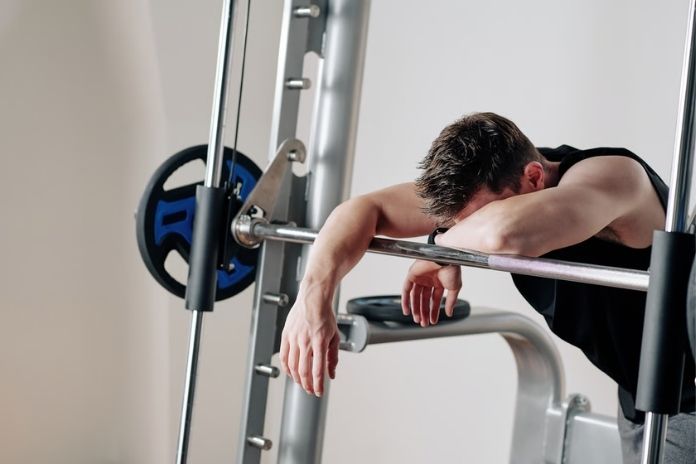
This one is often overlooked because people focus too much on the after-effects. The better question is what happened during the workout. Did the target muscles actually work? Near the end of a good set, muscles should start feeling tired. Not injured. Not painful. Just genuinely challenged.
If you are doing rows, the back should feel like it is working. If you are doing squats, the legs should feel loaded. Sounds obvious, but many people spend years moving weights without really training muscles. A muscle pump is another useful sign. The pump is temporary. Muscles feel fuller, tighter, and sometimes bigger immediately after training.
The pump itself does not build muscle. Many people misunderstand that part. But it usually means blood flow increased, metabolites accumulated, and the muscle was actively involved in the exercise. It’s a good sign. Especially when combined with fatigue near the end of working sets.
A Simple Test: Finish a set and ask yourself honestly: “Could I have done ten more reps?” If the answer is yes, the effort was probably too low. If the answer is maybe two or three more reps at most, now you are getting somewhere. Muscles respond to challenge. Not counting.
Sign 3: Your Performance Improved Compared to Last Time
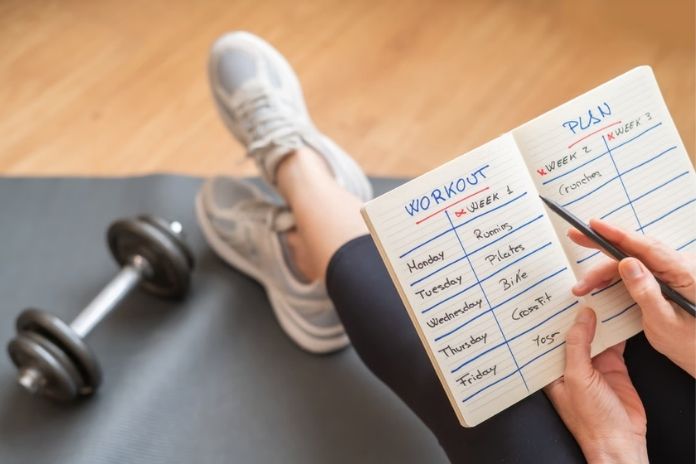
This is probably the most important sign. Also, the one most people ignore. People remember soreness. They remember sweat. They remember feeling exhausted. They rarely remember numbers. If last month you could squat 40 kg for 8 reps and now you can do 50 kg for 8 reps, something has improved.
If you could walk only twenty minutes before feeling tired, and now you can comfortably walk forty minutes, something has improved. If you used to need three breaks during a workout and now need only one, something has improved. That is workout effectiveness. It’s adaptation. The body changed because of the training stimulus.
Many people chase excitement instead of progress. Every workout is different. Every session is random. Every exercise has changed. Then they wonder why the results are slow. Progressive overload sounds like boring fitness terminology, but it is basically the answer to most training questions. The body adapts when demands gradually increase.
Slightly more weight. Slightly more reps. Slightly more distance. Slightly better pace. These small improvements accumulate. A training log may look boring. Actually, it is one of the best fitness tools available. Because six months later, you can clearly see whether workouts are working. Your soreness cannot tell you that. But your notebook can.
Sign 4: You Slept Better That Night

This surprises many people. Sleep is one of the most underrated workout feedback systems. A properly challenging workout often improves sleep quality later. You may fall asleep faster. You may wake up less during the night. You may feel that sleep was deeper.
This happens because exercise affects several systems together. Physical activity increases energy expenditure. It influences body temperature. It affects stress hormones. It builds sleep pressure throughout the day.
People often think workout success is measured only inside gym walls. Actually, some signs appear hours later. Good sleep after training is one of them. But there are exceptions. Very intense evening workouts sometimes make sleep worse in certain people.
Too much caffeine before training can interfere. Overtraining can interfere too. But when exercise is appropriate for your current fitness level, sleep often improves. Many people notice this before they notice physical changes. The first benefit is not bigger muscles. The first benefit is simply sleeping like a normal human again. That matters.
Sign 5: You Had Good Energy Later That Day or the Next Morning

People often assume a workout should destroy them. Not true. A workout is supposed to build capacity, not constantly empty the tank. After a good training session, many people feel surprisingly energetic. Not always immediately. But later.
Your mind feels clearer. Mood improves. Energy becomes more stable. Work feels easier. Focus improves. This happens because exercise influences brain chemistry in ways that go far beyond calories burned.
There are effects on mood, stress regulation, concentration, and mental energy. When intensity is appropriate, exercise tends to create energy rather than drain it. Now compare that to another situation.
You finish a workout. Need to lie down for three hours. Cannot focus. Mood terrible. The entire next day feels ruined. That is not automatically proof of a productive workout. Sometimes it simply means recovery capacity was exceeded. People confuse exhaustion with effectiveness. They are not the same thing. The best sessions often leave you feeling worked, not wrecked. There is a difference.
Sign 6: Your Breathing Was Appropriately Challenged

For cardio sessions, especially, breathing gives valuable information. No fancy equipment needed. Just pay attention. During easy aerobic work, you should still be able to talk. Maybe slightly harder than normal.
But conversation remains possible. As intensity rises, talking becomes harder. You can say short phrases, but not fully comfortable sentences. At very high intensity, speaking becomes almost impossible. This is why the talk test remains useful despite all modern technology. It reflects what your cardiovascular system is experiencing.
Some people spend an hour on a treadmill while barely increasing their breathing rate. Technically, movement happened. The training effect was probably small. If the goal was cardio improvement, the cardiovascular system needs a challenge. Not suffering. Not gasping. Just a challenge. Breathing tells you whether that happened.
Sign 7: You Noticed Controlled, Not Extreme, Soreness 24–48 Hours Later
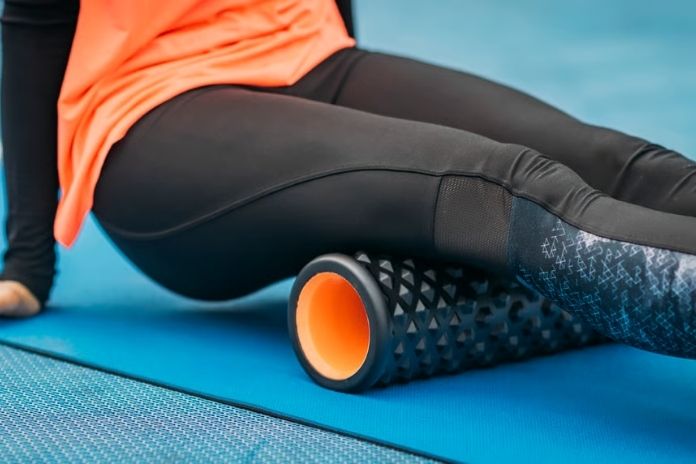
Soreness is not useless. It is just misunderstood. Mild soreness after trying a new exercise, increasing load, or returning after a break is completely normal and actually expected. Muscles experienced something unfamiliar.
“You have some shortening muscle contractions, but you also usually have some lengthening contractions, and it’s those lengthening contractions that cause the soreness,” Dr. Shona Halson, a senior recovery physiologist, said.
The body is adapting, which is normal. But there is a big difference between mild soreness and feeling damaged. Many people almost celebrate being unable to walk downstairs. That should not be the goal.
If soreness is so severe that normal movement becomes difficult, recovery was probably pushed too far. Likewise, if pain appears immediately after exercise, that is not typical muscle soreness. Pain, swelling, bruising, sharp discomfort, and a different discussion entirely.
One more important thing: Experienced exercisers often become less sore over time. Their muscles adapt. Recovery improves. Movement patterns become familiar. Yet muscle growth and fitness improvements continue.
This is where many beginners get confused. “No soreness means no gains.” It’s not true. No soreness may simply mean the body has become efficient at recovering. Which is actually a good thing.
Read More: Best 4-Day Workout Split: How to Train for Muscle, Strength, and Recovery
What Soreness Actually Tells You and What It Does Not

DOMS, or delayed onset muscle soreness, usually appears a day or two after exercise, especially after eccentric movements. That means lowering phases. Lowering into a squat. Lowering a dumbbell and running downhill.
“Delayed onset muscle soreness is associated most with eccentric exercises, where you’re putting a load on a muscle while lengthening it, such as when you stretch out your arm after a bicep curl,” says Dr. Eric Chen, a UW Medicine physiatrist who specializes in sports medicine.
These actions place unique stress on muscle fibers. The result can be soreness. But soreness mostly tells you one thing. The body encountered a stimulus that it was not fully adapted to. It does not measure workout quality. It does not measure calorie burn. It does not measure muscle growth. It definitely does not measure future results. Interestingly, older adults often experience less soreness than many people expect.
Highly trained people also experience less soreness from workouts that would leave beginners aching. The muscles simply become better at handling the work. This is why soreness is such a poor scorecard. Novelty creates soreness. Progress creates results. The two overlap sometimes.
Read More: Benefits of Eating Dates Before a Workout: Energy, Performance, and Timing Explained
Conclusion
The best sign your workout was effective is not what happens the next morning. It is what happens next month. Are you stronger? Can you do more reps? Is your recovery improving? Does your heart handle the same workload more easily? Those things matter.
Soreness can appear after a great workout. It can also appear after a bad one. It is background information, not the final verdict. Real progress is measured through performance, capacity, and recovery over time. That is where the real answers are.
- The body adapts to what it measures repeatedly. Unfortunately, most people measure soreness and ignore performance.
- Heart rate data is useful, but researchers still debate the exact zone distribution that produces the best long-term health outcomes for different age groups.
- Recovery quality may be a better indicator of workout success than workout suffering. This area is receiving increasing research attention.
- Progressive overload remains the one concept that survives almost every fitness trend. New workouts appear every year, but adaptation principles stay the same.
- One major research gap still exists around individual response. Two people can do identical workouts and experience very different soreness, recovery, and adaptation patterns.
FAQs
1. Does no soreness mean your workout was not effective?
No, lack of soreness does not mean your workout was ineffective. Muscle soreness mainly reflects unfamiliar or eccentric loading. Strength gains, improved endurance, and progressive overload are more reliable indicators of an effective workout than post-exercise soreness alone.
2. How do you know if you lifted heavy enough?
You lifted heavy enough if the final repetitions of each set feel challenging and require effort. Training close to fatigue stimulates adaptation. Consistently tracking weights and repetitions and gradually increasing them is a practical way to ensure adequate training intensity.
3. Is being really tired after a workout a sign that it was effective?
No, extreme fatigue after a workout is not a reliable sign of effectiveness. Mild tiredness is expected, but severe exhaustion may indicate excessive training stress. Effective workouts improve performance over time without causing persistent fatigue or impairing recovery.
References
- Alnawwar, M. A., Alraddadi, M. I., Algethmi, R. A., Salem, G. A., Salem, M. A., & Alharbi, A. A. (2023). The effect of physical activity on sleep quality and sleep disorder: A systematic review. Cureus, 15(8).
- Basso, J. C., & Suzuki, W. A. (2017). The Effects of Acute Exercise on Mood, Cognition, Neurophysiology, and Neurochemical Pathways: a Review. Brain Plasticity, 2(2), 127–152.
- Cheung, K., Hume, P. A., & Maxwell, L. (2012). Delayed Onset Muscle Soreness. Sports Medicine, 33(2), 145–164.
- Childs, E., & de Wit, H. (2014). Regular exercise is associated with emotional resilience to acute stress in healthy adults. Frontiers in Physiology, 5(161).
- Neufeld, E. V., Wadowski, J., Boland, D. M., Dolezal, B. A., & Cooper, C. B. (2019). Heart Rate Acquisition and Threshold-Based Training Increases Oxygen Uptake at Metabolic Threshold in Triathletes: A Pilot Study. International Journal of Exercise Science, 12(2), 144–154.
In this Article