



















Early satiety means feeling full after eating only a small amount of food. It is a medical symptom, not just a small appetite. It usually points to an underlying condition affecting how the stomach fills or empties. If it is not addressed, it can lead to nutrient deficiencies and weight loss.
The most common cause is gastroparesis. When it occurs with unexplained weight loss, nausea, or pain, it needs prompt medical evaluation.
- Early satiety means feeling full after eating only a small amount and is usually a symptom of an underlying digestive or medical condition.
- The most common causes include gastroparesis, functional dyspepsia, GERD, structural issues, and certain medications that slow stomach emptying.
- If it persists or occurs with symptoms like weight loss, nausea, or difficulty swallowing, it needs prompt medical evaluation.
Read More: Is Your Bloating Really Celiac Disease? The 3 Tests to Take Before Ditching Gluten
What Early Satiety Actually Means and Why It Is Not Just a Small Appetite
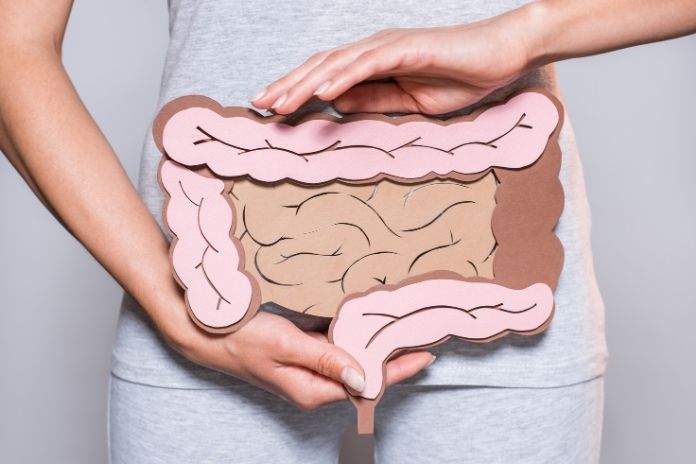
Early satiety describes a pattern where you start eating normally but feel full very quickly, often after only a few bites. You may still feel hungry at the beginning of a meal, but the sensation of fullness appears too early and prevents you from eating enough.
This is different from having a naturally small appetite. In early satiety, the body is sending fullness signals sooner than it should. Under normal conditions, the stomach expands as food enters, and this stretching sends signals to the brain that gradually build a feeling of fullness. This process helps ensure that you eat enough before stopping.
In early satiety, that system is disrupted. The stomach may not expand properly, food may stay in the stomach longer than normal, or the communication between the stomach and brain may not work as it should. In some cases, something outside the stomach may be limiting its ability to expand. People with early satiety often notice other symptoms as well.
Individuals may feel bloated or uncomfortable after small meals or experience nausea during or after eating. Some describe a heavy or pressured feeling in the upper abdomen even when they have eaten very little. If this happens regularly and continues for more than two weeks, it should not be ignored. It is a symptom that usually has an underlying cause.
The Most Common Causes of Feeling Full Quickly
Gastroparesis: The Leading Cause
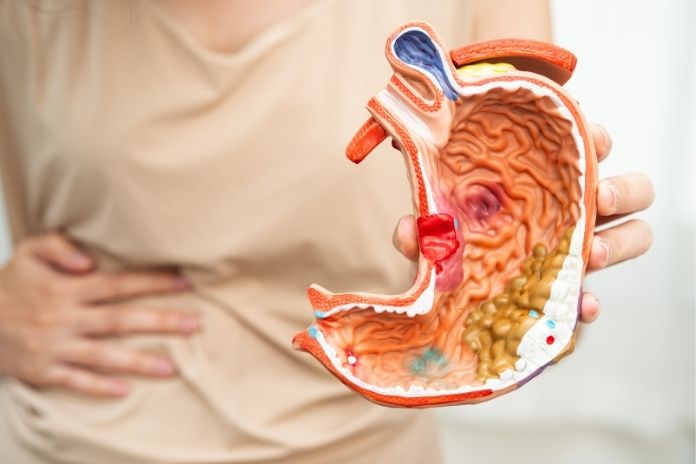
Gastroparesis is the most common cause of early satiety. It occurs when the stomach muscles do not move food forward as they should. Because of this, food stays in the stomach longer than normal.
When the stomach empties slowly, it fills up quickly and stays full for a longer time. This leads to early fullness, nausea, and a reduced ability to finish meals. People often feel as if food is sitting in their stomach for hours.
Diabetes is one of the most common causes of gastroparesis. Over time, high blood sugar levels can damage the nerves that control stomach movement. About twenty to thirty percent of people with diabetes may develop this condition.
Gastroparesis can also develop after infections, surgery, or certain medications. Drugs such as opioids and GLP-1 receptor agonists like semaglutide can slow stomach emptying and produce the same effect.
Functional Dyspepsia
Functional dyspepsia is another common reason for feeling full quickly. In this condition, tests do not show any structural abnormalities, but symptoms remain. The issue lies in how the digestive system functions.
The stomach may be more sensitive to stretching, or the coordination between digestion and brain signals may be altered. This leads to early fullness, discomfort, and sometimes a burning sensation in the upper abdomen.
The course of functional dyspepsia varies. Some people improve over time, while others continue to have symptoms for years. A portion of patients may later develop related conditions such as irritable bowel syndrome or reflux disease.
GERD and Peptic Ulcers
Gastroesophageal reflux disease and peptic ulcers can also cause early satiety. Both conditions create irritation in the upper digestive tract, which can trigger a feeling of fullness sooner than expected.
In GERD, stomach acid flows back into the esophagus, causing burning and discomfort. In peptic ulcers, sores form in the lining of the stomach or upper intestine, leading to pain and nausea.
Certain habits can make these conditions worse. Large meals, fatty foods, alcohol, and lying down soon after eating can increase discomfort and make the sensation of fullness appear earlier.
Structural Causes such as Masses and Compression
In some situations, the stomach cannot expand properly because something is pressing on it. This reduces the space available for food. Possible causes include tumors, cysts, or enlarged structures within the abdomen.
Even if digestion itself is normal, this physical limitation can make a person feel full after a small amount of food. Because of this, persistent early satiety without a clear explanation often requires imaging tests to rule out structural causes.
Medications

Certain medications can slow down the movement of food through the digestive system or affect how the stomach functions. This can lead to early satiety. Opioid pain medications are a common cause because they reduce gut motility. GLP-1 receptor agonists such as semaglutide and tirzepatide are also known to delay stomach emptying. as part of their effect.
Some antidepressants, blood pressure medications, and anticholinergic drugs can have similar effects. When medication is the cause, symptoms may improve if the treatment is adjusted, but this should always be done with medical guidance.
Read More: 15 Foods to Eat When Your Sick and Don’t Have an Appetite
When Feeling Full Quickly Is a Red Flag: Symptoms That Require Prompt Evaluation

Early satiety should always be discussed with a doctor, but certain situations require quicker attention. Unexplained weight loss is one of the most important warning signs, especially if more than 5% of body weight is lost over six months. Symptoms that worsen over time rather than remain the same also need evaluation.
Vomiting, blood in the stool, or black stools are urgent warning signs and should not be ignored. Difficulty swallowing may point to a problem in the esophagus rather than the stomach.
Persistent nausea along with early satiety increases the likelihood of a motility disorder such as gastroparesis or a structural issue. These features raise concern for more serious conditions and require a timely medical assessment.
How Doctors Diagnose the Cause of Early Satiety

Doctors begin by looking for structural problems before diagnosing functional conditions. An upper endoscopy is often the first test. It allows direct visualization of the esophagus, stomach, and upper intestine to check for ulcers, inflammation, or abnormal growths.
A gastric emptying study is used to diagnose gastroparesis. This test measures how quickly food leaves the stomach over several hours. Imaging tests such as ultrasound or CT scan help identify masses, cysts, or other structural causes that may be compressing the stomach.
Testing for Helicobacter pylori infection is also common, as this bacterium is linked to ulcers and dyspepsia. Blood tests may be done to check for anemia, thyroid problems, diabetes, and inflammation. This step-by-step approach helps ensure that serious causes are not missed.
What Helps Manage Early Satiety While Awaiting or Undergoing Treatment
While the cause is being identified or treated, certain changes can help reduce symptoms. Eating smaller meals more frequently can make it easier for the stomach to handle food. Choosing foods that are lower in fat and fiber may also help, since both slow stomach emptying. Eating slowly and chewing well can reduce discomfort.
Remaining upright during and after meals allows gravity to support digestion. Lying down too soon after eating can worsen symptoms and should be avoided for at least two hours. These steps can improve comfort, but they do not treat the underlying condition. Medical evaluation remains important, especially when warning signs are present.
Read More: 13 Effective Ways To Increase Your Appetite For a Healthier Body
Conclusion
Feeling full after only a few bites is not something to overlook. Early satiety is a medical symptom that can affect nutrition and overall health over time. Its causes range from common conditions such as reflux and functional dyspepsia to more serious problems like gastroparesis or structural issues.
If it lasts more than two weeks or appears with warning signs, it is important to see a doctor for proper evaluation and treatment.
In this Article