














The words “root canal” often evoke fear, but the truth is quite different from the myth. This routine technique is now a safe, efficient, and reasonably comfortable way to save damaged teeth thanks to modern dentistry.
In this article, we’ll explore the root canal procedure what’s a root canal, the root canal procedure, does the process hurt, the warning signs, recovery process, and how it compares to extraction. You’ll also learn about common myths and how to protect your oral health moving forward.
- Root canal removes infected pulp, relieves pain, and saves your natural tooth.
- The procedure is usually painless with modern anesthesia similar to a filling.
- Early treatment prevents complications and avoids tooth extraction.
Read More: Knocked-Out Tooth First Aid: How to Save a Permanent Tooth
What Is a Root Canal?
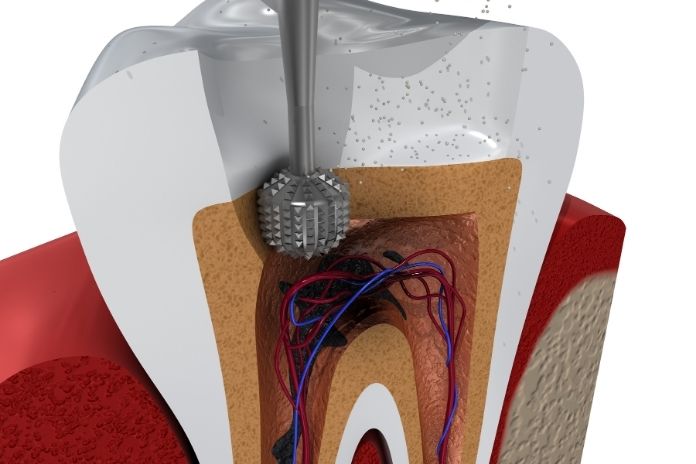
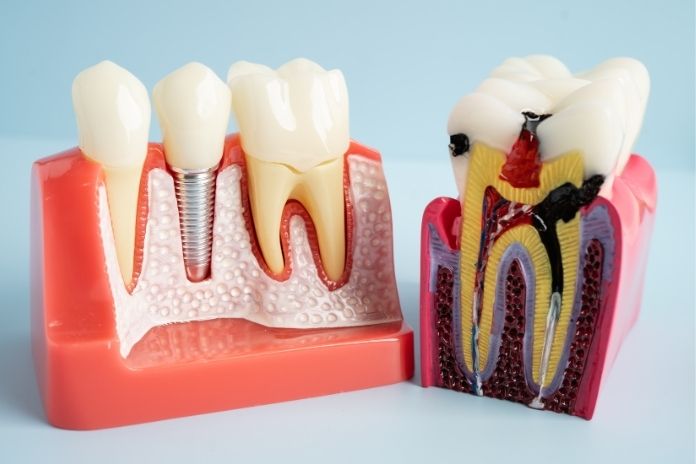
Root canal is a dental procedure which involve removing the inflammatory or the infected pulp from inside of tooth, cleaning and disinfecting it, filling it, and sealing it. The goal of root canal therapy is to eradicate the bacteria from infected root canal, prevent reinfection, and preserve the original tooth.
Even though the word “root canal” may sound scary, the procedure is as predictable and comfortable as possible thanks to current anesthesia, imaging, and cutting-edge procedures. The majority of cases are finished in a single, two-hour visit and offer long-lasting relief.
If your dentist or endodontist recommend a root canal operation to treat diseased or damaged tooth, you shouldn’t be concerned. This method relieves discomfort and restores the health of millions of teeth every year.
A soft tissue called pulp lies inside your tooth, beneath white enamel and a hard layer called dentin. The blood arteries, nerves, and the connective tissue found in this tissue aid in growth of your tooth’s root. Because the surrounding tissues continue to support the tooth, a fully grown tooth can survive without the pulp.
Those proverbs have nothing to do with a modern root canal procedure!
Depending on your tooth’s condition and your unique situation, your dentist may complete it in one or two appointments, and it is quite comparable to a standard filling.
Signs You May Need a Root Canal
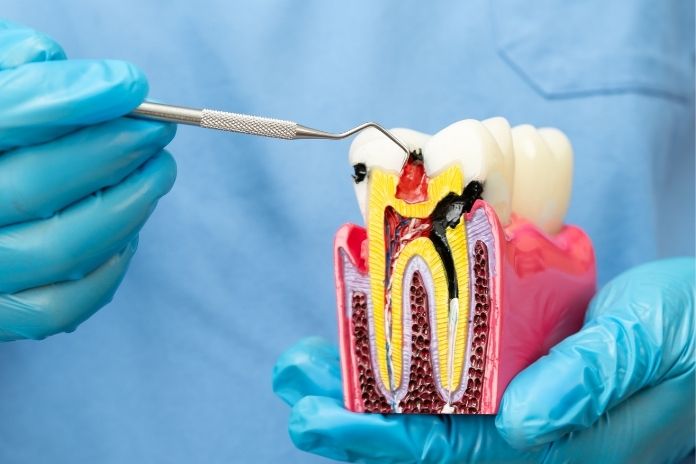
Recognizing the signs you need a root canal early can prevent complications.
Severe Tooth Pain: Prolonged, throbbing, or severe pain, particularly when eating or applying a pressure, is often a sign of pulp injury that requires treatment.
Temperature Sensitivity: Prolonged pain following exposure to extreme heat or cold may indicate damage to the tooth’s blood vessels and nerves.
Gum Swelling: Swollen, painful, or discolored gums surrounding a particular tooth may indicate an infection that needs treatment.
Deep Tooth Decay: To preserve the natural tooth structure, extensive decay that has spread to the tooth’s pulp often requires a root canal.
Tenderness or Bleeding: Gums that are swollen, painful to the touch, or prone to bleeding could indicate that the underlying tooth requires a root canal restoration.
Does a Root Canal Really Hurt?
Contemporary dentistry has greatly changed how patients perceive pain during a root canal, yet many patients still worry about it. The process involves removing infected pulp from the tooth, which may be uncomfortable if not handled properly.
However, majority of patients report experiencing little more pain than having a filling because of cutting-edge equipment and efficient anesthesia. The real procedure does not induce infection or decay; rather, it alleviates its agony.
The dentist uses local anesthetic to numb the region during a root canal. It ensures patients won’t experience any discomfort during treatment. Dentists also offer sedation alternatives for individuals who have dental anxiety or feel extremely nervous. The procedure is comparatively painless due to the use of delicate procedures and an anesthetic.
Read More: How Often Should You Floss Your Teeth? Expert Answers & Best Routine for Healthy Gums
What Happens During a Root Canal Procedure?
Before your procedure, your dentist will take thorough X-rays to assess extent of the infection and look at the condition of your tooth. They will also review medical history and discuss any issues. It is a great chance to ask any queries you may have.
The Procedure for Root Canals:
Initial Numbing: The dentist uses a local anesthetic to completely numb the area as the first stage of a root canal. The injection will give you a tiny pinch, but the anesthetic takes effect right away. It’s nothing to be afraid of, since many patients say this feels like standard cavity-filling preparations.
Access: Your dentist will make a tiny hole in your tooth once you are totally numb. They can access the diseased pulp chamber and root canals through this access site. The dental drill may be audible, but you won’t experience any pain. Inform the dentist right away if you feel uncomfortable.
Cleaning the Canals: Your dentist will remove any damaged or infected pulp tissue using specialist tools. To prepare the root canals for filling material, they will meticulously clean and shape them. Because your dentist must take care to remove all infected tissue, this stage takes the longest.
Filling and Sealing: Your dentist will fill canals with gutta-percha, a rubber-like substance, after thoroughly cleaning them. By sealing the canals, this biocompatible material stops further infection. Lastly, your dentist will seal the access hole in your tooth with a temporary filling.
How Long Does a Root Canal Take?
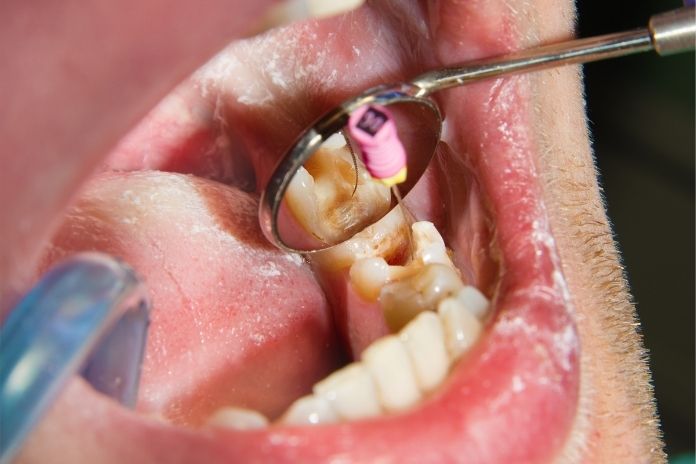
Typically, a root canal surgery takes thirty to ninety minutes or more.
Additionally, it may depend on the tooth that requires a root canal. Certain teeth, like your canine teeth, are simpler to clean out since they have fewer roots. However, as molars have more roots and may require up to four or more canals, you should anticipate a lengthier recovery time if the affected tooth is a molar.
Your dentist should be able to estimate how long your case will take after examining your teeth, but it’s always advisable to give yourself plenty of time and plan to stay for the entire 90 minutes.
What to Expect After a Root Canal
- In the first few days after a root canal, sensitivity is common. Take over-the-counter analgesics such as ibuprofen (Advil) or acetaminophen (Tylenol). After therapy, we advise taking them right away.
- As directed by your dentist or endodontist, take all antibiotics.
- If you have excruciating pain following your session, get in touch with our office right away.
- To avoid hurting your tongue or face, wait to consume once the numbing has subsided.
- Consume soft foods such as pasta, applesauce, scrambled eggs, soup, and mashed potatoes. Refrain from biting or chewing on treated tooth until the dentist installs the crown or permanent filling.
- Steer clear of sticky or hard foods that could harm your teeth, such as caramel, popcorn, almonds, seeds, and chips.
- Maintaining proper dental hygiene requires regular brushing and flossing.
Read More: How Long Until a Tooth Infection Kills You? Understanding the Risks, Timeline, and When to Seek Help
Root Canal vs Tooth Extraction: Which Is Better?
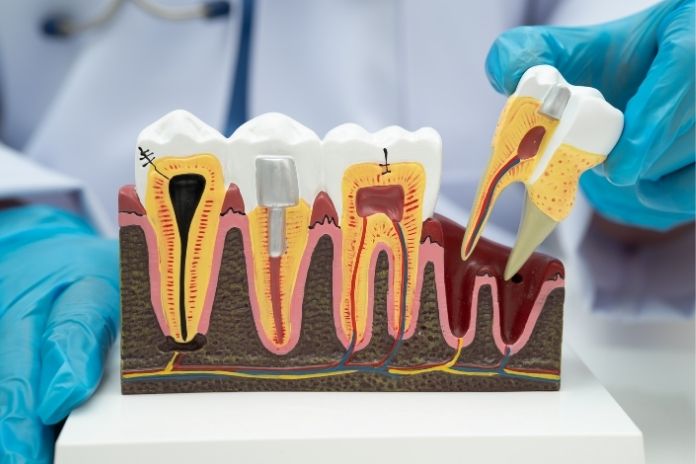
Root Canal: During root canal, the dentist removes the infected pulp, cleans and seals the inside of the tooth to prevent further infection. An endodontist, a dentist with particular expertise in treating disorders of the tooth’s inside, does it under local anesthetic.
Tooth Extraction: A dental surgeon or periodontist will typically perform an extraction of an infected tooth under regional anesthesia to remove it from its socket.
Both methods fix the issue, but the outcomes are:
- Root canal treatment resolves the issue and restores your natural tooth.
- After a tooth extraction, you are left with an empty gap that needs to be filled.
Modern methods and anesthetics make root canal therapy almost painless. Patients who select root canal therapy are six times more likely than those who choose to have their teeth extracted to say that the procedure was painless, according to the American Association of Endodontists.
The tooth and its surrounding area may feel sensitive for a few days after a root canal. Your dentist could recommend antibiotics if the illness spreads.
In general, tooth extractions are more painful and require more follow-up appointments. The dentist covers the wound with gauze to stop bleeding, may recommend over-the-counter painkillers, and may advise using ice to minimize swelling. If the stitches do not dissolve, the dentist will remove them. Once the area heals, the dentist fits you with a bridge, denture, or implant.
Common Root Canal Myths
Myth 1: Getting a root canal is painful: This may have been true decades ago, but with today’s anesthetics and technology, you won’t feel any more pain than if you had a cavity filled.
Myth 2: Root canal therapy causes illness: It is untrue to say that getting root canal increases risk of getting sick or developing a systemic disease later on. You can find this information online or elsewhere. This untrue assertion was based on poorly planned, long-disproved research conducted almost a century ago, long before modern medicine understood the true origins of many diseases.
Myth 3: Root canals do not remove the tooth’s roots. During root canal procedure, dentist extracts the tooth’s pulp and leaves the roots in place.
Myth 4: If My Tooth Doesn’t Hurt, It Doesn’t Need a Root Canal: Although a throbbing toothache is usually a clear indication that a root canal is necessary, a tooth may occasionally need one even if there isn’t any pain. Endodontists use their specialized training to determine whether a tooth’s pulp has been damaged or infected, and they perform a root canal to save the tooth.
How to Reduce the Risk of Needing a Root Canal
Frequent Dental Examinations and Cleanings: These procedures help detect dental pulp infections early.
Early Cavity Treatment: Deeper infections that call for infected tooth treatment are avoided by treating decay as soon as possible.
Using Mouthguards: Protect your teeth during sports or grinding to avoid tooth nerve damage.
Daily Brushing and Flossing Routines: Preventing inflamed pulp and maintaining long-term oral health depend on good cleanliness.
Read More: Toothache – Causes, Treatment, and Home Remedies
Conclusion
Knowing what a root canal may the lessen anxiety and promote prompt care. This treatment preserve your natural tooth, reduce discomfort, and also eliminates the infection. The root canal procedure is usually safe, effective, and significantly less painful than many people anticipate, thanks to contemporary procedures and anesthesia.
Long-term oral health can be supported and complications avoided by identifying early warning signs and promptly seeking treatment. You can ensure a quick recovery and long-lasting results by practicing good oral hygiene and following the recommended aftercare.
References
- American Association of Endodontists. What is a root canal?
- Aspen Dental. What is a root canal and how does it work?
- Delta Dental. What is a dental root canal?
- Shawnee Dental. What is a root canal? A complete guide to root canal treatment.
- Meyer Family Dental. What are the signs that you need a root canal?
- American Association of Endodontists. Myths about root canals.
- TF Dental. What to expect during a root canal.
- Austin K. Brown, DDS. What happens during a root canal?
In this Article