













Menopause gets blamed for many things. Bad sleep. Weight gain. Mood swings. Hot flashes. Sometimes rightly. Sometimes not. But one thing many women don’t connect with menopause is blood sugar.
A woman can spend years eating roughly the same way. Same breakfast. Same lunch. Same evening tea. Then, sometime in her late forties or fifties, blood test results start changing.
Fasting sugar slightly higher. A1C slightly higher. The weight around the waist suddenly becomes more stubborn. The first reaction is often confusion, because nothing feels very different. Or maybe too many things feel different at once.
That is the problem with menopause. Its symptoms overlap with half the things doctors look for in metabolic disease. Tiredness. Poor sleep. Brain fog. Mood changes. Weight changes.
All of these can happen during menopause. All of them can happen when blood sugar regulation worsens, too.
This is why the menopause-diabetes connection has received much more attention in recent years. Not because menopause causes diabetes. It does not.
But because the hormonal changes happening during this stage can quietly push blood sugar in a direction many women are not expecting.
- Menopause can make blood sugar more difficult to manage because falling estrogen affects insulin sensitivity, body fat distribution, sleep, and metabolism.
- This does not mean diabetes is inevitable.
- Understanding these changes early helps women monitor glucose patterns, reduce risk, and manage existing diabetes more effectively.
What Is the Connection Between Menopause and Blood Sugar?
Most women know menopause changes hormones. What many don’t notice immediately is that blood sugar starts acting differently, too. Not always dramatically. Sometimes, only small things.
You wake up, and your fasting blood sugar is higher than before. Same dinner. Same breakfast. Same walk. Still higher. That is where many women get confused. They start looking at food first. But food is not always the first thing that changes. Estrogen was.
Estrogen does much more work in the body than people realize. It is not only about periods. It affects where fat gets stored. How cells respond to insulin, and how hungry you feel after meals.
When estrogen starts dropping, insulin has to work harder to do the same job. Not in every woman. Menopause is strange that way. Two women can be the same age. One sees almost no change. Another suddenly moves into the prediabetes range. “There is a physiologic relationship,” Dr. Reece Clark, MD, a board-certified obstetrician and gynecologist, said. “We do know that estrogen, one of your two key female hormones, is good for your heart health. When your estrogen is low in menopause, your metabolic rate drops a little bit. We see people tend to gain weight even when they are not changing their lifestyle. I think it’s a combination of just the natural timing of when menopause happens, but there are some changes that go beyond the GYN system that can affect your risk for chronic medical conditions.”
This is why menopause and blood sugar are discussed together more often now than before. Because doctors started noticing that most women didn’t have many lifestyle changes. Yet glucose numbers were changing.
How Hormonal Changes During Menopause Affect Blood Sugar Levels

The biggest issue is usually not the ovaries. It is what starts happening everywhere else. Many women notice weight gain around the middle. Not huge weight gain. Sometimes only 3 or 4 kilos. But it sits differently.
A woman who always carried weight on her hips and thighs suddenly notices more around the stomach. That change matters. Belly fat is more closely linked to insulin resistance than many people realize.
So now there are two things happening at once. Estrogen lower. Abdominal fat higher. Both are pushing blood sugar in the wrong direction. Then sleep becomes bad. Night sweats. Waking up at night three times. Difficulty falling asleep again.
People often treat sleep and diabetes as separate topics. The body does not. A body that sleeps poorly for months handles glucose differently.
So when women say “nothing changed except menopause”, actually, many things changed together. Hormones. Sleep. Body composition. Stress levels. Sometimes activity levels, too. Blood sugar is reacting to all of it.
Can Menopause Increase the Risk of Type 2 Diabetes?
The honest answer is yes. But not in the way social media often explains it. Menopause itself is not a risk factor for diabetes. Women do not suddenly become diabetic because their periods have stopped.
The process is slower than that. Researchers have consistently found that diabetes risk increases after menopause. The difficult part is separating aging from hormonal changes.
Because both happen at the same time. A woman entering menopause is also getting older. Muscle mass may be lower than it was ten years ago. Physical activity may have decreased. Weight may have increased.
All of these affect blood sugar, too. This is why blaming everything on estrogen would be too simplistic. Still, hormones matter. Women with a family history of diabetes often seem more vulnerable during this period.
The same is true for women who had gestational diabetes during pregnancy. Or women already living with prediabetes. Menopause sometimes acts less like a cause and more like a stress test.
Underlying problems that were hidden become harder for the body to compensate for. That is why one woman reaches her sixties with perfectly normal glucose levels while another develops type 2 diabetes around the menopausal transition.
The hormonal changes are similar. The starting point is different.
Common Symptoms That Can Overlap Between Menopause and Diabetes

This is where things become confusing. Fatigue is common in menopause. Fatigue is also common in diabetes. Poor sleep occurs in menopause. Poor sleep occurs when blood sugar is uncontrolled.
Mood changes happen during menopause. Mood changes can happen with fluctuating glucose levels, too. Brain fog is another example.
Women often describe feeling mentally slower, less focused, or forgetful during perimenopause. Blood sugar instability can produce very similar complaints. Even increased urination can create confusion.
A woman may wake multiple times at night because of menopause-related sleep disturbance. She may assume bathroom trips are part of the same issue. Sometimes they are. Sometimes, elevated blood glucose is contributing.
Because symptoms overlap so much, blood testing becomes important. Guessing based on symptoms alone is unreliable.
How Menopause Can Affect Women Who Already Have Diabetes

Women already living with diabetes often notice greater blood sugar variability during menopause. A meal that previously caused a predictable glucose response may suddenly produce a much higher reading.
Medication requirements sometimes change. Insulin sensitivity can fluctuate across different stages of the menopausal transition. Weight management often becomes harder as well. Many women become frustrated because methods that worked for years no longer produce the same results. Part of the problem is reduced muscle mass.
Muscle tissue helps remove glucose from the bloodstream. When muscle mass decreases, glucose handling becomes less efficient. Cardiovascular risk deserves attention, too.
Both menopause and diabetes independently increase cardiovascular disease risk. When they occur together, monitoring blood pressure, cholesterol, and glucose becomes even more important. “It’s important to perform blood sugar readings regularly. During menopause, it may be necessary to perform them more often than usual to keep track of a series of high or low readings,” says Dr. Rita El-Hajj, MD, endocrinologist.
This is why diabetes care during menopause should not be based only on glucose numbers. The bigger picture matters.
Signs Your Blood Sugar May Be Changing During Menopause
Sometimes the first sign is a higher fasting glucose reading. Nothing else seems different, but morning blood sugar slowly rises. Others notice larger spikes after meals. Foods that never caused problems before suddenly produce higher readings.
Some women discover changes through A1C testing rather than daily symptoms. The increase may be gradual enough that it goes unnoticed until routine blood work is performed.
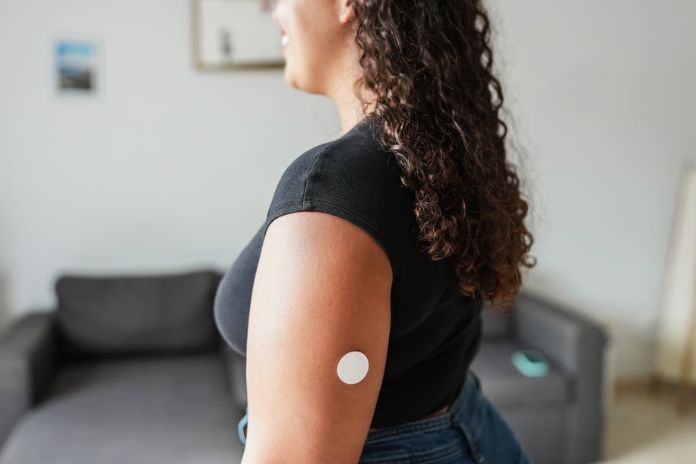
Women using continuous glucose monitors sometimes notice interesting patterns. Blood sugar fluctuations may correspond with hormonal symptoms, sleep quality, or periods of increased stress.
Repeated episodes of unexplained hypoglycemia or hyperglycemia should also be discussed with a healthcare professional. The keyword is pattern.
One unusual reading means little. A trend over weeks or months deserves attention.
Lifestyle Strategies to Support Healthy Blood Sugar During Menopause

There is no perfect plan here. Just things that reduce pressure on the system. Movement helps. Not only intense exercise. Even walking after meals helps prevent glucose from spiking too high. Muscle work also helps.
Because muscle is one of the main places where glucose is taken up and used, having less muscle can make it harder for the body to manage blood sugar. Sleep is another major factor, but it can be one of the hardest to improve, as menopause itself can disrupt it. This can create a cycle in which poor sleep affects metabolism, and metabolic changes further impact overall health.
Poor sleep can raise blood sugar levels, leading to increased fatigue and reduced physical activity, which can further worsen blood sugar control. Breaking even one part of this cycle can help.
Food patterns matter, but it is not about extreme restriction or removing everything. The focus is more on reducing large blood sugar spikes. Heavy meals, especially late at night, can contribute to higher morning readings. Having dinner around 2 hours before sleep may help.
Stress is another often-overlooked factor. Long-term stress can keep cortisol levels elevated, and cortisol can increase blood glucose levels even when food intake has not changed.
Many women don’t track stress as part of their blood sugar picture. But the body does. Weight loss during this stage is not always linear. Some weeks, nothing happens. Some weeks, there are sudden changes. That is normal. Not failure.
Monitoring Blood Sugar During Perimenopause and Menopause
Monitoring does not mean checking glucose levels several times a day. The approach depends on individual risk. Women with diabetes may need more frequent monitoring during hormonal transitions.
Women with prediabetes may benefit from regular A1C testing and occasional fasting glucose assessment. The value comes from observing trends.
One reading rarely tells a story. Patterns do. Keeping simple notes about sleep, symptoms, and glucose readings can sometimes reveal connections that would otherwise be missed.
Read More: Menopause and Anxiety: Why It Happens and What Actually Helps
Does Hormone Therapy Affect Blood Sugar?
Current evidence suggests hormone therapy may improve insulin sensitivity in some women. The effect is not dramatic enough to treat diabetes on its own.
But it may contribute positively to metabolic health in selected individuals. The decision is never based only on blood sugar. Potential benefits, risks, age, symptom severity, and medical history all need to be considered.
Research continues in this area. The relationship between hormone therapy and long-term glucose control is still being studied.
Read More: Menopause Skin Changes: Dryness, Wrinkles, and What Actually Works
When Should Women Seek Medical Advice?

Women should speak with a healthcare professional if they notice persistent fatigue, unusual thirst, frequent urination, unexplained weight changes, or consistently abnormal glucose readings.
Those with risk factors such as obesity, family history, previous gestational diabetes, or prediabetes should be particularly attentive during menopause.
An endocrinologist may be helpful when blood sugar becomes difficult to control or when the diagnosis is uncertain.
Read More: Menopause and Hair Loss: Why It Happens and How to Slow It Down
Final Thoughts
Menopause is not just a reproductive change. It is a metabolic shift, too. Small changes in hormones ripple into glucose control, sleep, fat storage, and energy levels. Not dramatic in every woman.
But real enough to notice at the population level. Still an important thing. Menopause does not equal diabetes. Many women pass through this stage without developing it.
But it is a time when the body becomes more sensitive to existing weaknesses. So earlier habits matter more here. Movement. Sleep. Food balance. Stress load. Nothing extreme. Just consistency.
- Blood sugar changes during menopause are usually slow and subtle, not sudden.
- Estrogen decline can increase insulin resistance, but it is not the only factor involved.
- Sleep disturbance often affects glucose levels more than changes in food, but it is often ignored.
- Menopause does not cause diabetes directly, but it can expose hidden risks.
- Tracking patterns over time is more useful than reacting to single readings.
FAQs
1. Does menopause cause diabetes?
No. Menopause does not directly cause diabetes, but increases diabetes risk by reducing insulin sensitivity and promoting central fat accumulation. Individual risk depends on genetics, body weight, physical activity, and overall metabolic health during midlife.
2. Why is my blood sugar suddenly higher during menopause?
Blood sugar often rises during menopause due to hormonal fluctuations that impair insulin sensitivity and alter glucose metabolism. Poor sleep, increased visceral fat, and reduced estrogen levels contribute to higher fasting glucose and exaggerated post-meal blood sugar spikes.
3. Can menopause make diabetes harder to control?
Yes. Menopause can make diabetes control more difficult by increasing glucose variability and altering insulin sensitivity. Women may require adjustments in medication, diet, and monitoring frequency as hormonal changes affect blood sugar patterns during perimenopause and menopause.
References
- Heianza, Y., Arase, Y., Kodama, S., Hsieh, S. D., Tsuji, H., Saito, K., Shimano, H., Hara, S., & Sone, H. (2013). Effect of Postmenopausal Status and Age at Menopause on Type 2 Diabetes and Prediabetes in Japanese Individuals: Toranomon Hospital Health Management Center Study 17 (TOPICS 17). Diabetes Care, 36(12), 4007–4014.
- KO, J., & PARK, Y.-M. (2021). Menopause and the Loss of Skeletal Muscle Mass in Women. Iranian Journal of Public Health, 50(2).
- Metcalf, C. A., Duffy, K. A., Page, C. E., & Novick, A. M. (2023). Cognitive Problems in Perimenopause: A Review of Recent Evidence. Current Psychiatry Reports, 25(10), 501–511.
- Yan, H., Yang, W., Zhou, F., Li, X., Pan, Q., Shen, Z., Han, G., Newell-Fugate, A., Tian, Y., Majeti, R., Liu, W., Xu, Y., Wu, C., Allred, K., Allred, C., Sun, Y., & Guo, S. (2018). Estrogen Improves Insulin Sensitivity and Suppresses Gluconeogenesis via the Transcription Factor Foxo1. Diabetes, 68(2), 291–304.