












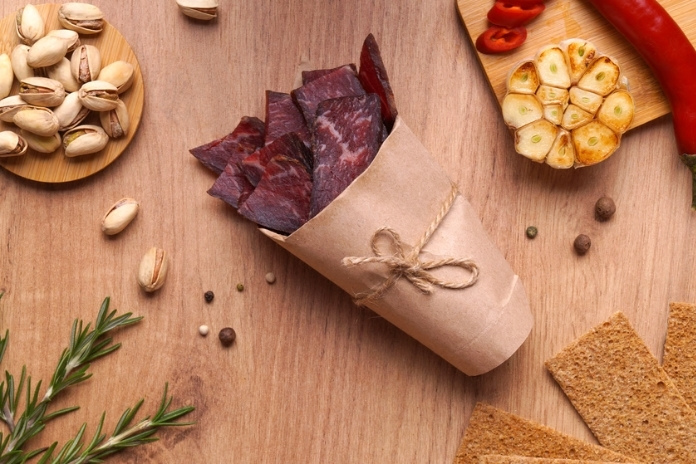
Beef jerky can be a good snack for both weight loss and muscle gain because it provides a large amount of protein for relatively few calories. Its high protein content supports satiety, muscle preservation, and muscle growth, while its portability makes it easy to meet daily protein goals. However, most beef jerky is high in sodium and is classified as a processed meat, which the International Agency for Research on Cancer (IARC) places in Group 1 as carcinogenic for colorectal cancer risk at high intake.
Beef jerky gets recommended on almost every weight loss and muscle gain list nowadays. Open social media, fitness forums, and diet plans; somebody is carrying a packet of jerky in their gym bag. And honestly, there is a reason. Unlike many snacks that only claim to be healthy, beef jerky actually does give a decent amount of protein for relatively few calories.
But there is another side too. Most articles stop at “high-protein snack” and never mention that beef jerky is also a processed meat, usually very high in sodium, and sometimes loaded with sugar, depending on the brand. So is beef jerky healthy? Not exactly. Is it unhealthy? Not exactly that either. The answer sits somewhere in the middle.
- Beef jerky provides roughly 9-11g of protein for only 70-100 calories per serving.
- High protein helps satiety, muscle maintenance, and muscle gain goals. The biggest drawbacks are high sodium content and processed meat classification.
- Better jerky options have lower sodium, low added sugar, and short ingredient lists. Useful as a portable protein snack, but should not be your only protein source.
Read More: The ‘Neural Gains’ Phase: Why You’re Getting Stronger Without Seeing a Single Muscle
Beef Jerky Nutrition: What A Standard Serving Actually Contains
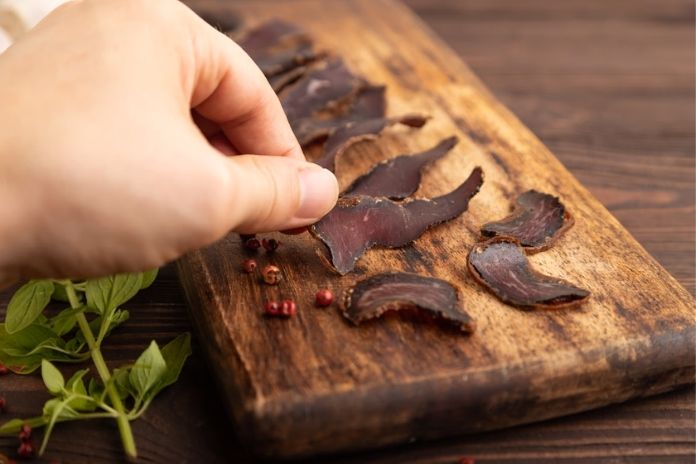
One thing that surprises many people is how small a jerky serving actually is. When you look at a nutrition label, the serving size is usually 28 grams. That is only one ounce. A small handful. Most people can easily eat two or three servings without even noticing. A typical 28g serving contains roughly:
- 70 to 100 calories
- 9 to 11 g of protein
- 0 to 3 g of fat
- 2 to 6 g of carbohydrates
- 450 to 600 mg of sodium
That last number is where things start becoming interesting. People often focus on calories and protein. But one small serving can already provide around one quarter of the recommended daily sodium limit. Still, from a pure protein-per-calorie perspective, beef jerky performs very well.
Many snack foods claiming to be “high protein” need 200 or 250 calories to deliver 10 grams of protein. “Jerky has a few things going for it: It’s shelf-stable, preportioned, low in calories, and high in protein,” says Lose It! Chief Nutrition Officer Anna Smith, RDN. “These four perks make it a popular choice for weight loss snacking.”
Jerky often gets there with less than half those calories. That is why it became popular among dieters, hikers, gym-goers, truck drivers, office workers, basically anyone looking for something filling that doesn’t need refrigeration.
The Case for Beef Jerky: Weight Loss and Muscle Gain
Most nutrition discussions become extreme. Either a food is presented like a miracle or treated like poison. Jerky is neither. Let’s start with why it actually works.
Weight Loss: It Helps Fight The Real Problem
The biggest challenge in weight loss is usually not breakfast. Not lunch. Not dinner. It is the random hunger that shows up between meals. Around 4 pm. Late evening. While driving. While sitting at work.
That is where many diets start breaking apart. Protein tends to slow this process down. Researchers have repeatedly found protein to be the most filling macronutrient. People generally stay satisfied longer after protein-rich foods compared with snacks built mostly around refined carbohydrates.
Jerky works well because it delivers protein without bringing many calories with it. Eat a chocolate biscuit packet worth 150 calories. You might feel hungry again quite fast. Eat a serving of jerky with similar calories.
Usually, hunger stays away longer. Not because jerky is magical. Simply because protein influences satiety differently. That makes beef jerky a useful high-protein snack for weight loss when calories are being controlled.
Muscle Gain: Small Snack, Meaningful Protein
People trying to build muscle often focus only on big meals. Chicken breast. Eggs. Protein shakes. Steak. Those matter. But muscle growth depends on total protein across the entire day. Small protein contributions add up. Jerky provides complete protein, meaning it contains all essential amino acids needed for muscle protein synthesis. One amino acid worth mentioning is leucine.
Leucine acts almost like a trigger for muscle-building processes. When protein intake reaches a sufficient level, leucine helps switch on muscle protein synthesis. Jerky contributes to that daily target.
Will one serving build muscle by itself? No. Nothing works that way. But if somebody struggles reaching their daily protein goal, adding 10 grams here and another 10 grams there often makes a real difference over weeks and months.
The Convenience Advantage Is Bigger Than People Think
Nutrition advice often ignores practical reality. A perfect food that nobody actually eats regularly is not very useful. Jerky wins mainly because it solves a problem. You can keep it in a bag. Keep it in a car. Keep it at work.
No fridge. No microwave. No preparation. No mess. That convenience is not a minor thing. For many people, it is the entire reason they hit their protein targets consistently. A hard-boiled egg may have a better nutrition profile.
Greek yogurt may have more protein. But neither sits in your backpack for eight hours during summer. Jerky can. And sometimes convenience determines behavior more than nutritional perfection.
The Honest Caveats: What Most Jerky Content Does Not Tell You
There are two genuine concerns people should know.
The Sodium Content Is Not Small
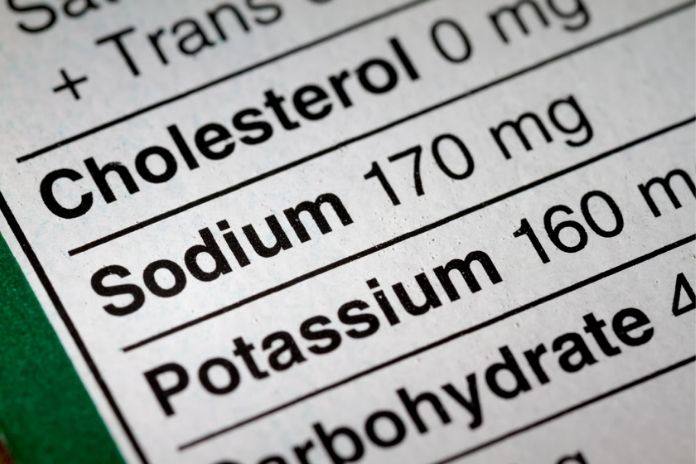
Many people read nutrition labels without really visualizing the numbers. One serving often contains 500 mg of sodium. Maybe more. Eat two servings. You are already around 1,000mg. Some brands go even higher. Now imagine somebody also eats restaurant food, packaged snacks, bread, sauces, and processed foods during the day.
The sodium starts stacking quickly. For healthy people occasionally eating jerky, this may not matter much. For somebody managing high blood pressure, cardiovascular disease, or sodium-sensitive hypertension, it becomes more relevant.
Another thing happens: Water retention. People dieting sometimes panic because the scale jumps one kilogram overnight. Often, that is not body fat. It is water. A salty meal or large jerky snack can temporarily increase water retention and make weight-loss progress look worse than it really is. Fat did not appear overnight. Water did.
Beef Jerky Is Still A Processed Meat
This part makes people uncomfortable because nutrition conversations often want simple answers. Good food. Bad food. Safe food. Dangerous food. Reality rarely works like that. Beef jerky belongs to the processed meat category. The International Agency for Research on Cancer (IARC) classifies processed meat as Group 1 carcinogenic for colorectal cancer.
“But because jerky is made through salting, curing, drying, or adding ingredients, it’s considered processed meat,” explains Amy Kimberlain, RDN, CDCES. Many people misunderstand this classification. Group 1 does not mean jerky is as dangerous as smoking cigarettes. It means the scientific evidence linking processed meat and colorectal cancer is considered strong enough to establish a relationship.
Evidence certainty and risk size are different things. The highest risks appear among people who are consuming processed meats frequently and over long periods. Eating jerky occasionally is different from making processed meat your primary protein source every single day for years.
Unfortunately, many online articles either exaggerate this risk dramatically or pretend it doesn’t exist. Neither approach helps readers. The practical approach is variety. Use jerky sometimes. Use eggs sometimes. Use fish sometimes. Use yogurt sometimes. Use beans sometimes. Protein diversity solves many nutritional problems before they start.
Read More: Can You Gain Muscle in a Calorie Deficit? What the Research Actually Shows
How to Choose a Better Beef Jerky
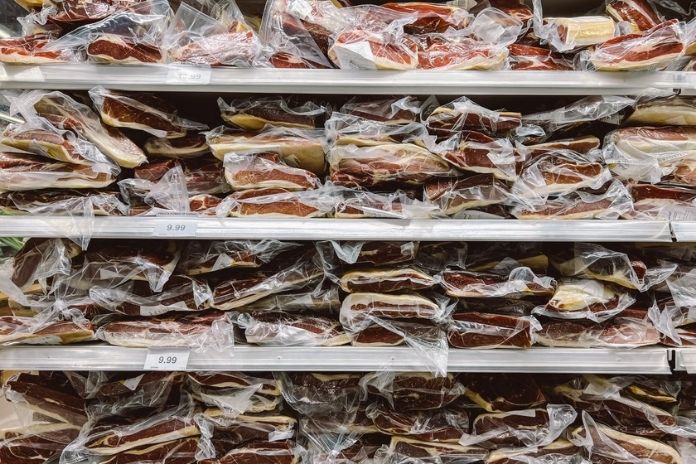
Not all jerky is nutritionally identical. Some products are basically dried beef with seasoning. Others are surprisingly close to candy. The ingredient list tells a lot. A simple ingredient list is usually a good sign. Beef, salt, spices, maybe vinegar, maybe natural flavorings. Short and boring is often better here.
When checking labels, sodium is probably the first number worth looking at. Many products sit around 500-600 mg per serving. If you can find options closer to 300- 400 mg, that is generally a better choice, especially if you eat jerky regularly. Added sugar is another thing people miss.
Some sweet teriyaki-style products contain far more sugar than expected. Sugar is not automatically harmful. The problem is that excess sugar reduces the protein-to-calorie advantage that made jerky attractive in the first place.
If a jerky product contains nearly as much sugar as protein, it starts losing its nutritional edge. Also, pay attention to serving sizes. Some companies show very small serving sizes on the label. The protein number may look impressive until you realize the sodium and calories need to be doubled because you are actually eating two servings.
One Useful Rule: If beef is the first ingredient, protein is high, sugar stays low, and sodium is relatively moderate, it is probably a decent option. No need to chase perfection. Just avoid the products that look more like sweetened snack foods than dried meat.
How Beef Jerky Compares to Other High-Protein Portable Snacks

One reason jerky remains popular is because it solves a practical problem. Protein foods usually need refrigeration. Jerky does not. A hard-boiled egg has around 78 calories and about 6g of protein. Very good nutrition. But try carrying eggs around all day in a backpack. Greek yogurt may provide 15–20g of protein with around 100 calories. String cheese works well too. Portable for a few hours. Still not ideal in every situation.
Roasted edamame has become more popular recently. Similar protein content, lower sodium, and no processed meat classification. For some people, it is actually a better choice. But jerky wins on convenience. It survives travel. It survives long work shifts. It survives gym bags. It survives hot days better than many protein foods. That convenience is its biggest advantage.
Nutrition discussions often ignore practical reality. A theoretically perfect snack is not very useful if someone cannot actually carry it around and eat it consistently. So the better question is not whether jerky beats every protein snack. It does not. The better question is whether jerky beats the snack you would have eaten otherwise.
Compared with chips, cookies, pastries, candy bars, sweet biscuits, or vending machine snacks, beef jerky often comes out looking pretty good nutritionally. Compared with Greek yogurt, eggs, fish, chicken breast, or cottage cheese, the comparison becomes more mixed. Context changes everything.
Read More: How to Prevent DOMS (Delayed Onset Muscle Soreness) Without Skipping Gains
Conclusion
Beef jerky is one of those foods where both sides of the argument have some truth. It genuinely is a high-protein, calorie-efficient snack that can help with weight loss and muscle gain goals. At the same time, the sodium content and processed meat classification are real considerations, not details to ignore.
Used occasionally and alongside other protein sources, jerky fits well into many diets. Used as the main protein source every day, the picture becomes less favorable.
- The biggest nutritional strength of beef jerky is not just protein. It is a protein delivered in a highly portable form that people actually use consistently.
- Sodium intake matters more for some people than others. Two people can eat identical jerky servings and experience very different blood pressure responses.
- Processed meat research mainly studies long-term dietary patterns, not occasional snacks. Frequency matters more than single servings.
- Many “healthy” jerky products vary enormously in sugar and sodium content. Labels matter more than marketing claims.
- One research gap still exists: many processed meat studies evaluate overall processed meat intake rather than modern lower-sodium jerky products specifically. Future research may clarify whether different processing methods carry different levels of risk.
FAQs
1. Is beef jerky high in protein?
Yes, beef jerky is high in protein, typically providing around 9–11 grams per 28-gram serving. It offers a high protein-to-calorie ratio and contains complete protein with essential amino acids, including leucine, which supports muscle protein synthesis.
2. How much beef jerky can you eat a day?
Most healthy adults can consume one to two 28-gram servings of beef jerky daily within a balanced diet. The main concern is sodium and processed meat intake, so larger daily amounts over long periods are not generally recommended.
3. Is beef jerky bad for you?
No, beef jerky is not inherently unhealthy when consumed in moderation as part of a balanced diet. It provides convenient protein, but high sodium content and processed meat classification mean frequent large intakes may carry long-term health considerations.
References
- Blatt, A. D., Roe, L. S., & Rolls, B. J. (2011). Increasing the protein content of meals and its effect on daily energy intake. Journal of the American Dietetic Association, 111(2), 290–294.
- Breen, L., & Churchward-Venne, T. A. (2012). Leucine: a nutrient “trigger” for muscle anabolism, but what more?. The Journal of Physiology, 590(9), 2065–2066.
- IARC. (2015). IARC Monographs evaluate consumption of red meat and processed meat. In International Agency for Research on Cancer.
- Rakova, N., Kitada, K., Lerchl, K., Dahlmann, A., Birukov, A., Daub, S., Kopp, C., Pedchenko, T., Zhang, Y., Beck, L., Johannes, B., Marton, A., Müller, D. N., Rauh, M., Luft, F. C., & Titze, J. (2017). Increased Salt Consumption Induces Body Water Conservation and Decreases Fluid Intake. The Journal of Clinical Investigation, 127(5), 1932–1943.
In this Article