













Occasional discomfort during sex can happen to anyone, but you should never brush off ongoing or repeated pain with penetration. Millions of people deal with dyspareunia, a medical condition that can take a real toll on relationships, emotional health, and physical comfort. The good news: most painful sex causes can be identified and treated once you know what to look for.
This article covers what dyspareunia is, the difference between types of pain, the most common causes of painful penetration, how emotional health factors in, how doctors diagnose it, your treatment options, self-care strategies, and when it’s time to see a doctor.
- Pain during penetration (dyspareunia) is far more common than most people realize, but it should never be tolerated or ignored.
- Medical conditions, tight pelvic floor muscles, or hormonal shifts are usually the cause, not “all in your head.”
- Personalized treatments like pelvic floor physical therapy, estrogen creams, or dilators successfully resolve the pain for most people.
Read More: Menopause and Sex Drive: Why Libido Changes and How to Reclaim It
What Is Pain With Penetration?
Sex should be a source of connection and pleasure, not fear or discomfort.
According to the American College of Obstetricians and Gynecologists, up to 75% of women will experience dyspareunia, or pain during sex, at some point in their lives. For some, it happens once or rarely. For others, it’s a recurring problem.
Dyspareunia is persistent or recurring pain that occurs right before, during, or after sexual activity. It can range from mild discomfort to pain severe enough to make sex impossible. While it’s more commonly reported in people with vulvas, anyone with a penis or vulva can experience it.
Doctors generally describe dyspareunia in two ways. Superficial (entry) pain happens at the vaginal opening or vulva during initial penetration and often feels like burning, stinging, or tearing.
Deep pain occurs farther inside, with deep thrusting, and is usually felt in the lower abdomen, cervix, or pelvis. According to Mayo Clinic, figuring out which type you have, and whether it’s been there since you first became sexually active (primary) or started later (secondary), gives your doctor a major head start in narrowing down the cause.
Beyond the physical pain, dyspareunia often brings emotional distress, relationship strain, and anxiety around intimacy. Recognizing this as a real medical issue, not a personal failing, is the first step toward relief.
Just because painful sex is common doesn’t mean it’s “normal.” Occasional mild soreness usually isn’t a concern, but pain that’s severe or persistent may point to an underlying condition that needs medical attention.
A few terms come up often in this topic and are worth knowing upfront. Vaginismus is the involuntary tightening of the vaginal muscles that makes penetration painful or impossible. Vulvodynia is chronic pain in the vulva without an identifiable cause. Genitourinary syndrome of menopause (GSM) is the term doctors now use for the vaginal dryness, thinning tissue, and related discomfort that follows declining estrogen. You’ll see all three again throughout this article.
“Some women may have experienced sexual joy, but then at some point in their life, sex becomes painful,” said Karyn Eilber, MD, a Cedars-Sinai urogynecologist. She adds, “They may stop having sex with their partners. Whether your pain is mild or severe, if it bothers you and it’s keeping you from having sex, you should definitely talk to your doctor and your partner.”
The Most Common Causes of Pain With Penetration

Both emotional and physical factors can cause pain during intercourse. Common physical causes include:
Insufficient lubrication: Not enough foreplay, declining estrogen after menopause, childbirth, or breastfeeding, and medications like antidepressants, certain birth control pills, or antihistamines can all reduce lubrication and lead to vaginal dryness and painful sex.
Doctors now refer to the cluster of dryness-related symptoms that follow menopause as genitourinary syndrome of menopause (GSM). It doesn’t improve on its own and tends to worsen without treatment, but it responds well to the right care.
Vaginismus: Involuntary spasms of the vaginal wall muscles that tighten in anticipation of penetration, making it painful or impossible. This is closely related to broader pelvic floor dysfunction, where the muscles supporting the pelvic organs are too tight or overactive.
Skin conditions or infections: Eczema, irritation from fragrances or soaps, or genital infections like vaginitis can all cause pain.
Infections are one of the most common and most treatable causes. Yeast infections and bacterial vaginosis can cause burning and inflammation. Urinary tract infections cause pain that can mimic or worsen sexual discomfort.
Sexually transmitted infections, including chlamydia and gonorrhea, often cause pain during sex along with unusual discharge. Left untreated, infections can progress to pelvic inflammatory disease (PID), a more serious infection of the reproductive organs that causes deeper pelvic pain and requires prompt medical care.
Skin conditions deserve their own mention, too. Lichen sclerosus causes thinning, itchy, whitened patches of vulvar skin that can tear or become painful during sex. Contact irritation from soaps, detergents, or fragranced products can cause similar discomfort and is often mistaken for an infection.
Trauma or injury to the vulva, perineum, or vagina: This includes pelvic surgery, episiotomies, and accidents.
Vulvodynia, also known as vulvar vestibulitis syndrome (VVS), is chronic pain affecting the vulva and/or vestibule (the entrance to the vagina), often without an identifiable cause on examination.
Illnesses or other medical conditions: Ovarian cysts, uterine fibroids, pelvic organ prolapse, endometriosis, and cystitis can all contribute to pain with penetration.
Endometriosis deserves special attention because it’s one of the most common causes of deep pain during sex. It occurs when tissue similar to the uterine lining grows outside the uterus, often on the ovaries or in the pelvis.
During deep penetration, this misplaced tissue can be pressed or stretched, triggering sharp or aching pain. Endometriosis often comes with other symptoms, including heavy or irregular periods, pain during bowel movements, and infertility, so a doctor evaluating endometriosis-related sexual pain will usually ask about your full menstrual history too.
Stress, worry, or sadness can alter sexual response. If someone has had painful sexual encounters before, the body may tense up in anticipation of more pain, which can create a cycle that makes the next experience hurt too. Feelings of fear, guilt, or shame can also make it harder to become aroused, and some people experience pain as a result of past sexual trauma or abuse.
Can Emotional Health Contribute to Painful Sex?
The body and mind are closely connected when it comes to sexual wellness. Past traumatic events, including sexual assault or abuse, are linked to emotional and physical barriers that can show up as pain during sex.
Anxiety, whether it’s about performance, pregnancy, or the pain itself, can trigger a cycle: muscle tension leads to dread, which leads to more pain. Relationship strain, stress, depression, and negative body image can all make dyspareunia worse.
It’s understandable that pain during sex would lead to frustration and negative thinking. Depression doesn’t just affect mood. It can also lower sexual arousal and desire, which in turn affects the ability to feel pleasure.
A history of recurrent depression is linked to reduced sexual arousal and pleasure, according to research drawing on the Study of Women’s Health Across the Nation (SWAN). Even without a clinical depression diagnosis, mood and sexual function can affect each other in both directions.
Anxiety disorders are also a risk factor for low arousal and desire, and research has linked them to both orgasm difficulties and pain during sex.
Read More: Sex Hormones and the Immune System: New Research on Disease Risk and Why It Matters
How Doctors Diagnose the Cause of Pain With Penetration
A medical evaluation for dyspareunia typically includes:
A complete medical history: Your doctor may ask when the pain started, where it hurts, what it feels like, and whether it happens with every partner and position.
A pelvic exam: Your doctor checks for signs of infection, skin irritation, or anatomical issues, and may gently press on your genitals and pelvic muscles to help locate the source of the pain.
A pelvic exam can feel intimidating if you’ve never had one or if past exams have been painful. Tell your provider beforehand if you’re anxious or have had pain during prior exams. Many providers can adjust their approach, go more slowly, or use a smaller speculum to make the exam more comfortable.
Other tests: Your doctor may order a pelvic ultrasound if they suspect a specific underlying cause. Other tests may include:
- Swabs for infections
- Ultrasound to check for endometriosis
- Blood tests for hormonal issues
Getting an accurate diagnosis before starting treatment matters because the right fix depends entirely on the underlying cause. Treating the wrong thing wastes time and can leave you in pain longer than necessary.
Treatment Options for Pain With Penetration

The underlying cause determines the right course of treatment for painful sex. Many people benefit from combining more than one approach.
Topical or systemic estrogen therapy: Estrogen is one of the most effective treatments for genitourinary syndrome of menopause and related dryness. Options include vaginal estrogen creams, tablets or inserts, estrogen rings, and systemic hormone therapy for those with broader menopausal symptoms.
Lubricants and moisturizers: Silicone, hyaluronic acid, or water-based lubricants significantly reduce friction during sex. Regular use of vaginal moisturizers helps keep tissue hydrated even outside of sexual activity.
Pelvic floor physical therapy: This treats pain following pelvic surgery, vaginismus, postpartum discomfort, and general muscle tightness effectively.
Treatment for infections: Antibiotics, antifungals, or antiviral medications typically bring quick relief when an infection is the cause.
Medication for skin disorders: When vulvar skin conditions like lichen sclerosus contribute to pain, doctors may prescribe topical steroids, barrier creams, or other dermatological treatments.
Counseling or sex therapy: When trauma, anxiety, or relationship strain plays a role, working with a therapist who specializes in sexual health can address the emotional side of the pain directly, rather than treating only the physical symptoms. This can be used alone or alongside medical treatment, and may include mindfulness or guided relaxation techniques.
Vaginal dilator therapy: Frequently recommended for pelvic floor dysfunction or vaginismus, dilators help retrain the muscles to relax and allow more comfortable penetration over time.
For people with ongoing or complex symptoms, a single specialist may not be enough. A multidisciplinary approach, combining a gynecologist, pelvic floor physical therapist, and mental health provider, often produces better results than any one treatment alone, especially when both physical and emotional factors are involved.
Self-Care Strategies That May Help
Supportive self-care can ease symptoms, but it works best alongside medical treatment, not as a replacement for it.
Open communication with a partner: Talking about discomfort can build closeness and ease anxiety.
Taking time for arousal and comfort: Sufficient arousal increases natural lubrication, which reduces pain during sex.
Avoiding irritating products: Switching to mild, fragrance-free products helps prevent further irritation.
Following treatment plans consistently: Staying consistent with treatment matters for managing dyspareunia and chronic pelvic pain over time.
Why self-treatment shouldn’t replace medical evaluation: Persistent pain with penetration needs a professional evaluation to rule out conditions that self-care alone can’t fix.
Read More: Why You Might Feel Dizzy or Faint During or After Sex (Including Orgasm)
Common Myths About Painful Sex
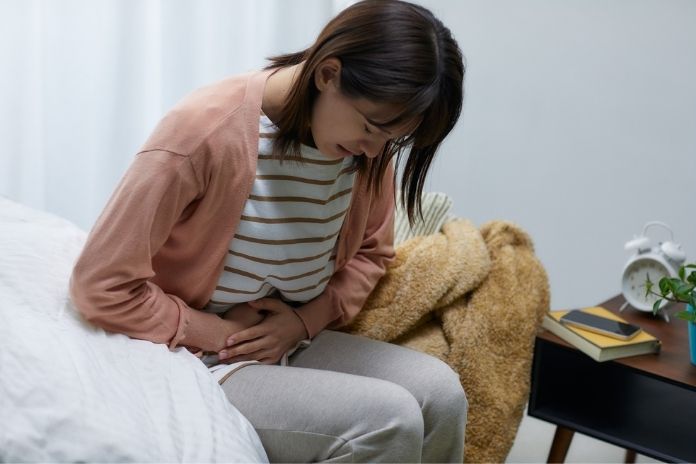
People don’t talk much about sexual pain. Discomfort and misunderstanding keep it hidden, but shining a light on the issue helps people understand what’s going on and find ways to deal with it.
Myth #1: “Pain during sex is normal”
Fact: Up to 75% of people experience sexual pain at some point in their lives, but common doesn’t mean normal or something to tolerate. It’s a widespread problem that deserves attention and treatment, not silence.
Myth #2: “It’s all psychological”
Fact: There are plenty of physical reasons sex might hurt: pelvic floor dysfunction, vaginal dryness, infections, surgical scars, or injuries, just to name a few. The trouble is that many people brush these symptoms aside or assume it’s “all in their heads,” which delays getting the right diagnosis and treatment.
Myth #3: “Only older adults experience painful sex”
Fact: Dyspareunia affects people across every age group. Younger women can experience it due to vaginismus, endometriosis, infections, or insufficient lubrication from hormonal birth control, while older women more often experience it due to menopause-related changes. Age is not a reliable predictor of who will or won’t have painful sex.
Myth #4: “If tests are normal, the pain is not real”
Fact: Many causes of dyspareunia, including vulvodynia and pelvic floor dysfunction, don’t show up on standard imaging or bloodwork. A normal test result doesn’t mean nothing is wrong. It often just means the cause requires a different kind of evaluation, such as a specialized pelvic floor assessment, rather than that the pain isn’t real.
Pain during sexual engagement isn’t limited to women, either. Men and non-binary people can experience pain or discomfort with orgasm, ejaculation, penetration, or erections.
Historically, painful sex has mostly been associated with vaginal penetration, and some medical professionals still default to that assumption. If this describes your experience, it’s worth seeking a provider who will listen and help you find the right treatment.
When Should You Seek Medical Care?
Talk to a healthcare professional if you experience:
- Pain with penetration that happens repeatedly
- Pain that is severe or getting worse
- Fever, unusual discharge, or bleeding
- Symptoms associated with endometriosis or pelvic inflammatory disease, such as a pelvic mass or significant menstrual symptoms
- Pain that’s affecting your relationships, intimacy, or overall quality of life
Conclusion
Pain with penetration is more common than most people realize, but it should never be accepted as something to simply live with. Hormonal shifts, infections, or tense muscles can all cause dyspareunia, and effective treatments are available for nearly all of them.
Understanding the potential causes, recognizing symptoms early, and getting the right treatment can meaningfully improve both physical comfort and mental well-being.
A comprehensive approach, one that combines open communication, lifestyle adjustments, and medical evaluation, is often what works best. With the right support and treatment plan, most people find relief and return to a comfortable, healthy sex life.
References
- Cedars-Sinai. (2026, February 16). Pain during sex: What causes it and what helps?
- Twentyeight Health. (2025, June 20). Pain during sex: When is it normal vs. when to see a doctor?
- University of Colorado Anschutz Medical Campus. Pain during sex.
- Mayo Clinic. (2024, February 16). Painful intercourse (dyspareunia).
- Dr. Wilson’s GYN Care. Dyspareunia (painful intercourse).
- WomanCare Centers. (2026). Treating painful intercourse: What you need to know.
- Mayo Clinic. (2024, February 16). Painful intercourse (dyspareunia): Diagnosis and treatment.
- Hope Cunningham, DPT. (2024, March 10). Debunking myths about sexual pain.
- Basson, R., & Gilks, T. (2018). Women’s sexual dysfunction associated with psychiatric disorders and their treatment. Sexual and Relationship Therapy.
- Tayyeb, M., & Gupta, V. (2026). Dyspareunia. StatPearls.
- Goldstein, A.T., et al. Vulvodynia. StatPearls.
- Maideen, N.M.P., et al. (2021). Psychosocial factors associated with pain and sexual function in women with vulvodynia: A systematic review. PMC.
In this Article