










You’re brushing your teeth one morning, six weeks into your second trimester, and suddenly there’s blood in the sink. Not a lot, but enough to startle you. You haven’t changed your toothbrush, your technique is the same as always, and yet here you are wondering if something is wrong.
This experience is remarkably common. Pregnancy oral health is one of the most overlooked aspects of prenatal care, even though hormonal shifts during pregnancy genuinely change how your gums, teeth, and saliva behave. Bleeding gums, heightened sensitivity, and a greater susceptibility to cavities are all recognized features of pregnancy, not signs that something has gone wrong with your body.
The good news is that with consistent oral hygiene and appropriate dental care, most of these changes are manageable and temporary. This article walks through exactly what happens, why it happens, and what to do about it.
- Pregnancy hormones increase blood flow to the gums and amplify the body’s response to plaque, making bleeding, swelling, and tenderness common even with good oral hygiene.
- Pregnancy gingivitis affects a large percentage of pregnant individuals, while frequent snacking, cravings, and morning sickness can increase the risk of cavities and enamel erosion.
- Research suggests an association between severe periodontal disease and adverse pregnancy outcomes, but current evidence does not prove a direct cause-and-effect relationship.
- Routine dental checkups, cleanings, necessary treatments, and even dental X-rays with proper shielding are considered safe during pregnancy and can help prevent more serious oral health problems.
How Does Pregnancy Affect Oral Health?
Estrogen and progesterone levels rise dramatically during pregnancy, and gum tissue is particularly responsive to both. These hormones increase blood flow to the gums and alter how the tissue responds to irritants already present in the mouth, primarily dental plaque.
The result is that gum tissue exposed to the same amount of plaque that caused no reaction before pregnancy can now become inflamed, swollen, and prone to bleeding. This isn’t a failure of oral hygiene. It’s a physiological response to a hormonal environment that didn’t exist before.
Several factors converge during pregnancy to make oral health changes more likely. Hormonal fluctuations are the primary driver, but dietary changes, including increased snacking and shifting food cravings, add another layer. Changes in oral bacteria composition, influenced by hormonal shifts, can also alter how the mouth responds to the same bacterial load that was previously well tolerated.
A review published in the Journal of Indian Society of Periodontology described pregnancy as a period of significant oral physiological changes, noting that gingival changes affect a substantial proportion of pregnant individuals, varying in severity.
The old saying “a tooth for every baby” reflects a long-standing myth rather than established science. Pregnancy itself does not directly draw calcium out of teeth to support fetal development. Tooth enamel is not a calcium reserve that the body can mobilize the way it can with bone tissue.
What actually drives the historical association between pregnancy and tooth loss is the increased risk of gum disease and cavities during pregnancy, conditions that, left untreated, can ultimately threaten tooth structure. The mechanism is oral disease, not direct mineral depletion from the teeth themselves.
Why Do Gums Bleed During Pregnancy?
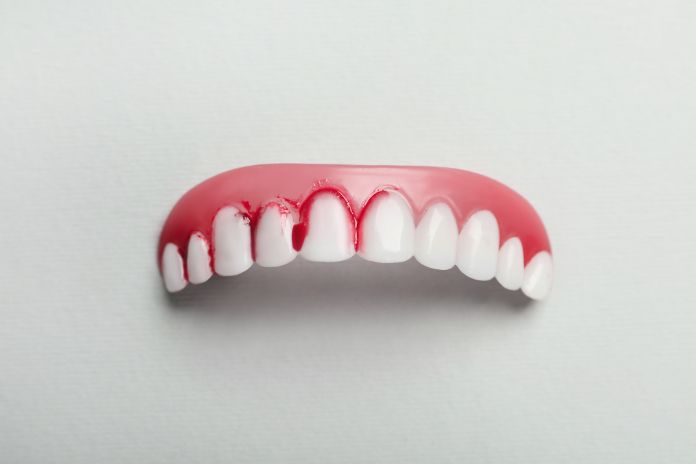
Pregnancy gingivitis is a localized inflammatory response of the gum tissue that develops in response to elevated hormone levels combined with the presence of dental plaque. It typically appears in the second month of pregnancy and peaks around the third trimester.
Pregnancy gingivitis is one of the most common oral health conditions during pregnancy. Studies have reported prevalence rates ranging from approximately 60% to 75%, although estimates vary based on the population studied and the diagnostic criteria used.
The hallmark symptom is bleeding gums during pregnancy, often noticed while brushing or flossing. Gum tissue may also appear swollen, look redder than usual, and feel tender to the touch. Some people notice their gums seem to pull away slightly from the teeth in affected areas.
Dr. Sandip Sachar, DDS, explains that hormonal fluctuations during pregnancy can heighten the body’s inflammatory response to plaque and oral bacteria. As a result, the gums may become more sensitive, swollen, and prone to bleeding, even in people who maintain good oral hygiene habits. She notes that these changes are common during pregnancy because hormones can exaggerate the way gum tissues react to irritants that might otherwise cause only mild inflammation.
Left unaddressed, pregnancy gingivitis can, in some cases, progress toward more significant periodontal disease, which involves the deeper structures supporting the teeth rather than just the surface gum tissue. This progression isn’t universal, but it underscores why early attention matters.
The encouraging part is that pregnancy gingivitis responds well to professional cleaning and improved home hygiene. Catching it early, rather than assuming bleeding gums are simply something to tolerate, generally prevents it from advancing into a more serious periodontal condition.
Can Pregnancy Increase the Risk of Cavities?
More frequent snacking, a common feature of pregnancy, means teeth are exposed to food and the acids produced by oral bacteria more often throughout the day. Cravings that lean toward carbohydrate-dense or sugary foods compound this exposure, particularly when snacking happens between regular brushing times.
This pattern doesn’t mean cavities are inevitable, but it does mean that pregnancy-related dental problems due to decay become more likely without some adjustment to oral hygiene timing.
Frequent vomiting associated with morning sickness exposes teeth to stomach acid, which is significantly more corrosive to enamel than most foods or drinks. Repeated exposure over weeks can lead to measurable enamel erosion, particularly on the inner surfaces of the upper front teeth.
A review published in the Journal of the American Dental Association noted that nausea and vomiting during pregnancy can increase the risk of dental erosion because repeated exposure to stomach acid may gradually wear away tooth enamel.
Saliva plays a protective role by neutralizing acids, washing away food particles, and supplying minerals that help repair early enamel damage. Some pregnant individuals experience reduced saliva flow or changes in saliva composition, which can diminish this natural defense system.
When saliva’s protective function is reduced while snacking frequency and acid exposure increase, the combined effect can meaningfully increase the risk of new cavities during pregnancy.
Other Oral Health Changes That Can Happen During Pregnancy
Despite the alarming name, a pregnancy tumor, clinically known as a pyogenic granuloma or pregnancy epulis, is a benign, non-cancerous growth that can develop on the gums, usually between the teeth. These growths are thought to result from an exaggerated tissue response to local irritation in the context of pregnancy hormones.
They typically appear in the second trimester, often regress on their own after delivery, and only require treatment if they interfere with eating, bleed excessively, or persist after the pregnancy ends.
Increased tooth sensitivity during pregnancy can stem from several sources, including the gum recession sometimes associated with pregnancy gingivitis, which exposes more sensitive areas of the tooth, or from enamel softening related to morning sickness. Sensitivity to hot, cold, or sweet stimuli is a common complaint during this period.
Hormonal shifts can alter the composition of oral bacteria and saliva in ways that contribute to bad breath, independent of typical hygiene habits. Some pregnant individuals also report taste changes, sometimes described as a persistent metallic taste, which can affect appetite and indirectly influence motivation for oral hygiene.
A small degree of tooth mobility can occur during pregnancy due to hormonal effects on the ligaments and bone supporting the teeth. In most cases, this is temporary and resolves after pregnancy. However, noticeably loose teeth should still be evaluated by a dentist, since this can also be a sign of more advanced gum disease that requires treatment.
Can Poor Oral Health Affect Pregnancy?
A body of research has investigated whether periodontal disease in pregnant individuals is associated with outcomes like preterm birth and low birth weight. A systematic review of the evidence found that maternal periodontal disease is associated with an increased risk of adverse pregnancy outcomes, including preterm birth and low birth weight.
However, the authors emphasized that the available data are primarily observational and do not prove a causal relationship between gum disease and these outcomes. This distinction matters. Association studies identify patterns worth taking seriously, but they don’t prove that one thing causes the other, especially when shared risk factors, such as smoking or socioeconomic status, could influence both gum disease and pregnancy outcomes independently.
What is clearly established, independent of the ongoing research into pregnancy outcomes, is that gum disease affects oral comfort, function, and quality of life. Untreated periodontal disease can lead to tooth mobility, persistent discomfort, and eventually tooth loss if it progresses far enough, regardless of pregnancy status.
Dr. Dan Nayot notes that while researchers are still investigating whether periodontal disease directly contributes to adverse pregnancy outcomes, the existing evidence is strong enough to justify proactive oral care during pregnancy. He stresses that routine dental visits, prompt treatment of oral health issues, and consistent at-home hygiene can play an important role in supporting maternal health and reducing preventable dental complications.
Given the established connection between pregnancy and oral changes, as well as the open questions about systemic effects, maintaining oral health during pregnancy is a reasonable and well-supported component of prenatal care. Prevention and routine attention carry essentially no downside and several clear benefits.
Is It Safe to Visit the Dentist During Pregnancy?
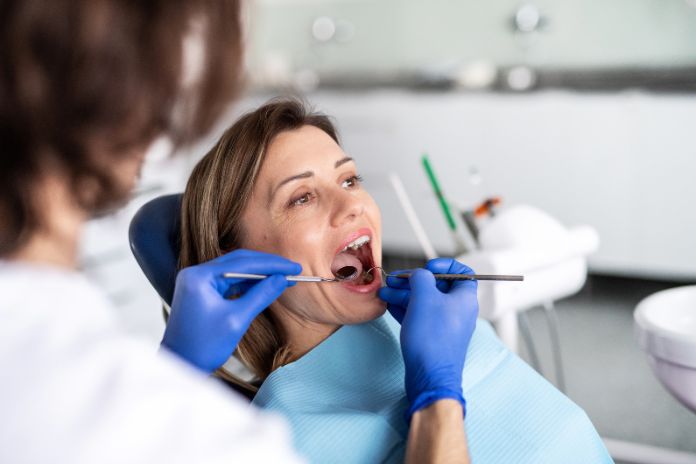
Routine dental examinations and professional cleanings are considered safe throughout pregnancy and are, in fact, recommended. The American College of Obstetricians and Gynecologists states in its clinical guidance that dental care, including necessary treatment and X-rays with proper shielding, is safe during pregnancy and should not be delayed solely because of pregnancy.
Many people are unsure whether to schedule a dental cleaning during pregnancy, but routine preventive visits are not only safe but specifically encouraged, given the increased risk of pregnancy gingivitis.
Dental emergencies, including infections, abscesses, and significant toothache during pregnancy, should not be postponed until after delivery. Untreated dental infections carry risks, including the potential for spread, and the discomfort itself can affect sleep, nutrition, and overall well-being during pregnancy.
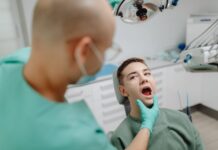
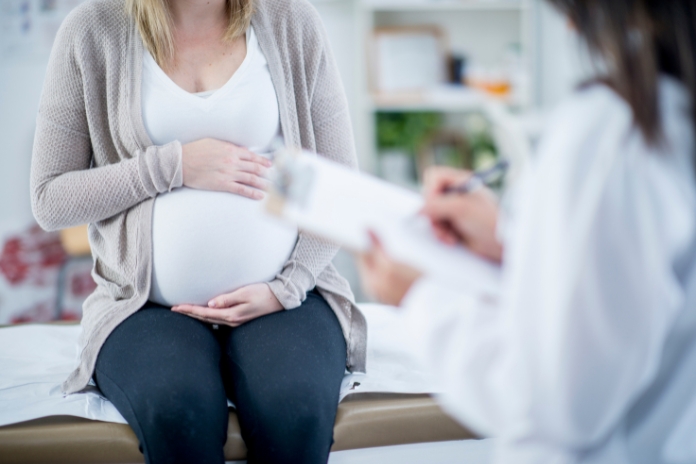
Telling your dentist that you’re pregnant, including your due date or trimester, allows them to make appropriate adjustments. This includes considerations around positioning during longer procedures, medication choices, and timing of elective versus necessary treatments. Sharing your full medical history and any medications or prenatal vitamins you’re taking helps the dental team coordinate care appropriately.
Are Dental X-Rays and Local Anesthesia Safe During Pregnancy?
Dental X-rays use a very low dose of radiation, and modern equipment, combined with protective lead aprons, further minimizes exposure to the abdominal area. When a dental X-ray is clinically necessary to diagnose or treat a problem, the benefit of accurate diagnosis generally outweighs the minimal theoretical risk, particularly with proper shielding.
Elective, non-urgent X-rays are sometimes deferred as a matter of caution, but this is a clinical judgment made case by case rather than a blanket prohibition.
Local anesthetics commonly used in dental procedures are generally considered safe during pregnancy when administered appropriately. Dentists typically select anesthetic formulations and dosages with pregnancy in mind, and necessary dental work, including fillings and extractions, can generally proceed using these medications.
It’s worth weighing the safety of dental treatment against the risks of avoiding it. An untreated cavity or infection can worsen, potentially requiring more invasive treatment later, and can contribute to pain, poor nutrition, and stress, all of which carry their own downsides during pregnancy. Timely care is generally the safer overall path.
How to Protect Your Oral Health During Pregnancy
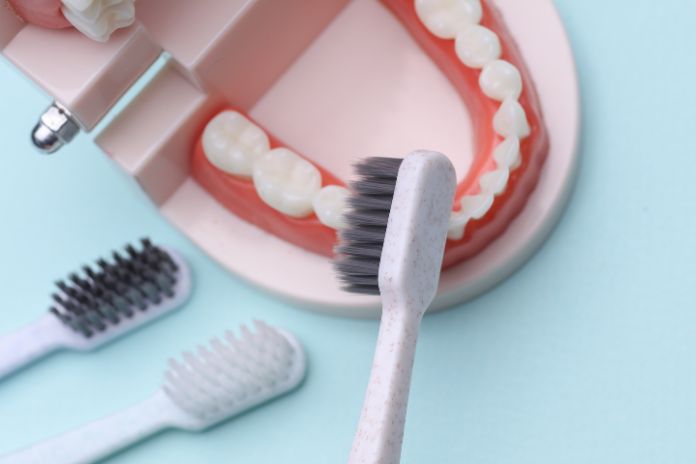
Consistent brushing with fluoride toothpaste remains the foundation of oral health during pregnancy, just as it is outside of pregnancy. A soft-bristled brush can help if gums are particularly tender. Daily flossing removes plaque from between teeth that brushing alone misses, which is particularly relevant given how reactive gum tissue can become during pregnancy.
A diet that includes adequate calcium, vitamin D, and phosphorus supports both general prenatal health and the development of the baby’s teeth, which begin forming during pregnancy. Reducing how often sugary foods and drinks are consumed, rather than necessarily eliminating them, helps limit the number of acid attacks on enamel throughout the day. Adequate hydration supports healthy saliva flow, which directly protects enamel and washes away food debris.
Routine checkups allow a dental professional to catch gum inflammation or early decay before they progress, which is particularly valuable given how quickly pregnancy gingivitis can develop.
Read More: Is It Safe to Follow a Vegan Diet During Pregnancy? What Experts Want You to Know
What to Do if Morning Sickness Is Affecting Your Teeth
Brushing right after vomiting can actually spread stomach acid across the enamel surface while it’s still softened, potentially worsening erosion rather than helping.
A gentler approach is to rinse with plain water or water mixed with a small amount of baking soda to help neutralize acid before brushing. Waiting roughly 30 minutes before brushing gives enamel time to reharden somewhat.
If morning sickness is severe enough to cause frequent vomiting over an extended period, it’s worth discussing with a healthcare professional, both for oral health and because severe, persistent nausea can affect nutrition and hydration more broadly.
When Should You Contact a Dentist?
Bleeding gums during pregnancy that don’t improve with consistent oral hygiene over a couple of weeks warrant a dental evaluation rather than continued waiting.
Toothache during pregnancy that is sharp, persistent, or worsening should be evaluated promptly rather than managed with over-the-counter pain relief alone. Facial or gum swelling can indicate an infection that requires prompt dental attention, particularly if accompanied by fever or difficulty fully opening the mouth.
Any dental injury or broken tooth should be assessed as soon as possible to prevent further complications. While pregnancy tumors are usually benign and self-limiting, any growth that continues to enlarge, bleeds significantly, or causes functional problems with eating should be evaluated.
The Takeaway: Healthy Gums and Teeth Are Part of a Healthy Pregnancy
Pregnancy oral health deserves more attention than it typically receives in prenatal conversations. Hormonal changes during pregnancy can increase the risk of gum inflammation, cavities, enamel erosion, and other oral health issues, and these changes are a recognized physiological response rather than a sign of neglect.
Most pregnancy-related dental problems can be prevented or effectively managed with consistent oral hygiene and routine dental care. Regular dental visits and prompt treatment of any oral health concerns are an appropriate and safe part of prenatal care, not something that needs to wait until after delivery.
Persistent bleeding, severe pain, swelling, or unusual growths should always be evaluated by a dental or healthcare professional rather than dismissed as just another pregnancy symptom to push through.
References
- American College of Obstetricians and Gynecologists. (2013). Oral health care during pregnancy and through the lifespan (Committee Opinion No. 569).
- Boggess, K. A., & Edelstein, B. L. (2006). Oral health in women during preconception and pregnancy: Implications for birth outcomes and infant oral health. Maternal and Child Health Journal, 10(5 Suppl.), S169-S174.
- Danesh-Meyer, M. J., & Devaiah, A. K. (2015). Relationship between gingival inflammation and pregnancy. Mediators of Inflammation, 2015, Article 623427.
- George, A., Johnson, M., Blinkhorn, A., Ajwani, S., Bhole, S., Ellis, S., Yeo, A. E. T., & Crocombe, L. (2019). The oral health status, practices and knowledge of pregnant women in south-western Sydney. Australian Dental Journal, 64(1), 75-83.
- Kumar, P. S., & Samelson, R. (2021). Oral health during pregnancy. The Journal of the American Dental Association, 152(6), 514-521.
- Nayot, D., & Sachar, S. (2025, March 6). Bleeding gums during pregnancy: Causes, treatment, and prevention. Parents.
- Saini, R., Saini, S., & Sharma, S. (2024). Periodontitis and adverse pregnancy outcomes: An updated review. Current Oral Health Reports.
- Sanz, M., Kornman, K., & Working Group 3 of the Joint EFP/AAP Workshop. (2013). Periodontitis and adverse pregnancy outcomes: Consensus report of the Joint EFP/AAP Workshop on Periodontitis and Systemic Diseases. Journal of Clinical Periodontology, 40(Suppl. 14), S164-S169.
- Theophilou, V., Aroni, K., & Kotsanos, N. (2019). Oral manifestations and complications during pregnancy: A review. European Journal of Dentistry, 13(2), 299-304.
- Yadav, K., Prakash, S., & Sharma, P. (2025). Pregnancy gingivitis: Prevalence, risk factors, and management strategies. BMC Oral Health, 25, Article 112.
In this Article