












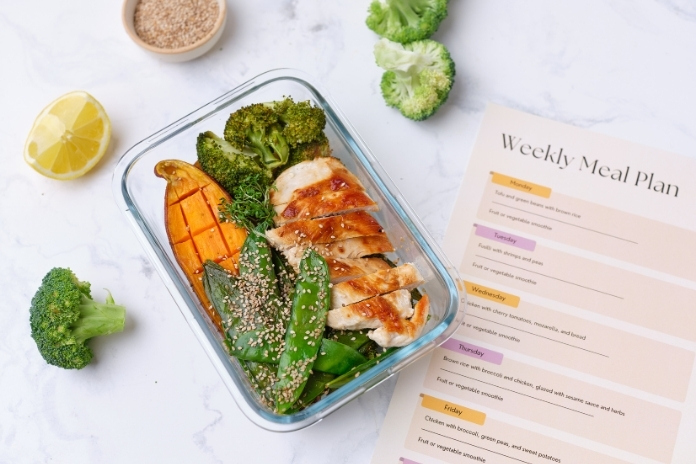
It’s not necessary to spend hours in the kitchen every day or follow intricate recipes to eat for heart health. By helping you prepare balanced meals ahead of time, reducing your reliance on processed foods, and maintaining regular healthy habits, heart-healthy meal prep streamlines the process.
You can better control portion sizes, monitor sodium intake, and ensure your meals promote long-term cardiovascular health by using a planned meal-prep strategy for heart health. This article will discuss how heart-healthy meal planning works, what foods to prioritize, how to establish a weekly schedule, and useful tactics for maintaining a healthy diet.
- Planning eliminates processed food reliance, giving you total command over your sodium, portion sizes, and hidden sugars.
- Focus on the “plate method,” filling your meals with lean proteins, high-fiber whole grains, and omega-3-rich healthy fats.
- Protect your blood pressure and cholesterol levels by avoiding common pitfalls like processed meats, fried foods, and sneaky sugary drinks.
Read More: 8 Best Meal Prep Containers for Balanced Nutrition
Why Meal Prep Can Support Heart Health
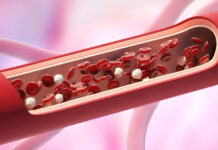
Millions of people die from cardiovascular disease (CVD) every year, making it world’s leading cause of mortality. The burden of heart-related disorders is not only physical but also emotional and financial, ranging from high blood pressure and atherosclerosis to heart attacks and strokes.
Cardiovascular health is significantly influenced by lifestyle factors, especially nutrition, even though heredity also plays a role. Meal planning is just as important to a heart-healthy diet as what you consume. You can reduce the risk of heart disease, manage cholesterol, lower your blood pressure, and also maintain a healthy weight by carefully planning your meals.
The goal of a heart-healthy diet is to provide the body with the proper ratio of nutrients to maintain healthy blood vessels and a robust heart. Important elements of a heart-healthy diet include:
Healthy fats: Include healthy fats that can reduce dangerous cholesterol levels.
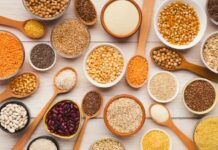
Foods High in Fiber: Fruits, vegetables, whole grains, and legumes help regulate cholesterol and promote a healthy digestive system.
Lean Protein: Foods that supply essential nutrients without raising the risk of heart disease, such as fish, poultry, and plant-based protein.
Low Sodium: Cutting back on sodium consumption to support good blood pressure.
Foods High in Antioxidants: Foods that support the fight against inflammation and also oxidative stress, which are associated with heart disease.
According to Dr. Roberta R. Holt from UC Davis, “Our diets, or lack of exercise, or other lifestyle factors–smoking, drinking too much, et cetera– just basically produce wear and tear on the body. You get oxidative stress, which changes your metabolism. She adds, “Over time, this accumulated oxidative stress may lead to chronic illnesses such as cardiovascular disease. On the other hand, a diet rich in whole, nutrient-dense foods can support vascular function, reduce plaque buildup, and keep our arteries flexible and responsive.”
What Does a Heart-Healthy Eating Pattern Look Like?
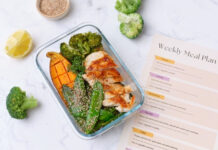
A nutritious plate is the first step towards heart wellness. Using the “plate method”—filling half your plate with veggies, one quarter with whole grains, and one quarter with lean protein is an easy and efficient way to create balanced meals.
To optimize nutrient intake, choose whole, less-processed foods over highly refined or packaged foods. Additionally, drinking water or unsweetened liquids to stay hydrated promotes heart health and reduces added sugar intake.
Lean protein options play a key role in foods for heart health:
- Omega-3 fatty acid-rich fish
- Lentils and beans
- Skinless poultry
Healthy fats are essential for a cholesterol-lowering diet plan. Include:
- Seeds and nuts
- Olive oil
- Avocados
Read More: Meal Prep Containers: 8 Best Options for Portion Control and Meal Planning
The Best Eating Patterns for Heart Health
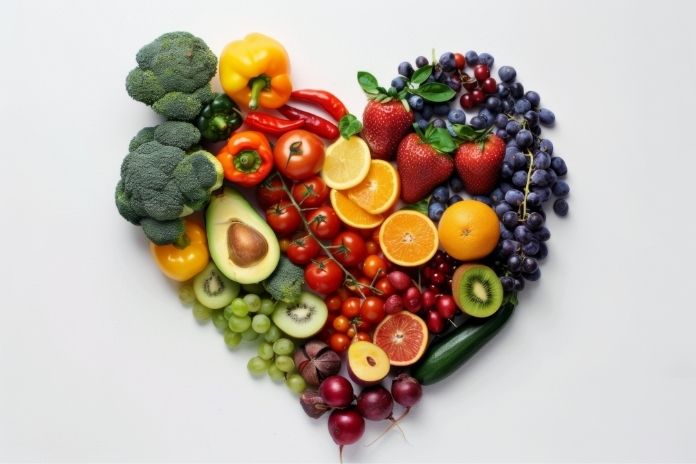
In addition to creating a nutritious plate, research has indicated two eating habits that are good for your heart and overall health:
Mediterranean Diet
This diet is rich in lean protein, healthy fats, and plant-based foods. According to studies, it may lower your blood pressure, diminish inflammation, and improve cholesterol levels, all of which may minimize the risk of heart disease.
Important characteristics consist of:
- The primary source of fat is olive oil
- Lots of whole grains, legumes, fruits, and veggies
- Fish and poultry consumption should be moderate
- Minimal consumption of processed foods and red meat
DASH Diet (Dietary Approaches to Stop Hypertension)
The DASH diet, originally developed to lower high blood pressure, also enhances cardiovascular health overall.
Important characteristics consist of:
- High consumption of low-fat dairy, fruits, and vegetables
- A focus on nuts, lean protein, and nutritious carbohydrates
- Decreased consumption of sugar and salt
- Regulated portion amounts and a balance of macronutrients
How to Plan a Week of Heart-Healthy Meals
It takes careful planning to balance the nutrients, reduce processed food, and ensure you eat foods that promote cardiovascular health while preparing heart-healthy meals. To get you started, consider the following meal planning advice:
Emphasis on Whole, Unprocessed Foods: Eating whole, unprocessed foods is one of the best methods to promote heart health. Processed foods are often high in sodium, added sugar, and unhealthy fats, all of which raise the risk of heart disease. Rather, emphasize whole grains, lean meats, fresh produce, and healthy fats.
Plan Balanced Meals with Lean Protein: Protein is very necessary for maintaining muscle strength and overall health, but it’s crucial to choose lean sources to reduce the risk of heart disease from excess saturated fat. Choose plant-based proteins like tempeh and tofu, as well as lean proteins like fish, fowl, lentils, and beans.
Boost Your Fiber Consumption: Heart health and cholesterol reduction depend on fiber. Try to incorporate a variety of fiber-rich foods into your meals. Beans, lentils, fruits, vegetables, and whole grains, including oats, brown rice, quinoa, and whole wheat pasta, are all great sources of fiber.
Select Low-Sodium Options: High blood pressure, a significant risk factor for heart disease, may result from excessive sodium intake. Avoid processed and canned foods, which frequently have high salt content, to be cautious of your sodium intake.
Limit Portion Sizes and Eat Carefully: Eating in moderation is very essential for heart health and maintaining a healthy weight. Keep an eye on portion sizes, eat leisurely, and enjoy your meals to prevent overindulging.
Heart-Healthy Foods to Add to Your Meal Prep Routine
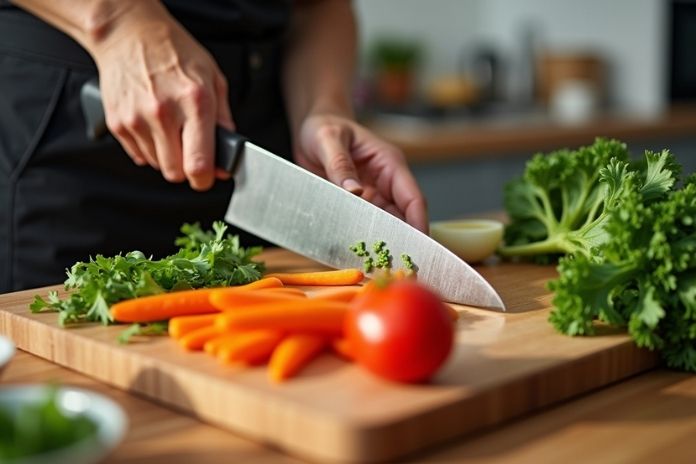
Fiber is essential for cholesterol management and digestive health. Omega-3 fatty acids support heart function. For variety, incorporate plant-based proteins and fish, such as salmon, into your heart-healthy diet meal plan. To improve flavor while adhering to low-sodium meal prep guidelines, use herbs, spices, citrus, and vinegar.
Read More: Simple Meal Prep Tips for Sustainable Weight Loss
A Simple Heart-Healthy Meal Prep Strategy for Busy Weeks
To improve your cardiovascular health, check out the heart-healthy menu.
Breakfast:
- Almond milk oatmeal with chia seeds, fresh berries, and honey on top.
- A flaxseed, spinach, and banana smoothie or a side of green tea.
Lunch:
- Steamed broccoli, quinoa, grilled salmon, and mixed greens dressed with lemon and olive oil.
- A tiny portion of walnuts or almonds.
Snack:
- Hummus with cucumber slices or carrot sticks.
- A handful of berries.
Dinner:
- Serve lentil soup over whole-grain bread and a small salad dressed with avocado and olive oil.
- For dessert, a piece of dark chocolate with at least 70% cocoa.
Common Meal Prep Mistakes That Can Affect Heart Health
Your diet directly affects your heart health by affecting inflammation, blood pressure, and cholesterol. These foods can be especially dangerous.
Red Meat: Red meats, including lamb, veal, and beef, are heavy in saturated fat and cholesterol. Therefore, before you start eating a juicy T-bone steak, remember that the animal fat in red meat is particularly harmful to your heart and arteries and should only make up a tiny portion of your diet.
Hot Dogs, Bacon, and Other Processed Meats: Bacon. These days, it can be found everywhere, whether it’s crushed over a handmade cocktail, added to a hamburger, or served as a side on a breakfast plate. You might assume it’s acceptable to savor that fatty, sizzling strip because it’s so frequently used in recipes. In actuality, bacon is high in sodium and saturated fat, both of which are associated with a higher risk of heart disease.
French Fries and Other Fried Foods: French fries, like all fried foods, are high in trans and saturated fats, which are very harmful to heart health. However, those fries also contain salt, which can pose a risk to your heart.
Cereals and Sugary Drinks: For breakfast, a bowl of cereal and juice. A soda and lunch. Before working out, have an energy drink. The amount of added sugar in many of the foods and beverages we regularly consume will surprise you! Sugar contributes to weight gain, which can result in obesity, diabetes, and high blood pressure, all of which are detrimental to the heart.
Read More: The Executive Function Diet: Can High-Protein Meals and Routine Help Calm ADHD-Related Anxiety?
Meal Prep Tips for People With High Blood Pressure or High Cholesterol

Pay Attention to Foods High in Fiber: Fiber helps regulate blood pressure and lowers cholesterol.
Reduce Saturated Fat Intake: Choose lean proteins and plant-based fats to support a cholesterol-lowering diet plan.
Limit Highly Processed Meats: Processed meats often contain high levels of preservatives and sodium.
Select Lower-Sodium Ingredients: To help with meal prep for high blood pressure, choose fresh or less processed foods.
Examine Nutrition Labels Carefully: You may efficiently control your intake of sugar, fat, and sodium by reading labels.
How to Store and Reheat Meal Prep Safely
Meal prep is only effective if food remains safe and delicious three or four days after cooking. Not only may improper storage or reheating alter flavor, but it can also cause illness. The most important practical food safety guidelines for weekly meal preparation are:
Types of Containers to Use: Depending on the type of food you’re storing, you’ll need a different container. For instance, you’ll need a different container for soup than for chicken and rice.
Labeling Containers: It’s crucial to label your products after you’ve chosen the container type. This will make it easier for you to remember what food is in each container and when it was prepared.
First-In, First-Out Method: Using a First-In, First-Out (FIFO) method is advised when preparing meals. This implies that the first prepared meal should always be consumed before the second. It may be taken for granted, but it’s easy to forget about the food at the back of your freezer or refrigerator. You can guarantee that meals are always fresh by employing a FIFO method.
Fridge vs. Freezer Storage: The refrigerator or the freezer is your two options for storing food for meal preparation. Every food-storage solution has its own advantages and disadvantages.
For meal-prep food to be consumed within 4 days, a refrigerator is a good choice. This contains prepared salads, stews, soups, and chicken and rice. For dinner preparations that will be consumed longer than four days later, a freezer is an excellent choice. Pizza, spaghetti, meat, and vegetables fall under this category.
Can Meal Prep Help With Weight Management?
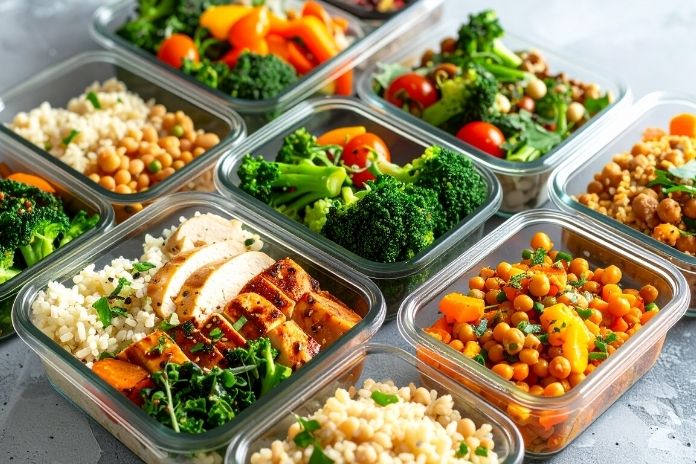
There is no doubt that meal preparation can aid in weight loss. Having meals ready to go makes it easier to avoid any late-night drive-thru runs or oversized takeout portions. When food is portioned ahead of time, it’s simpler to stay within a calorie goal without constant tracking.
Preparing a balanced option with lean protein, vegetables, and whole grains gives people a good foundation for little and steady progress. Meal prep also reduces decision fatigue, which means you’re less likely to give in to cravings when you’re tired or stressed.
Read More: Meal Prep Mastery: A Week’s Worth of Healthy Lunch Ideas
Conclusion
Making heart-healthy meal prep a regular part of your routine can have a significant impact on your long-term health. By organizing the meals in advance, you can choose a balanced option that promotes cardiovascular health and lessen your reliance on processed foods.
Over time, small changes like eating more veggies, choosing whole grains, and using healthy fats can add up. You may reduce your sodium intake, adjust portion size, and maintain good and consistent eating habits, even during hectic workweeks, by taking a deliberate approach to meal prep for heart health. Consistency and sustainability are more important than perfection.
FAQs
1. What Is the Best Diet for Heart Health?
For enhancing heart health, both the DASH and Mediterranean diets are strongly recommended.
2. Can Meal Prep Help Lower Cholesterol?
Yes, a structured, heart-healthy meal-prep routine supports better food choices and improved cholesterol levels.
3. What Foods Should I Limit for Heart Health?
Reduce your intake of processed foods, high sodium, and saturated fats.
4. How Much Sodium Is Too Much?
Any daily sodium intake over 2,300 mg, or around one teaspoon of table salt, is deemed unhealthy for the majority of adults. The FDA and the American Heart Association suggest this daily upper limit.
5. What Are Easy Heart-Healthy Meals for Beginners?
Easy heart-healthy meals like quinoa bowls or grilled salmon with veggies are great.
6. How Long Can Meal-Prepped Food Stay in the Refrigerator?
Depending on the type of food, it usually takes three to four days.
References
- Henry Pao. (July 24, 2025). Fuel Your Heart: How Nutrition Supports Cardiovascular Health.
- The View Hospital. Meal planning for a healthy heart.
- Mayo Clinic. (April 23, 2024). Menus for heart-healthy eating: Cut the fat and salt.
- Jenna Godfrey. (27 March, 2025). The heart-smart kitchen: A seven-day meal guide.
- Wen-Chih “Hank” Wu, MD. (February 1, 2023). Top Foods Cardiologists Want You to Avoid for Heart Health.
- A Dash of Macros. The complete guide to freezing & reheating your meal prep.
In this Article