
















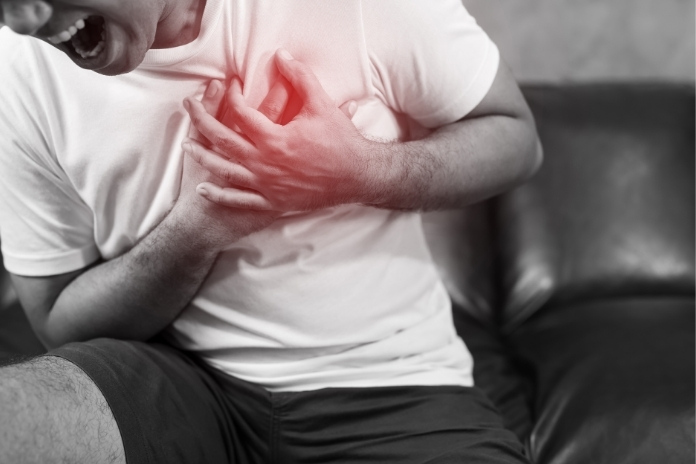
Three months after his bypass surgery, Robert sat in his cardiologist’s office describing a strange new problem. His scar had healed. His blood pressure was stable. But every time he climbed the stairs at home, his chest tightened, and his thoughts spiraled into worst-case scenarios. He had stopped going to his grandson’s soccer games because the excitement felt dangerous. His wife had noticed he barely smiled anymore.
What Robert was experiencing is remarkably common, and it has a name in clinical literature. The fear, low mood, and avoidance that follow a cardiac event are recognized symptoms that demand the same attention as cholesterol levels or ejection fraction. This is where cognitive behavioral therapy for heart disease enters the conversation as one of the most studied non-pharmacological interventions available to cardiac patients today.
CBT is a structured, time-limited form of psychotherapy that targets the thought patterns and behaviors keeping people stuck in distress. For someone living with cardiovascular illness, those patterns can directly worsen physical outcomes. Stress hormones spike. Sleep fragments. Medication adherence slips. The heart, already vulnerable, takes another hit.
In the sections that follow, we will examine why mental health is inseparable from cardiac care, how CBT works at a practical level, the techniques therapists use with cardiac patients, what the research actually shows about heart-related outcomes, and how to access these services through rehabilitation programs or independent providers.
- Anxiety and depression after heart disease can worsen physical outcomes, not just mental health.
- CBT helps by changing harmful thought patterns, improving stress control, and supporting healthier behaviors.
- Strong evidence shows better mood and quality of life, with some reduction in repeat cardiac events when paired with rehab.
- It’s not a replacement for medical treatment, but a powerful add-on that improves overall recovery.
Why Mental Health Matters in Heart Disease

The connection between emotional state and cardiovascular function is no longer controversial in modern cardiology. When the body activates its stress response, the sympathetic nervous system releases catecholamines that raise heart rate, constrict blood vessels, and increase oxygen demand on the myocardium. For a healthy heart, this is a temporary inconvenience. For a damaged one, it can be a precipitating event.
Depression and anxiety are not just side effects of being sick. They independently predict worse cardiac outcomes, including higher rates of recurrent events and mortality. A landmark study published in JAMA found that depression following myocardial infarction roughly doubles the risk of subsequent cardiac mortality. The biological pathways include elevated inflammation, platelet hyperreactivity, and reduced heart rate variability.
Dr. Karina Davidson, Senior Vice President of Research at Northwell Health and a leading behavioral cardiology researcher, has spent decades documenting these links. In her work, she has emphasized that depression in cardiac patients is associated with worsened prognosis and increased risk of cardiovascular events, framing psychological care as cardiac care rather than as an optional add-on.
The psychological challenges that follow a heart diagnosis tend to cluster in predictable ways. Patients describe an unfamiliar hypervigilance about bodily sensations. Mild chest discomfort that would have gone unnoticed before the diagnosis now triggers full panic. Many develop avoidance behaviors, withdrawing from intimacy, exercise, or even mild emotional excitement out of fear that arousal itself might be lethal.
What Is Cognitive Behavioral Therapy?
CBT rests on a simple premise with substantial empirical backing. The way a person interprets a situation shapes how they feel about it, and how they feel shapes what they do next. Change the interpretation, and the emotional and behavioral consequences shift accordingly.
This sets CBT apart from psychodynamic therapies that focus on early childhood or insight-oriented approaches that prioritize understanding over change. CBT is structured, goal-oriented, and typically delivered over a defined number of sessions. Patients are active collaborators rather than passive recipients, and homework between sessions is standard practice.
The therapy targets three interconnected systems. Cognitions include automatic thoughts, core beliefs, and the running commentary the mind generates throughout the day. Emotions include the felt sense of fear, sadness, anger, or relief. Behaviors include observable actions, from taking medication to avoiding the gym. CBT works on the premise that intervening at any point in this triangle produces change in the others.
How CBT Supports Heart Disease Patients

Reducing Anxiety and Depression
The fear of another cardiac event is one of the most disabling psychological complications of heart disease. Patients describe lying awake, monitoring their heartbeat, calling 911 over heartburn, or refusing to travel beyond a familiar radius from their hospital. CBT addresses this through systematic exposure and cognitive work that helps patients distinguish meaningful symptoms from harmless sensations.
For depression, the work often centers on the loss of identity that follows a serious diagnosis. A patient who once defined himself by athletic capability or professional drive may now feel like a permanent invalid. CBT helps reconstruct a workable self-concept that incorporates the illness without being consumed by it.
Improving Stress Management
Chronic stress activates the hypothalamic-pituitary-adrenal axis, keeping cortisol elevated, which contributes to insulin resistance, central adiposity, and endothelial dysfunction. CBT-based stress management teaches patients to recognize the early signals of stress activation and apply specific techniques to interrupt the cascade.
A randomized controlled trial published in Psychosomatic Medicine demonstrated that stress management training reduced ambulatory blood pressure and improved markers of autonomic function in patients with coronary heart disease. The effects persisted at follow-up, suggesting durable physiological change rather than temporary relaxation.
Encouraging Healthy Lifestyle Changes
Adherence is the unglamorous foundation of cardiac recovery. Patients know they should take their statin, walk thirty minutes a day, and eat less sodium. They often do none of these consistently. CBT addresses adherence not as a willpower problem but as a behavioral one with identifiable barriers.
Dr. Alan Rozanski, a cardiologist at Mount Sinai Morningside who has written extensively on behavioral cardiology, has argued that addressing psychosocial risk factors should be considered a core component of comprehensive cardiovascular care. His work has helped move behavioral interventions from the periphery of cardiology into mainstream practice.
Evidence: Does CBT Improve Heart Health Outcomes?
The evidence base for CBT in cardiac populations has matured considerably over the past two decades. The clearest and most consistent findings involve improvements in mental health and quality of life. Patients who complete CBT report significant reductions in depressive symptoms, anxiety, and perceived stress compared with usual care.
A systematic review and meta-analysis in the European Journal of Preventive Cardiology examined psychological interventions in coronary heart disease and found meaningful reductions in cardiac mortality and recurrent events when psychological care was integrated with cardiac rehabilitation. The effects on hard endpoints were smaller than the effects on mood, but they were statistically significant and clinically meaningful.
The Stockholm-based SUPRIM trial deserves specific mention. This study, published in Archives of Internal Medicine, randomized patients with coronary heart disease to traditional cardiac rehabilitation alone or rehabilitation plus a CBT-based stress management program. Over an eight-year follow-up, the CBT group experienced a 41 percent reduction in fatal and nonfatal first recurrent cardiovascular events.
That said, honest reporting requires acknowledging limitations. Not every trial has shown benefit on physical endpoints. Effect sizes vary by patient population, intervention intensity, and follow-up duration. Researchers continue to investigate which patients benefit most and which CBT components carry the greatest weight.
Read More: Heart Disease Prevention Tips Every Adult Should Know
Common CBT Techniques Used in Cardiac Care

Cognitive Restructuring
This is the technique most people associate with CBT. The therapist helps the patient identify automatic thoughts that arise in distressing situations, examine the evidence for and against them, and develop more accurate alternatives. A patient who thinks “any chest sensation means I’m dying” learns to generate alternatives like “this could be musculoskeletal, anxiety, or reflux, and I have a plan if it persists.”
The goal is not forced positive thinking. Patients with serious illness face real risks, and pretending otherwise would be both dishonest and counterproductive. The goal is accuracy, replacing catastrophic distortions with realistic appraisals that preserve appropriate vigilance without inducing constant terror.
Behavioral Activation
Depression and post-cardiac fear both produce withdrawal. Patients stop doing the activities that previously gave them pleasure or meaning, which deepens the depression in a self-reinforcing loop. Behavioral activation interrupts this cycle by scheduling activities regardless of motivation, working from the premise that action precedes feeling.
For cardiac patients, this is calibrated carefully. A therapist working alongside a cardiac rehabilitation team helps the patient build an activity hierarchy that respects medical limitations while pushing past psychologically driven avoidance.
Relaxation and Stress-Reduction Techniques
Diaphragmatic breathing, progressive muscle relaxation, and mindfulness-based techniques are standard tools in cardiac CBT. These are not decorative additions. They produce measurable changes in heart rate variability, blood pressure, and subjective stress.
Dr. Herbert Benson, founder of the Benson-Henry Institute for Mind Body Medicine at Massachusetts General Hospital, pioneered the clinical study of what he termed the relaxation response.
His research, published in the American Journal of Cardiology, helped establish that eliciting the relaxation response can produce measurable reductions in blood pressure and improvements in cardiovascular markers, providing a physiological rationale for techniques that critics had previously dismissed as soft.
Problem-Solving Skills
Heart disease creates a steady stream of practical problems. Insurance disputes, medication side effects, dietary restrictions at family gatherings, and changes in work capacity all demand decisions. Patients are overwhelmed by the accumulated stress that compounds their physical condition.
Structured problem-solving teaches a sequence: define the problem precisely, generate multiple possible solutions, evaluate each one, choose and implement, then assess the result. Patients often report that this framework alone substantially reduces their daily stress burden.
What to Expect in a CBT Program for Heart Patients
Most CBT programs for cardiac patients run between eight and sixteen sessions, with weekly fifty-minute appointments being typical. Programs may be delivered individually, in groups, or as a hybrid. Group formats offer the additional benefit of peer connection, which counters the isolation many cardiac patients describe.
Sessions follow a predictable structure. The therapist collaboratively sets an agenda, reviews homework from the prior week, introduces a new skill or concept, practices it in session, and assigns relevant homework. This structure is intentional. It maximizes the limited time available and ensures that gains made in session translate to daily life.
Integration with cardiac rehabilitation is increasingly standard at major medical centers. The American Heart Association and the American Association of Cardiovascular and Pulmonary Rehabilitation both recommend psychological screening and intervention as part of comprehensive rehab programs. When CBT is delivered alongside supervised exercise and nutritional counseling, the components reinforce each other.
Read More: What to Expect During Cardiac Rehabilitation
Who Can Benefit Most from CBT?
Patients screening positive for clinical depression or anxiety after a cardiac event are the clearest candidates. The Patient Health Questionnaire-9 and the Generalized Anxiety Disorder-7 are commonly used screening tools, and scores above clinical thresholds typically warrant referral.
Patients struggling with adherence are another group that benefits substantially. If someone has tried and failed multiple times to quit smoking, lose weight, or take medications consistently, the issue is rarely information. CBT addresses the underlying patterns that sabotage change.
Patients recovering from major cardiac events, including myocardial infarction, coronary artery bypass grafting, valve replacement, or heart failure exacerbation, face elevated rates of psychological distress in the months following. Even those without a formal psychiatric diagnosis often benefit from a structured approach to the emotional aftermath.
Are There Any Risks or Limitations?
CBT is not a substitute for medical treatment, and any framing that suggests otherwise is dangerous. A patient experiencing acute coronary symptoms needs cardiology, not cognitive restructuring. The two domains complement each other but do not interchange.
For severe major depression with suicidal features or psychotic symptoms, CBT alone is rarely sufficient. Combination treatment with antidepressant medication, sometimes including selective serotonin reuptake inhibitors that have favorable cardiac profiles, is often indicated. A psychiatrist with experience in medically ill populations should be involved in these cases.
Access remains a real barrier. Insurance coverage for psychotherapy varies widely; finding therapists with cardiac population experience can be difficult, and rural areas often lack qualified providers entirely. Telehealth has improved access considerably, but disparities persist along socioeconomic and geographic lines.
How to Get Started with CBT After a Heart Diagnosis

The conversation typically begins with a primary care physician or cardiologist. Most are now familiar with the evidence base and can provide referrals to qualified mental health providers. Patients enrolled in cardiac rehabilitation programs at academic medical centers often have psychological services built into the program structure.
Independent referrals are also viable. Psychology Today and the Association for Behavioral and Cognitive Therapies both maintain searchable directories of CBT-trained therapists, with filters for specializations and insurance acceptance. Looking specifically for therapists with training in health psychology or behavioral medicine increases the likelihood of finding someone familiar with cardiac populations.
Online and telehealth options have expanded considerably. Several platforms offer structured CBT programs delivered via video, with some specifically designed for cardiac patients. These can be particularly valuable for patients with mobility limitations, those in rural areas, or those whose energy reserves make in-person appointments difficult.
Read More: Telehealth and Heart Disease Management
Practical Self-Help Strategies Inspired by CBT
While these strategies do not replace formal therapy, they reflect core CBT principles and can provide meaningful support between or before professional sessions. Thought-checking is a foundational practice. When distress spikes, patients can pause and ask three questions: What am I telling myself right now? What is the evidence for and against this thought? What is a more accurate way to think about this?
Building daily routines anchors recovery. Regular wake times, scheduled meals, planned light activity, and consistent sleep windows all support both cardiac and psychological health. The structure itself is therapeutic, particularly during periods when motivation is low.
Stress management habits worth integrating include brief breathing practices several times daily, limiting stimulant intake in the afternoon and evening, and protecting time for activities that previously brought pleasure. None of these requires equipment or specialized training, and all are safe for the vast majority of cardiac patients.
When to Seek Additional Mental Health Support
Persistent low mood lasting more than two weeks, especially when accompanied by sleep disturbance, appetite changes, hopelessness, or loss of interest in previously valued activities, warrants professional evaluation. These are clinical depression symptoms, not normal recovery experiences.
Anxiety that interferes with medical follow-through is another red flag. Patients who skip cardiology appointments, refuse necessary procedures, or cannot tolerate prescribed medications because of anxiety need integrated care that addresses both the cardiac and psychological dimensions.
Any thoughts of self-harm or suicide require immediate attention. The 988 Suicide and Crisis Lifeline is available around the clock, and emergency departments are equipped to handle psychiatric emergencies alongside medical ones. Cardiac patients are at elevated risk for suicidal ideation in the first months after an acute event, and this risk should never be minimized.
Read More: Say Goodbye to Anxiety: Transformative CBT Techniques to Regain Control
Key Takeaway: Supporting Both Heart and Mind
Cognitive behavioral therapy for heart disease has moved from a peripheral concern to a recognized component of comprehensive cardiac care. The evidence supports its use for managing the depression, anxiety, and stress that commonly follow a cardiac diagnosis, with growing data suggesting benefits that extend to physical outcomes when therapy is integrated with rehabilitation.
The core insight that thoughts, emotions, and behaviors operate as a connected system gives patients a practical framework for participating in their own recovery. Cognitive restructuring, behavioral activation, relaxation training, and problem-solving skills are not abstract concepts but learnable tools that produce measurable change.
CBT does not replace cardiology, surgery, or medication, and any provider suggesting otherwise should be regarded with skepticism. What it offers is a complementary approach that addresses the psychological dimensions of cardiac illness with the same rigor applied to its physical dimensions, supporting healthier habits and better recovery outcomes when delivered alongside standard care.
References
- American Heart Association. (2014). Depression as a risk factor for poor prognosis among patients with acute coronary syndrome. Circulation, 129(12), 1350-1369.
- Blumenthal, J. A., Sherwood, A., Smith, P. J., Watkins, L., Mabe, S., Kraus, W. E., Ingle, K., Miller, P., & Hinderliter, A. (2016). Enhancing cardiac rehabilitation with stress management training. Psychosomatic Medicine, 78(7), 829-841.
- Dusek, J. A., & Benson, H. (2009). Mind-body medicine: A model of the comparative clinical impact of the acute stress and relaxation responses. American Journal of Cardiology.
- Frasure-Smith, N., & Lespérance, F. (2003). Depression and other psychological risks following myocardial infarction. JAMA, 289(23).
- Gulliksson, M., Burell, G., Vessby, B., Lundin, L., Toss, H., & Svärdsudd, K. (2011). Randomized controlled trial of cognitive behavioral therapy vs standard treatment to prevent recurrent cardiovascular events in patients with coronary heart disease. Archives of Internal Medicine, 171(2), 134-140.
- Richards, S. H., Anderson, L., Jenkinson, C. E., Whalley, B., Rees, K., Davies, P., Bennett, P., Liu, Z., West, R., Thompson, D. R., & Taylor, R. S. (2017). Psychological interventions for coronary heart disease. European Journal of Preventive Cardiology, 24(13), 1374-1396.
- American Psychological Association. (n.d.). Cognitive behavioral therapy (CBT).
- Cleveland Clinic. (n.d.). Cognitive behavioral therapy (CBT).
- National Center for Biotechnology Information. (2012). Cognitive-behavioral therapy. In Psychotherapy and counseling in the treatment of drug abuse.
- Mayo Clinic Staff. (n.d.). Cognitive behavioral therapy. Mayo Clinic.
- Harvard Health Publishing. (2024, June 5). What is cognitive behavioral therapy?
- OCD UK. (n.d.). Cognitive behavioural therapy.
- National Health Service. (n.d.). Cognitive behavioural therapy (CBT).
- Manipal Hospitals. (n.d.). What is cognitive behavioural therapy?
- Better Health Channel. (n.d.). Cognitive behaviour therapy.
In this Article