



















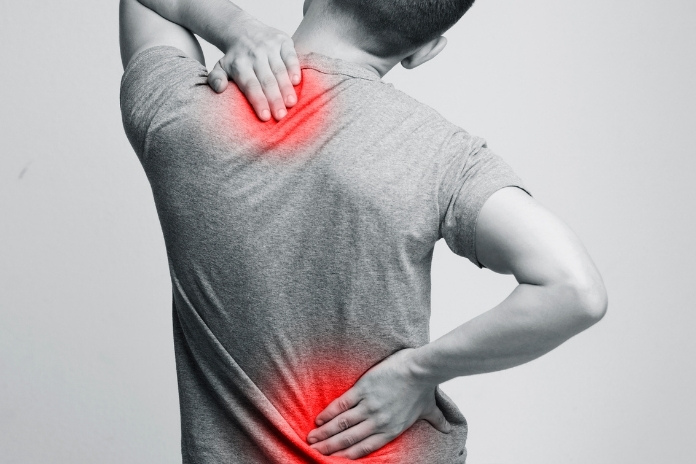
One of the most prevalent health complaints is back discomfort, often caused by poor posture, strained muscles, or spinal disorders. However, a lot of individuals are unaware that back pain and heart disease might occasionally be closely related.
A referred pain heart attack, in which the brain misinterprets pain signals from the heart, can sometimes be the cause of upper-back discomfort. It raises a crucial question: can heart problems cause back pain? Yes, particularly if a myocardial infarction or decreased blood flow causes pain that extends beyond the chest.
This article will describe the referred pain mechanism, highlight important symptoms, examine risk factors, and advise you on whether to seek emergency medical attention.
- Upper back pain can sometimes signal heart issues, especially when paired with nausea, sweating, or breathlessness.
- Heart-related pain often feels like pressure and may spread to the back, jaw, or arms.
- Seek urgent care if pain is sudden, severe, and doesn’t improve with rest.
Read More: 8 Heart Warning Signs During Exercise You Should Never Ignore, According to Cardiologists
What Is Referred Pain and How Does It Work?
A confusing phenomenon known as “referred pain” occurs when pain is felt at a site other than the one where the stimulus is applied. Patients may find it perplexing and deceptive, which makes diagnosis and treatment difficult.
Referred pain occurs when you experience pain in a different area of the body than its source. It occurs because the brain misinterprets the source of pain when sensory nerves from several body areas converge on the same spinal cord nerve pathways. For instance, a heart problem may cause pain in the shoulder or arm.
Distress signals from internal organs, such as the heart, pass through the spinal cord and combine with impulses from other regions, such as the shoulders or back. The brain may mistake heart discomfort for back pain, since it is better at processing signals from muscles and skin.
This is why chest pain radiating to the back can be confusing. The mouth, shoulders, and upper spine all share neural connections with the heart. It can lead people to mistake upper back pain for heart trouble.
Can Heart Disease Really Cause Back Pain?
When you consider the warning signs of a heart attack, you most likely think of some of the most prevalent symptoms that patients encounter: nausea, chest discomfort, and shortness of breath.
When you’re concerned about your heart health, you might not even notice back pain.
After all, your internal organs are typically unrelated to back discomfort. A pulled muscle, or a herniated disk, or a nerve injury typically causes back pain. Despite this, one of the most important indicators of a heart attack, particularly in women, is back pain.
An enormous amount of pressure builds when blood flow through a coronary artery is impeded. It frequently results in a feeling of pressure, cramping, or squeezing in the chest. Many patients have both chest and back pain before a heart attack because the pain can also radiate to the back.
Occasionally, the pain is limited to the upper back. You may also experience pain in your jaws, shoulders, belly, or neck. Exercise-induced back pain that goes away during rest may also indicate cardiac failure.
Types of Heart Conditions Linked to Back Pain

The several cardiac conditions that are associated with back discomfort include:
Angina: Angina is the pain that results from insufficient blood flow to your heart tissue. It frequently happens to those who have coronary artery disease. It frequently occurs when you’re pushing yourself. Angina pain can radiate to the neck, shoulders, and back, much like heart attack agony.
Heart Attack: A heart attack occurs when something cuts off the blood supply to your heart’s muscles. As a result, chest pain during a heart attack may radiate to neck, shoulders, and back.
Aortic Aneurysm: The biggest artery in the body is the aorta. When a portion of the aorta weakens, an aortic aneurysm develops. This weak spot may occasionally rip, which could result in a potentially fatal hemorrhage. We refer to this as aortic dissection.
An aortic aneurysm frequently develops with little to no symptoms. Nonetheless, some people could have chest pain or tenderness. Your back may also hurt in certain situations.
Read More: How to Exercise Safely After a Heart Attack, and Why Your Life May Depend On It
How to Tell if Back Pain Is Heart-Related
Distinguishing between heart pain and muscle pain can be challenging, but certain signs help:
- A squeezing, pressure-like feeling, frequently compared to having a weight on your chest, is reported by many patients
- Doctors often misdiagnose symptoms such as nausea or heartburn as stomach problems
- Abrupt sweating and dyspnea with little to no effort
- Weariness when doing basic chores like shopping or making the bed
- Breathing difficulties while resting that resolve when you sit up
- Chest pain that stops when you rest after straining yourself
When surrounding nerves get stimulated, pain from a heart attack frequently spreads (travels) to other parts of the body and can include:
- Men usually have arm discomfort in their left arm, but women may experience it in either or both arms
- Women are more likely than men to experience upper or lower back discomfort that is frequently concentrated (i.e., between the shoulder blades)
- Lower jaw pain on the left
Back Pain vs Heart Pain: Quick Comparison
Features of heart-related pain:
- Diffuse and difficult to pinpoint
- Feeling of pressure or squeezing
- Connected to physical effort or mental strain
- Systemic symptoms could be present
Features of pain associated with the muscles or spine:
- Localized or sharp
- Triggered by motion
- Becomes better with rest
- Absence of systemic signs
Risk Factors That Increase the Likelihood of Heart-Related Pain
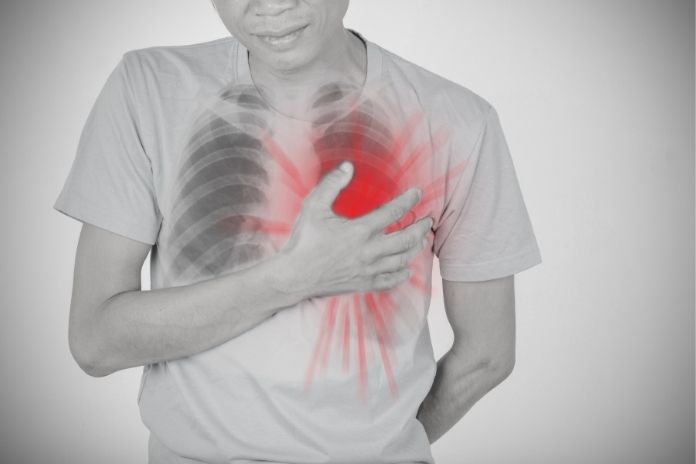
Specific cardiovascular risk factors greatly increase the likelihood that back discomfort is heart-related:
High Blood Pressure: One of the main risk factors for heart disease is high blood pressure. It is a medical disorder characterized by very high blood pressure in the arteries and other blood vessels. Your heart and other important organs, such as your kidneys and brain, may be impacted by uncontrolled high blood pressure.
Unhealthy Blood Cholesterol Levels: The liver produces cholesterol, a waxy, fat-like molecule found in some foods. Although your liver produces enough cholesterol to meet your body’s needs, you also consume additional cholesterol through your diet.
Excess cholesterol can accumulate in arterial walls, particularly in the heart, if we consume more cholesterol than the body can utilize.
Diabetes Mellitus: Your body requires glucose (sugar) to function. The pancreas produces the hormone insulin, which helps transport glucose from food into your body’s cells for energy. Diabetes is characterized by either insufficient insulin production, poor insulin use, or both.
Obesity: Excess bodily fat is obesity. Obesity is associated with lower levels of “good” cholesterol and greater levels of “bad” cholesterol and triglycerides. Obesity can cause heart disease, diabetes, and high blood pressure.
What to Do If You Suspect Heart-Related Back Pain
Recognizing the connection between back pain and heart disease early can save lives. Get medical assistance right away if:
- The pain is intense and abrupt
- Accompanied by dyspnea or chest pain
- Occurs with nausea or sweating
- Doesn’t get better with rest
Read More: Fast Heartbeat and Anemia: When Iron Deficiency Strains Your Heart
Diagnosis: How Doctors Identify the Cause

Because transferred pain can be deceptive, diagnosing it can be difficult. To identify the cause of transferred pain, medical experts employ a combination of diagnostic testing, physical examination, and medical history. This procedure could involve:
Medical History: Examining the patient’s medical history to determine any underlying issues.
Physical Examination: Performing a comprehensive physical examination to detect any indications of referred pain.
Diagnostic Tests: Examining possible causes of pain by using imaging tests like CT or MRI scans.
Can Back Pain Occur Without Chest Pain in Heart Disease?
Yes, and this is where it becomes dangerous. Some people experience a referred pain heart attack without chest pain at all:
- Prevalent among senior persons, women, and people with diabetes
- Fatigue, jaw or back pain, and mild discomfort rather than excruciating pain are possible symptoms
It explains why warning signs of heart disease in women often go unnoticed
Prevention: Reducing Your Risk of Heart-Related Pain

One of the main causes of death is heart disease. Certain risk factors, such as age, sex assigned at birth, and family history, are unchangeable. However, there are many other ways you can reduce your risk of heart disease.
Start using these suggestions to improve the health of your heart:
Give Up Smoking: The most crucial thing you can do to enhance your health if you smoke is to stop smoking. Try again if you’ve already tried and failed. You can create a strategy with your healthcare physician’s assistance.
Eat a Diet Low in Saturated Fat: You can lose weight by cutting back on the amount of saturated fat in your diet or substituting vegetable fats for animal fats. Even if you’re not overweight, it’s beneficial for your arteries.
Remain Active: Whether you’re an athlete or haven’t worked out in years, everyone must get regular exercise. Making it a habit and doing it frequently is the key. Three to four times a week, try to get in at least thirty minutes of aerobic exercise, or physical activity that raises your heart rate.
Understand Your Cholesterol: High-density lipoprotein (HDL) and low-density lipoprotein (LDL) are the two components of total cholesterol. These two provide vital information on your risk of heart disease. See your doctor if your HDL is low or your LDL is high.
Check Your Blood Pressure: It should be less than 130 mmHg over less than 80 mmHg, or 130/80. Our objectives have evolved, and both figures are significant. Regular moderate exercise and weight loss frequently return levels to normal.
Read More: Heart Failure and the 12-Hour Shift: How Long Work Hours Can Trigger a Cardiovascular Emergency
Conclusion
It’s crucial to consider the potential link between back pain and heart disease, even though most back pain cases are caused by muscles or poor posture. Identifying unusual patterns such as persistent upper back pain combined with nausea, sweating, or shortness of breath can help detect a potential referred pain heart attack early.
To avoid major issues and improve outcomes, prompt medical intervention is essential. It can save your life to be conscious of your body, recognize your risk factors, and refuse to ignore unexplained suffering. When symptoms seem strange or severe, always get a professional evaluation.
References
- Princeton Orthopaedic Associates. What is referred pain and how can you treat it?
- Phoenix Heart. (2020, April 21). Back pain: Could it be your heart?
- American Pain Consortium. (2023, February 6). Is there a link between heart health and pain?
- Calvary Medical Clinic. (2022, February 3). Back pain and heart attack: What’s the link?
- Snö Clinics. (2025, November 17). How to know if back pain is heart-related: Signs, causes, and when to seek help.
- Centers for Disease Control and Prevention. (2024, December 2). Heart disease risk factors.
- Mayo Clinic. (January 21, 2026). Strategies to prevent heart disease.
In this Article