



















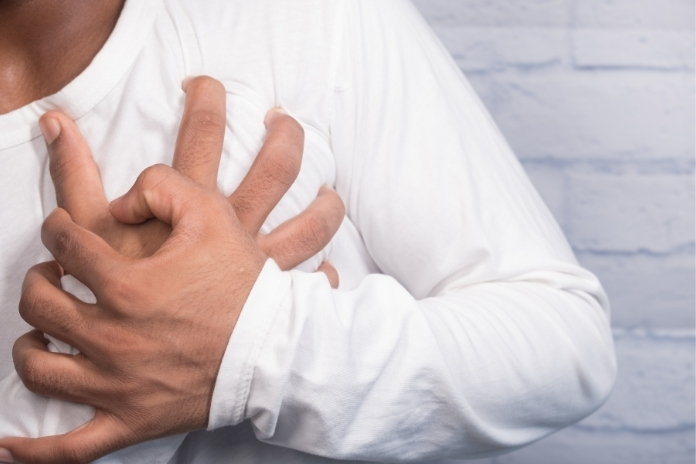
Many people are unaware of the complexity of the connection between depression and heart disease. Research increasingly shows that both are closely related, even though people often perceive one as a mental health issue and the other as a physical illness. In fact, there are significant, even surprising, connections between mental health and heart health.
The fact that mental health can have a direct effect on the cardiovascular system surprises a lot of people. Similarly, a cardiovascular disease diagnosis can greatly impact emotional and psychological well-being.
This article will examine the relationship between depression and cardiovascular disease, the biological and lifestyle factors that contribute to this relationship, typical warning indicators, and useful methods for enhancing both mental and physical well-being.
- The connection between depression and heart disease is two-way and increases risk via stress hormones and lifestyle changes.
- Depression can worsen heart outcomes by reducing activity, sleep quality, and medication adherence.
- Treating both together improves survival, reduces hospitalizations, and supports overall recovery.
Read More: Exercise as a Frontline Treatment for Depression and Anxiety in Men
What Is the Connection Between Depression and Heart Disease?
The top cause of death in the US for both men and women is heart disease, often known as cardiovascular disease. Over 300 million people around the world suffer from depression, making it the greatest cause of disability, even if heart disease may be the main cause of mortality.
Researchers identify depression as a risk factor for heart disease, similar to diabetes, high blood pressure, and smoking. Understanding the relationship between the head and the heart is crucial. According to a more recent study, biological and physiological variables that cause mental health disorders like depression might also affect your risk of heart disease.
Stress hormones such as cortisol increase the risk of heart issues and contribute to mental health problems such as sadness and anxiety. High blood pressure, vascular damage, irregular heartbeats, and a compromised immune system can all result from unmanaged stress.
Individuals without a history of heart disease who suffer from depression are more likely than the general population to acquire heart disease. For instance, a person with depression may be more likely to abuse alcohol and have poor food and exercise habits, both of which increase the risk of heart disease.
How Depression Can Affect the Heart

It’s easy to reach for your favorite comfort food or skip working out when you’re feeling bad. However, even when you’re feeling down, it’s crucial to consider your heart health. People may feel overburdened when they are anxious, unhappy, or under stress. They are less likely to lead healthy lives. They might have a higher chance of:
- Increase your smoking
- Engage in no physical activity
- Get too little or too much sleep
- Overindulge in alcohol
- Fail to take their prescription drugs as directed
These bad habits can raise the risk of heart disease over time. Comprehending this relationship goes beyond treating a cardiac condition or controlling depression symptoms. It’s about understanding the complete picture of health and how cardiac and mental health are closely related.
Early depression treatment can dramatically lower the risk of a heart attack or stroke, improving overall cardiovascular health, according to research from the National Heart, Lung, and Blood Institute.
Families can feel encouraged to take action by investigating how these problems interact. Small adjustments may have a significant impact on improving quality of life, whether they involve stress management, adopting a heart-healthy lifestyle, or seeking expert care.
Signs of Depression in People With Heart Disease
Feeling depressed or dejected following a heart attack or cardiac surgery is rather typical. But as you heal, you should begin to feel better. Do not feel guilty if the depressive feelings persist or if further symptoms appear. You ought to call your healthcare practitioner instead. You may require treatment for depression.
Additional indicators of depression consist of:
- Feeling agitated
- Having difficulty focusing or making choices
- Experiencing fatigue or low energy
- Feeling powerless or hopeless
- Difficulty falling asleep or excessive sleeping
- A significant shift in appetite, frequently accompanied by weight gain or loss
- A loss of enjoyment in things you used to like, like having sex
- Feelings of remorse, self-loathing, and worthlessness
- Suicidal thoughts regularly
Read More: Thyroid or Depression? How Low T3 Levels Can Masquerade as Mental Health Issues
Can Treating Depression Improve Heart Health?

One of the main causes of disability, depression affects 20% of Americans at some point in their lives. People with cardiovascular disease (CVD) have a considerably greater incidence of depression.
About 38% of patients following coronary artery bypass graft surgery suffer from depression, and those who have had a heart attack are three times as likely to have depression as the general population. Additionally, depression significantly increases the likelihood that CVD patients experience heart-related symptoms and require hospital readmission.
According to research published today in the Journal of the American Heart Association, an open-access, peer-reviewed journal of the American Heart Association, treating anxiety and depression decreased ER visits and rehospitalizations among individuals with heart disease.
Psychotherapy, medication, or a combination of both reduced hospitalizations or ER visits by 75% in patients with anxiety or depression who had been hospitalized for heart failure or coronary artery disease. There was a decrease in deaths in certain instances.
Heart failure patients frequently experience anxiety and depression, and mental health can significantly affect a person’s risk of various illnesses, disability, and mortality.
Daily Habits That Support Both Mental and Heart Health
Maintaining a good healthy lifestyle is very essential for promoting mental and physical health.
Body Movement: It might alter your life to be conscious of your body and treat it with the dignity it merits. Thirty minutes of cardio activity boosts mental and heart health by producing feel-good chemicals like serotonin and dopamine, which naturally regulate mood. It is also the secret to longevity, enhances sleep, and lowers the incidence of dementia.
Develop Serenity: Breathing triggers the parasympathetic nervous system, which helps us de-stress and prevent the stress response. Prioritize getting around seven to eight hours of sleep every night. To establish a serene atmosphere that promotes sleep and, consequently, your health, keep the bedroom quiet and free of electronics. Keeping a notebook can help you focus on the good things in your life by recording your blessings.
Vitamin D: Put down your phones and engage more directly with a community! Excessive smartphone use has been linked to detrimental mental and physical health problems, like decreased physical fitness and diminished cognitive performance, according to studies. It’s very crucial to spend time outside in the sun, a fantastic source of vitamin D that can improve both physical and mental well-being.
Eat Well: Eating meals high in tryptophan can help release serotonin; therefore, gut health is important for mental wellness. In addition to being excellent for your digestive system, a Mediterranean diet can help cut cholesterol and the risk of coronary heart disease. Thus, maintain your fiber intake and avoid highly processed foods.
Read More: Post-Abortion Anxiety and Depression: What’s Normal and When to Seek Help
When to Seek Medical Help

Certain symptoms need to be treated right away, such as:
- Chest discomfort
- Breathing difficulties
- Extreme despair
- Thoughts of hurting oneself
These symptoms could point to major issues with depression and heart disease.
Managing depression and cardiovascular disease frequently calls for teamwork. This collaborative care concept guarantees comprehensive care. People could gain from consulting:
- Primary care doctors
- Cardiologists
- Mental health professionals
Read More: Emotional Burnout vs. Depression: How to Tell the Difference
Conclusion
The relationship between depression and heart disease is becoming more widely acknowledged as a very crucial component of total health. Research indicates that healing, lifestyle decisions, and long-term outcomes are all influenced by the close relationship between mental and physical health.
Treating depression and cardiac disease together improves treatment adherence, quality of life, and survival rates. Patients can develop resilience and avoid problems over time with a holistic strategy that promotes mental health and heart health.
Healthy lifestyle choices, early intervention, and regular medical attention can greatly lower risks and enhance recovery results. In the end, knowledge and prompt assistance enable people to manage both disorders and lead better lives effectively.
References
- Mental Health America. Depression and heart disease.
- MedlinePlus. (2024, February 27). Heart disease and depression.
- UC Health. (2025, August 17). The interplay between depression and heart disease: A two-way street.
- American Heart Association. (November 7, 2024). How does your mental health affect the heart?
- UF Health. Heart disease and depression.
- American Heart Association. (2024, March 20). Treating anxiety, depression in people with heart disease reduced ER visits, hospitalizations.
In this Article