















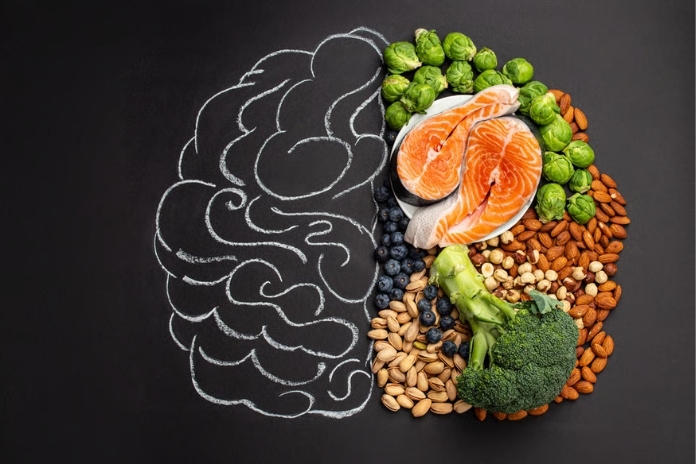
Researchers now understand that gut health and anxiety, gut health and depression, and overall emotional well-being are linked through a biological network called the gut–brain connection.
Growing evidence shows the two systems influence each other in real and measurable ways, and this article covers what the science says, whether digestive issues and depression are related, and what you can do to support both.
- Gut imbalances may contribute to anxiety, depression, and brain fog.
- Stress disrupts gut health, while diet and lifestyle can help restore balance.
- Simple habits like eating well, sleeping enough, and managing stress can improve both systems.
Read More: Prebiotics vs. Probiotics: How the “Fuel and Fleet” Strategy Supports Gut Health
What Is the Gut–Brain Connection?
Scientists call the communication network between your digestive system and your brain the gut–brain axis. At its center is the enteric nervous system, a dense web of more than 100 million nerve cells lining your gastrointestinal tract.
Because it operates independently and sends signals directly to the brain, researchers call it “the second brain.” It contains the same types of neurotransmitters found in the brain and plays an active role in mood regulation, immune function, and nervous system signaling.
The gut and brain stay in constant contact in both directions.
You have felt this in action: stress triggers nausea, bloating, or diarrhea, and persistent gut inflammation can contribute to anxiety or depression over time. Your brain regulates digestion; your gut reports back on nutrients, irritants, inflammation, and the state of your gut microbiota.
The Role of the Vagus Nerve and Nervous System Signaling
The vagus nerve is the most direct physical link between the gut and the brain. Running from the brainstem to the abdomen, about 80 percent of its fibers carry signals from the gut up to the brain.
Research confirms it senses metabolites produced by gut bacteria and relays that information to the brain’s central autonomic network. Disruptions to this signaling have been implicated in IBS, IBD, and mood disorders, and practices that support vagal tone, such as deep breathing, meditation, and yoga, may help calm both systems.
Can Gut Problems Contribute to Anxiety and Depression?
There has been a surge of interest in the potential connection between anxiety and gut health, and the relationship runs in both directions. Gut dysfunction can contribute to anxiety and depression, though anxiety and depression can also worsen digestive symptoms.
Someone with IBS may find a depressive episode intensifies flare-ups; someone with chronic anxiety may experience persistent nausea with no structural gut problem at all. Chronic gut symptoms also create a feedback loop: discomfort triggers anxiety, which worsens gut symptoms, which elevates stress further.
It is also important to acknowledge what scientists still do not fully understand. Most research here is observational: scientists can see that gut microbiome imbalances are associated with anxiety and depression, but cannot always confirm which comes first.
Many studies have been done in animals, and findings do not always translate to humans. The gut is one important piece of the picture, not the single cause of anxiety or depression in most people.
How the Gut Microbiome May Affect Mood
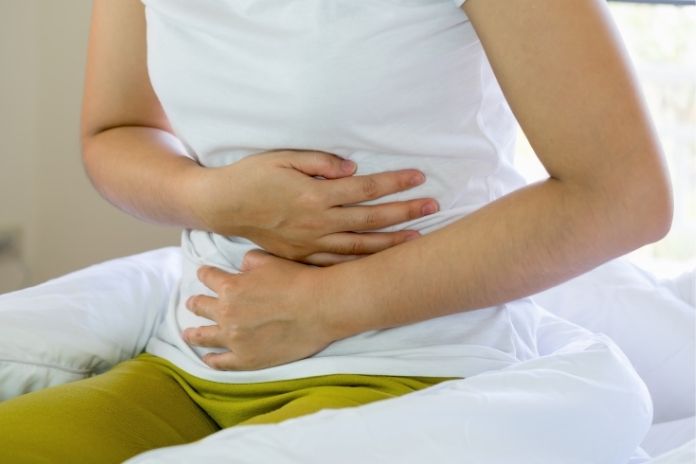
The gut houses trillions of bacteria, fungi, and other microorganisms, collectively called the gut microbiota. They do far more than aid digestion: they regulate the immune system, produce vitamins and short-chain fatty acids, and communicate with the brain through hormones and the nervous system.
When this balance shifts, a state called dysbiosis, it can trigger inflammation and disrupt the gut–brain axis.
Research consistently estimates that around 90–95 percent of the body’s serotonin, the neurotransmitter most associated with mood regulation, is produced in the gut. Gut bacteria also produce other neuroactive compounds including GABA and dopamine precursors.
Gut-derived serotonin does not cross the blood–brain barrier directly; it influences mood indirectly, through the enteric nervous system and the vagus nerve.
When the gut lining is inflamed, the immune system releases cytokines, proteins that can cross the blood–brain barrier and interfere with mood-regulating brain circuits. Chronic low-grade gut inflammation has been linked to both anxiety and depression.
Antibiotics can reduce microbial diversity for weeks or months. A diet high in processed foods and low in fiber starves beneficial bacteria. Chronic stress also reshapes the microbiota, which is one reason people experience more digestive symptoms during difficult life periods.
According to research, stress can significantly alter gut microbiota composition, leading to intestinal inflammation and disruption of the gut–brain axis. Managing stress through mindfulness, movement, social support, and therapy supports the microbiome and overall psychological well-being.
Read More: What Are “Butterflies in Your Stomach”? The Real Science Behind Gut Feelings
Digestive Conditions Commonly Linked to Anxiety and Depression
Mental health intersects with many gastrointestinal problems, including IBS, inflammatory bowel disease (IBD), GERD, chronic constipation, stomach ulcers, and functional gut disorders.
IBS and anxiety are closely linked. IBS is a functional gut disorder driven by miscommunication between the brain and gut, not structural damage. Anxiety rates are consistently higher in people with IBS, and anxiety reliably worsens symptoms like cramping, bloating, and irregular bowel movements, creating a cycle that is hard to break without addressing both sides.
Inflammatory bowel disease (Crohn’s disease and ulcerative colitis) carries a particularly high mental health burden. A large population-based study found that people with IBD had significantly higher rates of anxiety and depression compared to the general population, with the steepest rise in the first year after diagnosis. IBD is a physical disease with real immune and tissue changes, and its mental health association is not primarily psychological, and both conditions need to be managed together.
Stress also worsens GERD and chronic bloating, but it is important not to assume all functional gut disorders are “caused by stress.” Dismissing physical symptoms as purely psychological can delay proper care. Therapeutic approaches like DBT and CBT can address the emotional component of GI distress once a mental health connection has been established.
Signs Your Gut and Mental Health May Be Connected
Dysbiosis and Depression: A growing body of research links dysbiosis to higher rates of depression and anxiety. Research shows that people with depression tend to have altered gut microbiota, including reduced microbial diversity and imbalances in key bacteria like Bifidobacterium and Lactobacillus.
Stress and Digestion: Under stress, your body releases cortisol, which alters gut motility and increases gut permeability, sometimes called “leaky gut.” This allows unwanted substances to enter through the gut lining, triggering inflammation that can affect brain function.
Food Sensitivities and Brain Fog: Brain fog, fatigue, and trouble focusing can all signal gut inflammation or dysbiosis. When the gut barrier is damaged, the immune system may release cytokines that interfere with how the brain works.
Sleep and Appetite Changes: The gut microbiome helps produce precursors to melatonin, the hormone regulating your sleep cycle. Dysbiosis can disrupt this, contributing to poor sleep. Changes in appetite paired with gut discomfort and fatigue may point to a broader gut–brain imbalance worth discussing with a provider.
Can Improving Gut Health Help Mental Well-Being?

The good news is that you can improve your gut-brain connection daily.
Eat to Stay Balanced: A diet rich in fruits, vegetables, whole grains, and lean proteins supports gut microbiota diversity. Fermented foods like kimchi, sauerkraut, and yogurt provide natural probiotics. The Mediterranean diet is associated with lower rates of depression and anxiety, partly through its anti-inflammatory effects on the gut and brain.
Probiotics for Mental Health: Some evidence suggests specific probiotic strains may support mental health. Research shows certain probiotics can help lower cortisol levels, and a systematic review found probiotic and prebiotic treatment improved anxiety and depression symptoms in some patients. These are not guaranteed treatments, and responses vary considerably, as the microbiome is highly individual.
Not everyone responds the same way to gut-focused interventions. These strategies work best alongside professional guidance, not as a replacement for evidence-based care.
Manage Stress, Exercise, and Sleep: Stress disrupts gut bacteria directly. Regular movement lowers stress hormones and releases mood-enhancing brain chemicals. Poor sleep harms both mental health and gut function. Aim for seven to nine hours per night.
Read More: Your Gut Is a Second Brain: What That Actually Means for Your Health
The Role of Stress in the Gut–Brain Cycle
Chronic stress disrupts the gut–brain connection by altering gut motility, reducing microbial diversity, and increasing gut permeability. This raises anxiety, which makes the digestive tract more sensitive, which explains the strong link between IBS and anxiety and the intensified discomfort many people experience during stressful periods.
When cortisol stays elevated for weeks or months, the gut lining may become more permeable, bacterial balance shifts, and recurring digestive symptoms appear with no obvious physical trigger. Managing stress is essential for breaking this cycle. Regular movement, mindfulness habits, and consistent sleep all help settle both the gut and the nervous system.
When to Seek Medical or Mental Health Support

Do not dismiss digestive symptoms or mood changes that keep interfering with your daily life. If you experience ongoing bloating, abdominal pain, irregular bowel movements, or unexplained nausea, see a physician or gastroenterologist. These may reflect an underlying condition that needs diagnosis before lifestyle changes will help.
Persistent low mood, excessive worry, sleep disturbances, or loss of interest in activities lasting more than two weeks are worth discussing with a doctor or mental health professional. Both anxiety and depression are treatable, and catching them early leads to better outcomes.
For people whose gut and mental health symptoms are clearly intertwined, a combined approach involving a gastroenterologist, therapist, and nutritionist working in parallel often produces the most lasting relief.
Consider asking your provider: Could my digestive symptoms be connected to stress or anxiety? Should I be screened for depression? Is there a role for probiotics or dietary changes in my case?
Common Myths About Gut Health and Mental Health
There are still many misconceptions about gut health despite growing awareness. These misconceptions may lead to harmful behaviors or unnecessary food restrictions. Some of the most common myths are listed here.
“All anxiety starts in the gut” is an oversimplification. Anxiety is shaped by genetics, life experiences, brain chemistry, and many other factors. Gut health is one piece, not the whole picture.
“Gut cleanses can cure depression” has no scientific support. Your liver and kidneys handle detox; aggressive cleanses can disrupt gut bacteria and cause harm.
“One probiotic works for everyone” is false. The microbiome is highly individual, and in some cases probiotics may temporarily disrupt a gut that is already balanced.
Other misconceptions worth noting: bowel frequency varies (three times daily to three times weekly can both be normal); eliminating gluten is only necessary for celiac disease or confirmed sensitivity; and too much fiber can worsen IBS, so individual needs vary.
Read More: 6 Fermented Drinks You Should Drink for Gut Health (Backed by Evidence)
Conclusion
The gut–brain connection is real, well-researched, and worth taking seriously. Gut health and depression and gut health and anxiety are not simple cause-and-effect stories: these systems shape each other through the nervous system, immune system, and gut microbiome.
Digestive imbalances may contribute to mood symptoms in some people; mental health conditions can worsen gut function in others.
Supporting both through a balanced diet, stress management, regular movement, good sleep, and appropriate medical care is sound for nearly everyone. If your symptoms persist, speak with a healthcare provider who can look at your physical and mental health together.
References
- Johns Hopkins Medicine. The brain–gut connection.
- Mental Health America. The gut–brain connection.
- Irina Gorbounova, MD. (February 27, 2024). The Gut–Brain Connection: What It Is and How to Help Children.
- Jordan Hill, MCD, RD, CSSD. (February 20, 2026). The Gut–Brain Connection: How Gut Health Impacts Mental Health.
- BrainsWay. Gut health and anxiety: Understanding the connection.
- Tenchov, R. How your gut microbiome is linked to depression and anxiety.
- Amber Cohen, PsyD, CPsych. (August 16, 2023). The Connection Between Gut, Mood and Behaviour.
- Kaiser Permanente. (April 30, 2025). How your gut can affect your mood and mental health.
- Gleneagles Hospital Malaysia. Gut health myths and facts.
In this Article