


















She had waited months for her ADHD diagnosis, finally convinced that medication would quiet the mental noise she had lived with for years. Two weeks after starting her first stimulant prescription, she felt sharper and more productive in the morning, but by early afternoon, she was gripping her desk, heart hammering, certain that something was wrong.
Her focus had improved. Her anxiety had not. The experience is more common than many patients expect. Stimulant medications and ADHD medication anxiety can be paradoxical: the same neurochemical mechanism that helps regulate attention can, in some people and at certain doses, amplify rather than ease anxious arousal.
Understanding why this happens is the first step toward finding a treatment approach that addresses both conditions without undermining either.
- Stimulant medications for ADHD work by increasing dopamine and norepinephrine in the brain, which improves focus and executive function, but the same norepinephrine surge that sharpens attention also activates the sympathetic nervous system, which can produce or intensify anxiety symptoms in some people.
- ADHD medication anxiety is more likely to appear at higher doses, during rapid medication onset, or in individuals who already have a comorbid anxiety disorder, with 25 to 50% of people with ADHD also meeting diagnostic criteria for an anxiety condition.
- Physical signs such as a racing heart, jitteriness, and trouble sleeping, alongside mental signs like increased worry and a persistent sense of being on edge, are the clearest indicators that stimulants may be worsening anxiety rather than helping it.
- Adjusting dose or timing, switching formulations, reducing caffeine, and considering non-stimulant ADHD medications are all evidence-supported options, and all changes should be made only with a prescribing clinician’s guidance.
How Stimulant Medications Work in ADHD

Stimulants are classified as central nervous system stimulants and are considered first-line pharmacological treatment for ADHD by virtually every major clinical guideline. They work, but not in the way the name implies.
ADHD is associated with dysregulation of two primary neurotransmitters: dopamine and norepinephrine. In the prefrontal cortex, the region of the brain responsible for executive function, attention, and impulse control, these neurotransmitters help calibrate how efficiently neurons communicate with one another.
A review published in the Journal of Clinical Psychiatry clearly describes the mechanism: stimulants such as methylphenidate and amphetamine increase norepinephrine to strengthen the signal-to-noise ratio in the prefrontal cortex and increase dopamine to reduce background neural noise, thereby improving attentional filtering and executive function.
Methylphenidate accomplishes this primarily by blocking the reuptake transporters for both neurotransmitters. Amphetamine-based medications such as Adderall and Vyvanse also promote active release of dopamine and norepinephrine from presynaptic terminals, raising their availability across key brain regions.
Why Improved Focus Can Sometimes Reduce Anxiety
For many people with ADHD, anxiety is downstream of the disorder itself. Chronic disorganization, missed deadlines, and the accumulated weight of underperformance generate a persistent low-grade worry sometimes mistaken for a primary anxiety disorder. When stimulants work well, improved executive function reduces the anxiety source at its root.
A 12-week prospective study published in PubMed found that stimulant treatment in children with ADHD, including those with comorbid anxiety disorders, produced significant reductions in total anxiety scores, with improvements across generalized anxiety, separation anxiety, and school avoidance subscales.
How Stimulants Activate the Nervous System
Norepinephrine does not confine its effects to the prefrontal cortex. It is also the primary neurotransmitter of the sympathetic nervous system, the biological system responsible for the fight-or-flight response.
When norepinephrine levels rise systemically, the body can respond with increased heart rate, elevated blood pressure, heightened alertness, and physiological arousal that closely resembles anxiety. This is the crux of the stimulant paradox: the same chemical elevated to improve focus is the one that, in excess or in sensitive individuals, generates the physical sensations of an anxious state.
Read More: Top 5 Supplements for ADHD: Natural Support for Focus and Calm
Why ADHD Medications May Increase Anxiety in Some People
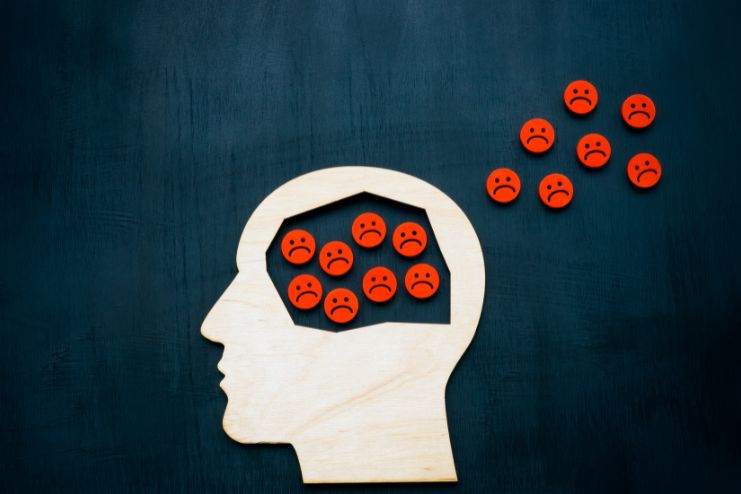
The therapeutic window for stimulants is narrow. At the right dose, norepinephrine and dopamine reach levels that support prefrontal function without overwhelming the peripheral nervous system. Above that threshold, dose-dependent side effects, including anxiety, nervousness, and irritability, become more likely.
Doses that exceed a patient’s individual tolerance, whether prescribed too high initially or increased too quickly, are one of the most common and correctable causes of ADHD stimulant side effects and anxiety.
Individual variation in how people metabolize and respond to stimulants is significant. Genetic differences in dopamine and norepinephrine transporter function, cytochrome P450 enzyme activity (which governs how quickly stimulants are broken down), and receptor sensitivity all influence how a given dose affects any particular person.
Some individuals experience pronounced sympathetic nervous system activation even at low therapeutic doses and respond better to lower doses, different formulations, or non-stimulant ADHD medications. When someone already has a diagnosed anxiety disorder alongside ADHD, the clinical picture becomes more complex.
Epidemiological research has consistently shown that 25 to 50% of people with ADHD also meet diagnostic criteria for a comorbid anxiety disorder, making this overlap clinically routine rather than exceptional. When both conditions coexist independently, stimulants can occasionally amplify the anxiety disorder while helping the ADHD, requiring careful co-management.
Short-acting stimulant formulations reach peak plasma levels faster and produce sharper concentration spikes than extended-release versions. For some patients, these rapid peaks are associated with more pronounced sympathetic activation during the rise phase and with rebound anxiety during the fall phase as medication wears off.
This “rebound anxiety” is a recognized phenomenon in which the body’s adjustment to falling stimulant levels temporarily produces an anxious, restless state that differs from the person’s baseline mood.
Common Signs Your ADHD Medication May Be Worsening Anxiety
A physical sense of internal vibration, difficulty sitting still, or an inability to feel settled are commonly reported stimulant side effects. While some restlessness is expected during dose adjustment, persistent jitteriness that does not improve within a few weeks warrants a medication review.
Palpitations, a noticeably elevated resting heart rate, or muscle tension in the jaw, chest, or shoulders can all reflect excess sympathetic nervous system activation from stimulants. These physical symptoms should be evaluated by a clinician, particularly if they are new, severe, or accompanied by chest discomfort.
Some people on stimulants notice that their mind, while more focused on tasks, also becomes more focused on problems, escalating concerns about things that would not ordinarily generate anxiety. This heightened state of mental arousal can cross the line from productive vigilance into rumination.
Sleep disruption is one of the most reliably reported dose-dependent side effects of stimulants, particularly when taken in the afternoon or evening, and it is tightly linked to anxiety: poor sleep increases anxious reactivity the following day, making stimulant-related arousal feel far more pronounced.
Irritability and a generalized sense of being on edge, where minor frustrations feel disproportionately difficult to tolerate, can reflect either excess sympathetic activation or rebound during medication decline. Distinguishing between these two causes matters for treatment decisions, which is where tracking symptom timing becomes essential.
The Difference Between Helpful Alertness and Excess Stimulation
Well-calibrated stimulant therapy typically produces a calm, grounded clarity rather than a wired sensation. The person feels more capable of sustaining attention without the accompanying physical arousal that signals overstimulation. If focus improves but the body feels tense, the heart feels fast, or the mind feels pressured rather than clear; that contrast itself is diagnostically meaningful.
Anxiety that reliably develops within one to two hours of taking a stimulant dose, coinciding with peak plasma concentration, strongly suggests a medication-driven effect rather than background anxiety. Keeping a simple log of dose time, symptom onset, and symptom intensity for two weeks can make this pattern visible and communicate essential information to a prescribing clinician.
If anxiety symptoms reliably diminish in the evening after stimulant effects dissipate, this timing pattern provides strong evidence that the medication is the primary driver. Conversely, if anxiety persists beyond medication timing, underlying anxiety disorder or other factors are more likely responsible.
Read More: The Anti-Anxiety Diet: What to Eat (and Avoid) for a Calmer Mind
Other Factors That Can Contribute to Anxiety on Stimulants

Caffeine is a central nervous system stimulant that works through adenosine receptor blockade and, at higher doses, activates the dopaminergic system. A 2024 meta-analysis published in Frontiers in Psychology, examining the association between caffeine intake and anxiety risk, found a meaningful relationship between higher caffeine consumption and anxiety symptoms.
When caffeine is combined with stimulant medication, the CNS activation from both compounds is additive, potentially pushing a person past their threshold for comfortable sympathetic arousal. Stimulants reliably suppress appetite. People on stimulants who forget to eat or who eat too little throughout the day often experience blood sugar fluctuations that amplify anxious feelings.
Dehydration has similar effects. The physical symptoms of mild dehydration and hypoglycemia, including light-headedness, shakiness, and a sense of unease, overlap substantially with anxiety and can interact poorly with stimulant-driven arousal. Sleep deprivation and anxiety have a bidirectional relationship. Stimulants already carry sleep disruption as a common side effect, particularly when taken in the afternoon or evening.
When sleep quality deteriorates, anxiety sensitivity increases the following day, and the stimulant dose that was tolerable on a well-rested day can feel overwhelming on a sleep-deprived one. This cycle is one of the more common reasons anxiety seems to worsen over time in otherwise stable stimulant users.
A major external stressor, whether a job change, a relationship transition, or a health event, raises baseline anxiety independently of medication. Under these conditions, a stimulant dose that was previously well-tolerated may suddenly feel too activating. The medication has not changed; the context has.
Read More: How to Find Your Personal Caffeine Limit (and Avoid Coffee-Induced Anxiety)
What to Discuss With a Healthcare Provider
The most common and frequently effective intervention is lowering the dose or taking it earlier in the day to minimize the overlap between peak plasma concentration and the hours when anxiety symptoms are most noticeable. Any dosage adjustment must be made by the prescribing provider, not independently.
Extended-release formulations generally produce a smoother, more gradual concentration curve than immediate-release versions, which can reduce both peak-related anxiety and rebound. Switching between methylphenidate-based and amphetamine-based formulations can also change the pharmacological profile in ways that improve individual tolerability.
Non-stimulant ADHD medications work through different mechanisms and generally carry a lower risk of anxiety-related side effects. Atomoxetine (Strattera) and viloxazine (Qelbree) are selective norepinephrine reuptake inhibitors. Alpha-2 adrenergic agonists such as guanfacine (Intuniv) and clonidine modulate norepinephrine receptor activity rather than raising norepinephrine levels.
A 2025 systematic review published in Frontiers in Psychiatry confirmed that non-stimulant options offer clinically meaningful alternatives for adults with ADHD and co-occurring anxiety conditions.
Dr. Lenard A. Adler, MD, Professor of Psychiatry at NYU Grossman School of Medicine and Director of the Adult ADHD Program at NYU Langone Health, has stated that for patients with ADHD and co-occurring conditions, “we have very effective treatments available that can improve quality of life,” emphasizing individualized treatment matching over a one-size approach.
If an anxiety disorder exists alongside ADHD independently of stimulant effects, treating only the ADHD without addressing the anxiety is rarely optimal. A thorough evaluation by a psychiatrist or psychologist can clarify whether anxiety is primary, secondary to ADHD, or medication-driven, guiding a more targeted treatment plan that may include cognitive behavioral therapy, medication for the anxiety disorder, or a combination approach.
Strategies That May Help Reduce Stimulant-Related Anxiety

Taking stimulants with a balanced meal rather than on an empty stomach can slow absorption and soften the concentration peak, reducing the intensity of early-dose sympathetic activation. It also helps avoid the appetite suppression cycle that leads to undereating and blood sugar volatility later in the day.
Reducing or eliminating caffeine while on stimulant medication is one of the simplest and most practical adjustments for managing ADHD medication, making anxiety worse. Even moderate caffeine intake can meaningfully amplify stimulant effects in people who are sensitive to CNS activation.
This is especially relevant for people who consume guarana-containing supplements or energy drinks, which can carry significantly higher caffeine loads than they realize.
Building consistent sleep hygiene practices, including a fixed sleep and wake time, limiting screen exposure before bed, and avoiding stimulants within six to eight hours of sleep, can reduce the anxiety-amplifying effects of sleep deprivation. Adequate hydration throughout the day addresses one of the most frequently overlooked contributors to stimulant-related discomfort.
A symptom journal that logs medication time, dose, meals, sleep hours, and anxiety level scored on a simple scale takes less than two minutes daily and generates a clear picture of whether symptoms are medication-driven. This information is far more actionable than a general report of “feeling more anxious” during a clinical appointment.
When to Seek Medical Advice Promptly
If stimulant use is associated with panic attacks, severe physical symptoms such as chest pain or difficulty breathing, or anxiety that substantially impairs daily functioning, the prescribing clinician should be contacted without delay. These symptoms may require an immediate dose adjustment or medication hold.
Severe insomnia, persistent nighttime anxiety, or a sleep pattern that has deteriorated dramatically since starting medication is a medical concern that should be addressed proactively. Untreated sleep disruption compounds both anxiety and cognitive function over time.
When anxiety related to stimulant use prevents a person from working, maintaining relationships, or managing basic daily tasks, the medication is causing net harm rather than net benefit. This threshold represents a clear signal that the current treatment approach requires reassessment, not simply patience.
Read More: Best Mindfulness Journals for Anxiety and Self-Reflection
Conclusion
The relationship between ADHD medication and anxiety is not a simple cause-and-effect. For many people, stimulants reduce anxiety by addressing its root cause: the cognitive overwhelm of untreated ADHD. For others, particularly those on higher doses, those sensitive to stimulant effects, or those with pre-existing anxiety conditions, ADHD medication anxiety can emerge as a real and limiting side effect.
Recognizing the pattern, understanding the mechanism, and acting on that information in collaboration with a prescribing clinician is the path forward. Non-stimulant alternatives, dose adjustments, formulation changes, lifestyle modifications, and targeted anxiety treatment all exist as tools.
The challenge is not that options are scarce. It is matching the right combination to the right person at the right point in their treatment, and that work is best done with a qualified provider who can evaluate the full picture.
References
- Adler, L. A. (2024). Adult ADHD Program profile. NYU Langone Health.
- Cleveland Clinic. (2024). ADHD medications: How they work and side effects.
- Frontiers in Psychiatry. (2025). Adult ADHD and comorbid anxiety and depressive disorders: A review of etiology and treatment.
- Liu, C., Wang, L., Zhang, C., Hu, Z., Tang, J., Xue, J., & Lu, W. (2024). Caffeine intake and anxiety: A meta-analysis. Frontiers in Psychology, 15, 1270246.
- Mulraney, M., et al. (2023). A meta-analytic review of the impact of ADHD medications on anxiety and depression in children and adolescents. BMC Psychiatry.
- National Center for Biotechnology Information. (2024). Attention-deficit/hyperactivity disorder medications for adults. NCBI Bookshelf.
- Paz, I., et al. (2021). Stimulant treatment effect on anxiety domains in children with ADHD with and without anxiety disorders: A 12-week open-label prospective study. PubMed.
- Sciberras, E., et al. (2015). Meta-analysis: Reduced risk of anxiety with psychostimulant treatment in children with ADHD. PMC.
- Stahl, S. M. (2021). Mechanism of action of stimulants in attention-deficit/hyperactivity disorder. Journal of Clinical Psychiatry.
- Talkiatry. (2025). Managing Adderall-induced anxiety: Tips from psychiatrists.
- Wilens, T. E. (2025). Faculty profile: Timothy E. Wilens, MD. Massachusetts General Hospital.
- Zhang, Y., et al. (2025). Effects of ADHD and ADHD medications on depression and anxiety in children and adolescents: A systematic review and meta-analysis. Journal of Psychiatric Research, 181, 623–639.
- Cleveland Clinic. (n.d.). ADHD medication.
- Faraone, S. V., et al. (2023). The pharmacology of ADHD medications: Mechanisms and implications. CNS Drugs.
- Washington University School of Medicine. (2023). Stimulant ADHD medications work differently than thought.
- Child Mind Institute. (n.d.). Understanding ADHD medications.
- Lakhan, S. E. (2023). How do stimulants actually work to reduce ADHD symptoms? The Conversation.
- DrugBank. (n.d.). Methylphenidate.
- Cortese, S., et al. (2021). Comparative efficacy and tolerability of medications for ADHD. The Lancet Psychiatry.
- Healthdirect Australia. (n.d.). ADHD medicines.
- Choice and Medication. (n.d.). How ADHD medication works.
- Pandion Health. (n.d.). Stimulant medication for ADHD: How do they work and what are the side effects?
In this Article