


















A 32-year-old runner walks into a clinic with weeks of unexplained thirst, fatigue, and sudden weight loss. Bloodwork reveals high blood glucose and the presence of islet autoantibodies. The diagnosis: autoimmune pancreas disease, specifically type 1 diabetes. For a different patient, painless jaundice and a thickened pancreas on imaging point to autoimmune pancreatitis.
Both conditions share a common origin, an immune system that has turned against the body it was built to protect. The pancreas is a small but critical gland that produces digestive enzymes and the hormones insulin and glucagon. When immune cells misread pancreatic tissue as a threat, the consequences can be severe and lifelong.
Understanding why this happens, how it is detected, and what treatment can offer is essential for anyone navigating a new diagnosis or family history. The information that follows draws on peer-reviewed research and clinical expertise to explain how autoimmunity affects the pancreas in clear, practical terms. It also addresses the genetic, environmental, and immunological pathways that researchers continue to map.
- Autoimmune pancreas disease occurs when immune cells lose tolerance and target the pancreas, leading to inflammation, beta cell loss, or duct damage over time.
- Type 1 diabetes and autoimmune pancreatitis are two distinct pancreatic autoimmune conditions, each with separate symptoms, diagnostic markers, and treatment pathways.
- Early diagnosis through autoantibody panels, imaging, and selective biopsy improves outcomes, while corticosteroids, insulin therapy, and immune-modulating drugs anchor current treatment.
Read More: Exploring Autoimmune Triggers for Type 1 Diabetes
What Does It Mean When the Immune System Attacks the Pancreas?
The immune system is engineered to distinguish friend from foe. Regulatory T cells, antibodies, and other immune sentinels normally keep self-attacks in check through a process called immune tolerance. In autoimmune pancreas disease, that filter fails. The body begins producing autoantibodies and activating cytotoxic T cells against the cells of the pancreas itself.
Two main targets exist within the gland: the insulin-producing beta cells in the islets of Langerhans and the ductal and acinar tissue that handles digestive enzymes. When immune cells attack beta cells, insulin production collapses. When the ducts and surrounding tissue become inflamed, digestion and bile flow are disrupted.
According to a 2025 review on Autoimmune Pancreatitis published in the Journal of Clinical Medicine, this immune-mediated damage can lead to both endocrine and exocrine pancreatic dysfunction over time.
Why does this happen here? The pancreas houses cells that are biosynthetically stressed, especially the beta cells, which secrete insulin around the clock. That metabolic strain can make them more visible to immune surveillance.
Genetic susceptibility, viral exposures, and immune misregulation work together to push the system from tolerance into attack mode. Once tolerance breaks, the response becomes self-amplifying, with damaged cells releasing more antigens that further fuel the autoimmune cycle.
Dr. Robert Carter, former deputy director of the National Institute of Arthritis and Musculoskeletal and Skin Diseases, has emphasized that while autoimmune conditions are often underrecognized, ”the burden of these diseases is enormous because they affect a lot of people and go on for a lifetime.” That lifetime burden is what makes early recognition so consequential, particularly for organs like the pancreas, where damage is often irreversible.
Key Autoimmune Conditions That Affect the Pancreas
Type 1 Diabetes
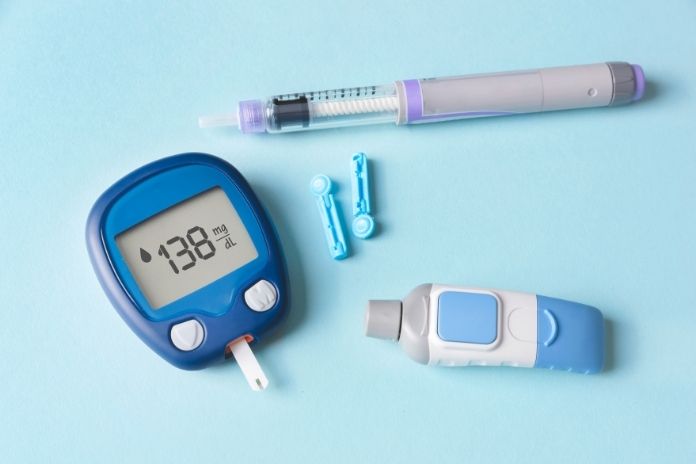
Type 1 diabetes is the most prevalent autoimmune pancreatic disease. It results from the targeted destruction of insulin-producing beta cells by autoreactive T lymphocytes, often beginning years before symptoms emerge.
A comprehensive clinical guide published in clinical literature describes how immune cells, particularly T lymphocytes, mistake beta cells for threats and destroy them, leaving patients dependent on lifelong insulin therapy.
The autoimmune process is gradual. Islet cell autoantibodies often appear long before blood sugar climbs into the diabetic range. By the time classic symptoms surface, the majority of the beta cell mass is already gone. This long subclinical phase is now the target of screening programs that aim to identify at-risk individuals before they reach insulin dependence.
Esther Latres, Ph.D., vice president of research at Breakthrough T1D, has emphasized that type 1 diabetes does not happen all at once, calling it “a progression” where some people remain asymptomatic while autoimmunity is already underway. That understanding has reshaped how researchers approach prevention, screening, and disease-modifying therapy in the years leading up to clinical onset.
Long-term effects extend beyond blood sugar. Without proper management, type 1 diabetes can damage the eyes, kidneys, nerves, and cardiovascular system. Tight glucose control, modern insulin pumps, and continuous glucose monitors have dramatically lowered complication rates compared with earlier decades.
Autoimmune Pancreatitis (AIP)
Autoimmune pancreatitis is a rare but well-documented form of chronic inflammation driven by the immune system. The Cleveland Clinic describes it as a disorder in which the body confuses healthy pancreatic cells for germs and tries to remove them.
There are two recognized subtypes and a third, newer category linked to immune checkpoint inhibitor therapy used in cancer treatment. Type 1 AIP is the pancreatic face of IgG4-related disease, a multi-organ fibro-inflammatory condition that can affect bile ducts, salivary glands, kidneys, and lymph nodes.
It tends to occur in men in their sixties or seventies and frequently relapses after treatment ends. Type 2 AIP is more localized, affects men and women equally, occurs at younger ages, and is often associated with inflammatory bowel disease.
Dr. John Stone, MD, MPH, director of clinical rheumatology at Massachusetts General Hospital and a global authority on IgG4-related disease, has explained that the condition was “discovered only 20 years ago, though it’s clearly not a new disease,” and noted it can affect ten or twelve organs, although not every patient has every organ involved.
That breadth of involvement is what makes diagnosis tricky and why patients sometimes see multiple specialists before answers arrive.
What Triggers Autoimmune Attacks on the Pancreas?
The exact triggers remain under study, but three contributors stand out: genetic predisposition, environmental exposures, and immune misidentification. Genetic susceptibility is the strongest known driver in type 1 diabetes.
Research published in The Lancet shows that the primary risk factor for beta cell autoimmunity is genetic, occurring mainly in individuals with HLA-DR3-DQ2 or HLA-DR4-DQ8 haplotypes, although an environmental trigger is generally needed to convert genetic risk into clinical disease.
Around 40 percent of type 1 diabetes genetic risk traces back to HLA class II alleles, and the rest is distributed across multiple smaller-effect genes. Environmental factors include viral infections, particularly enteroviruses such as coxsackievirus B, alongside diet and gut microbiome shifts.
A Frontiers in Immunology review describes how enteroviral infection rates correlate with type 1 diabetes incidence, with seasonal disease spikes following viral outbreaks. These exposures can prime the immune system to misread beta cell proteins as foreign, especially in genetically vulnerable individuals.
Immune misidentification is the central mechanism. When immune cells encounter stressed beta cells or altered self-proteins, they can launch an attack that becomes self-sustaining. For autoimmune pancreatitis, IgG4-positive plasma cells infiltrate the pancreas, deposit antibodies, and drive ductal narrowing and fibrosis throughout the affected tissue.
Researchers do not yet know why some genetically predisposed people develop the disease while others do not, or why autoimmune pancreatitis disproportionately affects older men. Active research is exploring gut microbiome influence, viral persistence, immune checkpoint pathways, and the role of beta cell stress itself in initiating immune attack.
Symptoms to Watch For
Type 1 diabetes symptoms can appear suddenly, especially in children and young adults. The hallmark presentation includes increased thirst, frequent urination, persistent fatigue, blurry vision, and unexplained weight loss. Without insulin, the body breaks down fat and muscle for fuel, which is why weight loss can be rapid and dramatic.
Untreated cases can progress to diabetic ketoacidosis, a medical emergency marked by nausea, vomiting, fruity-smelling breath, rapid breathing, and confusion. DKA still accounts for a significant portion of new type 1 diabetes diagnoses in the United States and is preventable with earlier recognition and screening.
AIP is harder to spot. The most common sign of type 1 AIP, present in roughly 80 percent of people, is painless jaundice caused by a blocked bile duct. Other indicators include upper abdominal discomfort, unexplained weight loss, new-onset diabetes, and steatorrhea, which is fatty, foul-smelling stool reflecting exocrine insufficiency.
Type 2 AIP often presents with recurrent episodes of acute pancreatitis. Because AIP imaging can mimic pancreatic cancer, misdiagnosis is a real risk. Some patients have undergone unnecessary surgery before the correct diagnosis surfaced. Symptoms may also be subtle or absent for months, delaying detection until complications such as bile duct strictures or diabetes appear.
How These Conditions Are Diagnosed
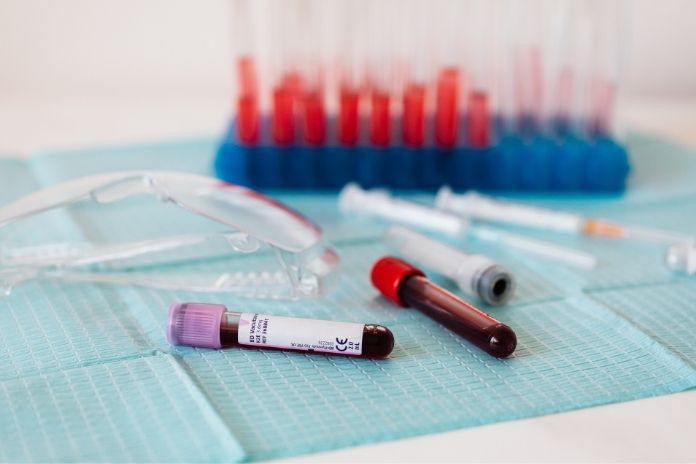
For suspected type 1 diabetes, clinicians measure fasting glucose, HbA1c, and a panel of islet autoantibodies, including GAD65, IA-2, ZnT8, and insulin autoantibodies. C-peptide levels gauge how much endogenous insulin the pancreas still produces.
For autoimmune pancreatitis, elevated serum IgG4 is a key marker, particularly for type 1 AIP, although it is not present in every case and is not specific enough on its own. Cross-sectional imaging using CT, MRI, or endoscopic ultrasound is central to AIP diagnosis.
The pancreas often appears diffusely enlarged with a characteristic sausage shape and narrowed ducts. Imaging also helps rule out pancreatic cancer, which is a critical step because the two conditions can look strikingly similar on initial scans. When imaging and serology leave doubt, a tissue biopsy provides definitive answers.
Endoscopic ultrasound-guided fine needle biopsy can reveal the lymphoplasmacytic infiltrate, IgG4-positive cells, and fibrosis typical of autoimmune pancreatitis. The Mayo Clinic HISORT criteria combine histology, imaging, serology, other organ involvement, and steroid response to confirm diagnosis with greater certainty.
Read More: Autoimmune-Friendly Supplements to Support Immune Regulation (Without Overstimulating It)
How Autoimmune Pancreatic Diseases Are Treated
Treatment is centered on insulin replacement. Options range from multiple daily injections to continuous subcutaneous insulin infusion pumps. Continuous glucose monitors give real-time feedback, helping patients dose accurately and avoid lows. Newer disease-modifying therapies, including teplizumab, can delay disease onset in high-risk individuals by interrupting the immune attack on beta cells.
Dr. Anne Peters, professor of medicine at the Keck School of Medicine of USC and a leading clinical diabetologist, has observed that recent advances mean clinicians are “closer than we ever have been to making it much easier for people to live with type 1 diabetes.”
Stem cell-derived islet replacement, immune therapies, and improved automated delivery systems are reshaping daily life for patients. Corticosteroids are the first-line treatment for autoimmune pancreatitis, and the response is often dramatic.
According to a study in Gut, steroid treatment relieves disease-related symptoms in most patients and reduces the rate of complications compared with no treatment. For relapsing or steroid-resistant cases, immunomodulators such as azathioprine and B-cell depletion therapy with rituximab are used to maintain remission. Both conditions require continuous follow-up.
People with type 1 diabetes need ongoing endocrinology care, eye exams, kidney function checks, and cardiovascular risk monitoring. AIP patients need surveillance for relapse, exocrine insufficiency, and secondary diabetes that can develop after pancreatic damage.
Bone health is also a concern, especially after long-term steroid exposure, and many clinicians add calcium, vitamin D, and bone density screening.
Can Autoimmune Pancreatic Conditions Be Prevented?
Right now, there is no proven way to prevent autoimmune pancreas disease. However, the field is moving toward early intervention. Screening at-risk relatives of people with type 1 diabetes for islet autoantibodies can identify people in pre-clinical stages, when therapies such as teplizumab may delay progression by approximately two years.
For autoimmune pancreatitis, prevention focuses on early diagnosis and minimizing relapse risk through maintenance therapy when appropriate. Research into vaccines targeting enteroviral infections, microbiome-based interventions, and antigen-specific immunotherapy is ongoing, but these strategies remain investigational and have not yet entered mainstream clinical practice.
Lifestyle factors such as a balanced diet, regular physical activity, and avoiding tobacco and excessive alcohol support overall pancreatic health, even if they do not prevent autoimmune disease directly. Maintaining a healthy weight also reduces the burden on the pancreas across the lifespan.
When to Seek Medical Attention
Specific symptoms call for prompt evaluation. Persistent thirst, frequent urination, fatigue, and unexplained weight loss should never be ignored, especially in children or young adults. Yellowing of the skin or eyes, dark urine, pale stools, or upper abdominal pain that radiates to the back warrants urgent attention.
Family history matters. A first-degree relative with type 1 diabetes raises lifetime risk substantially, and screening can identify autoimmunity before clinical disease emerges. Anyone with a known autoimmune condition who develops new digestive symptoms should mention it to their physician, because autoimmune diseases often cluster within the same person.
Living With an Autoimmune Pancreatic Condition
Day-to-day management depends on the condition but follows shared principles. Type 1 diabetes requires meticulous attention to carbohydrate counting, insulin dosing, exercise effects, and stress responses. Modern technology, including hybrid closed-loop insulin pumps, has reduced the cognitive burden significantly, though it has not eliminated it.
Autoimmune pancreatitis patients may need pancreatic enzyme replacement if exocrine function declines. Diet adjustments can help with malabsorption, and fat-soluble vitamin supplementation is sometimes necessary. Regular imaging surveillance helps catch relapse early and guides decisions about restarting immunotherapy.
Emotional health deserves equal attention. Living with a chronic immune-mediated disease can affect mood, work, relationships, and identity. Support groups, behavioral health referrals, and patient advocacy organizations provide practical and emotional resources that complement medical care and improve overall quality of life.
Read More: Is Inflammation the Root of All Chronic Diseases? What You Should Know
Key Takeaway: Autoimmunity and the Pancreas Are Complex but Manageable
Autoimmune pancreas disease covers a spectrum of conditions in which the immune system loses its ability to distinguish self from threat and turns against pancreatic tissue. Type 1 diabetes and autoimmune pancreatitis are distinct entities with their own causes, symptoms, and treatments, but they share an underlying theme of immune misdirection that researchers continue to unpack.
Early recognition transforms outcomes. Catching type 1 diabetes before ketoacidosis, identifying AIP before permanent fibrosis sets in, and screening high-risk individuals all improve long-term prognoses. Treatment options have expanded dramatically over the past decade, with disease-modifying therapies, advanced insulin delivery, and targeted immunotherapy are now available to a growing number of patients.
Research continues to clarify how genetic susceptibility, environmental triggers, and immune misregulation interact. As that understanding deepens, the prospect of true prevention and even functional cures for autoimmune pancreatic disease grows closer with each passing year.
Frequently Asked Questions
1. Can autoimmune pancreatic disease be cured?
Currently, there is no cure for autoimmune pancreas disease. Type 1 diabetes requires lifelong insulin therapy, while autoimmune pancreatitis is typically managed with corticosteroids and immune-modulating drugs. However, disease-modifying therapies and beta-cell replacement research are advancing rapidly.
2. Is autoimmune pancreatitis the same as chronic pancreatitis?
No. Chronic pancreatitis usually stems from alcohol use, gallstones, or genetic mutations and does not typically respond to steroids. Autoimmune pancreatitis is driven by immune dysfunction and responds well to corticosteroid therapy.
3. Can stress trigger autoimmune attacks on the pancreas?
Stress alone does not cause autoimmune pancreas disease, but chronic stress may worsen inflammation and immune dysregulation. Managing stress through sleep, exercise, and behavioral strategies supports overall immune balance.
4. Are children at risk for autoimmune pancreatic conditions?
Type 1 diabetes commonly presents in children and adolescents, although it can develop at any age. Autoimmune pancreatitis is rare in children but has been reported, particularly the type 2 subtype.
5. How is autoimmune pancreatitis different from pancreatic cancer?
The two can look similar on imaging, which is why misdiagnosis is a real risk. AIP responds to steroids, while cancer requires surgery, chemotherapy, or radiation. Elevated IgG4 levels and biopsy findings help distinguish AIP from malignancy.
References
- Breakthrough T1D. (2024). Disease modifying therapies for T1D treatment. Retrieved from
- Cardiometabolic Health Congress. (2023). Diabetes insights and updates with Dr. Anne Peters. Retrieved from
- Cleveland Clinic. (2023). Autoimmune pancreatitis: Symptoms, types, testing and treatment. Retrieved from
- Chari, S. T., & Sugumar, A. (2007). Optimising corticosteroid treatment for autoimmune pancreatitis. Gut. Retrieved from
- CreakyJoints. (2025). Your guide to IgG4-related disease. Retrieved from
- Houldcroft, C. J., & Doyle, K. M. (2021). Environmental determinants of type 1 diabetes: From association to proving causality. Frontiers in Immunology. Retrieved from
- Mallone, R., Halliez, C., Rui, J., & Herold, K. C. (2025). Type 1 diabetes: A guide to autoimmune mechanisms for clinicians. Retrieved from
- National Institutes of Health. (2010). NIH podcast provides insights on autoimmune diseases and their impact on women. Retrieved from
- Pociot, F., & Lernmark, A. (2016). Genetic risk factors for type 1 diabetes. The Lancet. Retrieved from
- Vemulapalli, V., Natha, C., & Thomas, A. S. (2025). Autoimmune pancreatitis: A review. Journal of Clinical Medicine. Retrieved from
In this Article