

















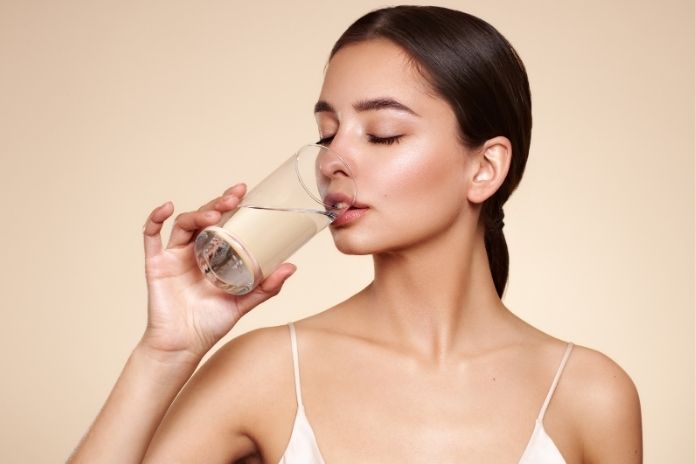
Does drinking more water improve skin elasticity? Yes, but mostly in people who are already chronically underhydrated. Research shows adequate hydration supports deeper skin layers and may improve elasticity and firmness over time, while excess water intake in already well-hydrated people produces only modest visible changes. A 2024 review linked chronic underhydration with accelerated biological aging, including skin aging. However, topical moisturizers still have a more direct effect on visible surface hydration and barrier repair.
Almost everybody says the same thing for skin now: just drink more water. Social media, beauty videos, and random wellness pages all repeat it like a guaranteed skin trick. But research on whether drinking water improves skin elasticity actually shows a more mixed and interesting picture. Water matters for skin, yes. But not in the magical way people say online.
A review connected chronic underhydration with faster biological aging across different body systems, including skin. That made the hydration discussion more serious than beauty advice only. Skin elasticity depends on too many other things, like UV damage, collagen breaking down, skin barrier health, smoking, and age. Water is never just a whole picture.
- More water intake can help skin elasticity, mainly when somebody is chronically underhydrated already.
- But visible dryness depends so much on skin barrier health, too.
- From sunscreen to taking less sugar, it still has a strong long-term effect on skin elasticity instead of drinking excessive amounts of water.
Read More: 10 Healthy Drinks That Can Boost Your Skin & Hair Naturally
What the 2024 Research Confirms: Hydration and Biological Aging
The big recent research on hydration came from a 2024 Nature Reviews Nephrology review by Dmitrieva and team. Researchers looked at chronic underhydration inside the body by using markers like higher serum sodium and plasma vasopressin levels. These are signs that the body may not be getting enough fluids regularly over so many years.
The important thing here: many articles are missing this point. The study was not saying people drinking 8 glasses should now drink 15 glasses for younger skin. Research is mostly talking about people on the lower end of the hydration spectrum. Meaning people who stay mildly dehydrated for years without realizing it.
Scientists found chronic underhydration linked with faster biological aging in many organs, including skin. The skin aging hydration connection is now becoming more accepted in research because dehydration creates stress inside the body at the cellular level. Some experts think this may affect collagen function and skin repair over time.
Another 2024 review also found that increasing water intake improved surface and deep skin hydration. Some participants showed better elasticity and firmness, too. But the strongest effects were seen in people who were drinking little water at baseline.
This qualifier is very important. Somebody already properly hydrated may see only a very modest difference from drinking extra water daily. So, the hydration and skin health relation is real. But mainly, correction of underhydration seems important, not extreme water intake.
The Mechanism: How Water Actually Reaches Skin Cells
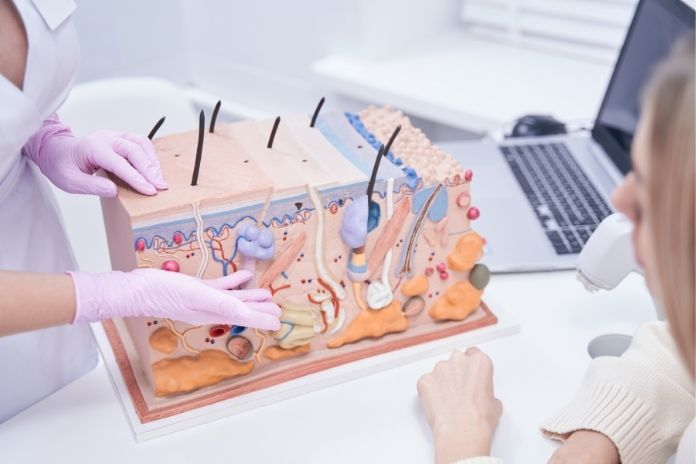
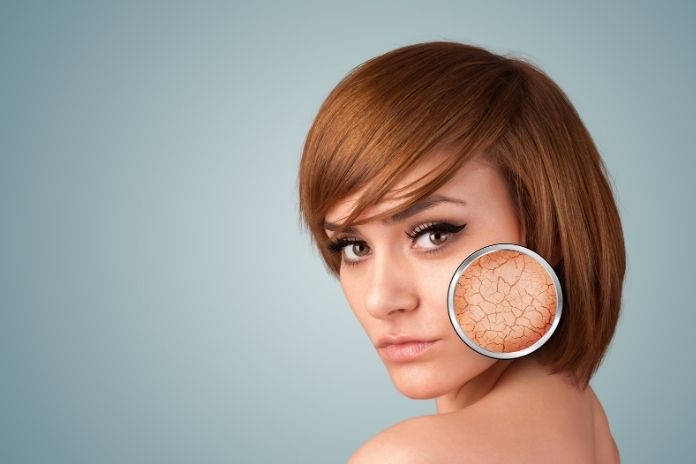
Most “drink water for glowing skin” advice never explains actual biology. Skin contains around 30% water spread across different layers. Dermis holds most water. The stratum corneum contains less water, but this is the layer people can see directly when the skin looks dry or flaky.
When you drink water, it does not directly travel into your facial skin instantly. Water is first absorbed into the bloodstream. The body distributes it according to survival priority. The brain, kidneys, and circulation get preference first. Skin is not the top-priority organ.
Water reaches the skin mainly through the blood circulation in the dermis. After that, the skin barrier function decides how much moisture stays trapped inside. This part is very important but is usually ignored online.
If the skin barrier is damaged from sun exposure, aging, harsh cleansers, over-exfoliation, or low ceramide levels, moisture escapes continuously through transepidermal water loss. In this situation, drinking more water alone may not fix visible dryness because the problem is not only a lack of water. The problem is that water is not staying inside the skin.
That is why topical moisturizer vs. water intake is not an equal comparison. Moisturizers work directly on the surface of the epidermis. Ceramides, glycerin, hyaluronic acid, and occlusive ingredients help reduce moisture loss from the stratum corneum.
Water intake cannot rebuild the damaged skin barrier in the same way as topical products can. So somebody can drink enough water but still have dry-looking skin if the barrier function is poor.
Who Benefits Most From Drinking More Water for Skin
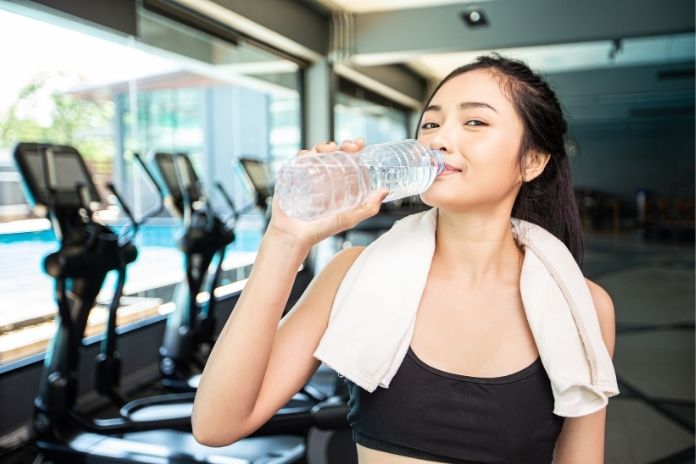
Not everybody gets the same hydration and skin benefits. Research says the biggest changes happen in people who are already underhydrated before increasing intake. People drinking less than around 1.5 liters of fluids daily may notice better skin hydration after improving their intake.
Especially in hot weather, heavy exercise, or sweating jobs, or when people forget to drink water for the whole day. Chronic mild dehydration can happen slowly. Older adults also benefit more sometimes. With age, thirst signals become weaker. Many elderly people stay slightly dehydrated without knowing.
Some geriatric studies found improved facial hydration and better skin turgor after fluid intake increased. Skin turgor means how quickly the skin comes back after a gentle pinch. Slow rebound sometimes happens with dehydration and lower elasticity.
People whose skin feels tight, dull, tired, or less elastic may notice some improvement after correcting low hydration status. One 2021 study involving 128 women found that low water intake may increase genetic wrinkle risk.
But once intake became adequate, this interaction became much less important. For people already drinking enough fluids daily, additional water usually gives only a small visible skin change. Many internet claims exaggerate this part.
What Skin Elasticity Actually Depends On: The Bigger Picture
Hydration matters for skin elasticity. But honestly, it is not the main factor deciding how firm or youthful skin looks. Collagen and elastin structure matter much more. These proteins give skin strength, bounce, and recoil.
Once collagen is damaged badly, drinking more water does not rebuild it significantly. The main external factor damaging collagen is UV radiation from sun exposure. Photoaging breaks collagen fibers slowly over the years. This is why sunscreen has much stronger evidence for preserving skin elasticity than drinking extra water.
Smoking also damages collagen and reduces blood flow to the skin. High sugar intake creates a glycation process where sugar molecules attach to collagen fibers, making them stiff and weaker. Genetics and aging also play a big role.
Then comes the skin barrier. Barrier made from ceramides, cholesterol, and fatty acids. This layer controls moisture retention inside the stratum corneum. If the barrier is compromised, skin loses water continuously, no matter how much fluid the person drinks.
Topical ceramide skin barrier products help directly because they repair the outer moisture barrier. Drinking water does not replace missing lipids in the epidermis. This distinction is important.
A lot of people think hydration automatically means a moist skin surface. But deep hydration and surface hydration are not the same thing. Somebody can be internally hydrated but still have a rough, dehydrated-looking epidermis because of barrier dysfunction and transepidermal water loss.
Hydration sits inside a bigger skin health picture. It helps, especially when somebody is chronically underhydrated. But sunscreen, barrier repair, smoking avoidance, and reducing excess sugar usually affect skin aging more strongly.
Read More: 7 Surprising Health & Skin Benefits of Using Calendula Daily (Backed by Science)
Practical Guidance: What to Do With This Information
When chronically underhydrated, reaching around 2 to 2.5 liters total daily fluid intake is a reasonable target for many adults. This includes fluids from food also, not only plain water bottles. Skin improvements from correcting dehydration may appear within a few weeks, according to some studies.
But if already adequately hydrated, drinking excessive extra water is probably not going to create a dramatic skin transformation. Dr. Scott Youngquist, an emergency medicine physician, says, “You can get very sick from it.” Better focus on the skin barrier and UV protection.
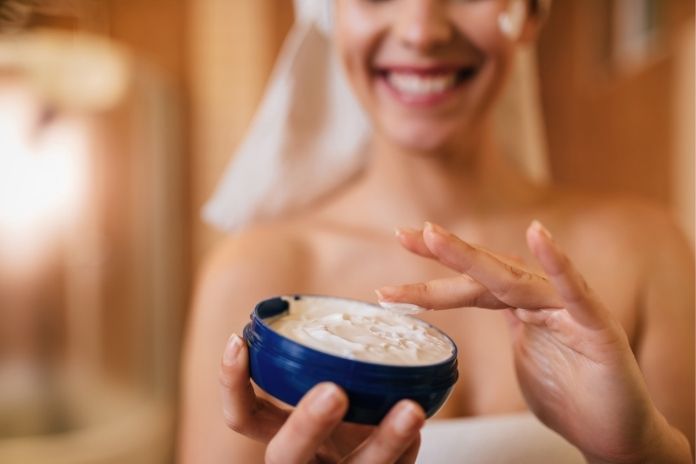
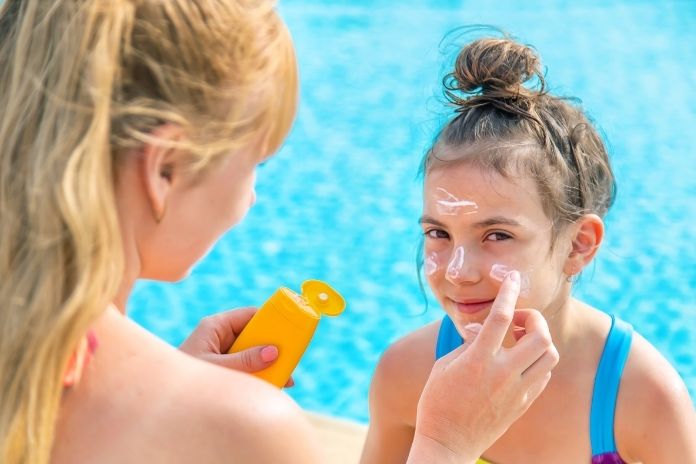
Applying ceramide-containing moisturizer within a few minutes after bathing helps trap water inside the skin better. Daily SPF 30 or higher sunscreen also helps to protect collagen and elasticity long-term. Dr. William L. Waller III, a dermatologist, said, “The improvement is actually pretty marginal—you get about 98% protection with SPF 50 and 99% for 100 SPF.”
Smoking reduction and lowering excess sugar intake also matter more for collagen preservation than drinking above-normal water intake. Food contributes too. Cucumber, watermelon, tomatoes, citrus fruits, berries, and leafy vegetables contain high water content with antioxidants helpful for skin. Hydration does not come only from plain drinking water.
Read More: Does Coffee Age You? What Science Says About Coffee, Skin, and Aging
Conclusion
Hydration and skin elasticity are definitely connected. But the internet simplified this topic too much. Research is now showing the biggest skin benefits happen when people move from chronic low hydration to adequate hydration. That part is real. The 2024 findings on underhydration and biological aging also make hydration more important for overall health, not only appearance.
But for people already drinking enough fluids, extra water usually gives limited visible skin changes. Skin elasticity depends more strongly on collagen health, sunscreen use, smoking habits, and skin barrier condition.
- Drinking more water improves skin elasticity, mostly in people who are already underhydrated for a long time.
- 2024 Nature Reviews Nephrology review linked chronic underhydration with accelerated biological aging, including skin aging.
- Surface skin dryness depends heavily on skin barrier function and transepidermal water loss, not only water intake.
- Sunscreen and collagen protection have a stronger long-term effect on skin elasticity than above-normal water intake.
- Many hydration studies are still small and use different methods for measuring skin elasticity and hydration status.
FAQ’s On Whether Drinking Water Improves Skin Elasticity
1. How much water do you need to drink to improve skin elasticity?
Evidence suggests skin benefits become measurable when people reach adequate hydration, roughly 2–2.5 liters daily from all food and fluid sources. The biggest improvements occur in people moving from chronic low intake to adequate intake. In already well-hydrated individuals, drinking extra water above requirements shows diminishing returns for skin elasticity and appearance.
2. Does dehydration really affect skin elasticity and aging?
Yes. A major 2024 review in Nature Reviews Nephrology linked chronic underhydration with accelerated biological aging across multiple organ systems. Skin turgor, the clinical skin elasticity test, is also a recognized hydration marker. Chronically dehydrated skin shows reduced stratum corneum hydration and impaired barrier function, contributing to dryness, reduced elasticity, and visible premature aging.
3. Is drinking water or using a moisturizer better for skin hydration?
They work differently and complement each other rather than replace one another. Drinking water supports deeper dermal hydration and overall skin health from within. Moisturizers, especially those containing ceramides, hyaluronic acid, and occlusives, directly hydrate the surface stratum corneum and reduce moisture loss. For visible dryness and texture, topical moisturizers provide a faster, more noticeable effect.
References
- Akdeniz, M., Boeing, H., Müller-Werdan, U., Aykac, V., Steffen, A., Schell, M., Blume-Peytavi, U., & Kottner, J. (2018). Effect of Fluid Intake on Hydration Status and Skin Barrier Characteristics in Geriatric Patients: An Explorative Study. Skin Pharmacology and Physiology, 31(3), 155–162.
- Akdeniz, M., Tomova‐Simitchieva, T., Dobos, G., Blume‐Peytavi, U., & Kottner, J. (2018). Does dietary fluid intake affect skin hydration in healthy humans? A systematic literature review. Skin Research and Technology, 24(3), 459–465.
- Dmitrieva, N. I., Boehm, M., Yancey, P. H., & Enhörning, S. (2024). Long-term health outcomes associated with hydration status. Nature Reviews Nephrology, 20, 1–20.
- Park, S., Kang, S., & Lee, W. J. (2021). Menopause, Ultraviolet Exposure, and Low Water Intake Potentially Interact with the Genetic Variants Related to Collagen Metabolism Involved in Skin Wrinkle Risk in Middle-Aged Women. International Journal of Environmental Research and Public Health, 18(4), 2044.
- Rodrigues, L., Palma, L., Tavares Marques, L., & Bujan Varela, J. (2015). Dietary water affects human skin hydration and biomechanics. Clinical, Cosmetic and Investigational Dermatology, 8(8), 413.
- Załęcki, P., Rogowska, K., Wąs, P., Łuczak, K., Wysocka, M., & Nowicka, D. (2024). Impact of Lifestyle on Differences in Skin Hydration of Selected Body Areas in Young Women. Cosmetics, 11(1), 13–13.
In this Article