


















You feel tired. Your legs cramp up at night. You’ve had three glasses of water and still feel foggy. These aren’t random complaints; they’re signs you need more electrolytes. Electrolyte deficiency symptoms such as muscle cramps, fatigue, and dizziness are caused by low levels of sodium, potassium, magnesium, or calcium.
These minerals govern everything from nerve signals to heart rhythm to fluid balance. Electrolyte imbalance doesn’t just happen to athletes or sick people; it’s more common than most people expect. This article breaks down every major sign, who’s most at risk, and exactly how to fix it.
- The most common signs you need more electrolytes are muscle cramps, fatigue, dizziness, headaches, brain fog, heart palpitations, and numbness.
- These happen because electrolytes control nerve signals, muscle contractions, and fluid balance..
- If symptoms hit after sweating, illness, or intense exercise, you need electrolytes alongside fluids, not plain water alone.
Read More: Is Propel Water Good for You? Ingredients, Electrolytes, Sugar & Caffeine Explained
What Electrolytes Actually Do in Your Body
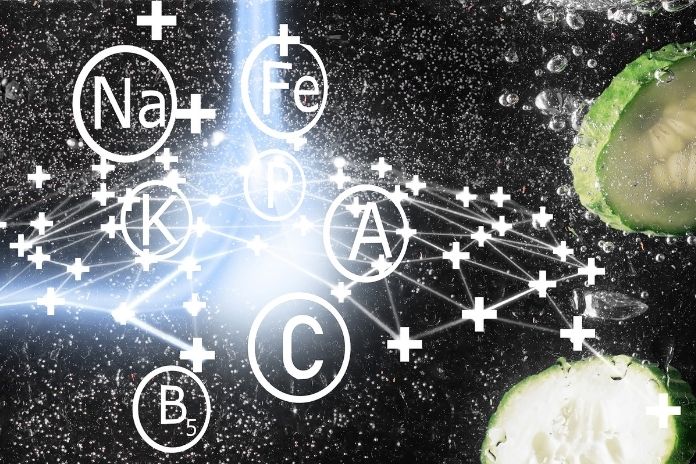
Electrolytes are minerals that carry an electrical charge when dissolved in fluid. Sodium, potassium, magnesium, calcium, and chloride are the main ones. They create voltage gradients across cell membranes that allow nerves to fire, muscles to contract and relax, and cells to manage fluid balance.
When levels drop, nerve and muscle signaling breaks down simultaneously, which is why symptoms of low electrolytes show up in multiple places at once, not just one.
The 8 Most Common Signs You Need More Electrolytes
1. Muscle Cramps and Spasms
Muscle cramps are the most recognized sign of electrolyte deficiency. Potassium and magnesium both help muscles relax after a contraction. Without enough of either, fibers get stuck in a contracted state, causing that sharp calf cramp at 2 a.m. (nighttime cramps) or a foot spasm mid-workout.
Magnesium deficiency is one of the most documented causes of neuromuscular excitability. Cramps are often worse at night or after prolonged physical activity.
2. Fatigue and Weakness
This isn’t the normal tiredness you feel after a long day. Electrolyte fatigue is heavy and persistent and doesn’t improve with rest. Low sodium reduces blood plasma volume, dropping blood pressure and energy.
Low potassium impairs cellular energy production at the mitochondrial level. Studies consistently link low potassium with reduced muscular performance and a higher perceived effort during activity. If rest doesn’t help, low electrolytes are worth checking.
3. Dizziness on Standing
Sodium regulates fluid volume in your blood vessels. When it drops, blood pressure falls, and less blood reaches the brain when you stand up quickly. The result is spinning, a light-headed feeling called “orthostatic hypotension” (a sudden blood pressure drop on standing).
It’s especially common after heavy sweating, vomiting, or diarrhea. Standing up slowly helps in the moment, but the real fix is replenishing sodium.
4. Headaches
Low sodium can cause subtle brain swelling, producing headaches, confusion, and nausea. This is common in endurance athletes who drink large amounts of plain water without replacing sodium, a condition called “dilutional hyponatremia” (low blood sodium caused by excess fluid intake).
Even mild hyponatremia produces measurable neurological symptoms. If you finish a long workout and you get a headache despite drinking plenty of water, sodium depletion is the likely cause.
5. Memory and Cognition
Magnesium directly regulates NMDA receptors, proteins in the brain involved in memory and learning. Low magnesium consistently links to impaired cognitive performance in clinical research.
“Magnesium alone is rarely enough to treat depression, but when I’ve used it in patients, along with other treatments like talk therapy and antidepressants, I’ve found that it helps,” says Dr. James M. Greenblatt, MD, psychiatrist and chief medical officer of Walden Behavioral Care.
6. Heart Palpitations
Your heart depends on precise potassium and magnesium gradients to maintain normal rhythm. Low potassium, called hypokalemia (serum potassium below 3.5 mmol/L), is one of the most clinically significant causes of cardiac arrhythmia.
It’s so well-established that potassium correction is routine in hospital care. Palpitations, fluttering, or a racing heart after exercise or illness should never be ignored and warrant medical evaluation if they persist.
7. Numbness or Tingling
Calcium, potassium, and magnesium all regulate nerve conduction. Low calcium in particular makes nerves hypersensitive, setting off a pins-and-needles sensation in the hands, feet, or face. In more severe cases, you might notice twitching or muscle spasms around the mouth.
It’s one of the more unsettling signs of electrolyte depletion, but it resolves reliably once mineral levels are corrected.
8. Nausea and Constipation
Your digestive tract is one long muscle. It moves food through rhythmic contractions called peristalsis, and those contractions depend on the same nerve-muscle signaling as your arm or leg muscles.
Low potassium slows this rhythm down, causing constipation, nausea, and bloating that has nothing to do with what you ate. This sign is often overlooked because people blame their diet before considering electrolyte balance.
Who Is Most at Risk of Low Electrolytes?

Certain situations make electrolyte depletion significantly more likely:
- Heavy exercisersand people who sweat a lot lose sodium, potassium, and magnesium simultaneously through sweat, especially in heat.
- People recovering from illness lose electrolytes rapidly through vomiting and diarrhea.
- Those on low-carb or ketogenic dietsexperience sodium and potassium loss as insulin drops, which is the root cause of keto flu.
- People taking diuretic medicationslose potassium and magnesium as a documented side effect.
- Older adults have reduced kidney efficiency and are more prone to depletion, with dehydration rates estimated at 17 to 28 percent in US adults over 65.
- Alcoholalso increases renal excretion of both magnesium and potassium.
Read More: Signs Your Body Is Lacking Electrolytes (and What to Do)
Electrolytes vs. Dehydration: An Important Difference
Drinking plain water when electrolytes are low can actively make things worse. Extra fluid dilutes the sodium already in your bloodstream, deepening the very symptoms you’re trying to fix.
As Dr. Tamara Hew-Butler, Professor of Exercise and Sport Science at Wayne State University and a leading researcher on exercise-associated hyponatremia, explains in her published findings, drinking to thirst rather than drinking as much as possible helps prevent sodium dilution during prolonged exercise.
Hydration and electrolyte balance are related but distinct. The telling sign: you’ve been drinking plenty of fluid but still feel dizzy, foggy, or headachy. That’s your body asking for sodium, not more water.
How to Replenish Electrolytes and When to See a Doctor

For mild depletion after exercise or sweating, use electrolyte drinks or tablets containing sodium and potassium, add a small pinch of salt to water, or eat potassium-rich foods like bananas, avocados, and sweet potatoes.
For illness-related depletion, oral rehydration salts (ORS) deliver the correct sodium-glucose ratio that maximizes intestinal absorption, the clinical gold standard. For persistently low magnesium, a glycinate or citrate supplement replenishes more reliably than food alone.
See a doctor if symptoms are severe (confusion, persistent palpitations, muscle weakness); don’t ease after replenishment; if you’re on diuretics; or if depletion keeps recurring without a clear cause.
Read More: Top 7 Electrolyte Powders to Stay Hydrated: Boost Your Energy and Performance
Final Word
Your body signals when something is off. A muscle cramp at night, a foggy brain at 3 p.m., and a racing heart after a hard workout—none of these are random. They are your nervous system asking for the minerals it depends on to function.
Electrolyte balance is not reserved for athletes or hospital patients. It is foundational physiology. And the encouraging part: mild deficiency responds quickly once you know what to look for. Pay attention. Replenish smartly. Get tested when symptoms return.
- Electrolyte deficiency is more common than most people realize, and its signs touch every system in the body: muscles, brain, gut, and heart.
- Drinking more plain water doesn’t solve the problem and can actually worsen it.
- If you notice three or more symptoms from this article after exercise, illness, or a dietary change, start with a sodium-containing electrolyte drink and get a basic metabolic panel if things don’t improve within 24 hours.
FAQs About Signs You Need More Electrolytes
1. What are the first signs you need more electrolytes?
The earliest signs you need more electrolytes are muscle cramps, fatigue, and dizziness on standing. These appear because nerve signaling and blood pressure regulation are the first systems affected when sodium, potassium, or magnesium drops below optimal levels in the body.
2. I keep drinking water, but still feel dizzy and foggy why?
Plain water dilutes blood sodium, triggering dilutional hyponatremia with symptoms nearly identical to dehydration. Adding sodium alongside fluids is what resolves it. If you have been drinking enough but still feel off, your body needs electrolytes rather than more water.
3. Can low electrolytes cause heart palpitations?
Yes. Low potassium and magnesium disrupt the electrical gradients your heart needs to maintain a stable rhythm. Hypokalemia is a well-documented cause of cardiac arrhythmia and is routinely corrected in clinical care. Palpitations after heavy sweating or illness warrant medical evaluation.
4. How do I know if it is low electrolytes or just poor sleep?
Electrolyte fatigue is heavy, persistent, and comes alongside physical signs like cramps, tingling, or dizziness, unlike sleep deprivation. A basic metabolic panel that measures sodium, potassium, and calcium is the most reliable way to confirm whether electrolyte imbalances are causing the problem.
5. What is the fastest way to replenish electrolytes after exercise?
Oral rehydration salts are the fastest, using a sodium-glucose ratio that maximizes intestinal absorption. Electrolyte drinks with sodium and potassium restore moderate depletion in 30 to 60 minutes. For consistently low magnesium, a glycinate supplement absorbs more reliably than food sources.
References
- Huang, X., Sun, X., Wang, Q., Zhang, J., Wen, H., Chen, W.-J., & Zhu, S. (2025). Structural insights into the diverse actions of magnesium on NMDA receptors. Neuron, 113(7), 1006–1018.
- Li, G., Zhou, N., Wang, H., & Wang, C. (2025). Association of magnesium depletion score with cognitive function in older adults: An analysis of US National Health and Nutrition Examination Survey (NHANES) 2011 to 2014. Medicine, 104(42), e45231.
- Cleveland Clinic. (n.d.). Electrolyte imbalance: Symptoms, causes, and treatment.
- Cadence. (n.d.). What is sodium?
- Sharma, S., et al. (2024). Electrolyte imbalance and clinical implications.
- Verbalis, J. G., et al. (2021). Hyponatremia and its clinical outcomes.
- WebMD. (n.d.). Leg cramps.
- MSD Manuals. (n.d.). Orthostatic hypotension.
- Mayo Clinic. (n.d.). Hyponatremia: Symptoms and causes.
- Kougias, P., et al. (2019). Electrolyte disturbances and systemic effects.
- de Baaij, J. H. F., et al. (2022). Magnesium disorders and clinical relevance.
- JAMA Network Open. (2022). Electrolyte imbalance and health outcomes.
- PLOS ONE. (2019). Electrolyte imbalance and physiological effects.
- Cleveland Clinic. (n.d.). Hypocalcemia.
- Whang, R., & Ryder, K. W. (2003). Frequency of hypomagnesemia and hypermagnesemia.
- Vinmec International Hospital. (n.d.). Manifestations of potassium deficiency.
- UPMC. (n.d.). Electrolyte disorders.
- Broken Science Initiative. (n.d.). Immunizing keto flu.
- Healthdirect Australia. (n.d.). Diuretic medicines.
- Dyckner, T., & Wester, P. O. (1987). Effect of magnesium on potassium levels.
- Cleveland Clinic. (n.d.). Hypomagnesemia.
- Barbagallo, M., et al. (2020). Magnesium and aging-related diseases.
- Gheorghiade, M., et al. (2019). Electrolyte abnormalities in clinical practice.
- World Health Organization. (2006). WHO position on ORS formulation. WHO Publications.
In this Article