
















Stem cell therapy for type 1 diabetes is finally showing results that were never possible before. In 2024, one patient in China achieved insulin independence using her own reprogrammed cells.
Around the same time, Vertex Pharmaceuticals reported that most patients in its trial no longer needed insulin after treatment with lab-grown beta cells. These are not just small steps; they are actual milestones. “As a surgeon who has ever worked in the field of islet cell transplantation for decades, this approach, which obviates the need for an organ donor, could be a game changer,” said Dr. James Markmann, a general surgeon.
But still, calling this a “cure” is not correct yet. These results come from small trials, with conditions that most patients cannot accept today, especially lifelong immunosuppression. This gap between “scientific success” and “real-world cure” is still large. This article explains exactly where we are, what is actually working, and what is still not solved.
Medical note: This is a scientific overview, not treatment advice. Always discuss with an endocrinologist.
- Stem cell therapy for type 1 diabetes is showing real success.
- Patients have achieved insulin independence in trials. But all current approaches depend on immunosuppression.
- A true cure requires removing that need. The timeline for a wide, safe cure is likely the next decade and not immediate. Yet research shows some promising results.
Why Type 1 Diabetes Needs a Different Kind of Solution
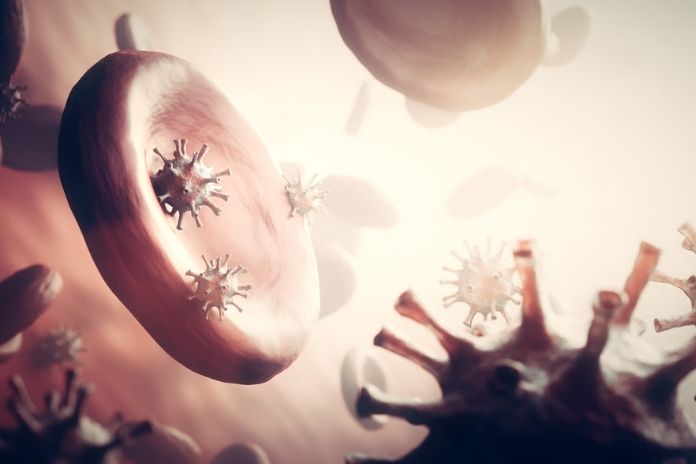
Type 1 diabetes is not just a high-sugar problem. It is an autoimmune disease. The immune system attacks and destroys beta cells in the pancreas, the only cells that produce insulin. Once they are gone, the body cannot replace them.
Current treatment is not fixing the disease. It is only replacing insulin manually, through injections or pumps. Even the best technologies like CGM and closed-loop systems still cannot match natural biology. Blood sugar control always remains imperfect.
So a real solution must do two things: Bring back working beta cells. Protect them from immune attack. Stem cell therapy tries to solve the first part very strongly. The second part, immune attack, is still the biggest problem in the field.
Why the Edmonton Protocol Matters in Type 1 Diabetes Treatment
The Historical Baseline: Before stem cells, scientists already tried replacing beta cells. The most important example is the Edmonton Protocol for islet transplant (2000). It used islet cells taken from deceased donors and transplanted into patients. It worked; patients became insulin-independent.
But three big problems came:
- Not enough donor organs
- Cells did not survive long-term
- Lifelong immunosuppression required
After 5 years, only about 10% of patients remained insulin-independent in early studies. So stem cell therapy is not an entirely new idea. It is an improved version of the same concept, but instead of donor shortage, now we can manufacture beta cells in the lab.
This is important context. Today’s results look impressive, but they are building on known biology, not starting from zero.
The Two 2024 Milestones, and Why They’re Different Stories
1. The China Result: Autologous iPSC Approach
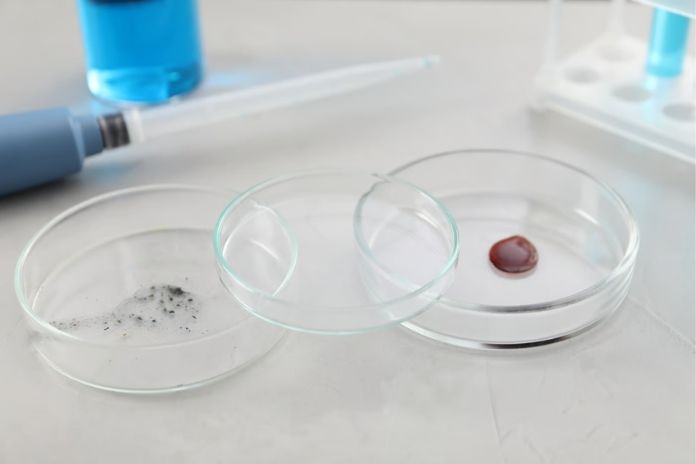
In 2024, a team led by Deng Hongkui published a major study. A 25-year-old woman received beta cells created from her own fat tissue.
Deng Hongkui’s iPSC diabetes cure process was complex:
- Fat cells taken from the patient
- Reprogrammed into stem cells (iPSC)
- Converted into insulin-producing islet clusters
- Transplanted into the abdominal muscle
Results: Insulin independence in ~75 days. Maintained for more than 1 year. Time-in-range improved from 43% → >98%.
This is the first-ever case of autologous stem cell therapy working in T1D. But a major limitation: The patient was already on immunosuppressants due to a liver transplant. So we still don’t know: Will the immune system attack these new cells again if no immunosuppression is used? Also, the total number of patients was 3. That is too small to conclude.
2. The Vertex Zimislecel Result: Closest to Approval
Now compare with Zimislecel (VX-880) for type 1 diabetes from Vertex Pharmaceuticals. This is a different approach:
- Cells are donor-derived (allogeneic)
- Infused into the liver via the portal vein
- Manufactured at scale
Trial results (2025):
- 10 out of 12 patients were insulin-independent at 1 year
- All achieved HbA1c less than 7%
- Strong glucose stability
Phase 3 trial (~50 patients) has already completed enrollment. Regulatory submission planned in 2026. This is the closest thing to a real treatment reaching the market. But every patient must take lifelong immunosuppressive drugs.
The Central Unsolved Challenge: Immunosuppression

This is the part most articles mention but do not explain properly. If you receive donor cells, your immune system will reject them. To stop this, patients must take immunosuppressants, the same drugs used in organ transplants.
These drugs are not mild:
- Higher risk of infections
- Kidney damage over time
- Increased cancer risk
- Drug interactions
This is not a small side effect. It changes the full risk profile of treatment. That is why current trials are only for severe hypoglycemia-unawareness patients, those at high risk of death from low blood sugar.
For them, benefit may outweigh risk. But for the majority of T1D patients: Taking lifelong immunosuppression is not acceptable. This is the main reason why stem cell therapy is not yet a universal cure.
What Does “Stem Cell Cure for Type 1 Diabetes” Actually Mean Here?
This question is rarely defined clearly, but it matters a lot. There are three levels:
- Level 1: Minimal definition– No insulin injections needed
- Level 2: Functional cure– No insulin injections. No lifelong immunosuppression due to stem cell in diabetes
- Level 3: Complete cure– Normal glucose control. No immunosuppression. No autoimmune recurrence.
Current stem cell results achieve: Level 1 (in small trials). But: Level 2 and 3 are still not achieved at scale. So when people say “we are close to a cure”, they usually mean Level 1, not a full cure.
Read More: Who Gets Hairy Cell Leukemia? Risk Factors & Demographics
Three Paths to Remove Immunosuppression In Type 1 Diabetes
1. Hypoimmune (Gene-Edited) Cells
This is probably the most important future direction. Scientists use gene editing (like CRISPR) to modify stem cells.
Dr. Bjarki Johannesson, a senior research investigator, described. “So, you can take out genes, you can add genes, you can control which genes are being expressed — it’s really a phenomenally powerful technology. And the idea here was to modify the stem cells in a way that they would become less visible to the immune system.”
- Remove HLA markers → the immune system cannot detect them
- Modify NK cell signals → avoid innate immunity
Goal: Create “invisible” beta cells. If this works: No rejection and no immunosuppression needed. Vertex and other companies are working on this, but it is still at an early stage. Human trials at scale have not yet been done.
2. Encapsulation Devices
The idea is simple: Put beta cells inside a protective capsule. Allow glucose with insulin to pass. Block immune cells. This removes the need for systemic drugs.
But: Oxygen and nutrient supply become a problem. Device integration with the body is difficult. Vertex’s VX-264 program was stopped in 2025 due to poor results, but research is continuing elsewhere.
3. Immune Re-Education
Instead of protecting cells, change the immune system itself. Approaches like Stem Cell Educator Therapy (SCET): Use stem cells to “reset” the immune response. Stop the autoimmune attack. Also, newer research from Stanford shows:
- Bone marrow with islet transplant
- Hybrid immune system created
- Diabetes reversed in animal models
This approach targets the root cause, not just replacing cells.
Read More: Top 10 Anti-Aging Wellness Products to Support Cellular Health
What a Real Cure Timeline Actually Looks Like After Stem Cell Therapy?
A realistic view, based on current data:
2026–2027
- Zimislecel may get approval
- Only for high-risk patients
- Requires lifelong immunosuppression
2028–2032
- Gene-edited cells enter clinical trials
- Early signals on safety without immunosuppression
2030s
- Combination approaches (immune with cell therapy)
- Potential broader use without immunosuppression
Important reality: First “available treatment” never means a cure for everyone. Even if approval happens soon, access will be limited due to risk profile, cost, and manufacturing complexity.
Read More: Same Sex Mice Can Have Pups Using Stem Cell Therapy And Gene Editing, Study Says
Final Thoughts on Stem Cell Therapy For Type 1 Diabetes
This is the most progress seen in type 1 diabetes in decades. For the first time, we have real human data showing insulin independence using lab-grown cells. But the situation of stem cell therapy for type 1 diabetes is not simple:
- Current success depends on immunosuppression
- Autologous solutions are still unclear
- Autoimmune recurrence has not been solved
So the answer to “how close are we” depends on the definition. We are close to a treatment for high-risk patients, but not yet close to a universal cure. But one important shift is happening: Earlier, the cure was theoretical. Now, cure is technically possible, just not yet practical. That difference matters.
- The current stem cell cure for type 1 diabetes can achieve insulin independence, but only under controlled conditions with major limitations.
- Immunosuppression is the single biggest barrier to making this a widespread treatment.
- Autologous (self-derived) vs. allogeneic (donor-derived) approaches represent two very different futures.
- A true functional cure of type 1 diabetes requires eliminating both insulin dependence and immune suppression, which has not yet been achieved.
- Biggest research gap: long-term survival of beta cells without immune attack in real-world patients.
FAQs
- Is stem cell therapy available for type 1 diabetes?
No, it is still in clinical trials. Vertex’s VX-880 has entered Phase 3 trials, and Lantidra holds FDA approval as a pancreatic islet cell therapy, but its use is limited to severely affected Type 1 diabetes patients. Broader access remains unavailable.
- Did patients really stop insulin completely on stem cell therapy for T1D?
Yes, according to research data, patients achieved insulin independence, no longer requiring insulin, after 1 year of treatment. But research participant numbers were small, conditions were controlled, and follow-ups were limited.
- Why can’t everyone get stem cell therapy for type 1 diabetes?
Current therapies like VX-880 require lifelong immunosuppressants to protect transplanted cells from rejection, carrying serious infection and toxicity risks. Only severely affected Type 1 diabetes patients experiencing frequent hypoglycemic (low sugar) episodes currently qualify.
- Can using your own cells avoid immune rejection in T1D stem cell therapy?
Possibly, but an autoimmune attack may still happen. A 2024 Chinese trial used autologous (patient’s own) stem cells, achieving insulin independence at one year. However, an autoimmune attack on these transplanted cells still remains an unsolved challenge even when they are the patient’s own cells. So this is not fully solved yet.
- When will a real stem cell cure for type 1 diabetes be available?
Broader, safer treatments are not yet a cure, but recent advances signal optimism. Researchers estimate scalable, immunosuppression-free therapies could reach patients if ongoing Phase 2/3 trials conclude successfully by the 2030s.
References
- ClinicalTrials.gov. (2026). A Safety, Tolerability, and Efficacy Study of VX-880 in Participants With Type 1 Diabetes. Clinicaltrials.gov.
- Conger, K. (2025, November 18). Type 1 diabetes cured in mice with gentle blood stem-cell and pancreatic islet transplant. News Center.
- Reichman, T. W., Markmann, J. F., Odorico, J., Witkowski, P., Fung, J. J., Wijkstrom, M., Kandeel, F., de Koning, E. J. P., Peters, A. L., Mathieu, C., Kean, L. S., Bruinsma, B. G., Wang, C., Mascia, M., Sanna, B., Marigowda, G., Pagliuca, F., Melton, D., Ricordi, C., & Rickels, M. R. (2025). Stem Cell–Derived, Fully Differentiated Islets for Type 1 Diabetes. New England Journal of Medicine.
- Ryan, E. A., Lakey, J. R. T., Rajotte, R. V., Korbutt, G. S., Kin, T., Imes, S., Rabinovitch, A., Elliott, J. F., Bigam, D., Kneteman, N. M., Warnock, G. L., Larsen, I., & Shapiro, A. M. J. (2001). Clinical Outcomes and Insulin Secretion After Islet Transplantation With the Edmonton Protocol. Diabetes, 50(4), 710–719.
- Wang, S. (2024). Transplantation of chemically induced pluripotent stem-cell-derived islets under abdominal anterior rectus sheath in a type 1 diabetes patient. Cell, 187(22).
In this Article