



















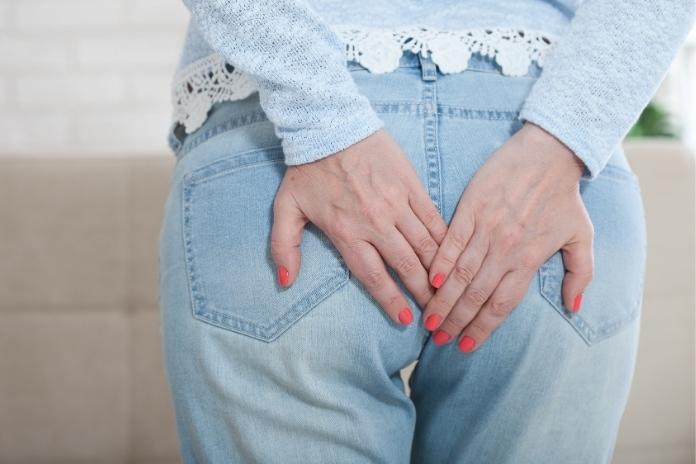
One of the most prevalent and frequently misdiagnosed medical disorders impacting adults globally is hemorrhoids. Itching, soreness, discomfort, and even bleeding can result from these enlarged veins in the lower rectum or surrounding the anus.
While many people feel embarrassed discussing them, understanding what hemorrhoids are, their causes, and available hemorrhoid treatment options is very essential for effective management and relief.
Everything you need to know about hemorrhoids will be covered in this article, including hemorrhoid symptoms; types (such as internal vs. external hemorrhoids); causes (such as hemorrhoids from constipation and hemorrhoids after pregnancy); effective home remedies for hemorrhoids; medical treatments; and when to seek professional care.
- Swollen veins in the lower rectum or anus that can cause itching, pain, and bleeding.
- Straining from constipation, prolonged toilet sitting, and the physical pressure of pregnancy.
- High-fiber diets, warm sitz baths, and over-the-counter creams usually resolve mild cases quickly.
Read More: Why Sitting Too Long on the Toilet May Raise Your Risk of Hemorrhoids
What Are Hemorrhoids?
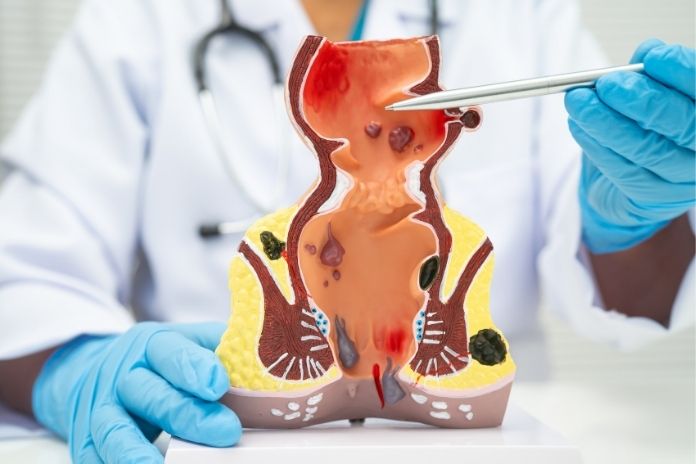
Swelling and irritation of the veins or blood vessels in and around your lower rectum and anus cause hemorrhoids. When these veins are under additional pressure, this occurs.
Hemorrhoids can occur either externally, beneath the skin surrounding your anus, or internally, inside your anus.
They are prevalent in both genders. By the age of around 50, hemorrhoids will affect about half of the population. Hemorrhoids are common in pregnant and postpartum women. The strain of carrying a baby further stresses the blood vessels in your pelvic region. During childbirth, straining to push the baby out also puts additional strain on these blood vessels.
Internal Hemorrhoids: The rectum contains internal hemorrhoids. They are rarely uncomfortable, and you can’t generally see or feel them. However, straining or discomfort during stool passage can result in:
- Bleeding without pain. Small amounts of bright red blood may be visible in the toilet or on the toilet paper.
- A prolapsed or protruding hemorrhoid is a hemorrhoid that pushes through the anal sphincter. Pain and irritation could arise from it.
External Hemorrhoids: They lie beneath the skin around the anus. Possible symptoms include:
- Anal discomfort or itching
- Discomfort or pain
- Enlargement surrounding the anus
- Bleeding
Common Symptoms of Hemorrhoids
Hemorrhoids can cause the following symptoms:
- Soreness or intense discomfort
- Discomfort or itching
- Vein bulging
- One or more sensitive, firm lumps close to the anus
- Bleeding
Get in touch with your doctor if you see blood in the toilet, on your toilet paper, or in your stool. Hemorrhoids frequently cause rectal bleeding, but it can also be an indication of other illnesses. Your doctor will want to look for certain types of cancer, Crohn’s disease, ulcerative colitis, and anal fissures.
Why Do People Get Hemorrhoids?
Understanding the causes of hemorrhoids helps prevent them and supports successful hemorrhoid treatment.
Straining During Bowel Movements: Both diarrhea and constipation can make you strain. The increased pressure on your veins causes hemorrhoids and edema.
Extended Sitting: Hemorrhoids can result from prolonged sitting, particularly on the toilet, as lack of movement can cause blood to accumulate in your veins, raising pressure and swelling.
Pregnancy and Childbirth: Because of the strain the expanding uterus exerts, hemorrhoids frequently accompany pregnancy. Internal and external hemorrhoids are also made worse by labor and childbirth.
Read More: Hemorrhoids – Causes, Symptoms, Diagnosis, And Treatment Options
What Can Make Hemorrhoid Symptoms Worse?
Hemorrhoids can be made worse by certain habits:
- Persistent diarrhea or constipation
- Delaying bowel movements
- Harsh hygiene products or excessive wiping
- Obesity and lack of activity
- Frequent straining
How Hemorrhoids Are Diagnosed
External hemorrhoids may be visible to a medical practitioner. An examination of the rectum and anal canal may be necessary to diagnose internal hemorrhoids:
Digital Exam: A medical practitioner inserts a greased, gloved finger into your rectum. It enables your doctor to look for anything unusual, including growths.
Visual Exam: During a rectal examination, internal hemorrhoids are frequently too soft for a medical practitioner to feel. The medical practitioner may use an anoscope, proctoscope, or sigmoidoscope to examine the lower portion of your colon and rectum.
A doctor may choose to do a colonoscopy to examine your entire colon if you:
- Have another digestive system illness based on your symptoms
- Have colorectal cancer risk factors
- Are middle-aged and have not had a colonoscopy recently
Home Remedies and Self-Care for Hemorrhoids
Hemorrhoids can be treated at home in several ways. Your physician could suggest the following:
Stool Softeners: One of the most popular stool softeners is docusate sodium (Colace, Docu). To prevent straining while sitting on the toilet, this softens bowel movements.
Consume More Fiber: Aim for 20-35 grams per day. Fiber, which can help prevent constipation and thus exacerbate hemorrhoids, is recommended. Try taking a supplement like psyllium (Konsyl, Metamucil) or methylcellulose (Citrucel) if you have trouble getting that much fiber.
Warm Sitz Baths: Made with water and a calming salt, such as sea salts or Epsom salts, a sitz bath enhances blood flow and eases anal tension. These salts are available at pharmacies. Use them twice or three times a day by soaking the area around your rectum in warm water for 10 to 15 minutes.
Anal Wipes: They relieve dryness, discomfort, and itching. Before using them, the region needs to be well cleaned and dried.
Witch Hazel: This helps tighten and dry the skin around the anus. You can use witch hazel after a bowel movement. It is available as a wipe, a pad, and a liquid.
Over-the-Counter Treatments for Hemorrhoid Relief
Hemorrhoid creams contain various substances. These components address various symptoms of hemorrhoids. Typical components of hemorrhoid cream include:
Steroids: Hemorrhoid lotions containing steroids, such as hydrocortisone (Anusol-HC), help reduce itching, redness, and irritation.
Protectants: Certain substances, such as petrolatum and mineral oil, can shield inflamed skin. These hemorrhoid ointments can relieve the afflicted area and prevent dryness.
Decongestants: Rectal phenylephrine helps reduce hemorrhoidal swelling and burning by constricting blood vessels.
Local Anesthetics: To reduce pain and discomfort, numbing creams contain local anesthetics. Do not use these inside the rectum; use them only externally.
Astringents: These products can ease burning and irritation while helping shield inflamed areas. One common astringent used in hemorrhoid products is witch hazel.
Read More: Coconut Oil for Hemorrhoids | How to Get Rid of Hemorrhoids
Medical Treatments for Persistent or Severe Hemorrhoids
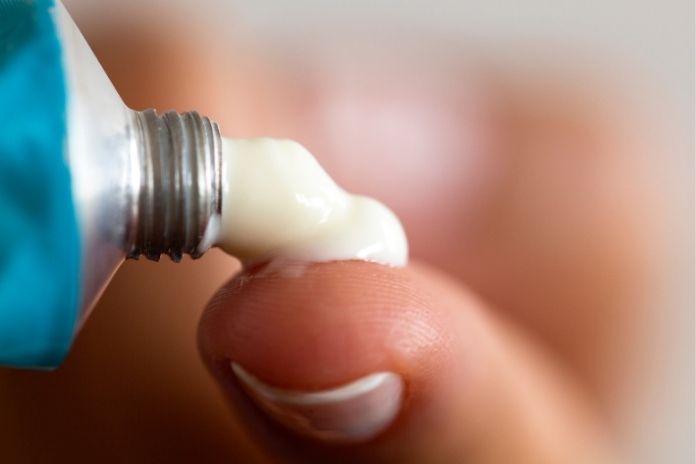
If home remedies for hemorrhoids don’t work, medical care may be necessary.
Rubber Band Ligation: To stop blood flow to an internal hemorrhoid, a medical practitioner wraps one or two small rubber bands around its base. Within a week, the hemorrhoid withers and disappears. Banding hemorrhoids can be painful and lead to bleeding. Although it is rarely severe, bleeding may start 2 to 4 days after treatment. More significant issues can occasionally arise.
Sclerotherapy: To reduce hemorrhoids, a medical practitioner injects a chemical solution into the tissue. Rubber band ligation may be more effective even though the injection is painless.
Coagulation: Coagulation processes use heat, laser, or infrared light. They lead to the hardening and shriveling of tiny, bleeding internal hemorrhoids. Coagulation often causes minimal discomfort and has few adverse effects.
Hemorrhoid Removal (Hemorrhoidectomy): Your surgeon employs one of several methods to remove excess tissue that is causing bleeding. A local anesthetic and a sedative, a medication that makes you feel calmer or less nervous, can be used to do the procedure. General anesthesia or spinal anesthesia may also be employed.
Stapled Hemorrhoidopexy (Hemorrhoid Stapling): It is a technique that stops blood flow to hemorrhoidal tissue. Usually, only internal hemorrhoids are treated with it.
When to See a Doctor for Hemorrhoids
Knowing when to see a doctor for hemorrhoids is critical. Warning Indications:
- Persistent bleeding hemorrhoids
- Severe swelling or pain
- Symptoms that do not get better with treatment
- Indications of an illness or fever
- Unexplained bowel movements or weight loss
Can Hemorrhoids Be Prevented?
Hemorrhoids can be avoided or, at the very least, treated at home by:
- Consuming foods high in fiber
- Taking a fiber supplement or a stool softener
- Drinking plenty of water each day
- Avoiding straining during bowel movements
- Avoiding prolonged lengths of time spent on the toilet
- Using over-the-counter painkillers to treat symptoms
- Sitting in a plastic tub filled with a few inches of warm water is called a “sitz bath”
- For external hemorrhoid symptoms, use over-the-counter hemorrhoid treatments, ointments, or suppositories
Read More: Why Your Toilet Position Is All Wrong (And How Squatting Changes Your Health)
Conclusion
Although hemorrhoids are a common ailment that can be uncomfortable, they are frequently treatable with the appropriate strategy. You can take early action to lessen symptoms and prevent recurrence by being aware of triggers, including constipation, prolonged sitting, and lifestyle choices.
Making small adjustments, like eating better, drinking more water, and practicing good bowel habits, can have a huge impact. Even though home care works effectively in many situations, it’s very crucial to monitor any lingering symptoms, particularly bleeding or excruciating pain.
Seeking timely medical advice ensures proper diagnosis and effective hemorrhoid treatment, helping to rule out other underlying conditions.
FAQs
1. Do hemorrhoids go away on their own?
Yes, mild hemorrhoids often improve with lifestyle changes and home remedies for hemorrhoids.
2. How long do hemorrhoids last?
Depending on the severity and the course of treatment, they could persist for a few days to a few weeks.
3. Are hemorrhoids dangerous?
While most cases are not harmful, doctors should assess recurrent rectal bleeding.
4. What is the fastest way to relieve hemorrhoid pain?
Taking a 15-minute warm sitz bath, then applying an ice pack for 15 minutes to numb the area and reduce edema, is the quickest way to get relief.
5. Can hemorrhoids come back after treatment?
Yes, particularly if underlying issues like constipation and straining are not treated.
References
- Cedars-Sinai. Hemorrhoids.
- Mayo Clinic. (August 23, 2025). Hemorrhoids.
- American Society of Colon and Rectal Surgeons. Hemorrhoids.
- Aurora Health Care. Hemorrhoid treatment.
- Metro GI Chicago. Why do I keep getting hemorrhoids?
- NewYork-Presbyterian. Hemorrhoids: Diagnosis & treatment.
- Meredith Grace Merkley. (October 4, 2023). 7 Hemorrhoid Home Remedies and Self-Care Tips for Long-Lasting Relief.
- Austin Ulrich, PharmD, BCACP. (October 10, 2025). Hemorrhoid Creams: Uses, How to Apply, and Other Hemorrhoid Treatments.
In this Article